
Last updated November 15, 2026
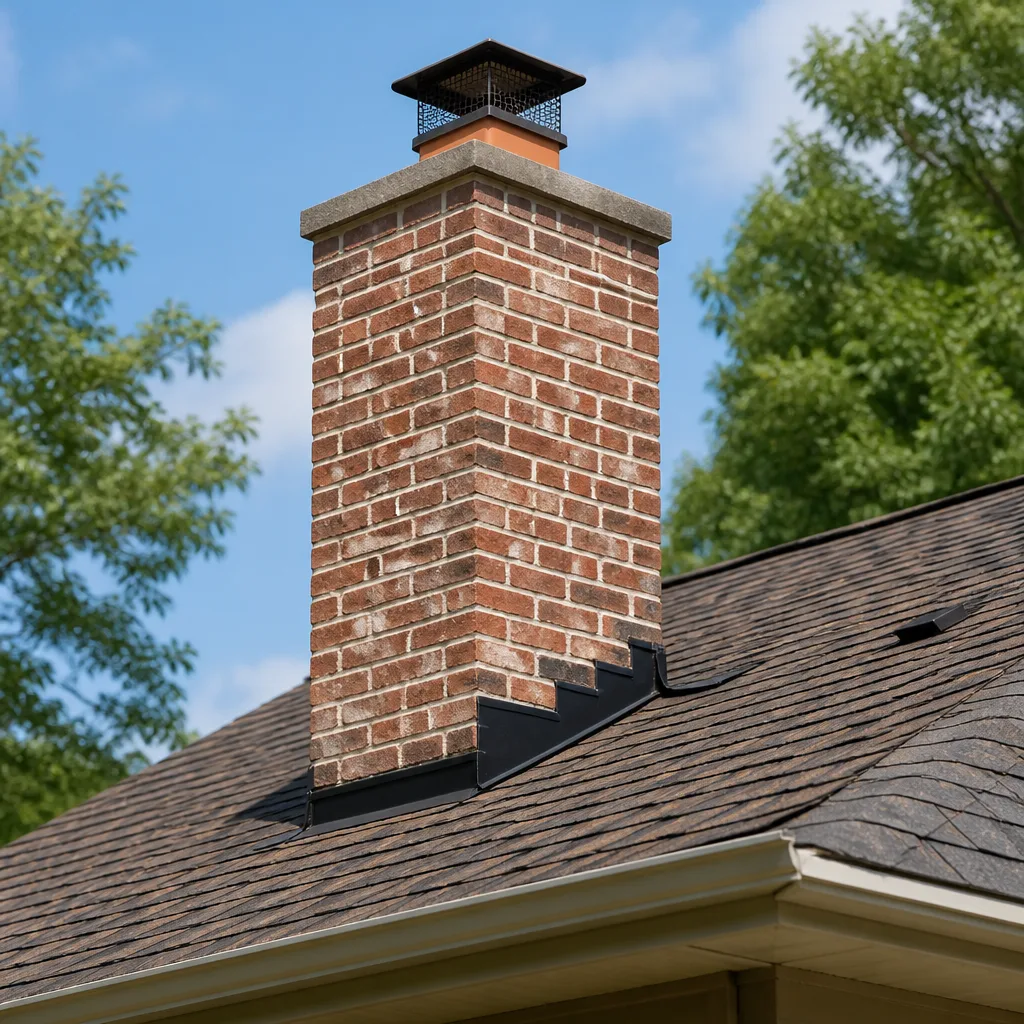 Masonry repair
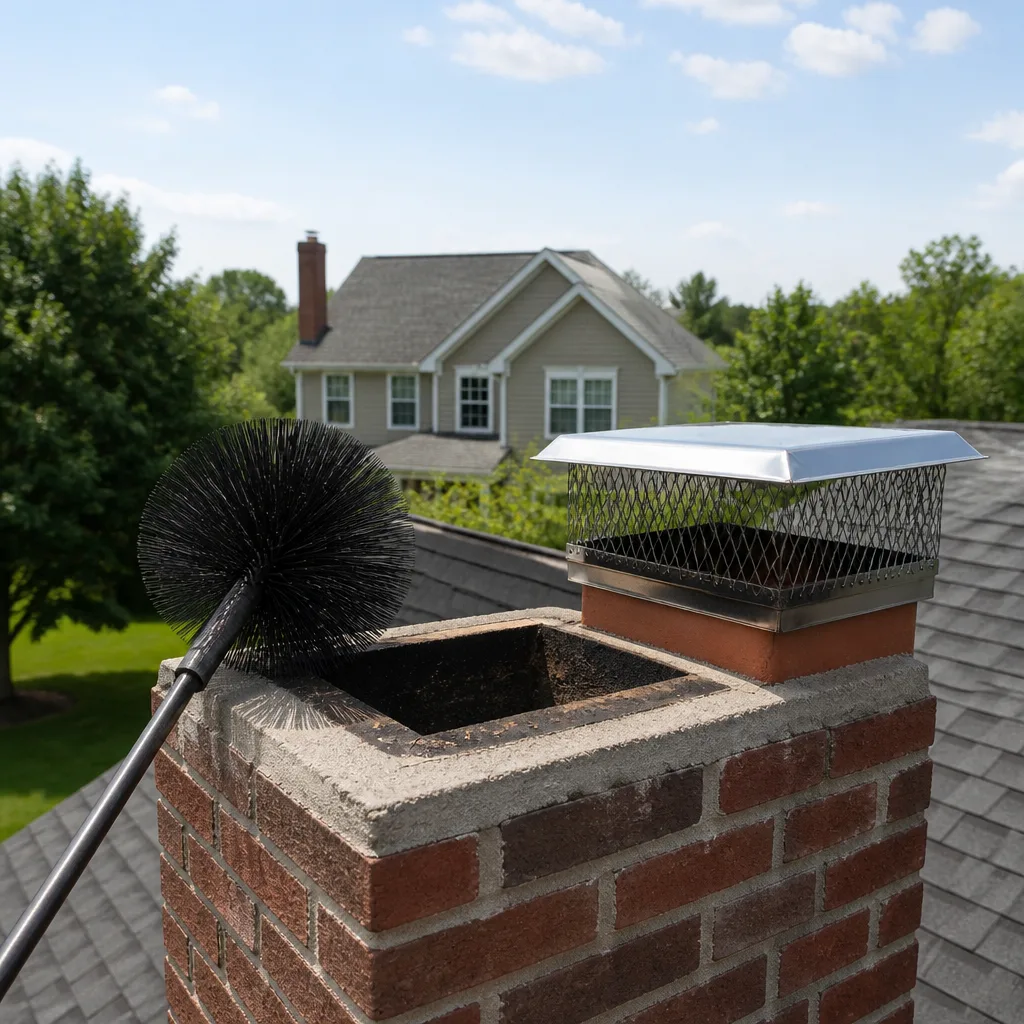 Sweep & inspection
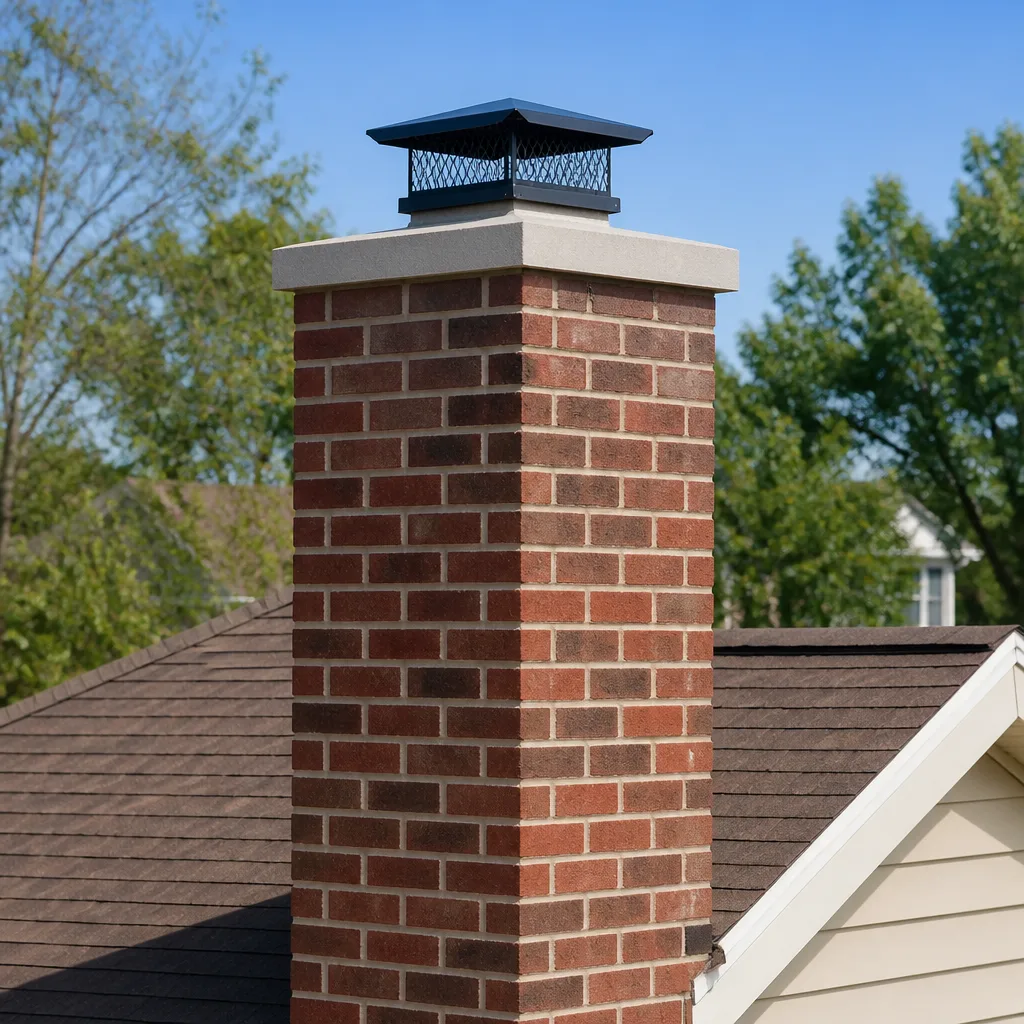 Caps & crowns
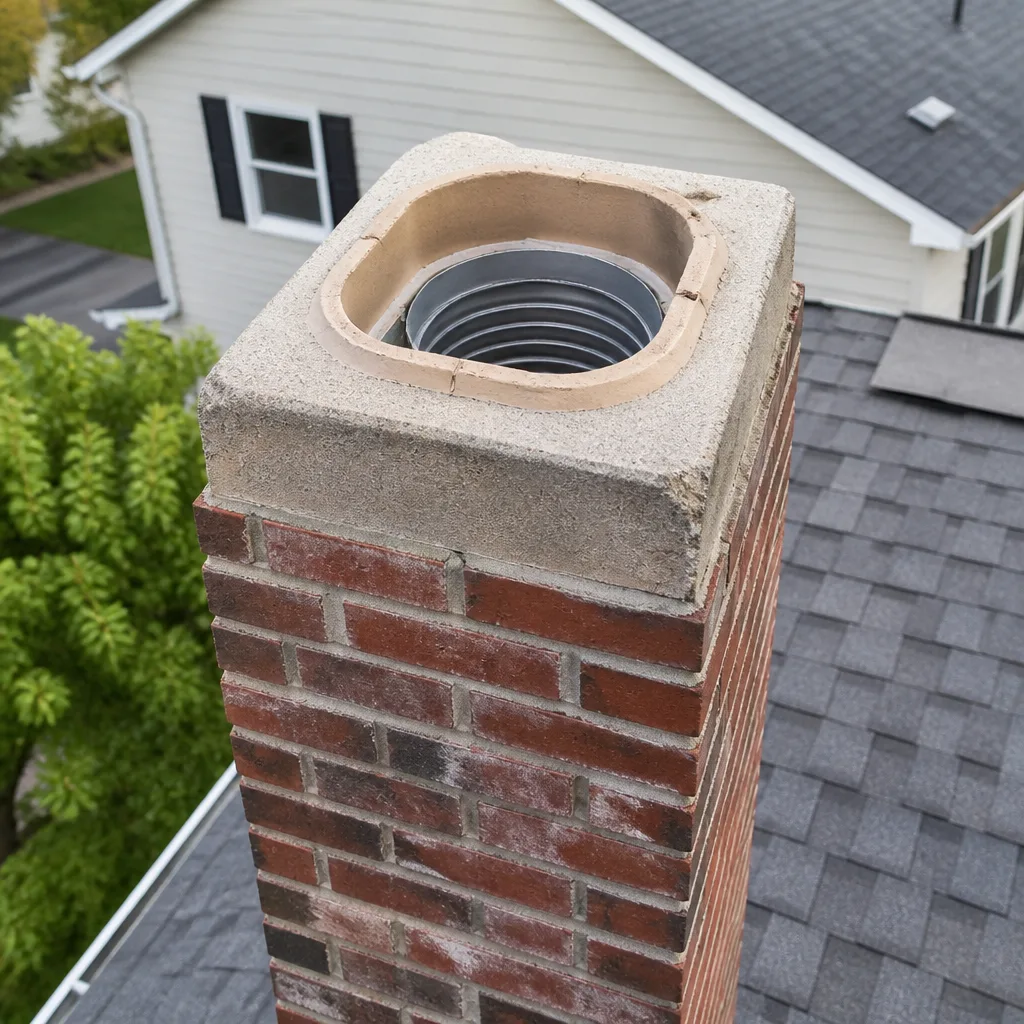 Flue relining
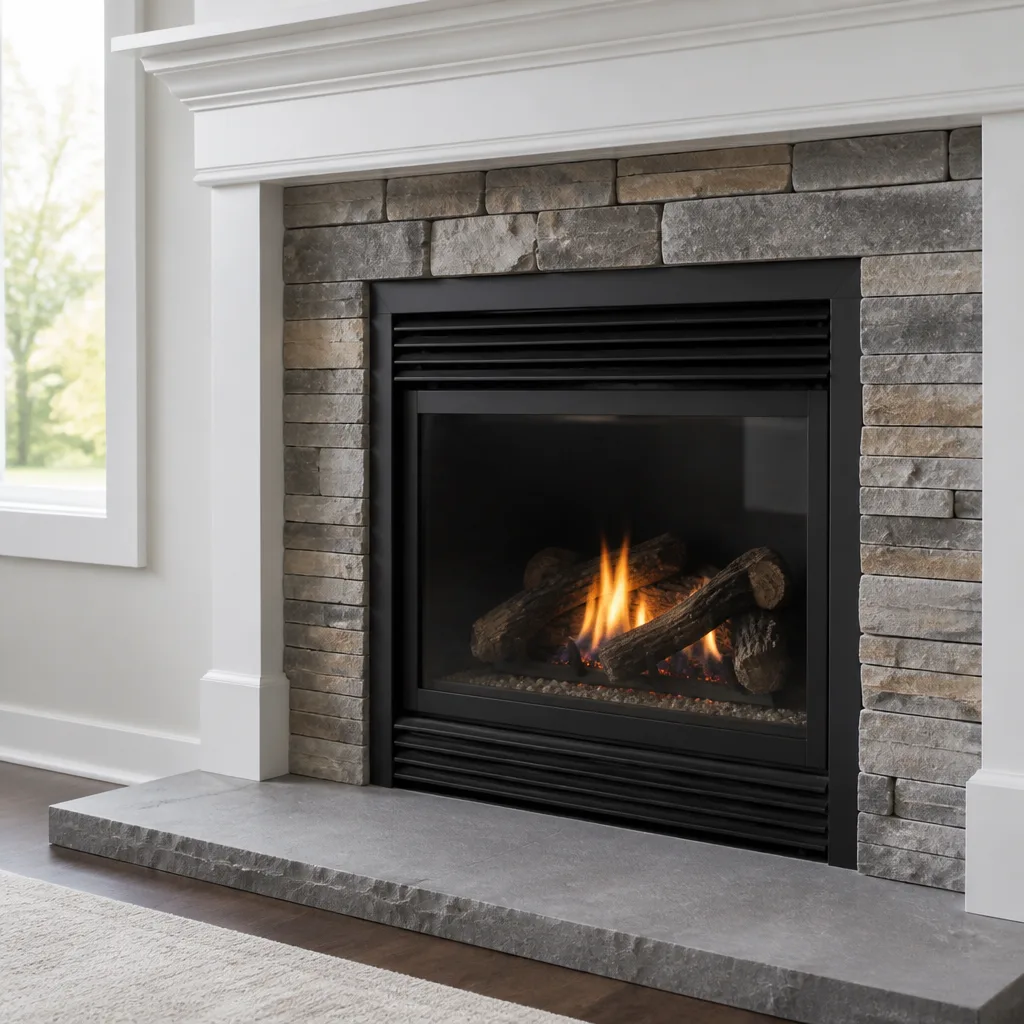 Gas fireplace service
Level 1 sweep and inspection to the NFPA 211 annual standard - flue, crown, cap, and flashing checked and photographed
Chimney sweep logs do not sweep chimneys. They loosen some creosote - which then falls where a brush and vacuum still have to collect it.
Chimney Repair Maintenance Checklist for Laredo Homeowners
Most chimney maintenance checklists were written for cold climates. They tell you to look for freeze-thaw spalling, ice dams at the crown, and hairline cracks opened by winter. In Laredo, that checklist sends you hunting for damage that rarely happens here while the problems this climate actually produces go unnoticed. South Texas heat cycling, alkaline mortar breakdown, UV exposure, dust, and long dormant seasons create their own failure patterns, and they show up in different places than a New England guide would tell you to look. This guide walks through the maintenance checklist we’ve built around what Laredo chimneys actually face, from the mortar joints down to the smoke shelf, with inspection criteria you can follow and a documentation system worth keeping.
Quick Answer
A chimney maintenance checklist for Laredo should focus on heat cycling damage, mortar joint erosion, UV degradation of the crown and cap, flue liner cracking from thermal stress, and pest or debris intrusion during the warm dormant months. Check the firebox, damper, smoke shelf, flue, crown, and cap at least once a year, and get a professional inspection annually if you burn wood regularly. Freeze-thaw damage, the focus of most generic checklists, is not the primary concern in Laredo’s climate.
Styles & brands we work with
- Sweep & inspection
- Caps & crowns
- Flue relining
- Masonry repair
- Gas fireplace service
Table of Contents
- Why Standard Chimney Checklists Miss the Mark in Laredo
- Mortar Joint Inspection: What High-Heat Cycling Does to Masonry
- Cap and Crown Check Protocol for UV and Pest Pressure
- Flue Liner Integrity: Thermal Stress Cracking, Not Freeze Damage
- Damper and Smoke Shelf: Debris, Dust, and Nesting Season
- Seasonal Timing: When to Schedule Each Check in Laredo
- Documentation You Should Keep for Insurance and Resale
- Common Mistakes to Avoid
Why Standard Chimney Checklists Miss the Mark in Laredo
Chimney guidance written for northern climates assumes water is the enemy. Freeze-thaw cycles force moisture into masonry pores, expand overnight, and crack the structure from the inside. That’s real damage, and it’s the reason so many checklists lead with frost heave and ice damming. But Laredo doesn’t run that cycle. What it runs instead is heat. Long stretches of high temperatures, intense sun on exposed masonry, and repeated heating and cooling of the firebox during burning season.
That shift changes what you’re looking for. Thermal expansion and contraction stresses mortar joints differently than freezing does. It opens joints at the firebox and smoke chamber first, where temperature swings are steepest, rather than at the exterior crown. UV exposure breaks down sealants and cap materials over years of direct sun. And the warm dormant season, when the fireplace sits unused for months, becomes a window for wasps, birds, and rodents to move into the flue and smoke shelf.
We’ve seen this on inspections across Laredo neighborhoods, from established blocks near downtown to newer construction on the north side. The chimneys that fail usually aren’t the ones that faced a hard winter. They’re the ones where heat cycling eroded mortar gradually and nobody looked until a draft problem or smoke backup forced the issue. A checklist built for this climate catches those problems earlier.
If you want the foundation explained in more detail, our guide to Chimney Sweep Laredo covers how the sweep and inspection process works from start to finish.
Mortar Joint Inspection: What High-Heat Cycling Does to Masonry
Mortar is the weakest part of a masonry chimney, and heat cycling attacks it first. Every fire expands the firebox masonry slightly; every cooldown contracts it. Over seasons, that movement opens hairline gaps at the joints. Laredo’s low humidity slows the visible erosion you’d see in wetter climates, which makes the damage easier to miss. The joints can look sound from a few feet away while the mortar has already receded several millimeters.
Here’s how to evaluate mortar joints during a visual check:
- Look at the firebox first. The joints closest to the fire see the sharpest temperature swings and usually fail first. Run a light across them at a low angle; recessed mortar casts a shadow that flat lighting hides.
- Check for receded joints, not just cracked ones. A joint that has lost depth has already weakened. Probe gently with a screwdriver handle; sound mortar resists, crumbly mortar gives.
- Look for white, chalky residue. That’s efflorescence, salts pushed to the surface as moisture moves through the masonry. It signals water is getting in somewhere, even in a dry climate.
- Inspect the smoke chamber walls. The sloped section above the damper takes heat and turbulence. Joints there erode from combustion gases, not just temperature.
- Check the exterior at the roofline. Heat from the flue radiates into the surrounding masonry. Joints just below the crown are worth a close look.
Small joint erosion can often be repointed. Deeper deterioration in the smoke chamber is where resurfacing products like HeatShield come in; they restore a smooth, sealed surface without rebuilding the masonry. We use HeatShield because it addresses exactly this failure mode: heat-stressed, eroded flue and chamber surfaces that don’t need full replacement yet.
Cap and Crown Check Protocol for UV and Pest Pressure
The crown is the concrete or masonry slab at the top of the chimney that sheds water away from the structure. The cap sits above the flue opening and keeps rain, animals, and debris out. In Laredo, both face relentless sun. UV breaks down the sealant at the crown’s edge, and over years the crown itself can develop cracks that let water into the masonry below. Meanwhile, an open or damaged cap is an invitation for birds and insects during the long warm season when the fireplace is idle.
Work through these checks each year:
- Crown surface: look for cracks wider than a hairline, crumbling edges, and separation where the crown meets the flue tile.
- Crown slope: the crown should slope away from the flue so water runs off. A flat or back-sloped crown pools water and accelerates breakdown.
- Sealant at the crown edge: UV degrades caulk and sealant faster than most homeowners expect. Check for cracking, peeling, or gaps.
- Cap condition: look for rusted or bent mesh, loose fasteners, and gaps at the cap-to-flue connection.
- Pest entry points: any opening wider than a quarter inch is a potential entry point for birds, squirrels, or wasps. Check the cap, the crown edge, and any flashing gaps.
Cap and crown work is where brands matter. Gelco and Famco caps and covers are built for sustained sun exposure and hold up better than generic hardware-store caps that rust or warp within a few seasons. If your cap is missing or damaged, replacing it is one of the least expensive ways to protect everything below it.
For full-scope repair work beyond the cap, our chimney repair page explains what’s involved.
Flue Liner Integrity: Thermal Stress Cracking, Not Freeze Damage
The flue liner is the barrier between combustion gases and the masonry structure. In cold climates, liners crack from freeze-thaw. In Laredo, they crack from thermal stress: rapid heating during a fire followed by cooling, repeated over years, opens cracks in clay tile liners and degrades the joints between tiles. The cracks are often narrow and hard to see from the firebox, which is why a proper inspection uses a camera.
What to check and what it means:
- Visible cracks in clay tile: even narrow cracks can let heat and gases reach the masonry. Any crack is worth documenting and having evaluated.
- Gaps between tile sections: tile joints are a common failure point. Look for offset tiles or missing mortar at the seams.
- Spalling or flaking on the liner surface: indicates the tile is breaking down from heat exposure.
- Corrosion on metal liners: if your chimney has a metal liner, check for rust or separation at the seams.
When a liner is compromised, the fix depends on the condition. HeatShield resurfacing can restore a liner that’s deteriorated but structurally intact, sealing cracks and smoothing the surface without tearing out the old liner. That’s a middle path most sweep-only companies can’t offer. When the liner is too far gone for resurfacing, a DuraFlex flexible liner system provides a full structural reline. The right fix depends on what the camera shows, which is why we document liner condition with photos you can see for yourself.
Any liner problem is a safety issue. Combustion gases, including carbon monoxide, can migrate through cracks into the home. Never burn in a chimney with a known liner defect; have it evaluated first.
Damper and Smoke Shelf: Debris, Dust, and Nesting Season
The damper controls airflow and the smoke shelf sits just behind it, catching whatever falls down the flue. In Laredo, that shelf collects a specific mix: dust carried on dry air, soot and creosote from burning season, and nesting material from birds and insects during the warm months. When the smoke shelf fills up, drafts get erratic and smoke can back into the room.
Check the damper and smoke shelf each year, ideally before burning season:
- Open and close the damper through its full range. It should move smoothly without binding, and it should seal reasonably well when closed.
- Look up at the smoke shelf with a flashlight. Debris, twigs, or nesting material means something has been in the flue.
- Check the damper frame for rust or warping, especially on older fireplaces.
- Clear debris you can safely reach; anything higher up needs a proper sweep.
- Note any smoke stains around the damper or firebox opening, which can indicate draft problems.
The nesting calendar matters here. In Laredo, birds and wasps are active through much of the warm season, and a chimney that’s been dormant since spring can have a fully built nest by the time you want to light a fire. A cap with good mesh prevents most of this. Olympia Chimney caps are worth considering for that reason; they’re built to stay put and keep wildlife out.
If you’d rather have the whole flue cleared and checked properly, our chimney sweep service covers the damper, smoke shelf, and flue in one visit.
Seasonal Timing: When to Schedule Each Check in Laredo
Laredo’s burning season is short compared to northern climates, which changes the maintenance calendar. The best time to schedule a sweep and inspection is before the first fire of the season, not after a problem shows up. Late summer and early fall give you time to address any repairs before you need the fireplace, and it’s after the nesting season has wound down but before burning weather begins.
A sensible annual cycle looks like this:
- Late summer: schedule a sweep and inspection. The flue gets cleaned of any debris that accumulated over the dormant months, and the inspection catches repairs before burning season.
- Early fall: complete any recommended repairs, from cap replacement to mortar repointing to liner work, so the chimney is ready to use.
- During burning season: do a quick visual check of the firebox and damper before each use. Note any smoke backdraft, unusual smells, or draft changes.
- Spring: after your last fire, do a light visual check of the cap and crown from outside. Confirm the cap is intact before the pest season begins.
Homeowners who burn frequently may need a sweep more often than once a year. A professional inspection tells you what your particular burning habits require, which is more reliable than a generic schedule.
Documentation You Should Keep for Insurance and Resale
A maintenance record is one of the most useful things you can build as a homeowner, and almost nobody does it. A documented history of sweeps, inspections, and repairs makes insurance conversations easier, supports a resale inspection, and helps whoever inspects the chimney next understand what’s been done. Keep a simple folder or digital file with these fields:
- Date of each service and what was performed (sweep, inspection, repair).
- Inspection findings including photos; keep the report from each visit.
- Repairs completed with the materials used (for example, HeatShield resurfacing or DuraFlex liner installation).
- Cap and crown replacement dates with brand noted, such as Gelco, Famco, Olympia Chimney, or Copperfield.
- Burning logs informally noting how often the fireplace was used, which helps estimate creosote buildup.
- Photos of before-and-after work for any repair, useful at resale.
When we inspect a chimney, we document findings with photos so you have a record you can keep. That matters for insurance and resale, and it also means you’re not relying on memory when a question comes up years later.
For a broader look at the Laredo service area, see our Laredo page.
Common Mistakes to Avoid
- Following a freeze-thaw checklist in a hot climate. You’ll inspect for the wrong damage and miss thermal stress cracking, which is the primary failure mode here. Build your checklist around heat cycling and UV exposure instead.
- Skipping the cap inspection because the chimney looks fine from the ground. Caps fail at the mesh and fasteners, which you can’t see from below. Get up close or have it inspected; a failed cap is how pests and water get in.
- Ignoring mortar joints until smoke shows. Recessed mortar is cheap to repoint early and expensive to fix after years of heat cycling. Check the firebox joints every year, not just when there’s a problem.
- Burning with a known liner crack. Thermal stress cracks in clay tile can let combustion gases into the masonry. Never burn until the liner has been evaluated.
- Scheduling a sweep only after the first cold snap. Laredo’s busy season fills up fast. Schedule in late summer so repairs have time before you need the fireplace.
- Forgetting the smoke shelf. Debris and nesting material collect there and cause draft problems. It should be cleared and inspected each year.
- Not keeping records. Without documentation, insurance and resale conversations get harder. Keep a file with dates, findings, and photos from each service.
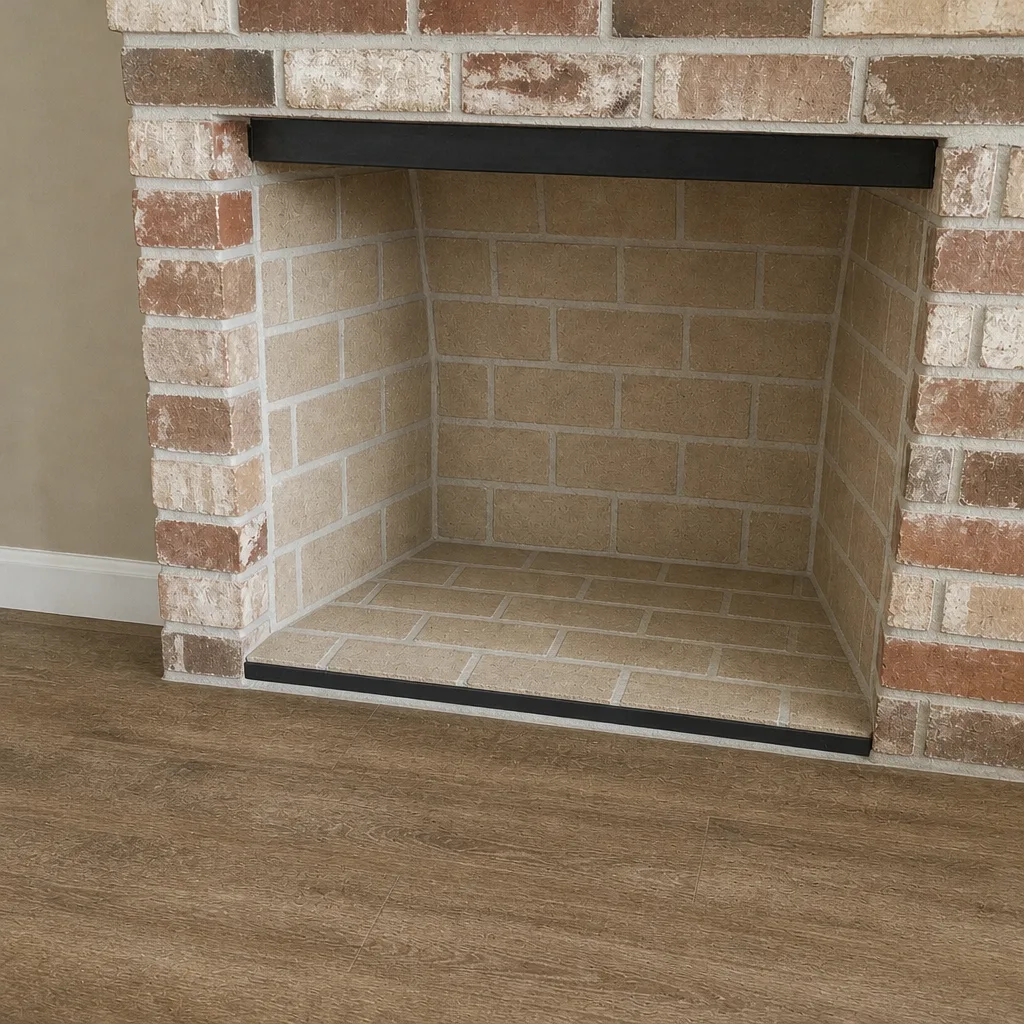
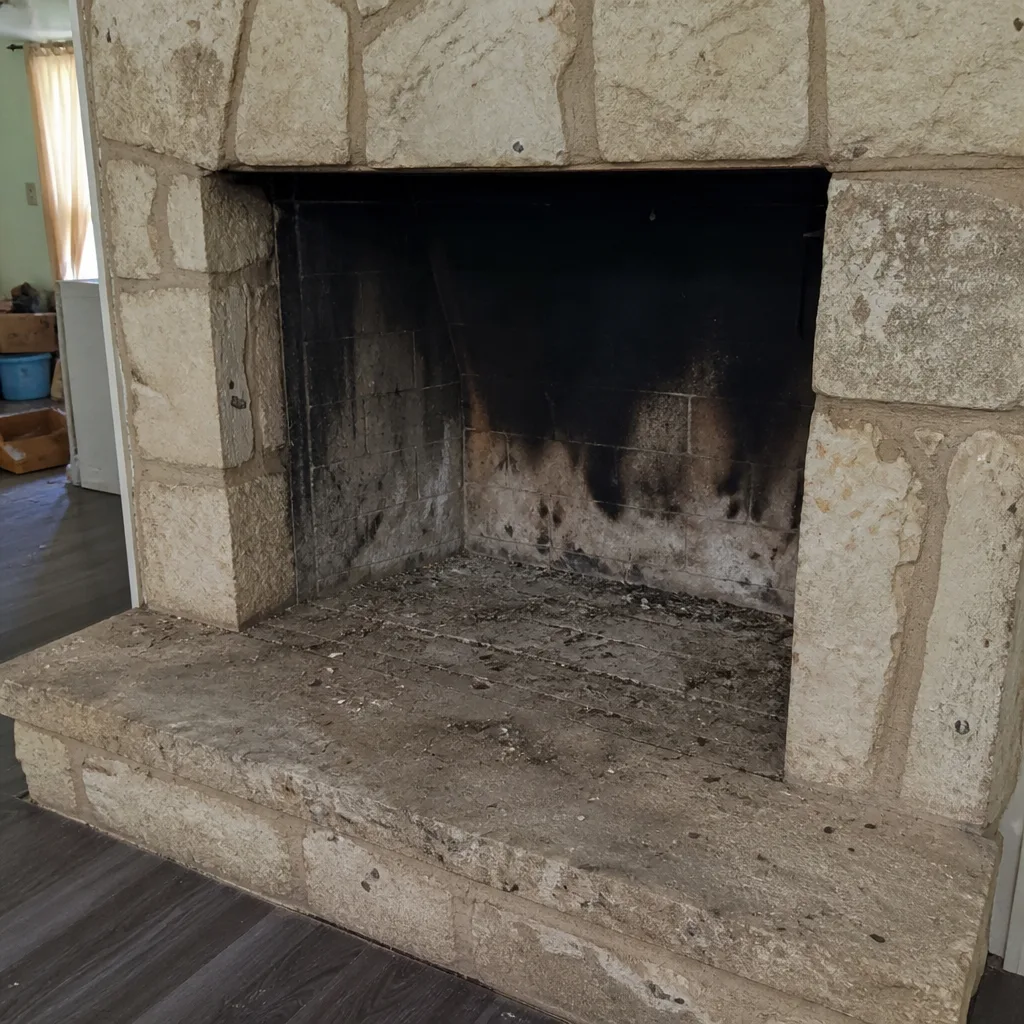
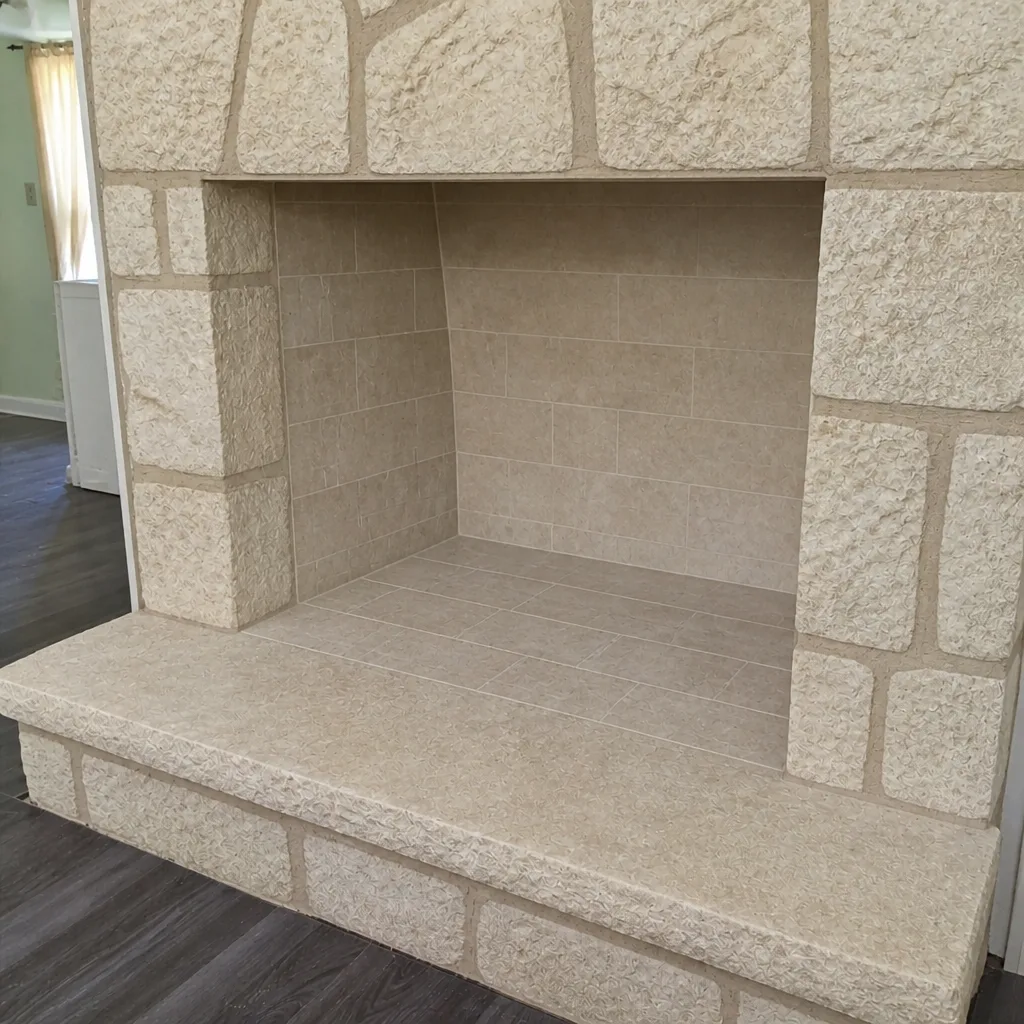
See the difference
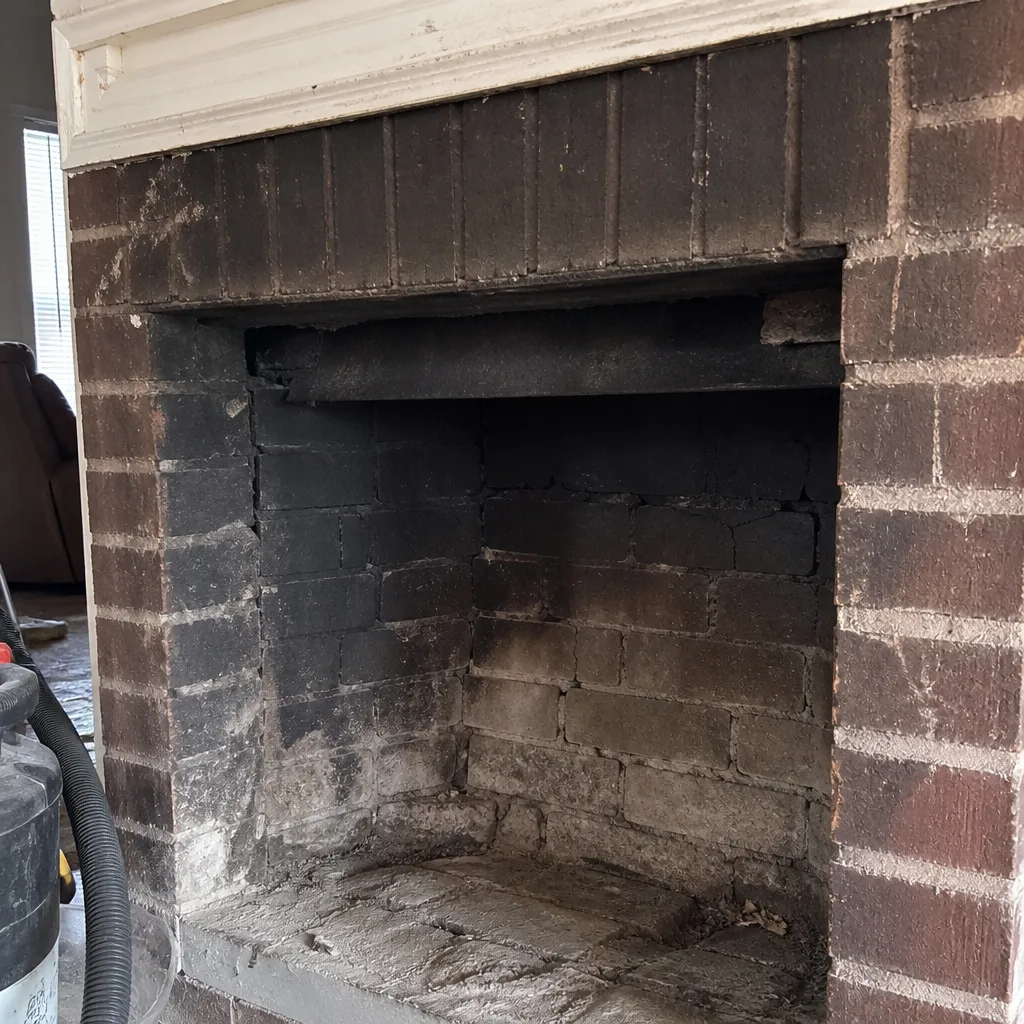 Before
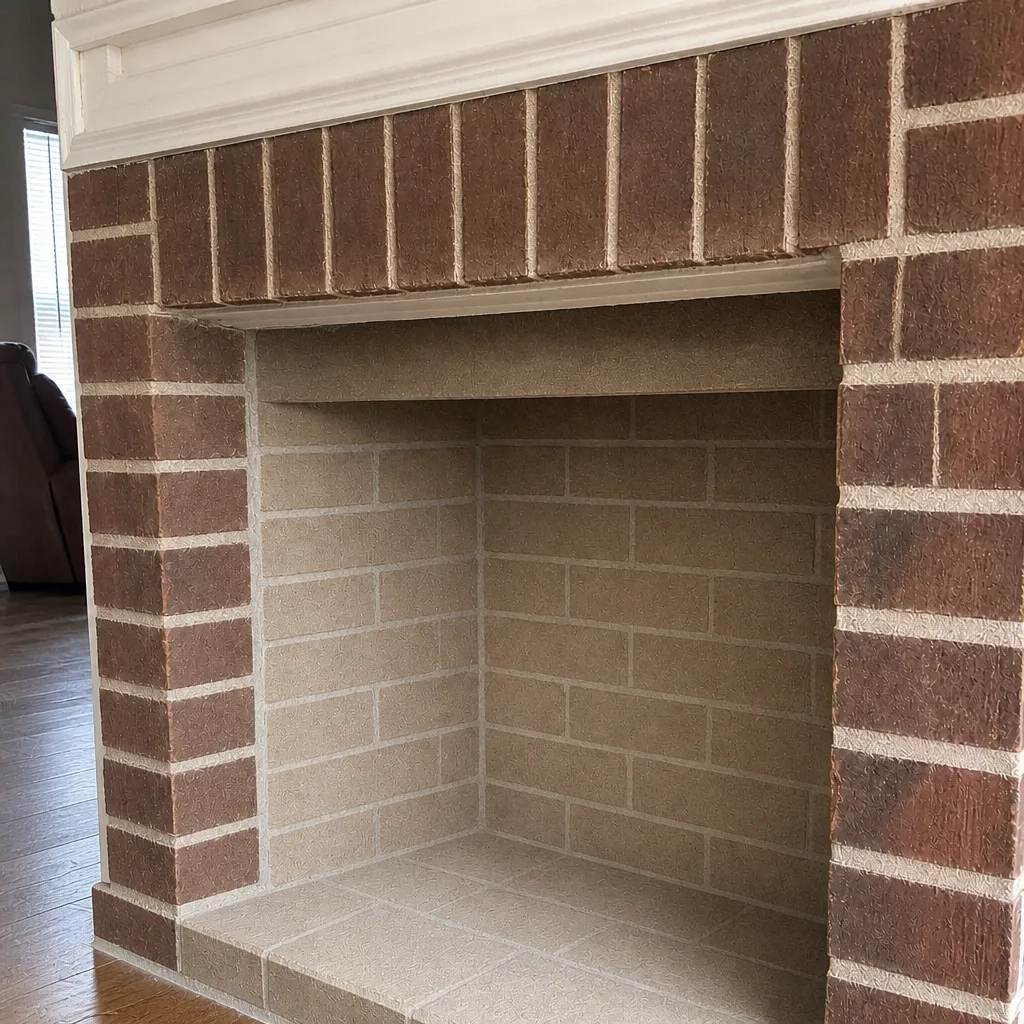 After
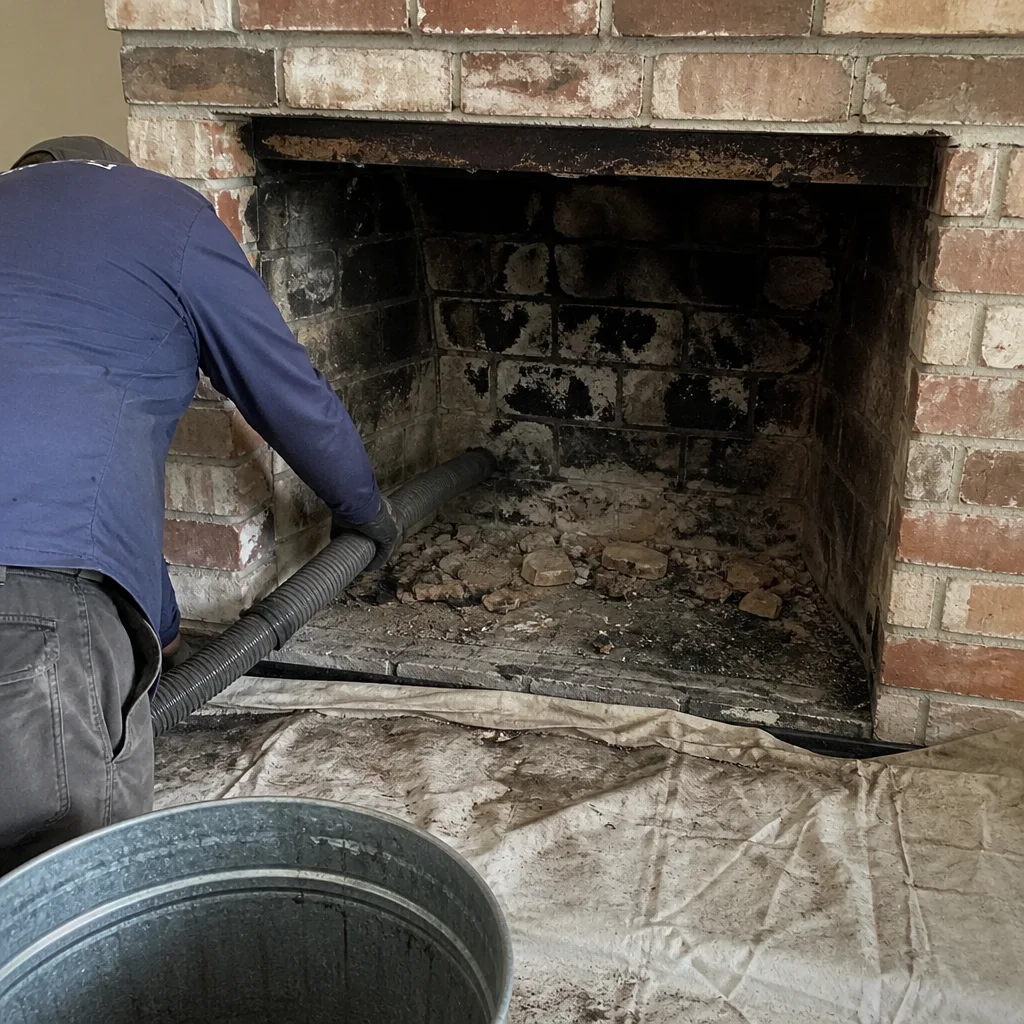 Before
 After
 Before
 After
When to Call a Professional
Some checks you can do yourself with a flashlight and a bit of care: the firebox, the damper, the visible smoke shelf, and the cap from the ground. But certain situations call for a trained professional. If you see cracked or offset flue tiles, gaps between liner sections, crumbling mortar in the smoke chamber, water stains on the masonry, a smoke smell in the house when the fireplace isn’t in use, or a draft that’s gotten noticeably worse, those need a proper evaluation. If it’s been more than a year since the last sweep, or if you’ve moved into a home and don’t know the chimney’s history, a baseline inspection is worth scheduling. Chimney Sweep Laredo offers free estimates in Laredo. Call (855) 953-4291. Our technicians have up to 14 years of experience and can sweep, inspect, and repair in a single visit, so findings don’t get handed off to a second contractor. We show you what we find.
Frequently Asked Questions
Do a light visual check of the firebox, damper, smoke shelf, and cap once a year, and schedule a professional sweep and inspection annually if you burn wood regularly. Laredo’s short burning season means the main risk is the dormant period, when pests and debris collect, so late summer is the natural time for the annual check. Call (855) 953-4291 for an exact quote; estimates are free.
No. Freeze-thaw cycling is the dominant failure mode in cold climates, but Laredo’s mild winters don’t produce it. The real concerns here are thermal expansion stress from heat cycling, alkaline mortar breakdown, UV degradation of the crown and cap, and pest intrusion during the warm dormant season. Inspecting for the wrong damage is the most common mistake we see.
It usually appears as narrow, often vertical cracks in clay tile, or as gaps and offsets at the joints between tile sections. The cracks can be hard to see from the firebox, which is why a camera inspection is worth doing. Any visible crack is worth evaluating before you burn again. Call (855) 953-4291 to schedule an inspection; estimates are free.
Sometimes. HeatShield resurfacing can restore a liner that’s deteriorated but structurally intact, sealing cracks and smoothing the surface without a full tear-out. When the liner is too far gone for resurfacing, a DuraFlex flexible liner system provides a full reline. The right choice depends on what the camera shows, and we document liner condition with photos you can review. Call (855) 953-4291 to book an inspection.
Install or repair a cap with intact mesh. Any opening wider than a quarter inch is an entry point, and Laredo’s long warm season gives pests plenty of time to move in. Check the mesh and fasteners each year, since rust and UV damage are the usual failure points. A branded cap from Gelco, Famco, or Olympia Chimney holds up better than generic hardware-store caps. Call (855) 953-4291 for a cap inspection and estimate.
Keep a file with the date and type of each service, inspection reports and photos, repair details with materials used, and cap or crown replacement dates. That documentation helps with insurance conversations and resale inspections, and it gives the next inspector a useful history. We provide photo documentation with every inspection. Call (855) 953-4291 for an exact quote; estimates are free.
The Bottom Line
A chimney maintenance checklist for Laredo has to reflect this climate’s actual failure modes, not a northern template. Focus on thermal stress in the firebox and flue, mortar joint erosion from heat cycling, UV degradation of the cap and crown, and pest intrusion during the warm dormant season. Check the firebox, damper, smoke shelf, flue, crown, and cap once a year, and get a professional inspection if you burn wood regularly or don’t know the chimney’s history. Document everything, since records pay off at insurance and resale time. We use professional-grade materials from HeatShield, DuraFlex, and Gelco, and we show you what we find.
Chimney Sweep Laredo offers three services under one roof: sweep, inspection, and repair. Whether you need a routine check or a fix for something the inspection turned up, we can handle it in a single visit. Call (855) 953-4291 for a free estimate. We answer 24/7. Fast dispatch from 7am to 7pm, Sunday through Friday.
Written by the team at Chimney Sweep Laredo.