
Last updated November 15, 2026
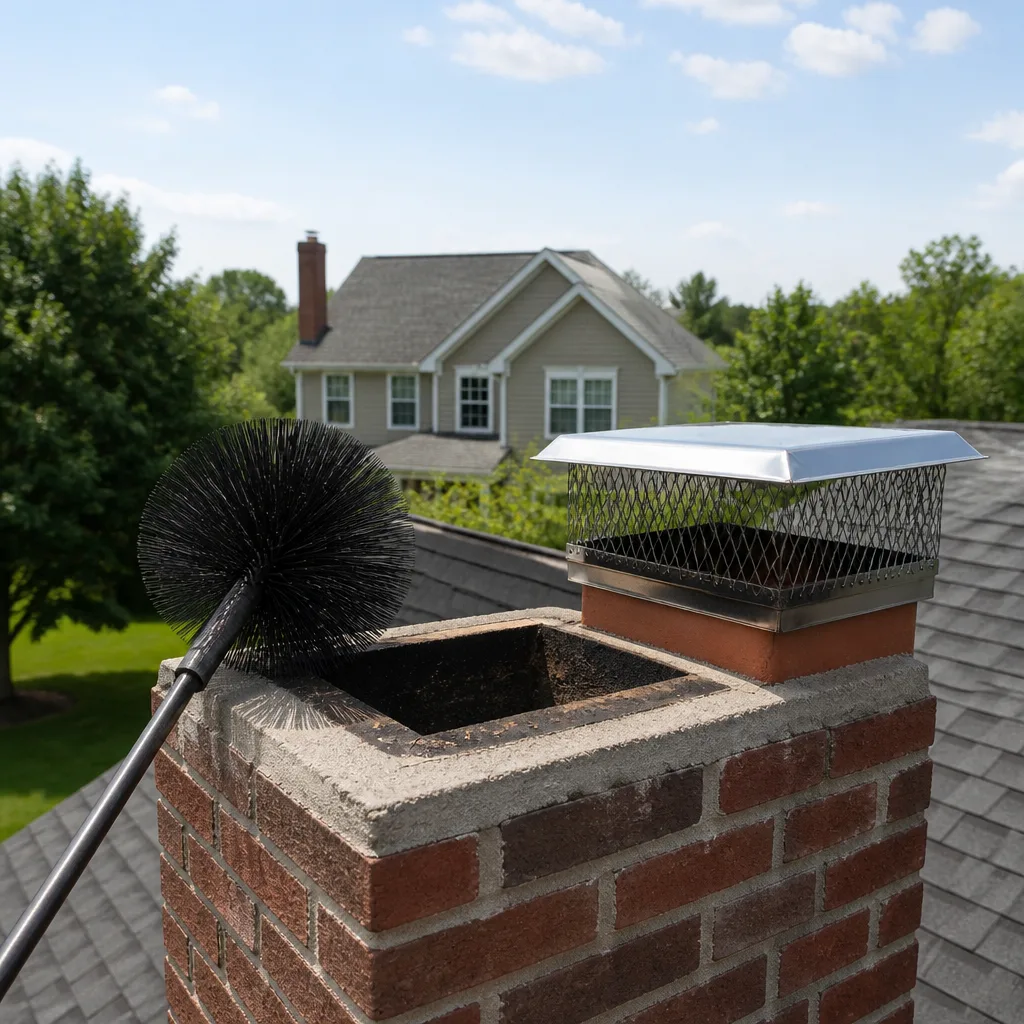 Sweep & inspection
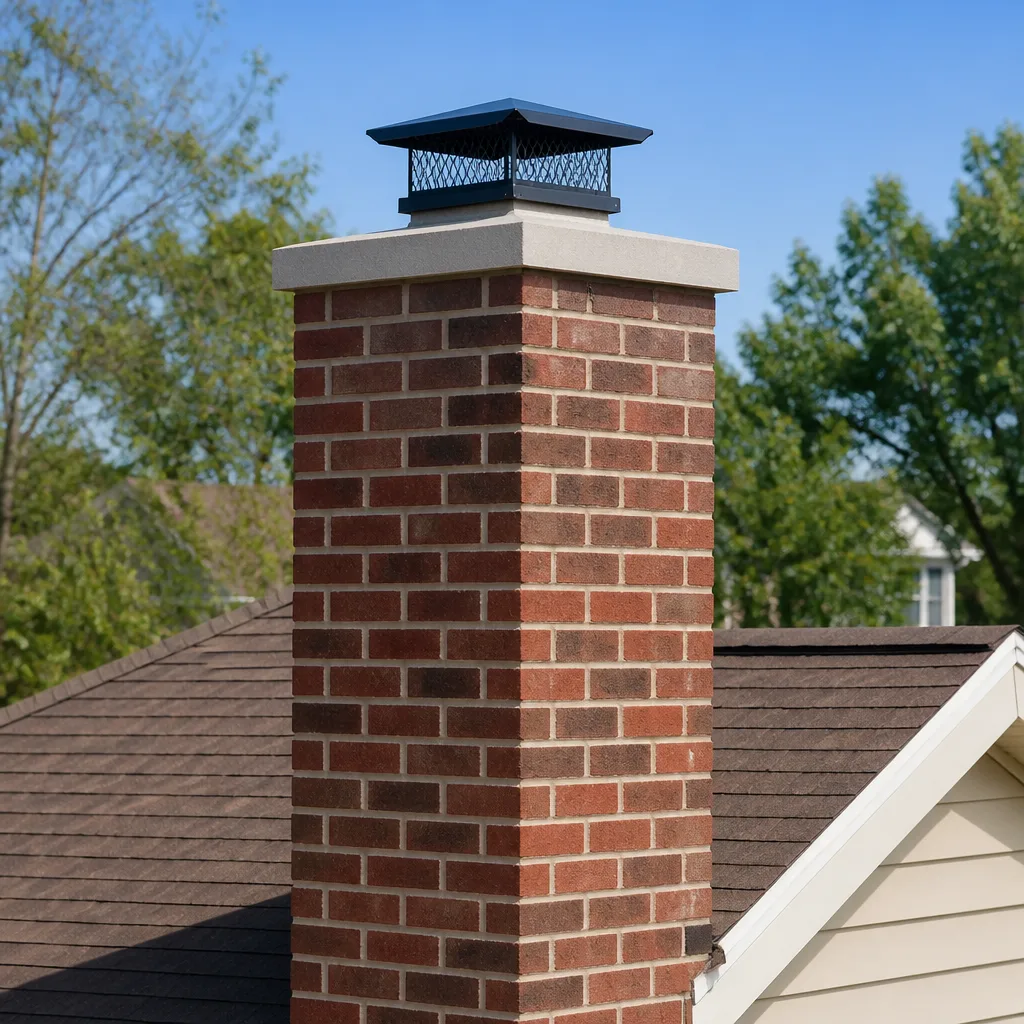 Caps & crowns
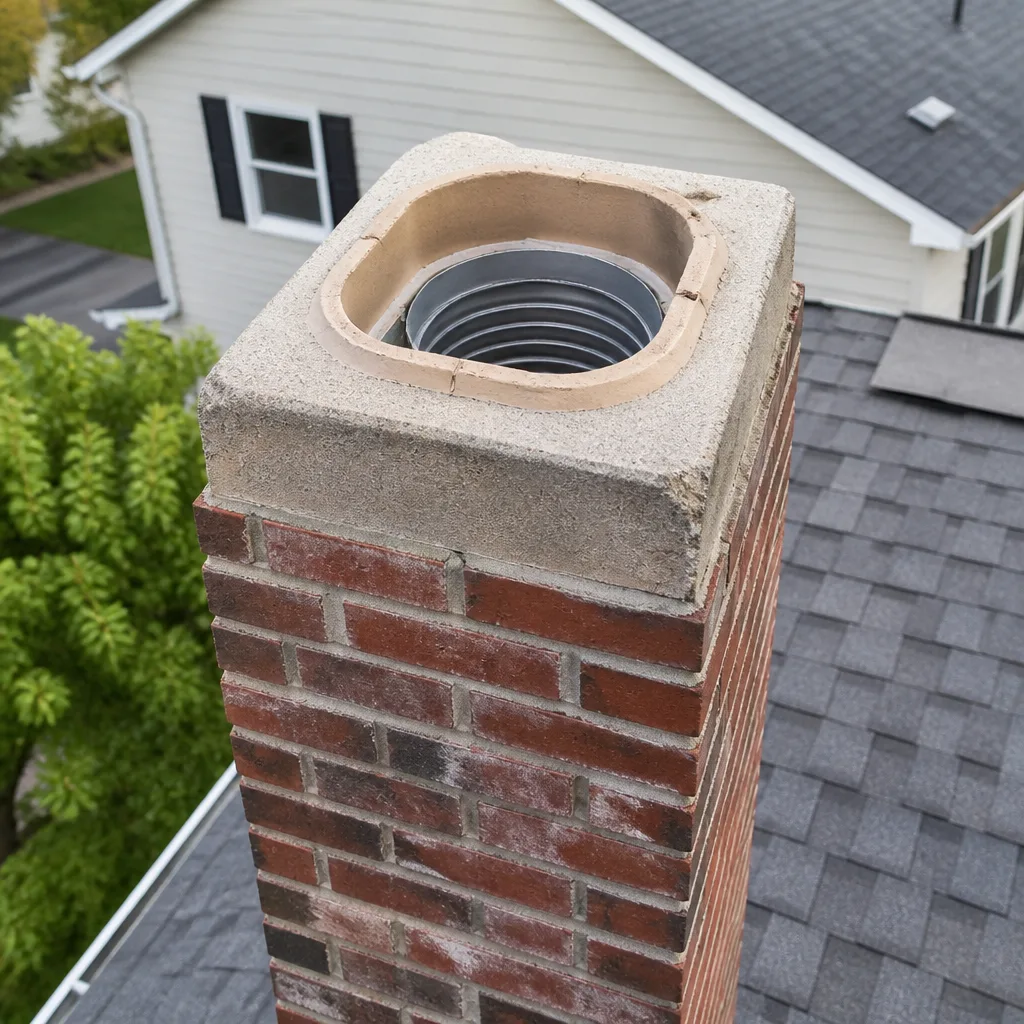 Flue relining
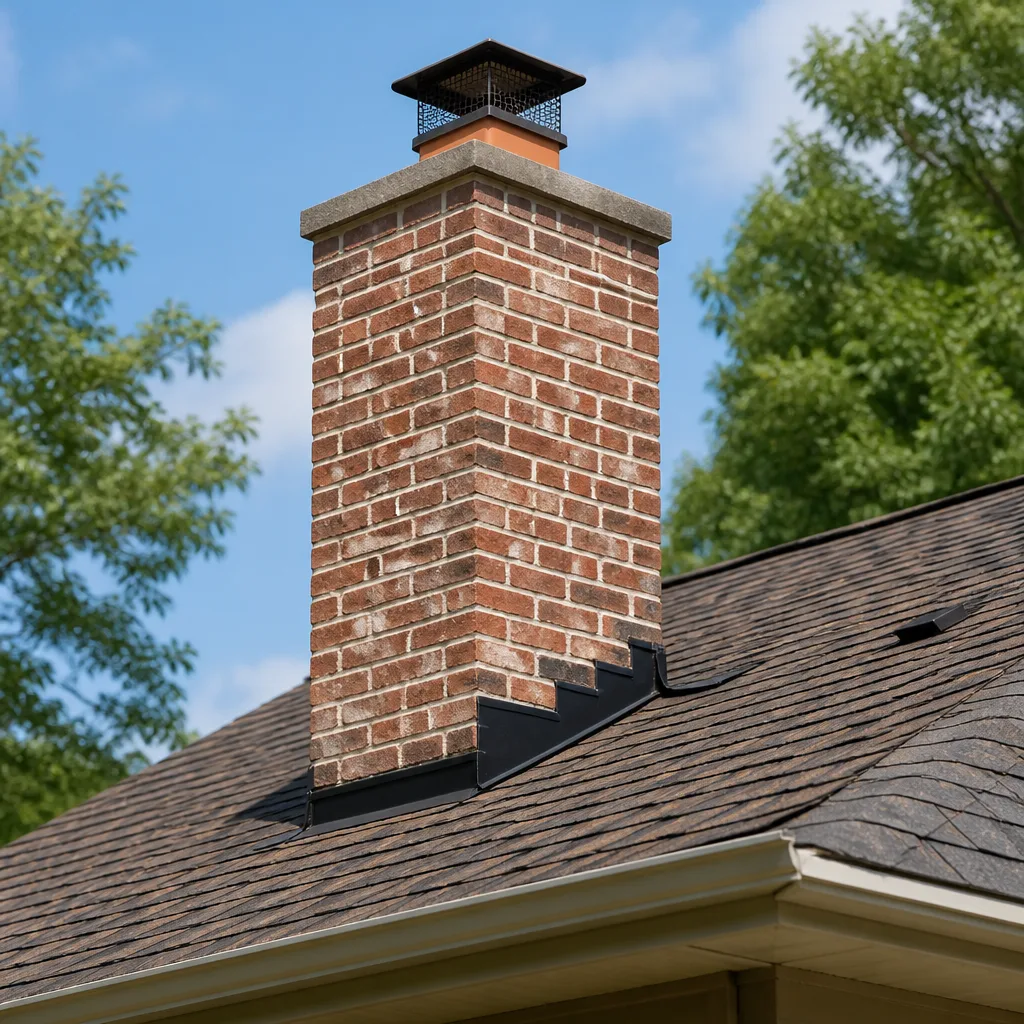 Masonry repair
 Gas fireplace service
Level 1 sweep and inspection to the NFPA 211 annual standard - flue, crown, cap, and flashing checked and photographed
Chimney sweep logs do not sweep chimneys. They loosen some creosote - which then falls where a brush and vacuum still have to collect it.
Chimney Cleaning Permits, Codes & Inspections in Laredo, TX: What You Need to Know
Here’s the counterintuitive part most Laredo homeowners never hear until it costs them: the chimney sweep itself almost never needs a permit, but the inspection that comes with it routinely uncovers repairs that do. That gap between “cleaning” and “construction” is where money, insurance coverage, and home sales quietly go sideways. A swept flue with a cracked liner is still a swept flue, and the paperwork trail matters long after the brush leaves the roof. This guide walks through where the permit line actually sits in Laredo, when a Level II inspection stops being optional, what a Webb County contractor owes you after structural work, and how past non-compliant repairs surface during a real estate transaction.
Quick Answer
Routine chimney cleaning in Laredo generally does not require a permit. Structural work on the chimney – liner replacement, firebox rebuilding, crown repair, or relining – typically does require a permit from the City of Laredo building department, and the work must meet NFPA 211 and Texas State Fire Marshal standards. A Level II inspection becomes mandatory when a repair is planned, when a property changes hands, or after a chimney fire or other damage event. The permit obligation falls on whoever performs the structural work, and any code-compliant contractor should be able to show you the permit and the inspection documentation when the job closes.
Styles & brands we work with
- Sweep & inspection
- Caps & crowns
- Flue relining
- Masonry repair
- Gas fireplace service
Table of Contents
- Where the Permit Line Sits in Laredo
- NFPA 211 and the Texas State Fire Marshal Rules That Govern Chimney Work
- When a Level II Inspection Becomes Mandatory
- How Unpermitted Repairs Affect Insurance After a Chimney Fire
- The Documentation a Code-Compliant Contractor Should Hand You
- Real Estate Transactions: What Buyers’ Inspectors Look For
- How to Verify a Contractor’s Code Standing in Laredo
- Timing Your Sweep, Inspection, and Repairs Around the Laredo Season
Where the Permit Line Sits in Laredo
The permit question splits cleanly at the firebox. Cleaning the flue, brushing the smoke chamber, and removing creosote are maintenance, and maintenance does not require a city permit anywhere in Laredo. The moment the work touches the structure – the flue liner, the firebox masonry, the damper assembly, the crown, or the chimney chase itself – it becomes construction, and construction is where the City of Laredo building department enters the picture.
What that means in practice, for the repairs we see most often in Laredo homes:
- Firebox mortar repairs: Repointing loose joints in the firebox is typically treated as a repair rather than new construction, but any refacing or rebuild of the firebox floor or walls crosses into permit territory. When in doubt, ask the building department directly – a two-minute phone call settles it.
- Flue liner replacement: A full liner swap is structural and almost always requires a permit. This is the job where skipping the permit creates the most downstream trouble.
- HeatShield resurfacing: Resurfacing a deteriorating liner instead of replacing it is repair work on the existing liner. Whether the local authority wants a permit depends on the scope, so confirm before work begins.
- Crown and chase work: Rebuilding a cracked crown or repairing the chimney exterior is masonry work and typically requires a permit.
- Cap installation: Mounting a Gelco or Famco cap is finishing work and generally does not require a permit.
The rule we give homeowners is simple: if a saw, a chisel, or new masonry material is involved, assume a permit may be required and ask. If it involves scrubbing, vacuuming, or mounting a cap, it likely does not. Anything in between, ask.
NFPA 211 and the Texas State Fire Marshal Rules That Govern Chimney Work
NFPA 211 is the national standard for chimneys, fireplaces, vents, and solid fuel appliances, and it’s the reference most local codes – including Laredo’s – are built on. The Texas State Fire Marshal’s office enforces fire code provisions that touch chimneys in commercial and multi-family buildings especially, and the same NFPA 211 language filters down to the residential inspectors who review permit applications for private homes.
The provisions that matter most for Laredo homeowners:
- Chimney clearance and separation. NFPA 211 requires specific clearances between the chimney structure and combustibles. A chimney built too close to framing is a code problem regardless of whether it’s been burning safely for years. Inspectors look at this during a Level II evaluation.
- Liner integrity. A flue must have a continuous, sound liner appropriate to the appliance. A cracked clay tile liner or a deteriorated original liner fails this standard, and a repair that doesn’t address it is not a code-compliant repair.
- Creosote level. NFPA 211 calls for sweeping when the creosote layer reaches a certain thickness. That threshold is one reason the annual sweep exists as a code-driven schedule rather than an optional maintenance habit.
- Proper termination height. The chimney must terminate at the correct height above the roofline. Short chimneys from older construction sometimes fail this in Laredo, particularly on additions.
- Cap and spark arrestor. A cap is not strictly a code mandate in every case, but a missing cap lets water and debris into a flue and accelerates the liner deterioration that triggers all of the above.
None of these provisions are Laredo-specific quirks. They are the base layer of code that applies to every chimney, and they’re what an inspector will be evaluating when a permit gets pulled. If you’re planning a repair, this is also where chimney repair work begins – with a clear understanding of what the standard actually requires before the first brick is touched.
When a Level II Inspection Becomes Mandatory
The three inspection levels come out of NFPA 211, and the one homeowners ask about most is Level II, because it’s the one that crosses from routine into required. A Level II inspection is a full evaluation of the accessible portions of the chimney, including the flue interior via video camera. It’s the inspection that produces documentation, not just a verbal assessment.
Level II is triggered in these situations:
- A repair or relining job is planned. Before any structural work, the contractor owes you a Level II so the scope of the repair is based on what’s inside the flue, not what’s visible from the firebox.
- A property is being sold or transferred. Real estate transactions trigger a Level II because it establishes the chimney’s condition at the point of sale. This is the single most common reason we’re called out for one in Laredo.
- After a chimney fire. Even a small chimney fire can crack liners and distort metal flues. A Level II is how you find out what actually happened inside.
- After an earthquake, structural change, or damage event. Any event that could have shifted the chimney or its liner calls for a Level II.
- A change of appliance. Switching from wood to gas, or installing a new insert, changes the venting requirements and triggers a Level II evaluation of whether the existing flue is suitable.
A Level I inspection is what comes with a routine chimney sweep – a visual check of the accessible portions. That’s the right scope for an annual maintenance visit on a chimney with no known problems. It is not the right scope when money is about to be spent on repairs, or when a house is about to change hands.
How Unpermitted Repairs Affect Insurance After a Chimney Fire
This is where the permit question stops being administrative and becomes financial. When a chimney fire damages a home, the insurance adjuster will pull the file on any past chimney work. Unpermitted structural work becomes a coverage question: the insurer can argue that a non-compliant repair contributed to the loss, and that argument can delay, reduce, or deny a claim.
In our experience, the damage pattern is consistent:
- A homeowner has liner work done without a permit and without documentation.
- The liner fails or a chimney fire occurs years later.
- The insurer asks for proof the liner installation met code.
- There is no permit record and no inspection report to produce.
- The claim outcome shifts from “covered” to “under review” and sometimes to “denied.”
The fix is straightforward: any structural chimney work in Laredo should leave a permit trail and an inspection report behind. A HeatShield resurfacing job, a DuraFlex liner install, a firebox rebuild – each one should generate paperwork you keep with your homeowner file. When you can hand an adjuster a permit and a close-out inspection, the coverage conversation gets much shorter.
It’s also worth saying plainly: a chimney fire that starts because of a neglected liner is a loss no policy covers cheerfully. The preventive angle is the annual sweep and inspection, and that’s the whole reason a routine clean matters even when nothing appears wrong. If you want a straightforward assessment before something goes wrong, that’s the conversation to have now rather than after.
The Documentation a Code-Compliant Contractor Should Hand You
After structural chimney work in Webb County, a code-compliant contractor should be able to produce a specific set of documents. If your contractor can’t or won’t, that’s a signal.
- The permit and inspection record. Whatever the City of Laredo building department issued and whatever the inspection signed off on. Ask for a copy, not a verbal confirmation.
- A written scope of work. What was replaced, what was repaired, what materials were used. For a liner job, this should name the product – if it’s a DuraFlex liner install, the paperwork should say so.
- Photographic documentation of the before and after. A camera inspection of the flue before the work, and photos of the completed repair. This is the evidence that survives a real estate transaction or an insurance claim.
- A written statement that the work meets NFPA 211. Not a marketing claim – a specific statement that the repair brings the chimney into compliance with the standard.
- A close-out inspection report. After structural work is complete, a final evaluation confirming the chimney is safe to use.
We show our customers what we find inside the flue – that’s not a marketing line, it’s the operating principle. If a contractor hands you a bill and no documentation, ask for it. The paperwork is part of the job.
Real Estate Transactions: What Buyers’ Inspectors Look For
If a house in Laredo is on the market, the chimney becomes a transaction item. Buyers’ home inspectors look at a specific set of things, and the chimney is one of the most common sources of negotiation.
The triggers a buyer’s inspector will flag:
- A missing cap or damaged crown. Visible from the ground and easy to flag. A missing cap is a weatherproofing failure that suggests the flue interior has been taking on water.
- Efflorescence or water staining on the exterior. Indicates moisture penetration that may have damaged the liner behind the masonry.
- Liner cracks visible in the firebox. Even a partial view of a deteriorated clay tile liner triggers a Level II recommendation.
- No documented maintenance. A homeowner who can’t produce a recent sweep record raises the question of how the chimney has been treated.
- Signs of a past fire. Creosote glaze, heat discoloration, or a firebox with visible damage will be flagged and a Level II recommended.
Meanwhile, past non-compliant work surfaces in one of three ways: a permit record that shows work was never closed out, visual evidence that a liner was replaced with a material that doesn’t match the flue, or the buyer’s inspector noticing a firebox rebuild with mismatched brick or mortar. Any of these can stall a closing or push the seller into a concession. Pulling a permit and keeping the inspection record is the cheapest insurance against a last-minute negotiation.
If you’re buying a home in Laredo, we’ll tell you what the flue actually needs. Call (855) 953-4291. We answer 24/7. Fast dispatch from 7am to 7pm, Sunday through Friday.
How to Verify a Contractor’s Code Standing in Laredo
Before any structural repair, verify the contractor. The verification is not complicated, and it’s worth doing.
- Ask for a permit. A code-compliant contractor in Laredo will pull the permit for structural work without being asked. Ask anyway. “Will you be pulling a permit for this?” is a clean test.
- Ask for the license or registration. The State of Texas requires certain classes of work to be performed by licensed or registered tradespeople. Ask what applies to your job and confirm it.
- Ask for the insurance certificate. Any contractor doing structural work on your home should carry general liability coverage. Ask for the certificate and confirm the coverage is current.
- Ask which products they’re working with. A chimney specialist will name specific brands – DuraFlex, HeatShield, Copperfield, Gelco are the ones we work with – and explain why a given product fits your chimney’s condition. A generic “we use quality materials” answer tells you nothing.
- Ask for the close-out inspection. Confirm in writing, before work starts, that the contractor will provide a final inspection report after the structural work is complete.
The verification takes ten minutes and it protects a five-figure repair. Nobody regrets asking. Plenty of Laredo homeowners regret not asking.
Timing Your Sweep, Inspection, and Repairs Around the Laredo Season
Laredo’s fireplace season is short. Winters here are mild, which means the chimney sits idle for most of the year and then gets used in a concentrated window. That pattern has a specific code consequence: a chimney that’s been unused since last season can develop liner cracks, cap damage, or animal intrusion during the off-months, and it won’t show until the first fire.
The sensible schedule:
- Late summer or early fall: book the annual sweep and Level I inspection. This is before the burning season starts, when the flue is still accessible and any repair needed can be scheduled without urgency.
- If the inspection turns up structural problems: book the Level II and pull the permit before the season starts. Liner repair or relining on a chimney you intend to burn is not work to defer into the season.
- Spring: if the chimney was heavily used over the winter, a spring sweep clears the creosote load before it sits for months. Creosote left in the flue over the long Laredo summer is creosote that hardens and requires more aggressive removal next fall.
The urgency here is seasonal, not hourly. A sweep is booked, and the right time to book is before the burn season opens. That’s a different kind of urgency than an emergency call, but it’s the one that keeps repair costs low and the code picture clean.
Common Mistakes to Avoid
- Assuming a sweep covers the inspection requirement. A routine sweep includes a Level I inspection, but buying a home or planning a repair needs a Level II. Ask for the specific level of inspection in writing, not just “a sweep and a check.”
- Letting a handyman touch the liner. Liner work is structural, code-regulated, and requires a permit. The right person for it is a chimney specialist, not a general handyman picking up weekend work in Laredo.
- Skipping the permit to save time. The permit is the record that survives a home sale and an insurance claim. Ten weeks of convenience is not worth the exposure at closing.
- Using “I’ll deal with it after the season” as a plan for a cracked liner. A damaged liner doesn’t fix itself across a mild Laredo winter. It degrades further. Deal with it in the off-season when the schedule allows.
- Not keeping the documentation. Permit, close-out inspection, before-and-after photos – file them with the house papers. If you sell in five years, having them is worth real money at the negotiation table.
- Confusing “it looks fine from the firebox” with “it is fine.” The most common liner problem in older Laredo homes is a hairline crack visible only to a camera, not to the eye from below.
- Choosing a contractor with one brand and a generic pitch. Chimneys vary, and the right liner or resurfacing product depends on the chimney’s condition. A contractor who only has one product will sell you that product.
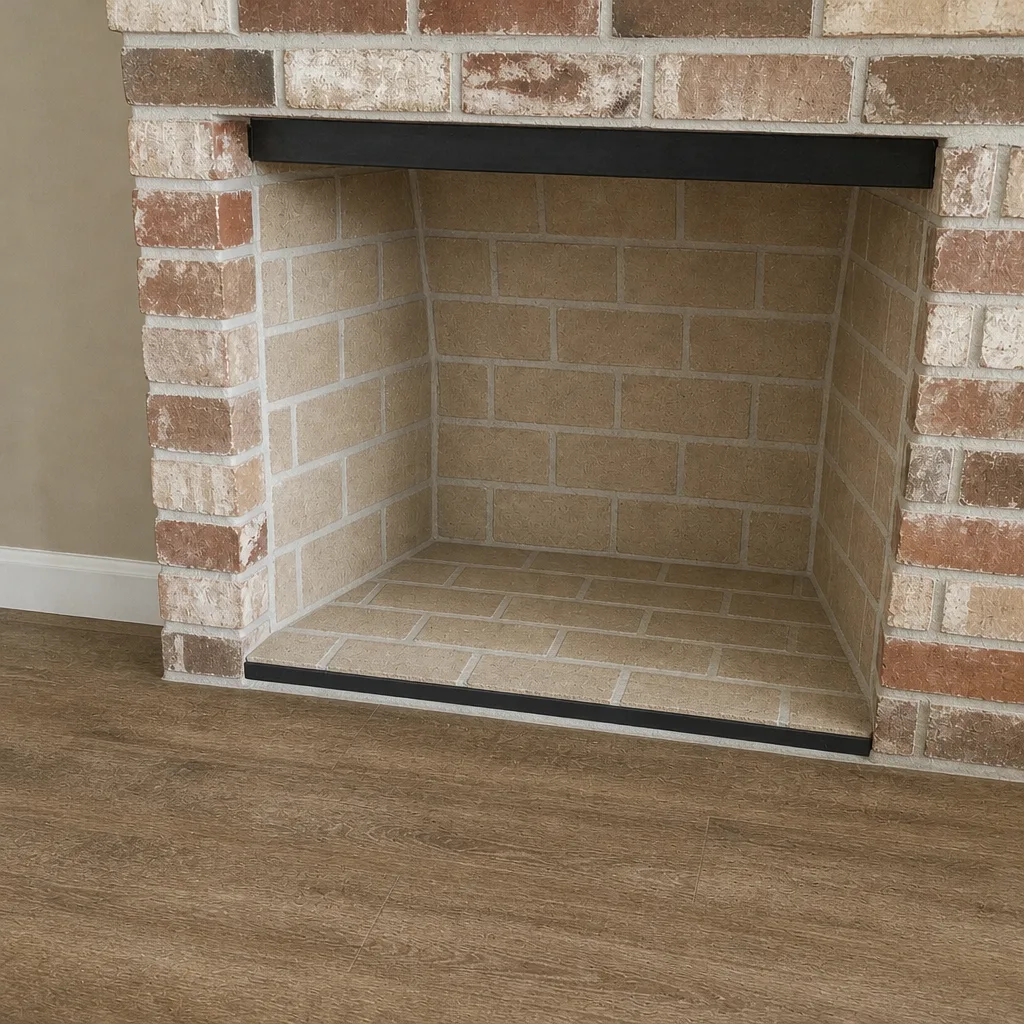
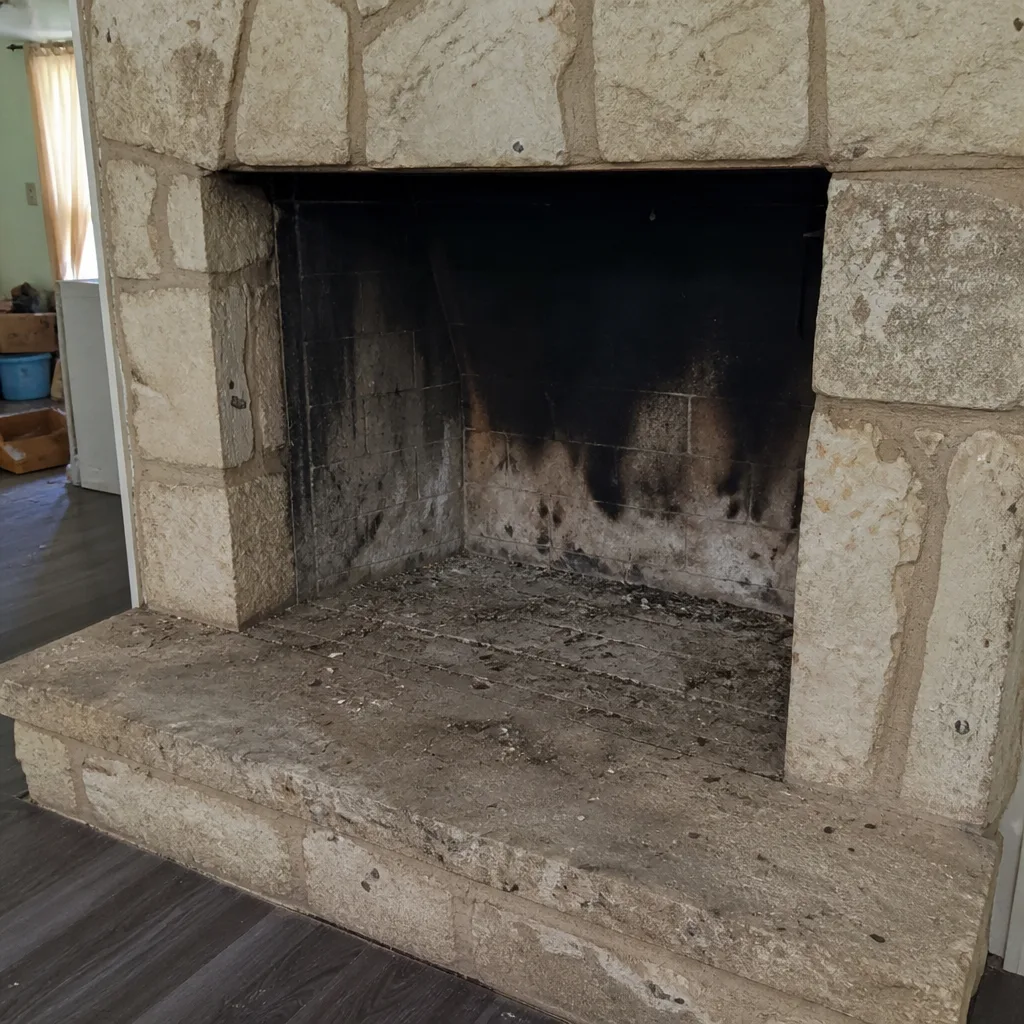
See the difference
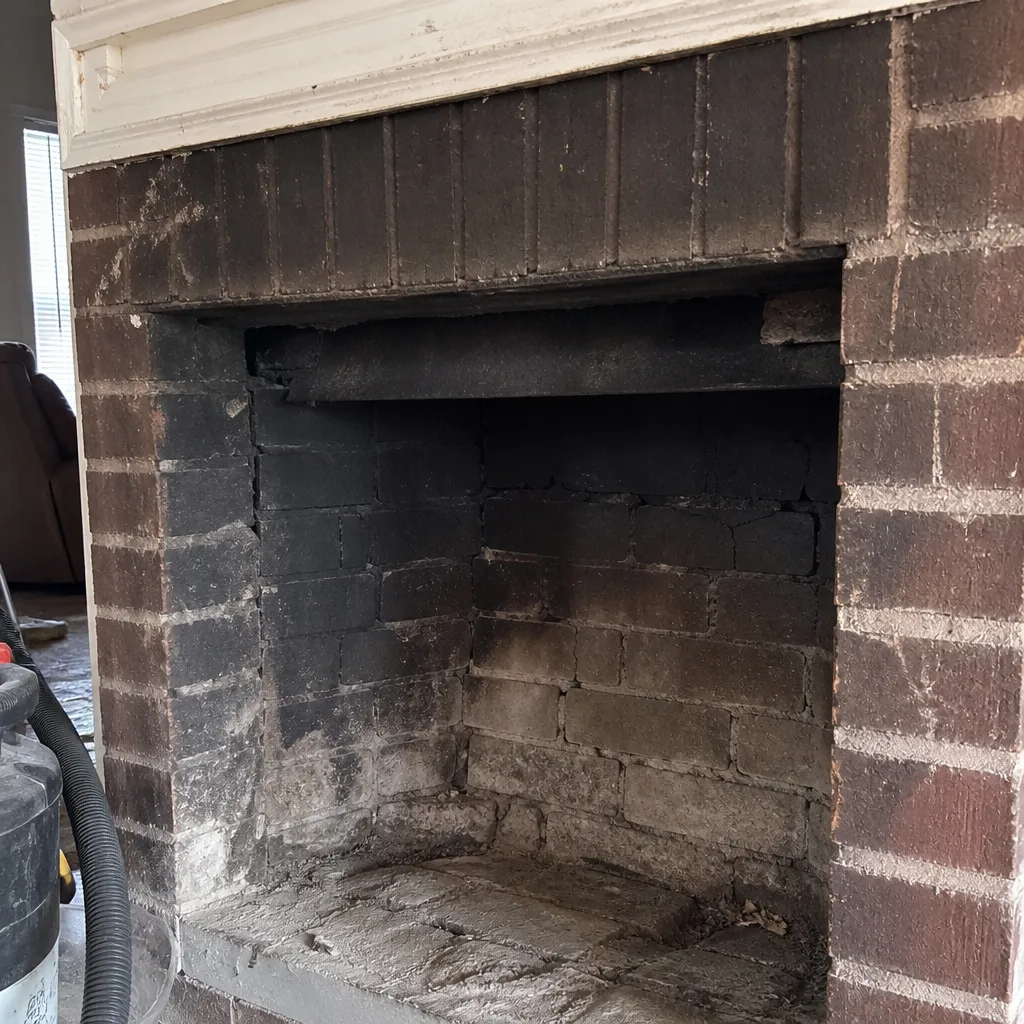 Before
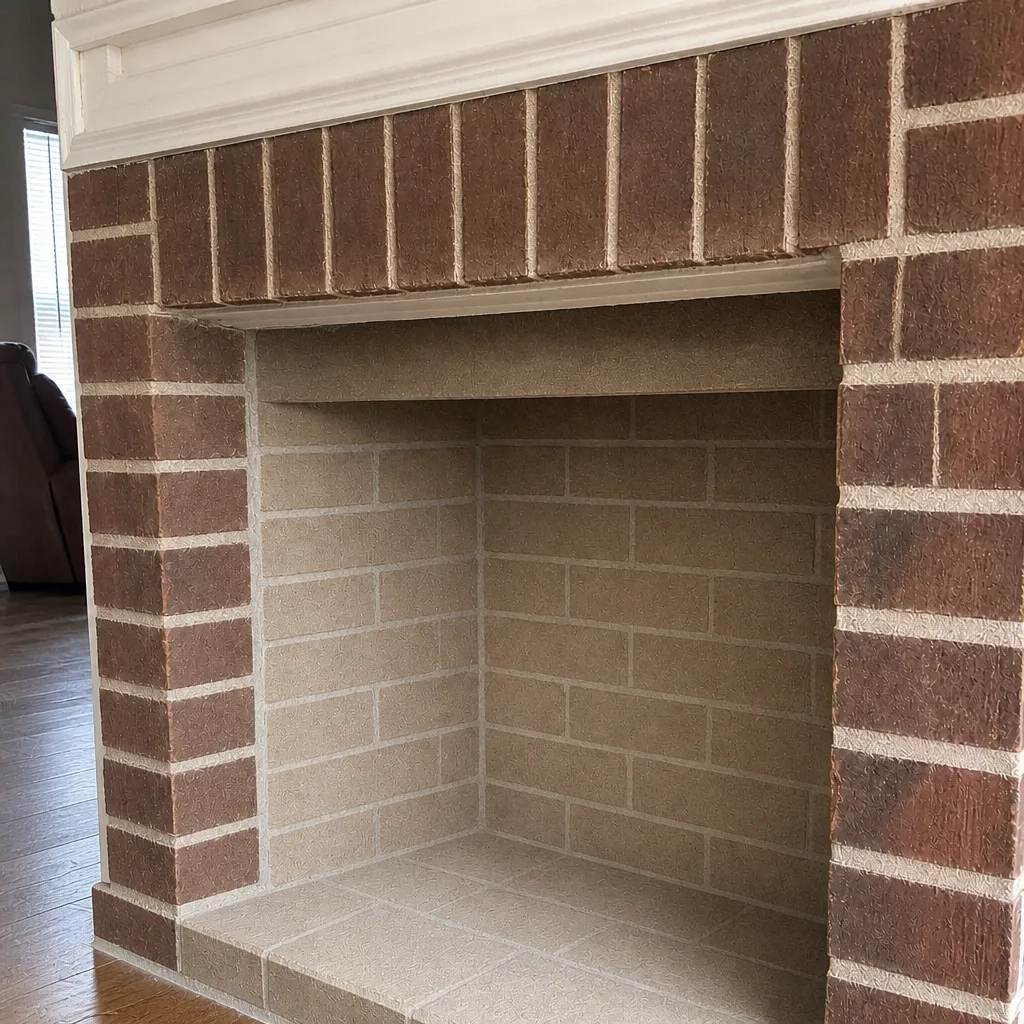 After
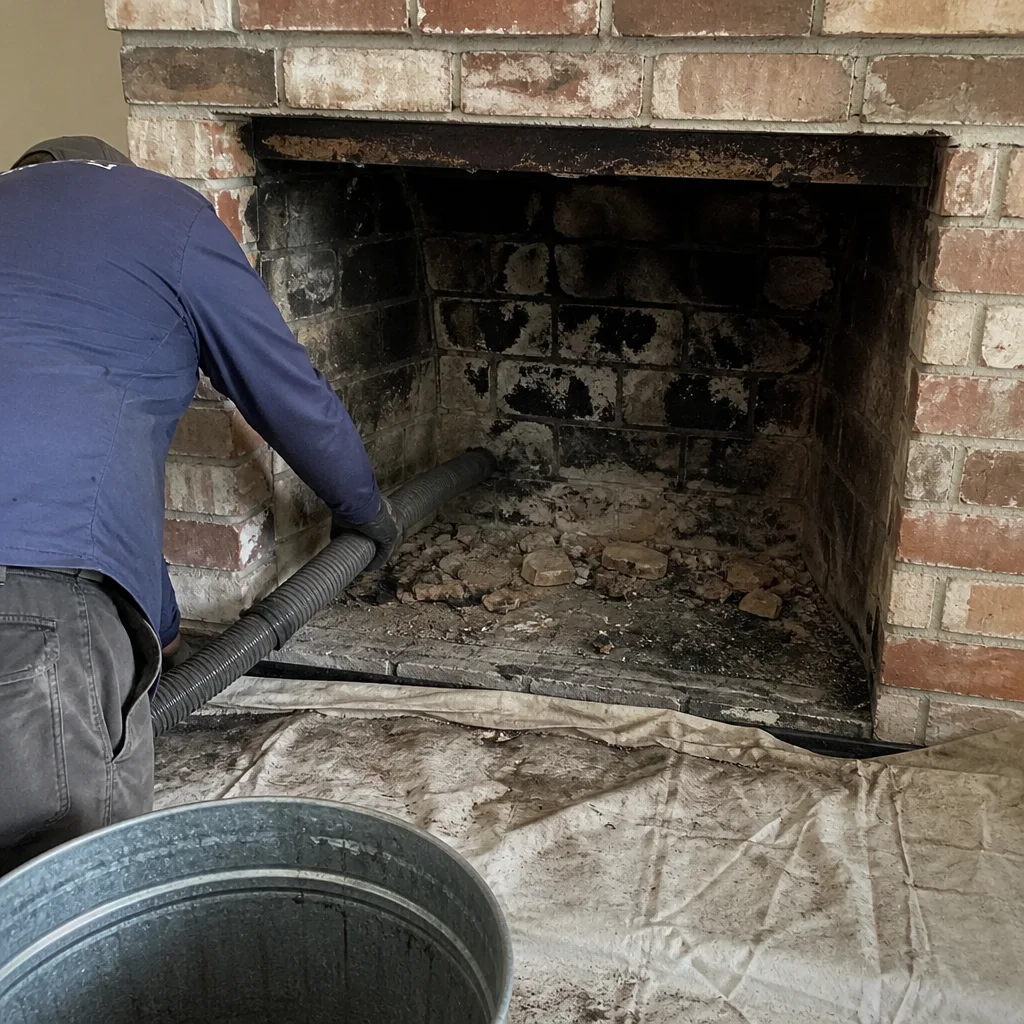 Before
 After
 Before
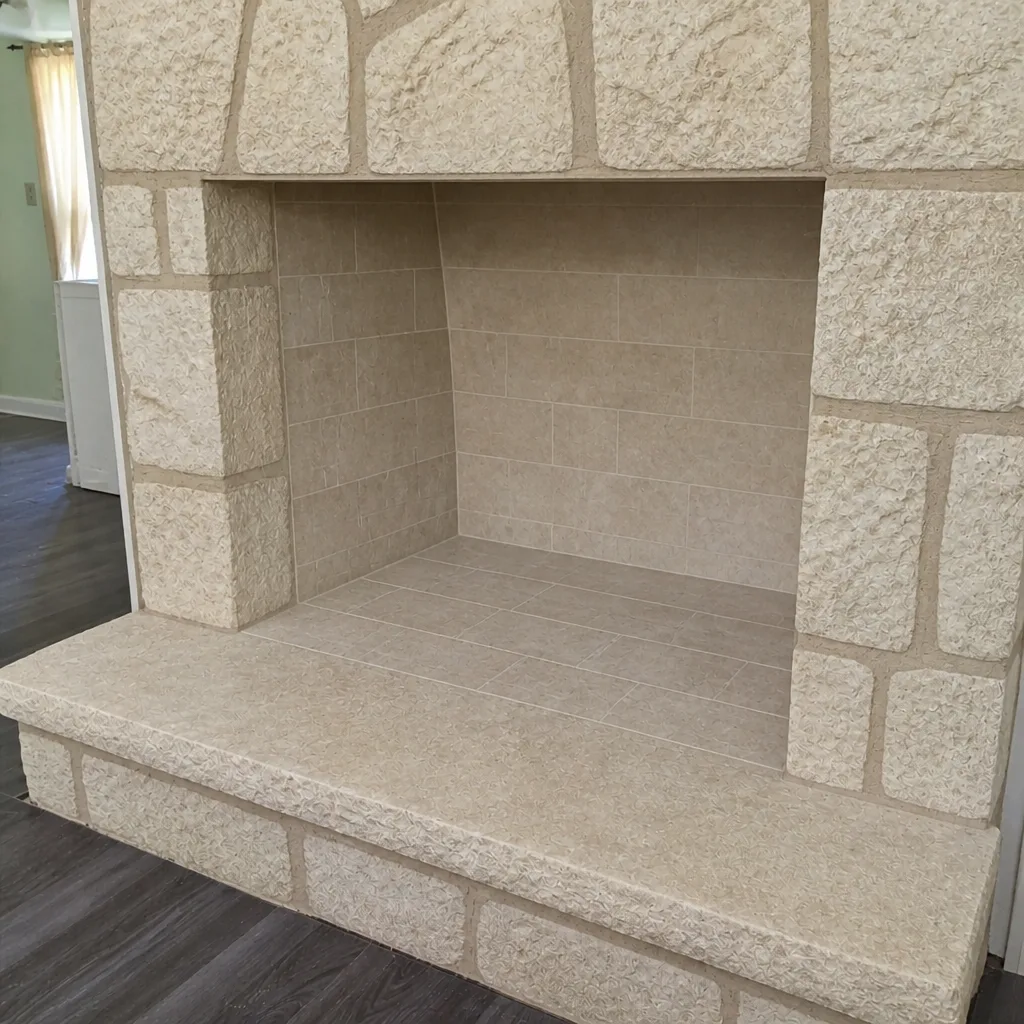 After
When to Call a Professional
Call a professional if you’re buying or selling a home in Laredo and the chimney has no recent inspection record. Call if your chimney has been through a fire, even a small one. Call if the firebox shows cracked mortar, the flue lining is visible and damaged, or the crown is missing or broken. Call before you burn for the first time in a new house. Call after any structural change to the chimney or roof. And call for the annual sweep, because skipping years is where every downstream code problem begins.
Chimney Sweep Laredo offers free estimates in Laredo – call (855) 953-4291. We answer 24/7. Fast dispatch from 7am to 7pm, Sunday through Friday.
Frequently Asked Questions
No. Chimney cleaning is maintenance and does not require a permit from the City of Laredo building department. The permit question starts when the work touches the structure – liner replacement, firebox rebuild, crown repair, or relining. If a contractor tells you a sweep needs a permit, ask what they mean, because a cleaning does not. Call (855) 953-4291 for an exact quote – estimates are free.
The cost depends on whether it’s a Level I or Level II inspection. A Level I comes with the routine sweep. A Level II, which includes a video camera evaluation of the flue, is a more involved job and priced accordingly. The written estimate sets the final price, and we give you the range up front before booking. Call (855) 953-4291 for an exact quote – estimates are free.
A Level II inspection is triggered by a planned repair or relining job, a real estate transaction, a chimney fire, or any damage event that could have affected the chimney or liner. It’s also the appropriate inspection when changing the type of appliance the chimney vents. NFPA 211 is the standard behind this. When in doubt, a Level II is the safer scope.
It can. After a chimney fire or a claim, the insurer will look for evidence that past structural work met code. Unpermitted work with no documentation gives the insurer grounds to question the claim. The way to avoid the problem is to have a permit and a close-out inspection for every structural repair, and keep the paperwork. Call (855) 953-4291 for an exact quote – estimates are free.
The permit record, a written scope of work naming the materials used, before-and-after photos from the camera inspection, a statement that the work meets NFPA 211, and a close-out inspection report. Anything less is incomplete on a structural job. Ask for it in writing before the work starts.
Likely, yes. Inspectors flag missing caps, damaged crowns, water staining, visible liner cracks, and any sign of past damage or non-compliant repair. Having a recent Level II inspection and documentation of any past repairs is the best defense. Without it, the chimney becomes a negotiation item. Call (855) 953-4291 for an exact quote – estimates are free.
The Bottom Line
Cleaning is maintenance; structural repair is construction, and construction in Laredo needs a permit, an inspection, and documentation. The documentation matters most when you least expect it – at a closing or after a fire. A Level II inspection is the trigger point: have one before any structural repair, at any property transaction, and after any chimney fire. Verify the contractor’s permit practice, insurance, and product knowledge before the work starts. Keep every document. And book the annual sweep before the burn season, because the cheapest code problem is the one caught before it’s a problem at all. From the firebox to the crown, the paperwork is part of the work.
Why Homeowners in Laredo Work With Us
We’re a dedicated chimney specialist, not a multi-trade company where chimneys are a side service. That matters when the work crosses from cleaning into structural repair, because the same crew that swept and inspected your flue can perform the repair without a second scheduling window or a handoff to another contractor. We work with professional-grade brands – DuraFlex for liner systems, HeatShield for liner resurfacing, Gelco and Famco for caps and covers, Olympia Chimney and Copperfield for the rest of the trade’s material needs – so the fix fits what we find rather than what’s on a truck. Our technicians have up to 14 years of experience, and we show you what we find inside the flue so the recommendation stands on evidence you can see for yourself. If the chimney is code-compliant and the repair can wait, we’ll tell you that too. One crew, one visit, from the firebox to the crown.
Call (855) 953-4291. We answer 24/7. Fast dispatch from 7am to 7pm, Sunday through Friday. Estimates are free, and the written estimate sets the price.
Written by the team at Chimney Sweep Laredo.