
Last updated November 15, 2026
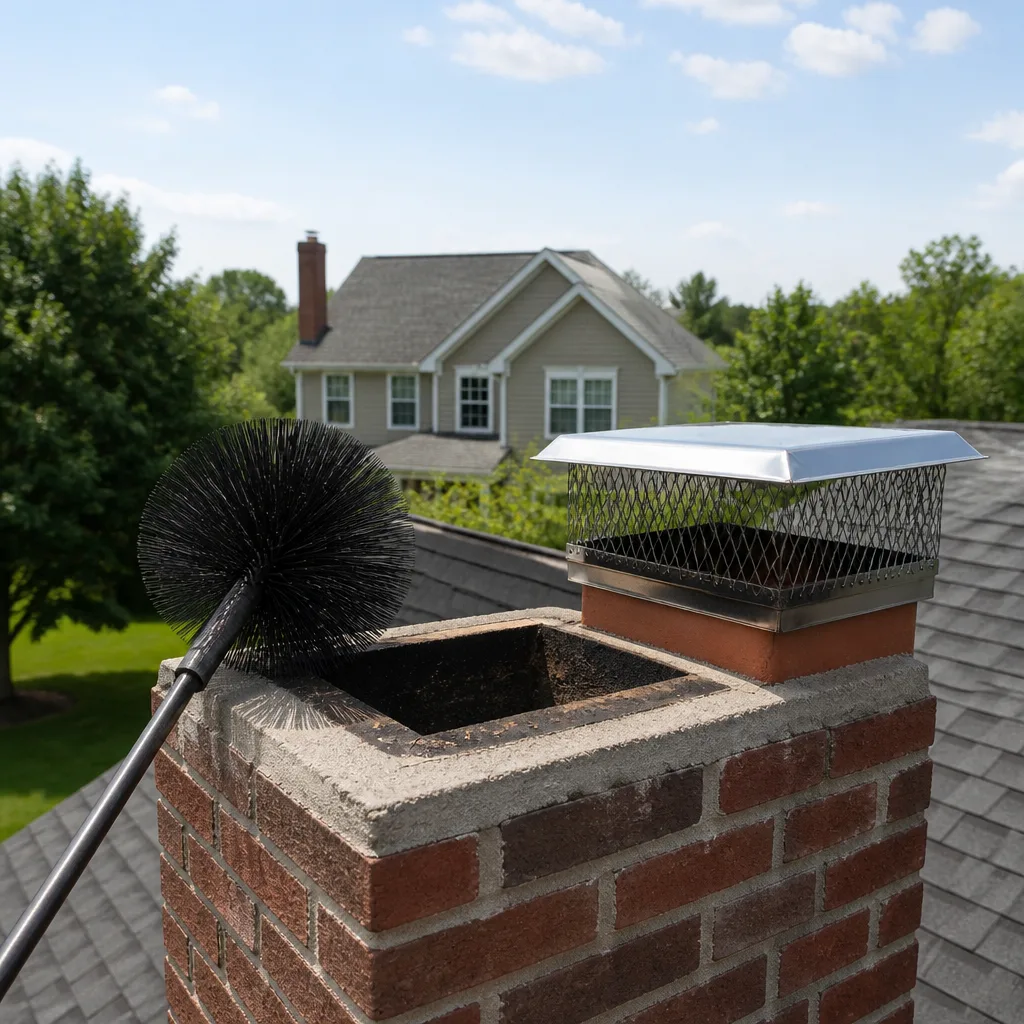 Sweep & inspection
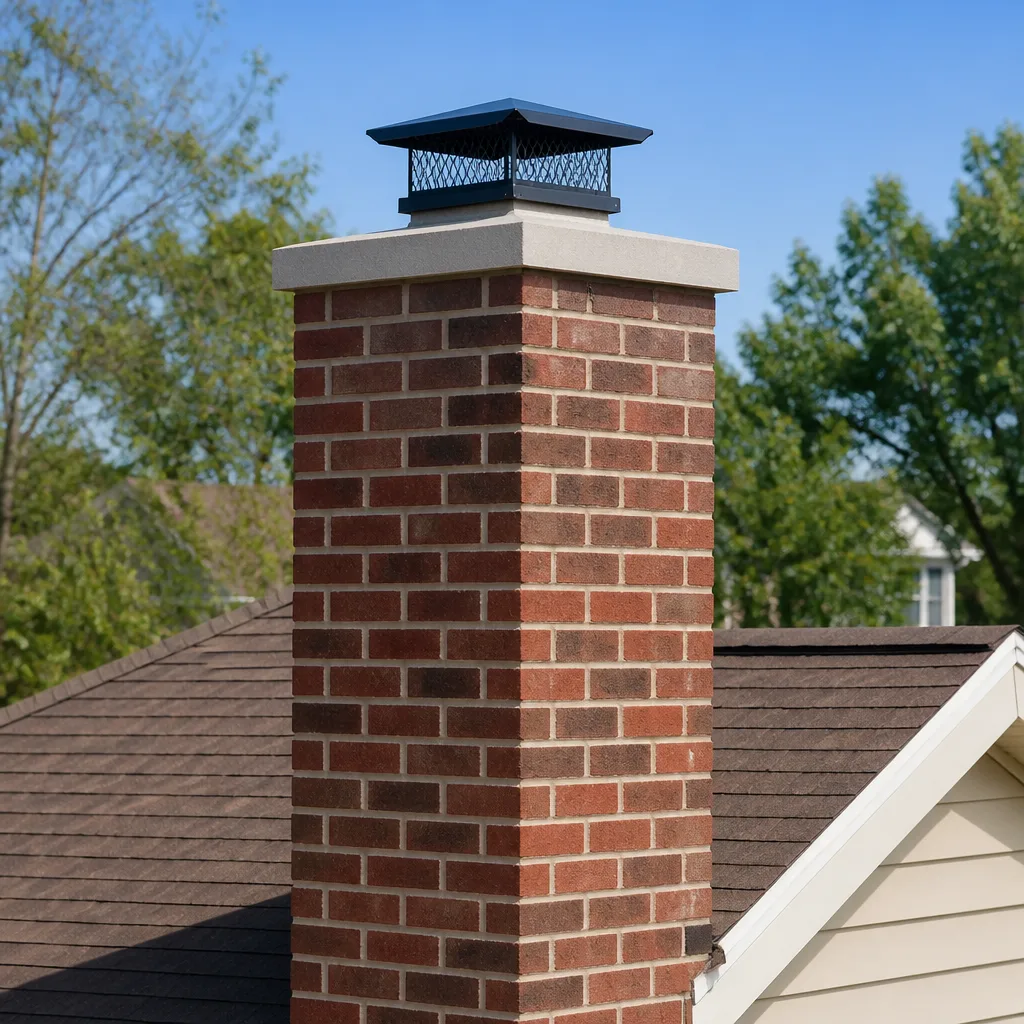 Caps & crowns
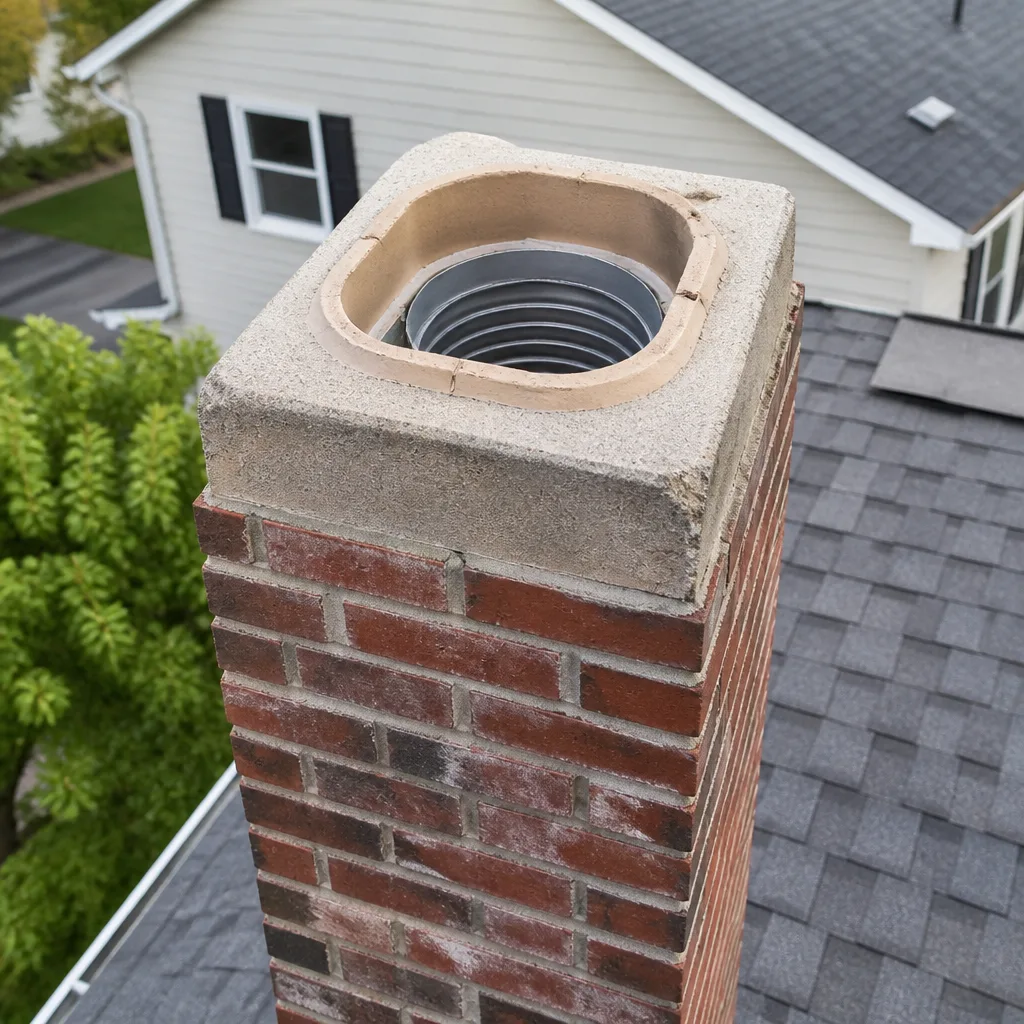 Flue relining
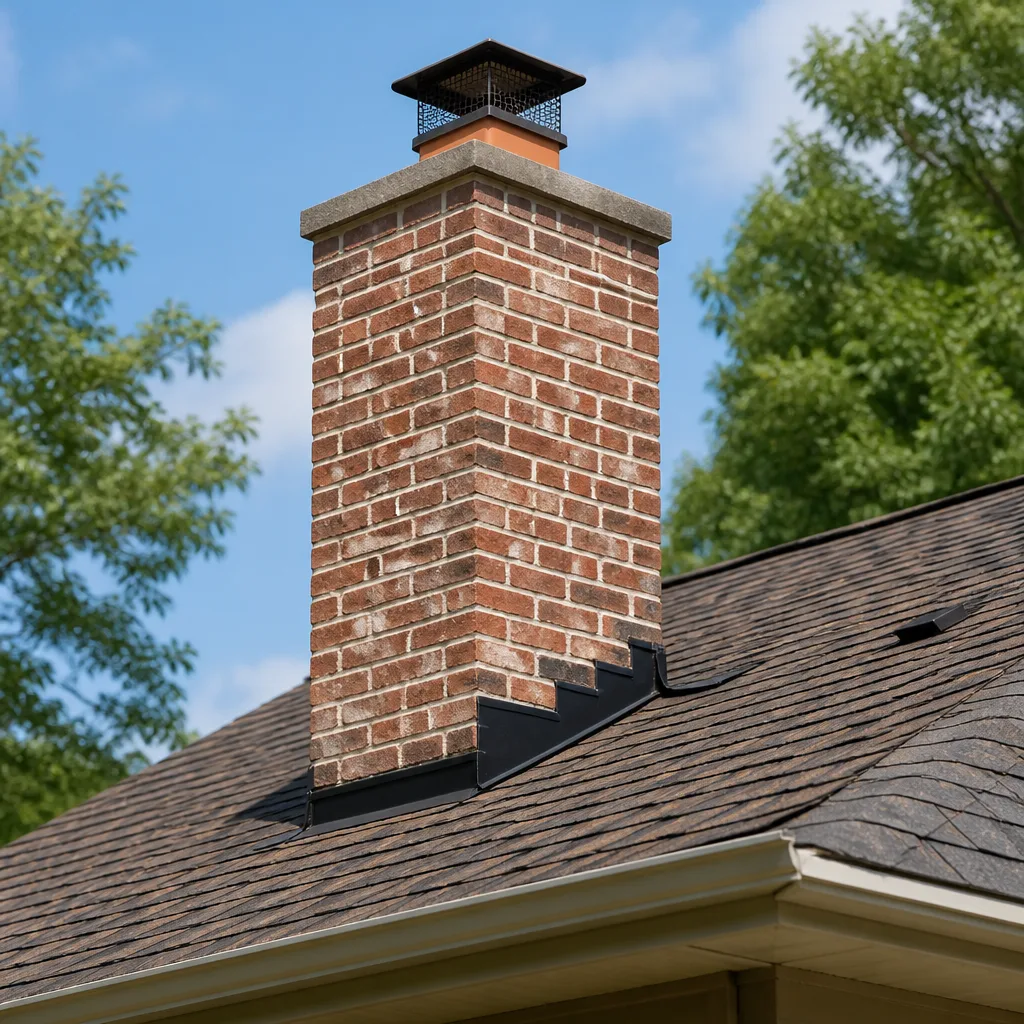 Masonry repair
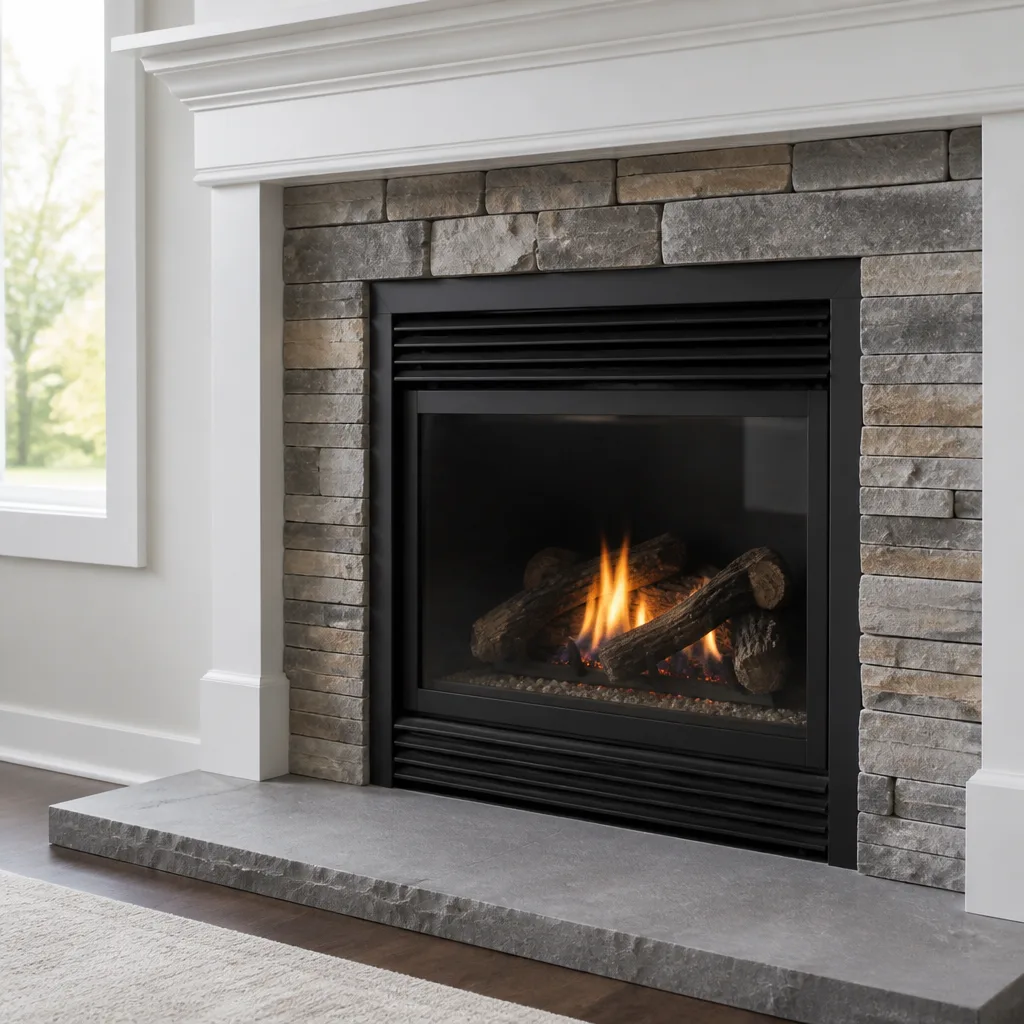 Gas fireplace service
Level 1 sweep and inspection to the NFPA 211 annual standard - flue, crown, cap, and flashing checked and photographed
Chimney sweep logs do not sweep chimneys. They loosen some creosote - which then falls where a brush and vacuum still have to collect it.
Chimney Cleaning Warning Signs: A Laredo Homeowner’s Reference Guide
A white firebox and no smoke curling into the room are not proof that your chimney is clean. Some of the most dangerous conditions inside a flue produce no visible deposit from the firebox opening at all, and a fire can burn for a season behind a wall that looks perfectly normal from the hearth. In our experience across Laredo, the homeowners who get surprised are the ones who trusted what they could see from the living room and never had anyone look up the flue with a camera and a light. This guide separates the warning signs you can detect yourself from the ones that only reveal themselves during a proper sweep and inspection, so you know what you’re actually looking at.
Quick Answer
The main warning signs that a chimney needs cleaning or repair are a strong acrid or musty odor from the firebox, smoke that spills into the room or clears slowly, dark staining or efflorescence on the exterior masonry, rust on the damper or firebox, and debris or pest material on the smoke shelf. The most serious conditions – stage two and stage three creosote and partial flue blockages – usually show none of those signs from the firebox opening and only appear under a camera and tool-based inspection. If you notice any homeowner-visible sign on this list, book a sweep and inspection before the next fire.
Styles & brands we work with
- Sweep & inspection
- Caps & crowns
- Flue relining
- Masonry repair
- Gas fireplace service
Table of Contents
- The Two Categories of Warning Signs
- What Chimney Odors Tell You
- Smoke Behavior in the Firebox
- Hidden Warning Signs Only a Sweep Can Find
- South Texas Signs: Pests, Heat, and Efflorescence
- Cosmetic Warning Signs vs. Code-Red Hazards
- What a Full Inspection Actually Checks
- How to Build a Sweep Schedule That Fits Laredo
The Two Categories of Warning Signs
Every chimney warning sign falls into one of two groups, and mixing them up is where homeowners get into trouble. The first group is what you can see, smell, or hear from the room. The second is what only a trained eye with a camera and proper tools can find. The two are not equivalent, and treating a clean-looking firebox as evidence that the second group is absent is a mistake we see often.
Homeowner-detectable signs are real signals worth acting on – a persistent odor, smoke that doesn’t clear, rust on metal surfaces. But they’re incomplete. They tell you something is off; they don’t tell you what or how serious. A faint musty smell and a stage three creosote glaze can sit in the same chimney.
Hidden signs are the ones that actually correlate with the hazards that matter: chimney fire risk from combustible creosote, carbon monoxide backdraft from a blocked flue, and structural failure from moisture-damaged masonry. Those conditions develop inside the flue liner or the smoke chamber, both of which are invisible from the hearth unless you insert a camera and a light.
The practical takeaway: any homeowner-visible sign deserves a call, but the absence of visible signs is not a green light. In Laredo, where many homes burn hardwood through the short cool season and then sit unused for months, the flue can accumulate quietly between fires. If you want to understand the inspection side in more detail, our guide to the chimney sweep process covers what a technician actually does on a visit.
What Chimney Odors Tell You
Smell is the most underrated diagnostic tool a homeowner has, and each odor type points to a different structural or operational problem. Learning to distinguish them helps you describe what’s wrong when you call, which shortens the diagnostic path.
Acrid, sharp, or campfire-like odor
An acrid smell that lingers in the room after a fire – or greets you when you open the damper months later – usually points to creosote accumulation in the flue or smoke chamber. Stage one creosote is flaky and sooty; stage two is a thicker, tarry deposit; stage three is a glazed, hardened layer that bonds to the liner. The stronger the tar component, the sharper the smell. This is a signal to sweep and inspect before the next fire, not after.
Musty or damp-earth odor
A musty smell that gets worse after rain indicates moisture somewhere in the chimney system – most often a failed crown, a missing or damaged cap, or cracked masonry letting water into the flue or smoke chamber. Moisture is the leading cause of masonry deterioration, and it does not fix itself. If the odor is musty rather than acrid, the problem is water, not creosote, and the repair is different: cap and crown work, not just sweeping.
Burning plastic or chemical odor
A plastic-like or chemical smell during operation points to something outside normal creosote, and it warrants stopping use of the fireplace until a technician looks at it. It can come from debris that’s fallen into the smoke chamber, a deteriorating gasket, a foreign object introduced through the flue, or an adjacent material overheating. Do not run another fire to “burn it off.” Call for an inspection.
Smoke Behavior in the Firebox
How smoke behaves when you open the damper and light the fire is a direct readout of the flue’s condition and drafting ability. Three patterns are worth knowing.
Draft reversal on startup
A cold chimney sometimes puffs smoke back into the room on the first few minutes of a fire before the flue warms. A brief puff is normal in cold weather. Persistent reversal – the fireplace just won’t pull – indicates one of several mechanical causes: a blockage in the flue, an oversized flue relative to the firebox opening, a smoke chamber that’s too shallow or has an offset, or a house that’s depressurized by other exhaust fans. On a camera inspection, each of these looks different and gets a different fix.
Slow smoke clearance
If the fire lights but smoke hangs in the firebox for more than a few minutes and drifts toward the room rather than up the throat, the draft is compromised. Common causes include a partially blocked flue (nesting material, fallen masonry, creosote chunks), a damper that isn’t fully opening, or a flue liner that’s separated and creating dead air. This is a sign that requires the flue to be seen from the inside.
Billowing smoke and spilling
Real billowing – thick smoke pouring into the room, not just a wisp – is the most urgent smoke sign. It means the products of combustion are not leaving the house. On that same fire, carbon monoxide is also failing to leave. Stop burning, open a window, and get a technician out to diagnose the blockage or draft failure before you use the fireplace again.
Hidden Warning Signs Only a Sweep Can Find
This is the category that makes a clean-looking firebox dangerous. The conditions here don’t announce themselves, and they’re the reason an annual inspection matters far more than an annual visual once-over from the hearth.
Stage two and stage three creosote
Stage one creosote is visible from the firebox as a light soot or flake coating near the top of the firebox. Stage two – the tar-like, more volatile layer – and stage three – the glazed, hardened, glassy layer – accumulate farther up the flue and inside the smoke chamber, where you cannot see them from the firebox opening. A technician finds them with a light, a camera, and a scraping tool. Stage three creosote is the primary fuel for chimney fires, and it will not appear to a homeowner looking up from the hearth.
Partial flue blockages
A fully blocked flue usually announces itself with smoke into the room. A partial blockage is quieter – a bit of slow draft, a slightly smoky smell – because gases can escape through the remaining passage. Nesting material, a fallen cap, a dislodged piece of liner, or a bird or squirrel carcass that dropped down the flue can each create this condition. On a camera run, it becomes obvious.
Liner damage at the joints and seams
Hairline cracks at clay tile joints, separated sections of a prefabricated metal liner, or a HeatShield-coated liner with a missed seam all pass a visual check and fail a camera check. These matter because the liner is what keeps heat and gases inside the chimney and away from framing. A compromised liner at the flue level is one of the strongest arguments for a camera inspection over a sweep alone.
Smoke chamber and smoke shelf issues
The smoke chamber above the damper – the tapered transition between the firebox and the flue – is where corbeled masonry often sits rough and accumulates creosote that later dries and flakes down onto the damper. The smoke shelf behind the damper is a ledge that collects debris that falls from the flue. Neither is visible from a normal firebox view. Both show up on a proper inspection.
South Texas Signs: Pests, Heat, and Efflorescence
Laredo’s climate produces a specific cluster of warning signs you will not see emphasized in northern chimney writing. Winters here are mild, the burning season is short, and the long unused months are the ones where a chimney typically deteriorates the most.
Pest debris on the smoke shelf
Birds, squirrels, and wasps favor uncapped chimneys as shelter during the long warm stretch when the fireplace sits idle. Nesting material, droppings, and dead insects collect on the smoke shelf and in the flue itself. When you light the first fire of the season, that debris burns or smolders, producing the chemically odor we mentioned earlier. A missing or damaged cap is the usual root cause, and cap and cover work – usually with Gelco or Famco components – closes the loop. If your flue has no cap, treat pest debris as a warning sign even if the firebox looks clean.
Efflorescence on the chimney exterior
A chalky white powder on the outside of the chimney masonry is called efflorescence, and it’s a moisture signal. Water is entering the masonry, dissolving salts as it moves through, and depositing them on the surface as it evaporates. Efflorescence is not cosmetic – it’s evidence of active moisture intrusion that, left alone, will progress to spalling brick and cracked mortar. The repair path runs through the crown, cap, and flashing, not through painting over it. We’ve seen plenty of Laredo chimneys where a homeowner sealed the exterior without fixing the source, and the white powder came back within a season.
Heat-driven wear on exterior components
Laredo summers work on a chimney’s exterior too. Repeated expansion and contraction of masonry and metal components can loosen the crown and cap over time. That loosening is what lets the moisture from a summer thunderstorm get in and set up the efflorescence cycle above. Check the exterior once each summer from ground level, and address any visible gap at the cap or crown before the wet season.
Cosmetic Warning Signs vs. Code-Red Hazards
Not every sign carries the same urgency, and telling them apart keeps you from either ignoring a real problem or panicking over a minor one. Sort what you find into one of two columns.
Cosmetic or low-urgency signs
These are worth noting on the calendar but do not require stopping use of the fireplace immediately:
- Light soot in the firebox that doesn’t build up or coat the firebox walls
- A small amount of flaky stage one creosote near the top of the firebox
- Minor rust on the damper from condensation – worth monitoring, usually fixed with lubrication and a draft check
- A faint creosote odor after a fire, resolved by an upcoming seasonal sweep
- Cosmetic staining on the masonry from weather exposure
Code-red hazards requiring immediate stoppage
These are conditions where you stop using the fireplace and call a professional before the next fire:
- Glazed stage three creosote visible on the liner or smoke chamber ceiling
- Smoke entering the room consistently with every fire
- Visible cracking, separation, or missing sections in the flue liner
- Efflorescence combined with spalling brick or crumbling mortar
- A carbon monoxide detector alarm in the home during or after a fire
- Any chemical or burning-plastic odor during operation
- A blocked or partially blocked flue confirmed by a technician
If you’re not sure which column a condition belongs in, that itself is a reason to have it inspected. Camera footage settles the question quickly.
What a Full Inspection Actually Checks
A proper inspection is not a look up the flue with a flashlight. It’s a sequence that moves from the firebox to the crown, and it covers both the signs you can see and the ones you can’t. This is how a professional visit typically runs:
- Damper check. Confirm the damper opens and closes fully and sits flush when closed.
- Firebox inspection. Check for cracks, gaps, and crumbling mortar at the firebox walls and floor.
- Smoke shelf clearing. Remove accumulated debris – pest nesting, fallen creosote flakes – from the smoke shelf and damper ledge.
- Flue camera run. Run a camera up the flue to check liner integrity, stage of creosote, and any blockage.
- Smoke chamber assessment. Look at the corbeled masonry above the damper for rough surfaces and creosote accumulation.
- Sweep the flue. Use proper brushes and scrapers to remove creosote at the level that’s present.
- Exterior check. Inspect the crown, cap, flashing, and masonry for cracks, efflorescence, and missing mortar.
- Written findings and photos. Show you what was found, describe what needs fixing, and where it should sit on a timeline.
In our experience in Laredo, the findings that surprise homeowners most often come from the camera run and the smoke chamber assessment, not the firebox. If you want to read about the repair side of what those findings can lead to, our guide to chimney repair covers the options for liner, crown, and masonry issues.
How to Build a Sweep Schedule That Fits Laredo
The general rule is that a wood-burning chimney should be swept and inspected annually – typically once per burning season – with extra sweeps if you burn heavily. Laredo’s mild winters let many homeowners burn fewer fires than a northern climate would, but the long unused period is exactly when pest and moisture issues develop. Here’s how to build a schedule that catches both.
- Book a sweep before the burning season starts. Sweep and inspect while the fireplace is still idle.
- Add a mid-season check if you burn frequently. Homes that burn several fires a week during the cool months warrant an extra sweep.
- Inspect the cap and crown each summer. From the ground is enough for the initial check; send a technician up if anything looks off.
- Listen for odor between seasons. A musty smell in June is as diagnostic as a smoky smell in January.
- Respond to any code-red sign immediately. Don’t wait for the scheduled visit.
For the sweeping side of the schedule, our Chimney Sweep Laredo service overview walks through what a visit includes. For broader context on our local area, see the Laredo service page.
Common Mistakes to Avoid
- Treating a clean-looking firebox as proof the flue is clean. Stage two and stage three creosote develop above the firebox opening, where you cannot see them. A white firebox is only information about the firebox.
- Burning soft or unseasoned wood to “burn off” a suspected creosote layer. Wet wood produces more creosote, not less, and it doesn’t remove the glazed deposit already in the flue. Seasoned hardwood is the right fuel.
- Ignoring a musty smell after rain. In Laredo, musty smells in the chimney usually mean a failed cap, crown, or flashing. Left alone, the moisture damage progresses to spalling brick and a swollen liner.
- Skipping the exterior check during the summer. Summer heat and storm cycles work on the crown and cap, and the damage is far cheaper to catch before the wet season than after the masonry has soaked.
- Painting over efflorescence instead of fixing the moisture source. The white powder returns within a season, and the underlying water intrusion keeps eating the masonry in the meantime.
- Running a fire to “burn off” a plastic smell. A chemical odor means something is happening that isn’t normal creosote, and this is one of the conditions that should stop use until a technician looks at it.
- Hiring a general handyman for a chimney sweep. Chimney work needs specific tools, camera access, and knowledge of the flue’s anatomy. A one-brand or jack-of-all-trades visit often misses the hidden signs, which is exactly where the risk lives.
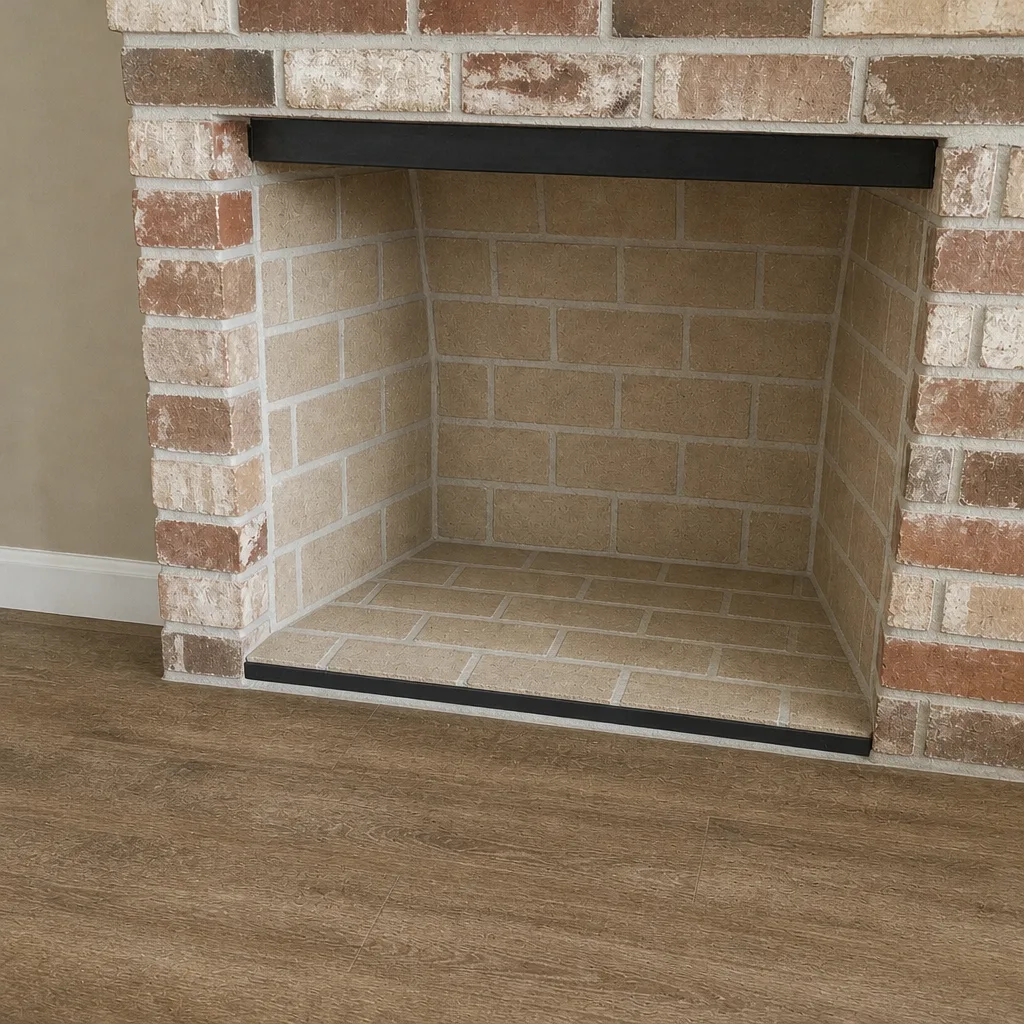
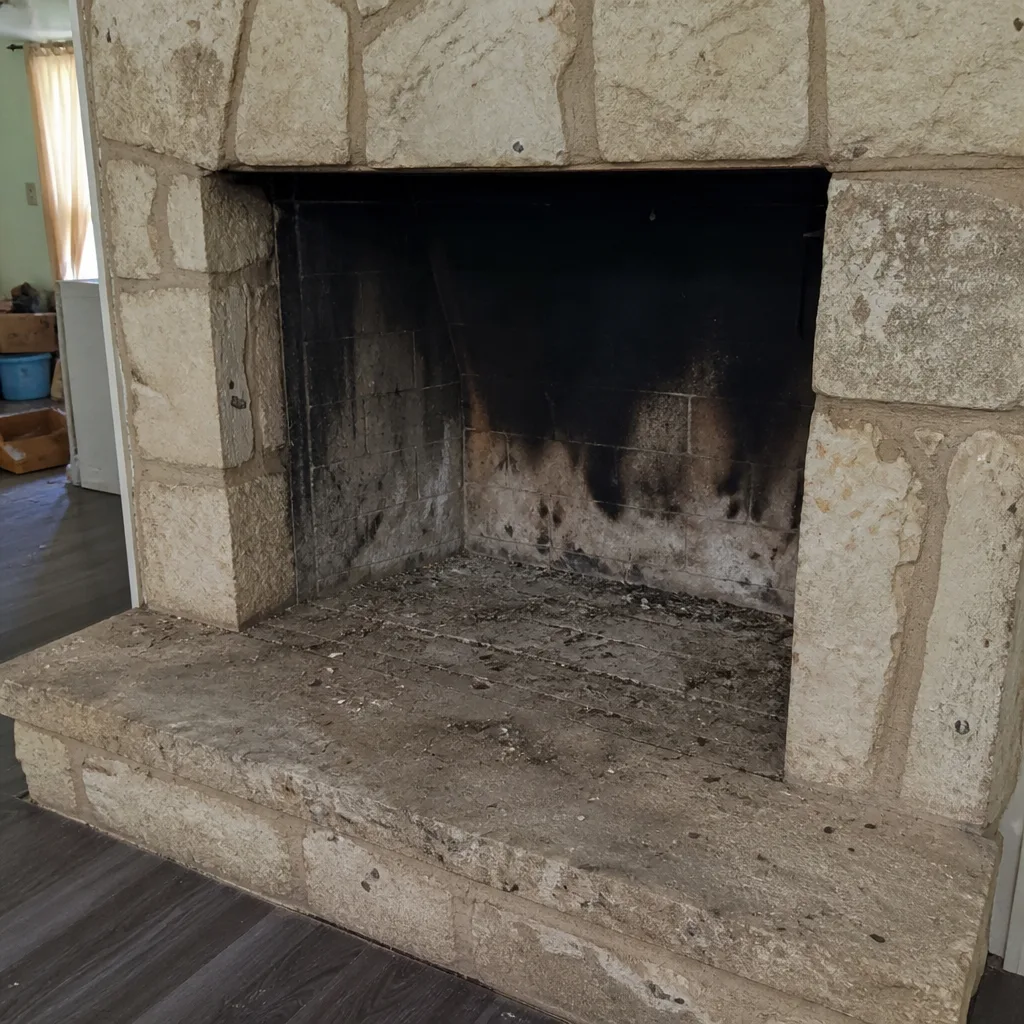
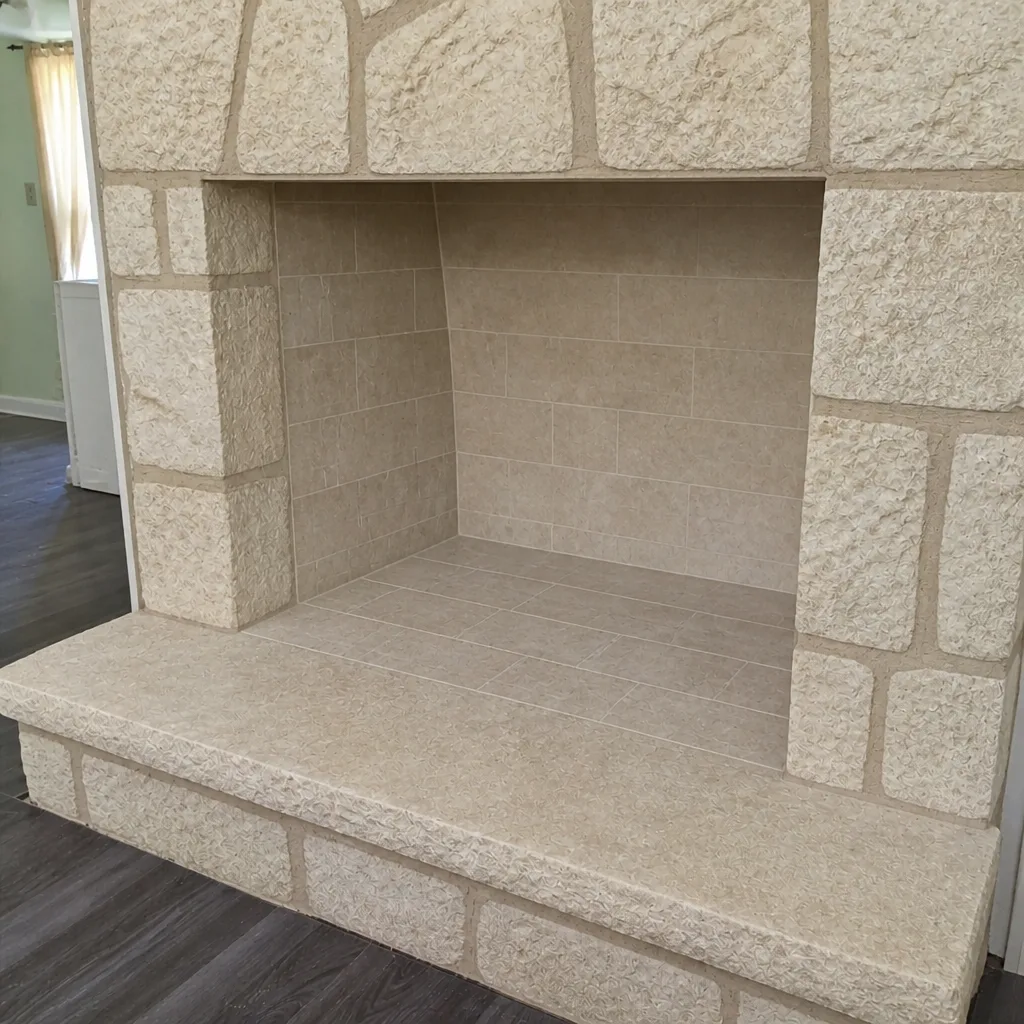
See the difference
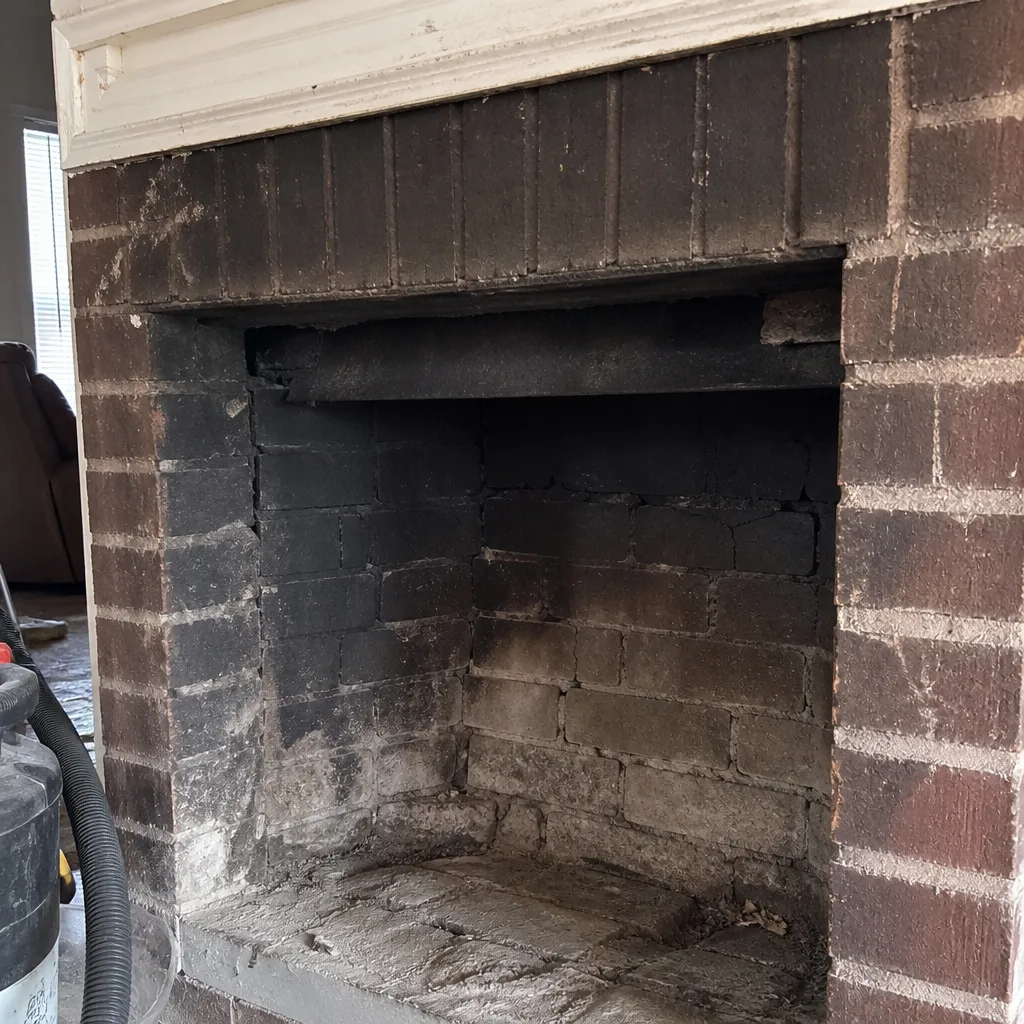 Before
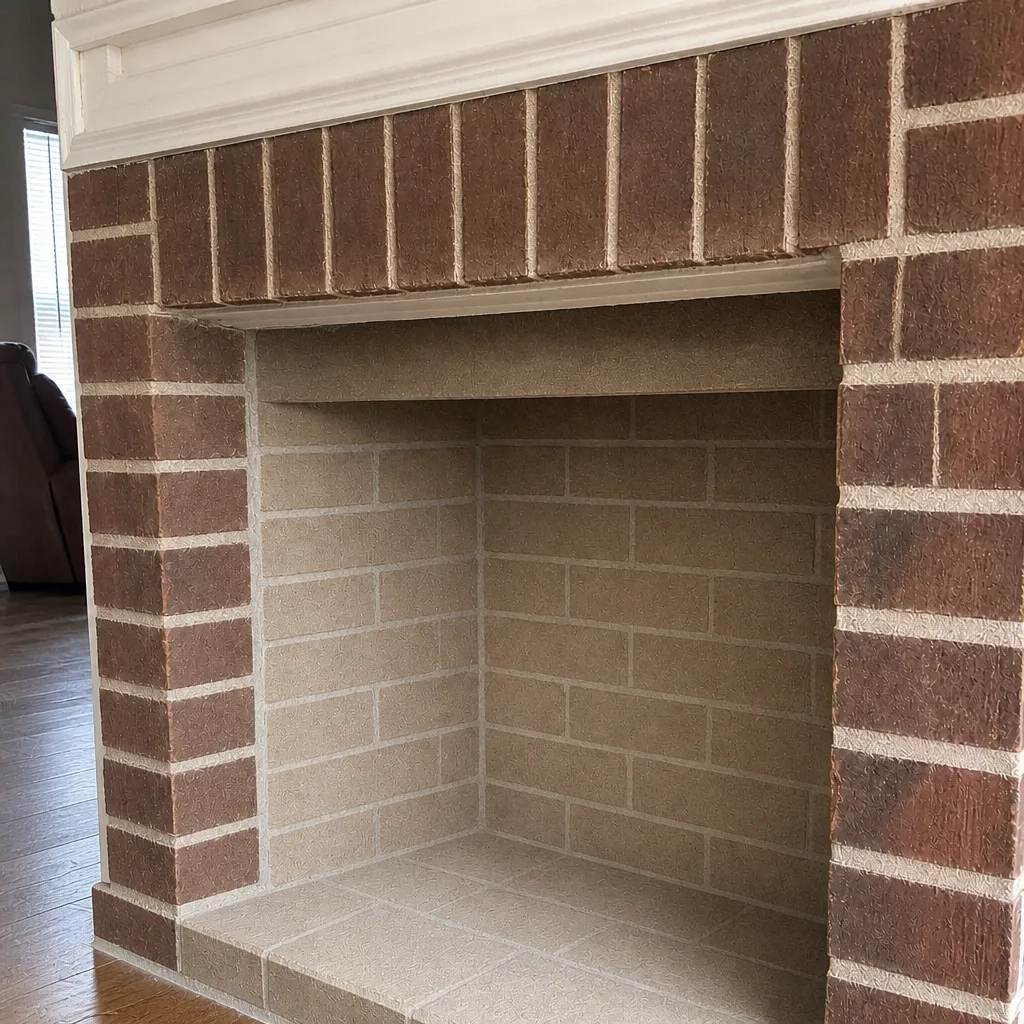 After
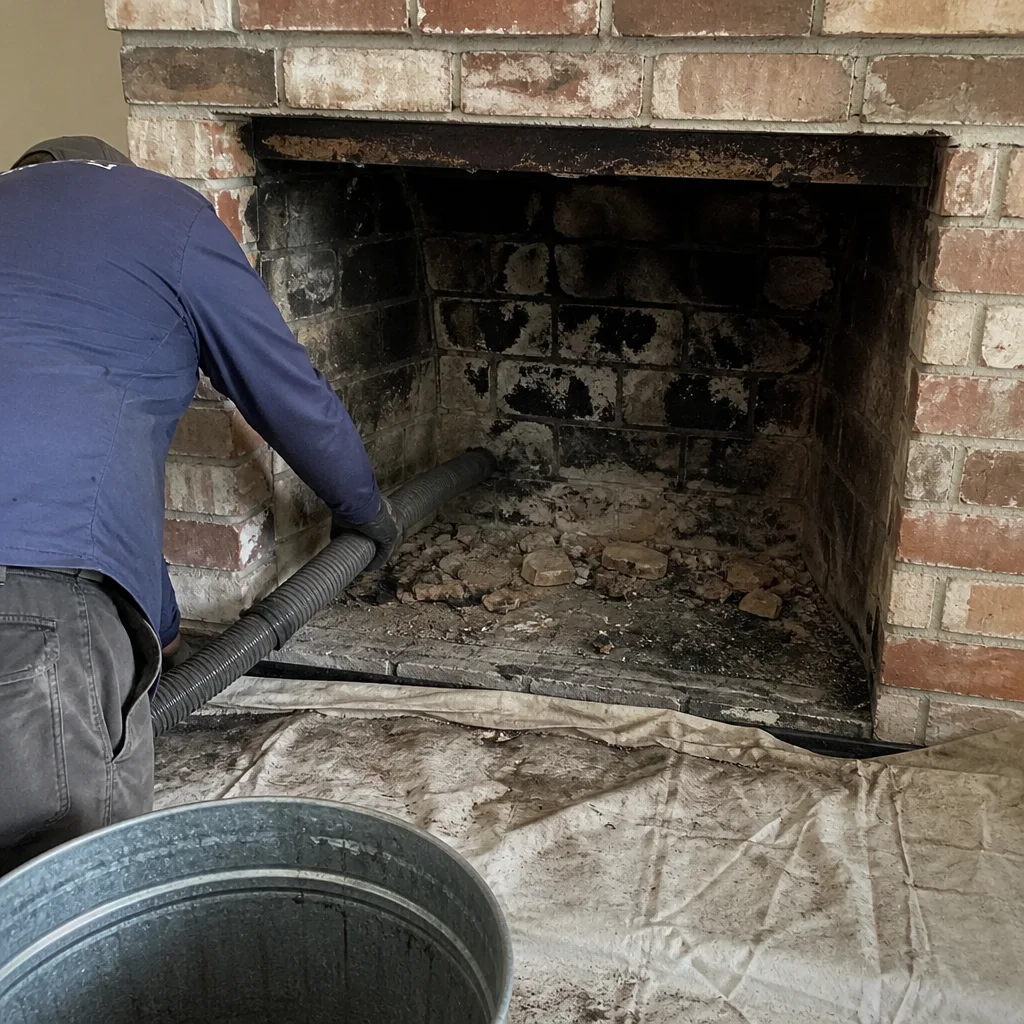 Before
 After
 Before
 After
When to Call a Professional
Call for an inspection if any of these apply: you have not had a camera run in the last year, you smell an acrid or musty odor around the fireplace, smoke spills or clears slowly, you see white powder or cracks on the exterior masonry, the damper is stuck or rusted, or a carbon monoxide detector has alarmed during or after a fire. Also call if you can’t remember the last time the flue was checked – the answer is almost always longer than you think. Chimney Sweep Laredo offers free estimates in Laredo – call (855) 953-4291. We answer 24/7. Fast dispatch from 7am to 7pm, Sunday through Friday, and we’re closed Saturday.
Frequently Asked Questions
The earliest homeowner-detectable warning signs are typically a sharp or acrid odor that lingers after a fire, smoke that lingers in the firebox rather than clearing quickly, and light rust or staining on the damper. These signs appear before the more serious conditions – glazed creosote and partial blockages – reach the stage where they’re dangerous. Call (855) 953-4291 for an exact quote on a sweep and inspection – estimates are free.
Yes, and this is the central point of this guide. Stage two and stage three creosote develop above the firebox opening, inside the flue and smoke chamber, and are not visible from the hearth. A clean-looking firebox does not rule out a hazardous creosote layer higher up. A camera-based inspection is the only reliable way to know.
A musty smell in the chimney is a moisture signal, not a creosote signal. It usually indicates a failed crown, a missing or damaged cap, or cracked masonry letting water into the flue or smoke chamber. The correct response is cap, crown, and flashing work – the kind of exterior protection we do with Gelco and Famco components – rather than an extra sweep. Call (855) 953-4291 to schedule an inspection and confirm the source.
Smoke spilling into the room means the products of combustion are not leaving the house, which is a code-red condition. The most common mechanical causes are a partial or full flue blockage, a draft reversal from a cold flue combined with a house that’s depressurized, or a smoke chamber that’s too shallow relative to the firebox. Stop burning and call for a camera inspection. Call (855) 953-4291 for a free estimate.
Once per year is the baseline, timed before the start of the burning season. Homes that burn frequently through the cool months warrant an extra mid-season sweep, and any home with no cap should add an inspection each summer to check for pest debris and cap damage. Because Laredo’s long idle season is when pest and moisture problems develop, a summer exterior check complements the pre-season sweep. Call (855) 953-4291 to book a visit.
Cosmetic signs – light soot, minor rust on the damper, faint odor – should go on the calendar for your next scheduled sweep. Code-red hazards – glazed stage three creosote, consistent smoke into the room, visible liner cracks, efflorescence with spalling brick, or a CO detector alarm – mean you stop using the fireplace and get an inspection before the next fire. If you’re unsure which category a condition fits, treat it as code-red until a technician confirms otherwise. Call (855) 953-4291 for an exact quote.
The Bottom Line
The most important distinction in chimney safety is between what you can detect and what only a camera and a trained technician can find. Odors, smoke behavior, rust, and exterior efflorescence are real signals worth acting on – but their absence is not proof the flue is clean. Stage two and stage three creosote, partial blockages, and liner cracks all develop out of sight from the hearth. In Laredo, the mild winter and long idle season add pest debris and moisture intrusion to the list. Book a sweep and camera inspection before each burning season, check the cap and crown each summer, and treat any code-red sign as a stop-use condition. That combination catches both categories of warning signs, not just the easy ones.
To schedule an inspection or ask about a specific smell or sign, call (855) 953-4291 for a free estimate. Our technicians have up to 14 years of experience, and we stock and work with HeatShield, DuraFlex, Gelco, and Olympia Chimney so the inspection findings can be addressed on the same visit. We answer 24/7. Fast dispatch from 7am to 7pm, Sunday through Friday, and we’re closed Saturday.
Written by the team at Chimney Sweep Laredo.