
Last updated November 15, 2026
 Sweep & inspection
 Caps & crowns
 Flue relining
 Masonry repair
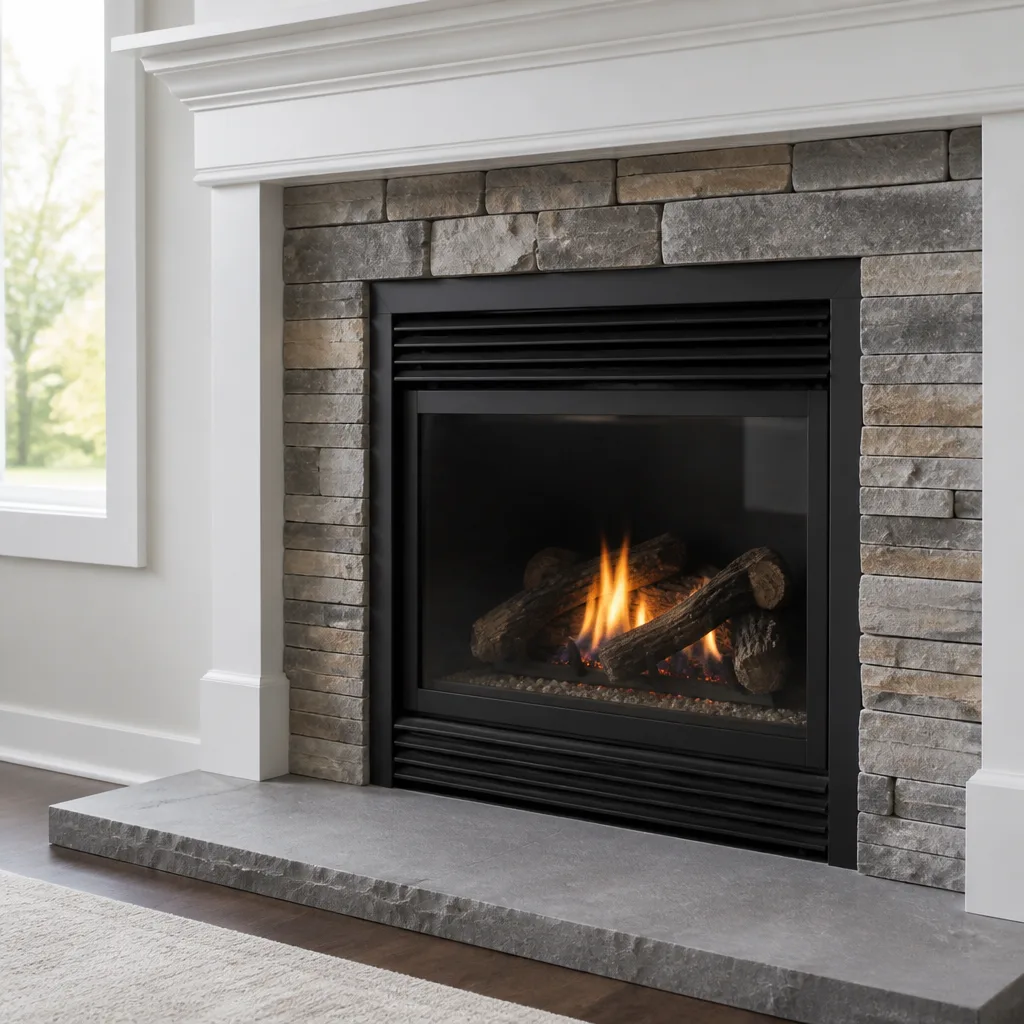 Gas fireplace service
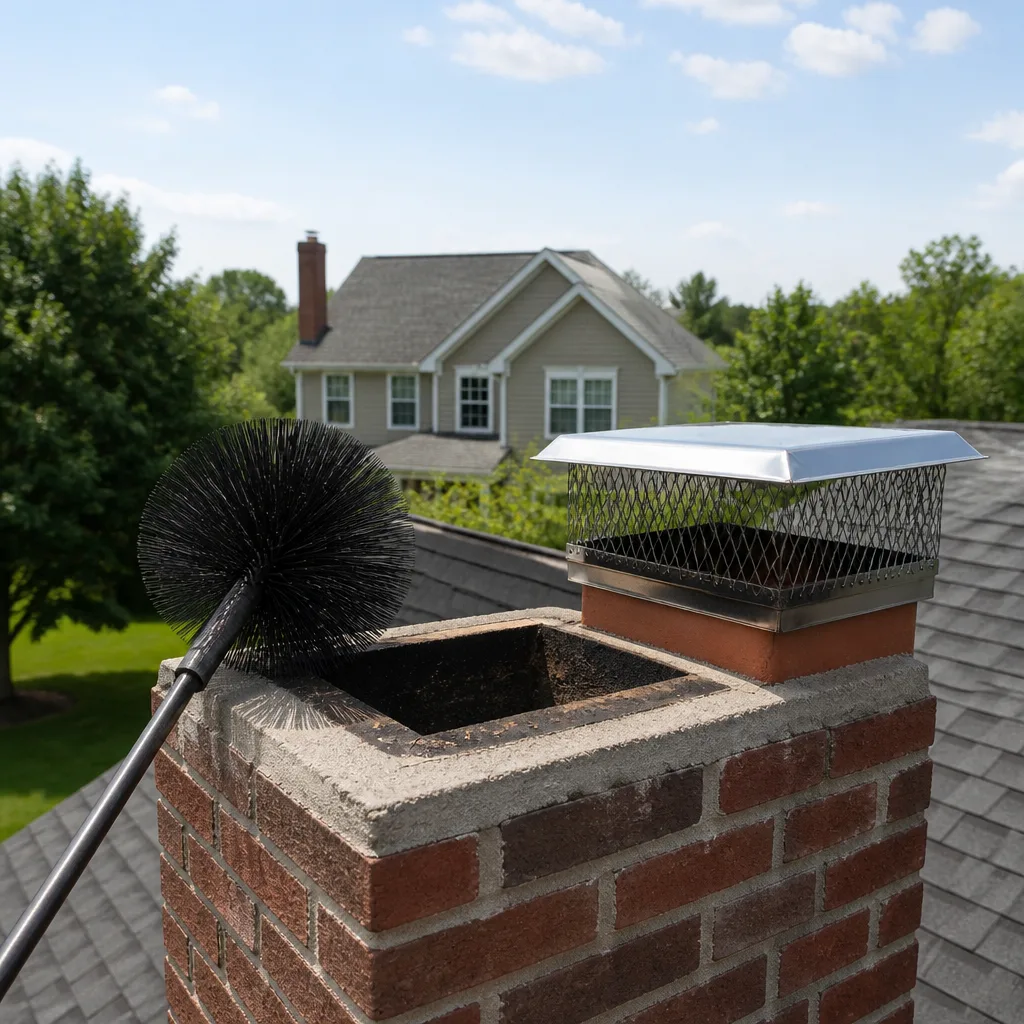
Level 1 sweep and inspection to the NFPA 211 annual standard - flue, crown, cap, and flashing checked and photographed
Chimney sweep logs do not sweep chimneys. They loosen some creosote - which then falls where a brush and vacuum still have to collect it.
Chimney Cleaning Emergency Preparedness Guide for Laredo Homes
Most chimney fires announce themselves before they ignite. Not with smoke pouring into the room or flames visible above the roofline, but with quieter signals that show up hours or days earlier: a metallic smell drifting from the firebox, a soft ticking in the flue, a fire that suddenly struggles for air, or a draft that reverses on a calm evening. Those signals are creosote telling you it has reached a stage where ignition is possible. In Laredo, where winters are mild enough that fireplaces sit unused for months and then get worked hard during the few cold snaps, that gap between “sitting quiet” and “full burn” is exactly when buildup compounds unnoticed. This guide walks through what those pre-fire indicators mean at the material level, what to do in the first minutes if a fire is underway, what the rules require afterward, and how to document everything for insurance. You’ll leave with a clear 24-to-72-hour action window and a documented escalation protocol.
Quick Answer
A chimney fire emergency in Laredo usually starts with conditions you can detect before ignition: a strong creosote smell, popping or ticking sounds in the flue, draft that stalls or reverses, and dark smoke that doesn’t clear. If you notice any combination of these, stop using the fireplace and get the flue inspected. If a fire is already happening, call 911 first, close the damper only if you can do so safely, and do not use the chimney again until a Level II inspection clears it.
Styles & brands we work with
- Sweep & inspection
- Caps & crowns
- Flue relining
- Masonry repair
- Gas fireplace service
Table of Contents
- What are the pre-fire warning signals a chimney gives off?
- What do those smells, sounds, and draft changes actually mean?
- What should you do in the first minutes if a chimney fire is suspected?
- When does a chimney fire warrant a 911 call?
- What has to happen after a chimney fire, and why does NFPA 211 require a Level II inspection?
- How do you document chimney condition for insurance after a fire?
- How does carbon monoxide risk work in Laredo homes with blocked or failing chimneys?
- What does a preventive sweep look like before the cold season?
What are the pre-fire warning signals a chimney gives off?
A chimney fire almost never appears without warning. It shows up as a cluster of small changes that, taken together, tell you the flue is holding conditions that can ignite. Homeowners who learn to recognize these signals gain the most valuable thing in an emergency: time. In Laredo, that window often falls in the days right before the first sustained cold front, when fireplaces that have been dormant through the summer get used again and the homeowner is least familiar with how the flue should behave.
Watch for these indicators, in roughly the order they tend to appear:
- A metallic or hot-iron smell from the firebox or hearth area, distinct from wood smoke, especially when the fire is burning steadily.
- A soft ticking, popping, or crackling inside the chimney structure itself, not from the firebox, particularly after the fire has been burning 30 to 60 minutes.
- Draft that stalls or reverses. Smoke that drifts into the room on a cold, calm evening rather than rising strongly up the flue is a signal the flue is partially blocked or the stack is cold and the fire is struggling.
- A fire that is hard to light or that suddenly goes out despite dry wood and an open damper.
- Black, persistent smoke that doesn’t thin out after the fire establishes.
- Visible glazed or shiny buildup on the flue walls, if you can see the flue from the roof or through a cleanout.
Any one of these is worth a call. Two or more together, on a chimney that hasn’t been swept since the last heating season, is a genuine stop-and-inspect situation. This is the reason a preventive chimney sweep in the fall is such effective preparation: it catches the conditions before they can stack up.
What do those smells, sounds, and draft changes actually mean?
Each pre-fire signal maps to a specific physical condition inside the chimney. Understanding the “why” makes it much easier to decide how urgently to act. Here’s what’s happening inside the flue when each symptom appears.
Smells
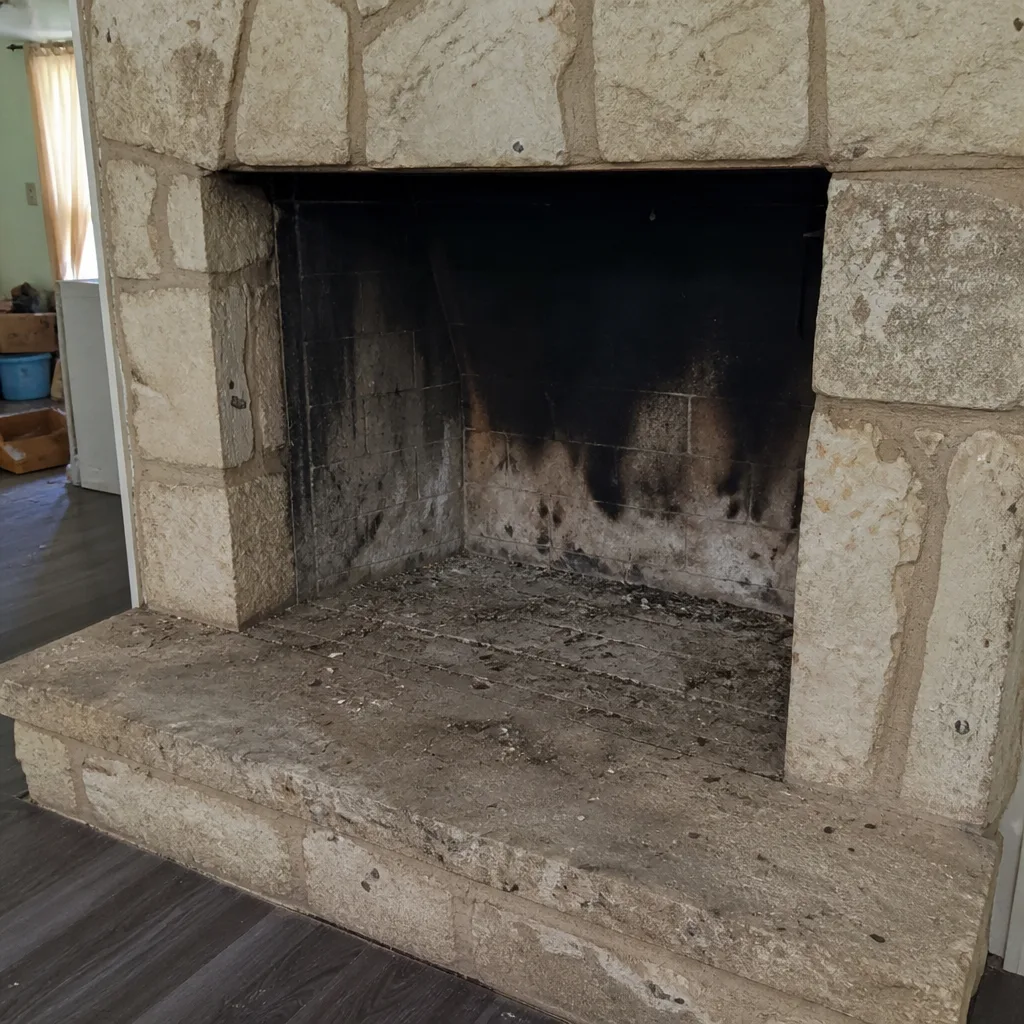
The metallic or hot-iron smell comes from creosote and soot being heated to a temperature where volatile compounds begin to off-gas. Unburned wood tar and moisture are evaporating out of the coating on the flue walls. When that coating is thin, the smell is faint. When it’s thick and glazed, the smell is sharp and persistent. A sharp smell is a signal of a heavy, glazed deposit, which is the most flammable form of creosote.
Sounds
The ticking and popping inside the chimney structure are the sound of creosote deposits expanding as the flue warms. Different layers of deposit heat at different rates; where one layer flakes and peels, it releases with a small crack. In a light deposit the sound is subtle. In a heavy deposit, it’s frequent and audible enough to be noticed from inside the room. Any sustained ticking with an active fire is a sign the deposit is thick enough to be reacting to heat, which is exactly the condition that precedes ignition.
Draft behavior
A flue is essentially a chimney-shaped column of warm air pushing up against the cooler air outside. When the flue is partially blocked by creosote or soot, the warm air column can’t rise unbroken. The fire struggles, smoke backs up, and the chimney can’t push out the combustion gases at normal speed. A fire that needs to be “babied” to stay lit, or that sends smoke into the room, is a fire fighting against an obstructed flue.
These three signals together – smell, sound, draft – form the classic pre-ignition profile. When a fire is fed more wood into a flue in that state, heat climb accelerates and ignition becomes far more likely. The right move is to stop using the chimney and get it swept. If you’re in Laredo and want a professional eye on the flue before the next fire, that’s what an inspection is for.
What should you do in the first minutes if a chimney fire is suspected?
The first 60 seconds of a chimney fire decide how much damage occurs. What you do, and what you don’t do, matters more than most homeowners realize. The protocol below is written for a non-specialist. Follow it in order.
- Get everyone out of the house and call 911. If there’s any sign of an active chimney fire (roaring sound like a freight train, dense smoke from the top of the chimney, flames or glowing visible at the crown, or a strong burning smell that doesn’t clear), treat it as a structure fire until proven otherwise. Get out first; call from outside.
- Don’t pour water down the flue. Water on a hot flue can crack or shatter the liner and can send steam and hot deposits back into the room. Never introduce water from the top or the firebox.
- Close the damper only if you can reach it safely. Closing the damper reduces airflow through the flue, which can help starve a fire of oxygen, but a damper warped by heat can jam. If the damper handle is hot, or if you’d have to lean into the firebox to reach it, leave it and get out.
- Close glass doors and open the air intake on a wood stove if you have one, per the manufacturer’s instructions. For an open fireplace, do not add wood. Do not stoke.
- Don’t use the fireplace again until it’s inspected. Even if the fire seems to stop on its own, the flue may have cracked or warped liners that can’t be seen from outside.
The instinct to fight a chimney fire from inside the house is common, and it’s the instinct to override. The safe action is almost always to stop feeding the fire, control the airflow if you can do so safely, and get professional help.
When does a chimney fire warrant a 911 call?
Call 911 for any chimney fire that produces visible flames or glowing at the chimney top, a roaring sound that persists more than a few seconds, dense dark smoke that doesn’t thin, or smoke inside the house. Those are signs of an active, uncontrolled fire in the flue or the surrounding structure, and they’re beyond what a homeowner should handle.
There’s a gray zone worth knowing. A brief “whoosh” when you open the damper, or a single sharp crack followed by normal burning, is often the sound of a small creosote flake igniting and burning off quickly. It isn’t automatically an emergency, but it’s a strong signal that the flue has reached a condition where ignition is possible. Treat it as a stop-and-inspect event rather than a “we got lucky” event. Don’t use the chimney again until it’s been inspected.
Laredo homes tend to have masonry chimneys with a mix of older and more recent construction. In a masonry chimney with a clay tile liner, a fire hot enough to crack a tile can also breach the surrounding masonry. In a metal prefab chimney, a hot fire can warp or crack the inner wall. Both cases need a professional inspection before use resumes. If you’re unsure whether what you’re hearing or seeing meets the 911 threshold, call 911 anyway. The cost of a false alarm is nothing compared to the cost of a delayed call.
What has to happen after a chimney fire, and why does NFPA 211 require a Level II inspection?
After any chimney fire, a Level II inspection is required before the chimney can be used again. That’s the rule under NFPA 211, the standard that governs chimneys, fireplaces, vents, and solid-fuel-burning appliances. The reason is simple: a chimney fire can damage a flue in ways that aren’t visible from the firebox, the roof, or the outside of the chimney. Cracks in a clay tile liner, separation in a metal liner, warped dampers, and damage to the crown can all exist under what looks like a normal chimney.
A Level II inspection is more thorough than a routine annual check. It includes:
- A camera inspection of the flue to see the interior walls and any joints or bends not visible from either end.
- All accessible portions of the chimney – firebox, damper, smoke chamber, flue, crown, and exterior.
- An assessment of the appliance connection and the surrounding clearances.
- A written report of findings with photos or a video record.
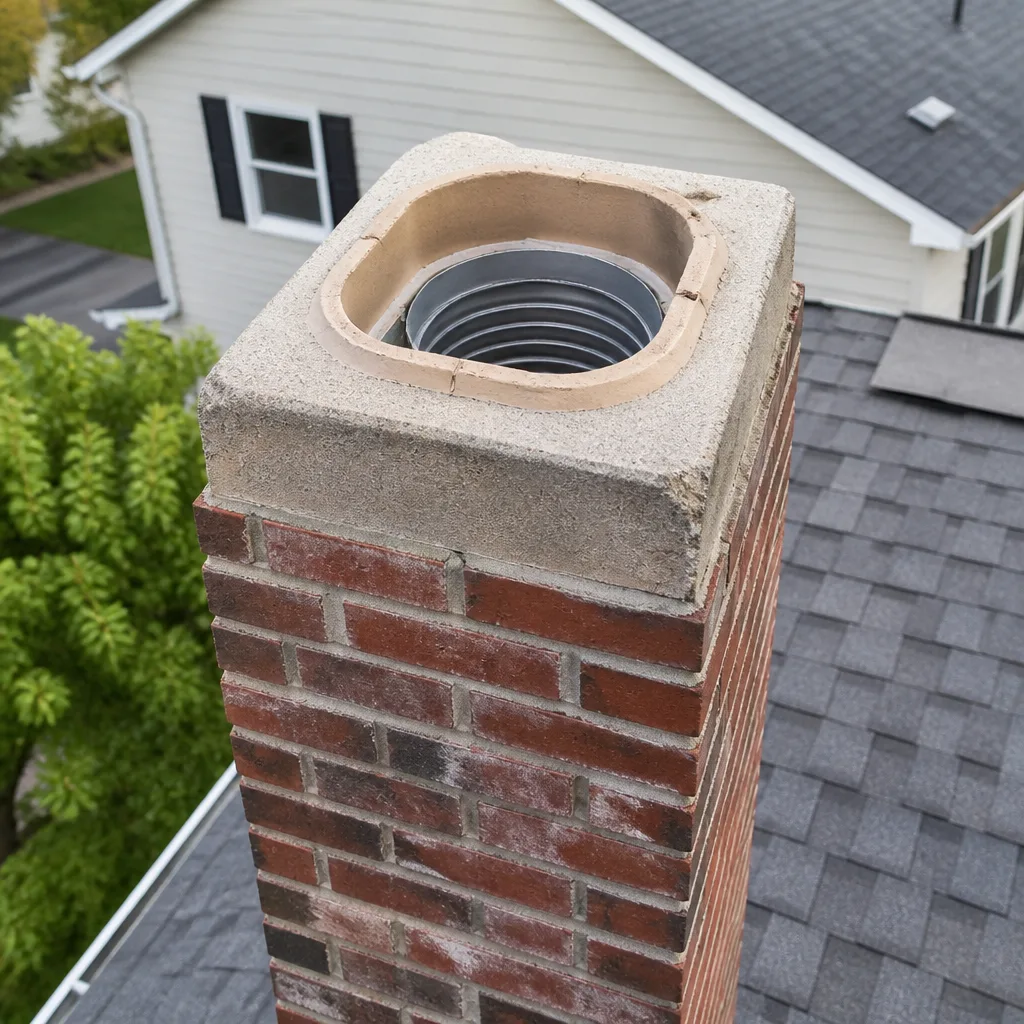
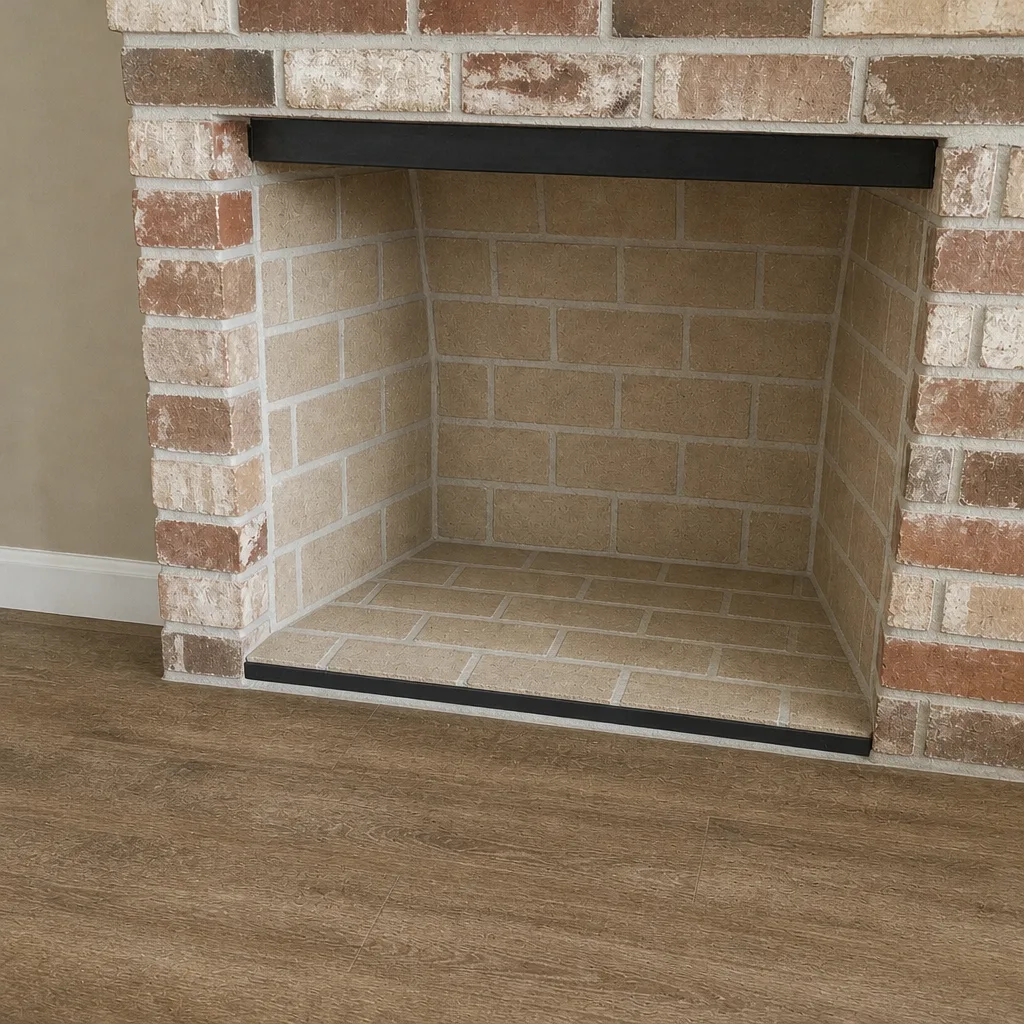
NFPA 211 also applies to the repair work that may follow. If a liner is cracked, the compliant fix is either a full relining or, when the liner is still structurally sound but deteriorated on the interior surface, a resurfacing product. We use HeatShield for that resurfacing work – it restores a deteriorating liner without tearing out the whole flue – and we use DuraFlex flexible liners when a full relining is the right call. The point is not to sell a reline when a resurfacing will do, or the reverse. The inspection tells us which the chimney actually needs.
After a fire in Laredo, we recommend booking the Level II inspection before the next cold front. Homes that wait tend to get caught when a second fire starts on a compromised liner, and that’s the scenario that turns a repair into a rebuild.
How do you document chimney condition for insurance after a fire?
Insurance claims for chimney fires turn on documentation. A claims adjuster needs proof of three things: that a fire event occurred, what the chimney condition was before the event (or at least what was reasonably ascertainable after), and what work is needed to bring the chimney back to a safe, code-compliant state. A thorough inspection report is the backbone of that documentation, and a vague one will get a claim delayed or denied.
A compliant post-fire inspection report should include:
- A clear statement of the inspection level performed (Level II after a fire event) and the standards followed (NFPA 211).
- A description of visible fire damage – soot patterns inside the flue, cracked or glazed liner sections, damage to the crown, damper, or smoke chamber.
- Camera or photo evidence of the flue interior and any inaccessible portions.
- An assessment of the appliance connection and clearances to combustibles.
- A recommended scope of repair, with the rationale tied to the damage found – not a generic “needs relining” line.
- The name and credentials of the inspector and the date of inspection.
Two practical notes for Laredo homeowners. First, photograph the exterior of the chimney and any visible damage from the ground before cleanup begins; a phone photo with a timestamp is useful supporting evidence. Second, keep the inspection report in a safe place once you have it. If the claim gets reopened months later, you’ll want it available. A chimney sweep visit is the natural starting point for that documentation trail. We work with the brand materials the trade actually specifies – HeatShield, DuraFlex, Olympia Chimney, Copperfield – and the inspection report will name the products we recommend so your adjuster has a clear scope.
How does carbon monoxide risk work in Laredo homes with blocked or failing chimneys?
Carbon monoxide is the silent hazard that follows a chimney problem. When a flue is blocked by creosote, soot, a bird’s nest, a collapsed liner section, or a failed damper, combustion gases that should rise up the flue instead spill back into the living space. CO is odorless and colorless, so there’s no warning smell to tip you off. In Laredo, where a mild winter can mean the fireplace is used intermittently, that intermittent use pattern is a particular risk: a short fire in a partially blocked flue may produce CO without the homeowner noticing the symptoms.
Symptoms to recognize:
- Headaches, dizziness, or nausea that improve when you leave the house and worsen when you return.
- Drowsiness or confusion, especially in the room with the fireplace.
- Soot stains or streaks around the firebox, the top of the chimney, or the doors of a wood stove.
- A fire that keeps going out or a draft that reverses, both of which point to a blocked or compromised flue.
If someone in the household is experiencing these symptoms while using the fireplace, get them outside and into fresh air and call for medical help. Don’t try to “air out the house” and continue using the fireplace. The chimney condition that caused the CO is still there.
The chimney conditions that most commonly cause CO in the Laredo area are blocked flues, cracked or separated liners, and a firebox that’s larger than its flue can draft. A properly sized, properly maintained flue drafts correctly and carries combustion gases up and out. If a fireplace in your home is slow to start, back-drafts, or smells strongly of creosote, that’s an inspection trigger just as much as a fire is. The same inspection that follows a fire is the one that heads off a CO event before it happens.
What does a preventive sweep look like before the cold season?
The best chimney emergency response is a sweep scheduled before the first cold front. In Laredo, that window falls in the weeks before winter, when overnight lows start to drop and the fireplace goes back into service. A sweep at that point installs a fresh, clean flue for the season and gives an inspector the chance to spot developing issues while they’re cheap to fix.
A chimney sweep visit typically includes:
- A visual check of the firebox, damper, and smoke chamber before sweeping begins.
- A full sweep of the flue with brushes sized to the liner, removing soot and creosote from the walls.
- A camera inspection of the flue to confirm the sweep is complete and to look for liner damage or buildup the brush couldn’t reach.
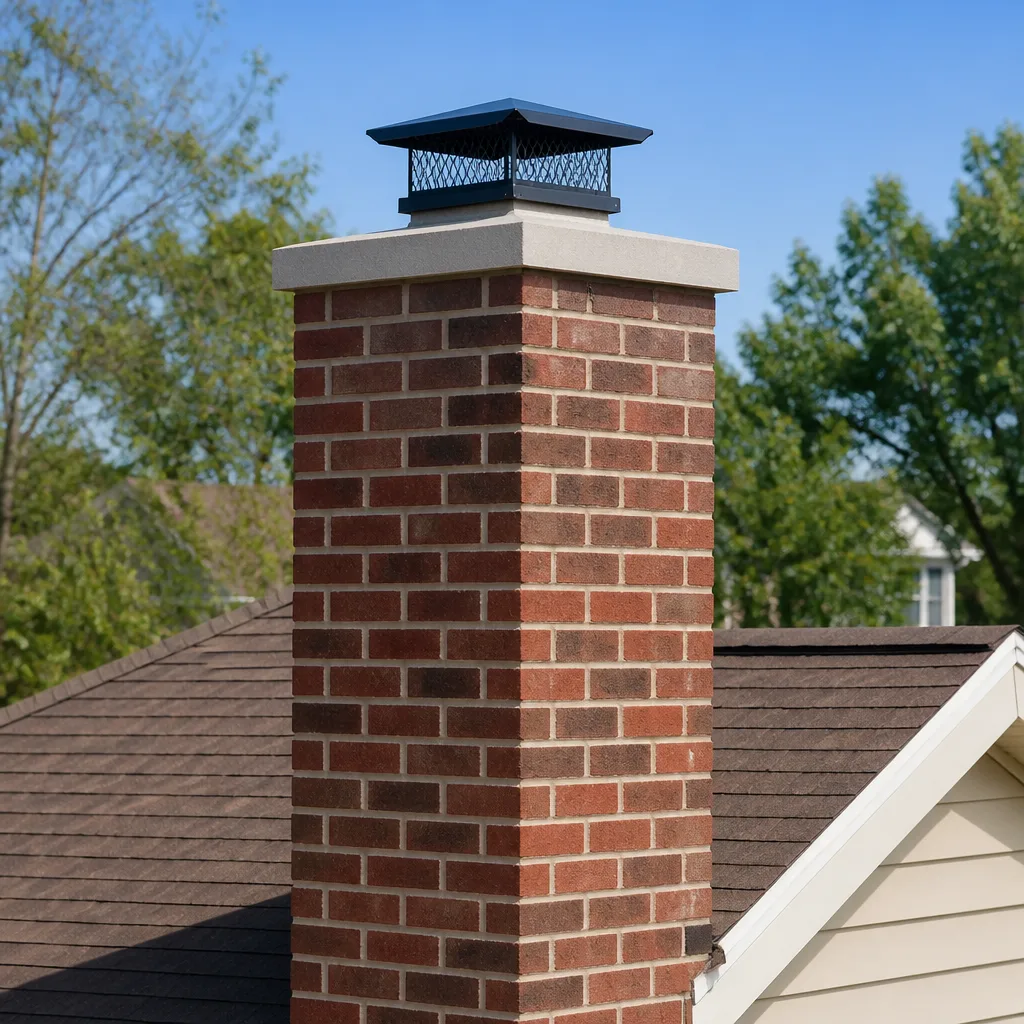
- A cap and crown check – the cap and the crown are the two most common failure points on the exterior, and both close the loop on weatherproofing. We install Gelco and Famco caps and covers as part of the exterior work.
- A photo report of everything found and swept.
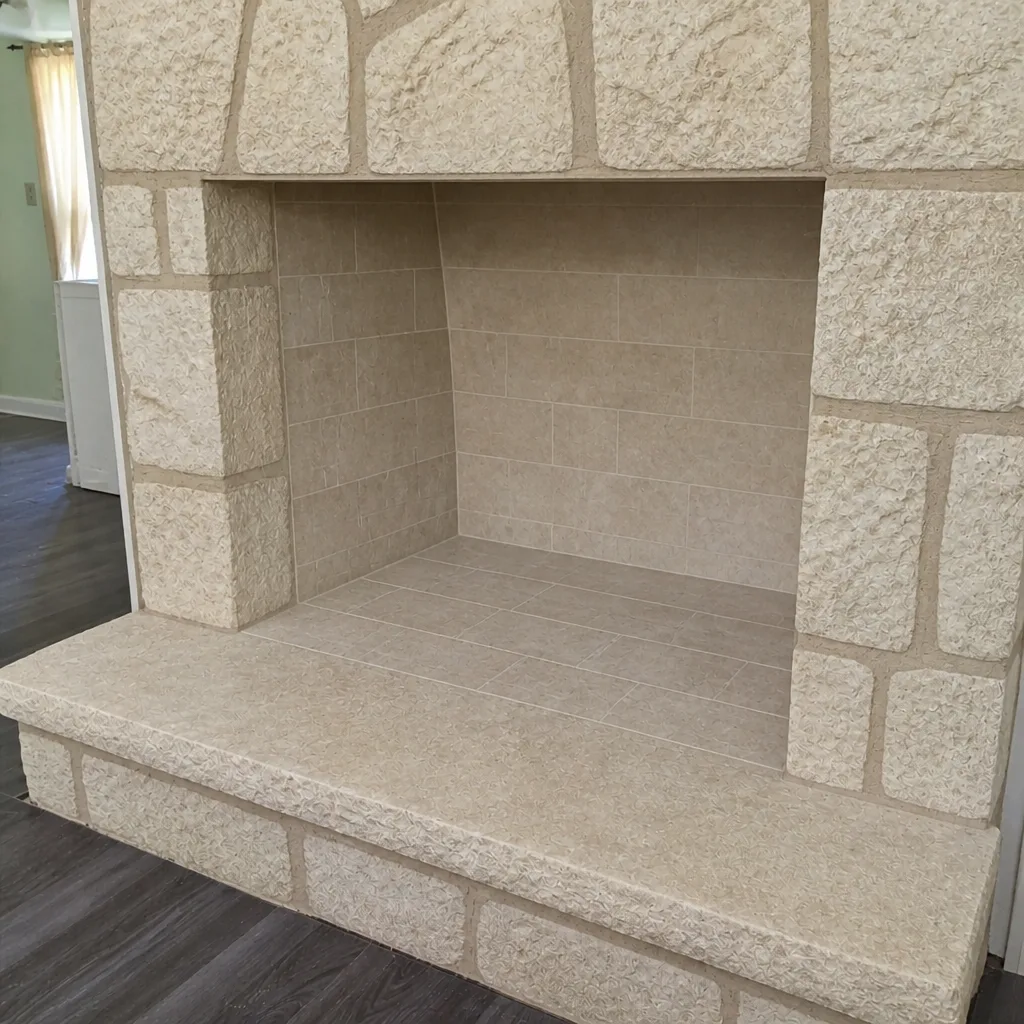
The sweep and the inspection feed directly into repair findings. If the camera finds a cracked liner, we recommend the right fix for that specific condition: resurfacing with HeatShield if the liner is sound but worn, or a DuraFlex reline if it’s structurally compromised. Doing the sweep and the inspection in one visit means the findings and the repair recommendation come from the same set of eyes, and the repairs can be scheduled without a separate assessment trip.
For homes that have had a fire event or a strong creosote smell, the same visit doubles as the post-fire or pre-fire inspection. The chimney is a single system, and the sweep, the inspection, and the repair should all be looked at together. If your chimney hasn’t been swept since the last heating season, that’s the starting point.
Common Mistakes to Avoid
- Burning wet or green wood to “save money.” Unseasoned wood produces more creosote per burn, which is exactly the condition that stacks up in a Laredo flue between fires. Dry, seasoned wood and a hot fire are the preventive pair.
- Assuming a mild winter means the fireplace doesn’t need a sweep. In Laredo, a short, cold fire on an unswept flue can be as dangerous as a long one. The condition of the flue, not the number of fires, sets the risk.
- Ignoring the smoke-back on a calm evening. That draft reversal is often the first physical signal of a partial blockage. Waiting for the next fire to “see if it’s better” is the mistake; the blockage doesn’t clear itself.
- Trying to DIY a flue inspection with a flashlight from the firebox. The part of the flue that matters most is the section you can’t see from the firebox. A camera inspection is the only reliable way to see liner damage.
- Relighting the fireplace the day after a “small” chimney fire. A fire that clears on its own has still put heat stress on the liner. NFPA 211 requires a Level II inspection before use, and that rule exists for a reason.
- Treating a CO detector activation as a nuisance alarm. If a CO alarm sounds while the fireplace is in use, get out and call for help, then get the chimney inspected before using it again.
- Hiring a general handyman for chimney work. Chimneys are a specialty trade. Liner resurfacing, relining, and cap installation require the right products and the right technique; a generalist fix can make a small problem worse.
See the difference
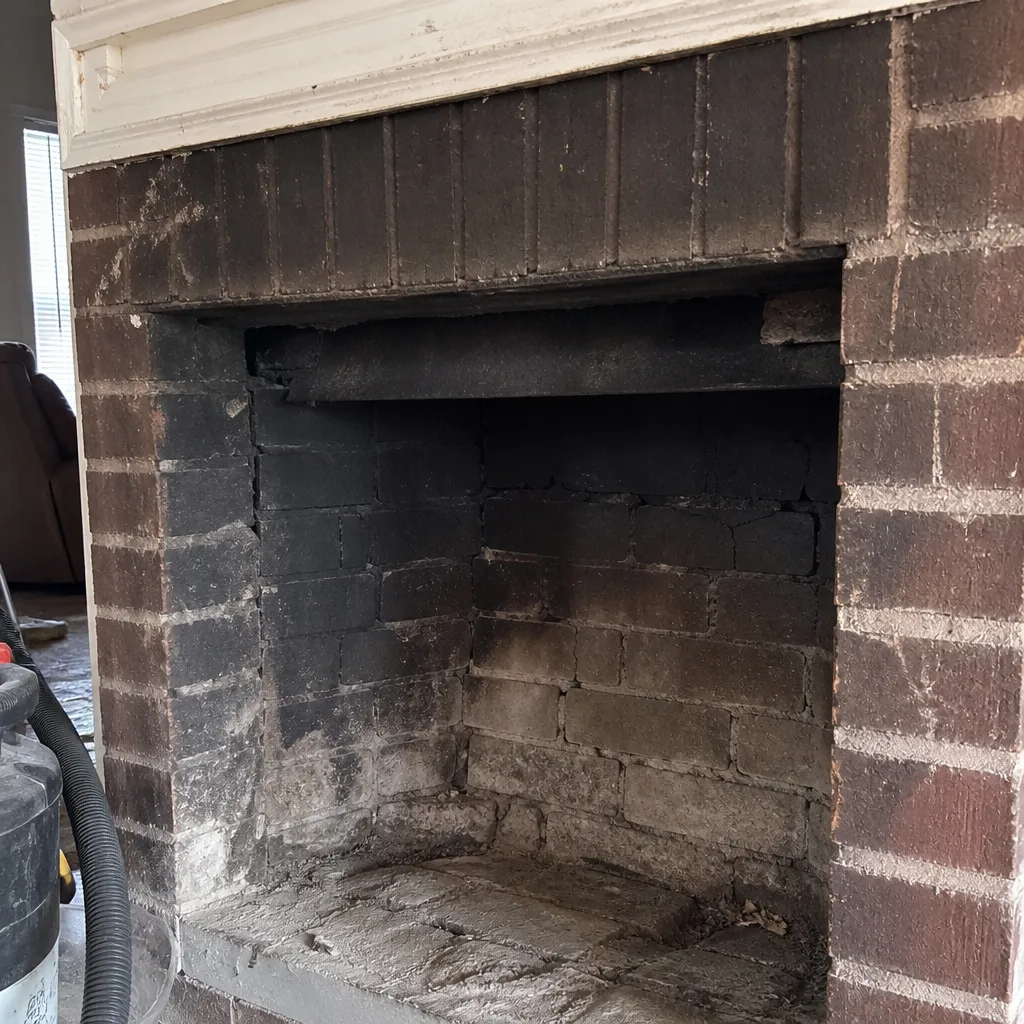 Before
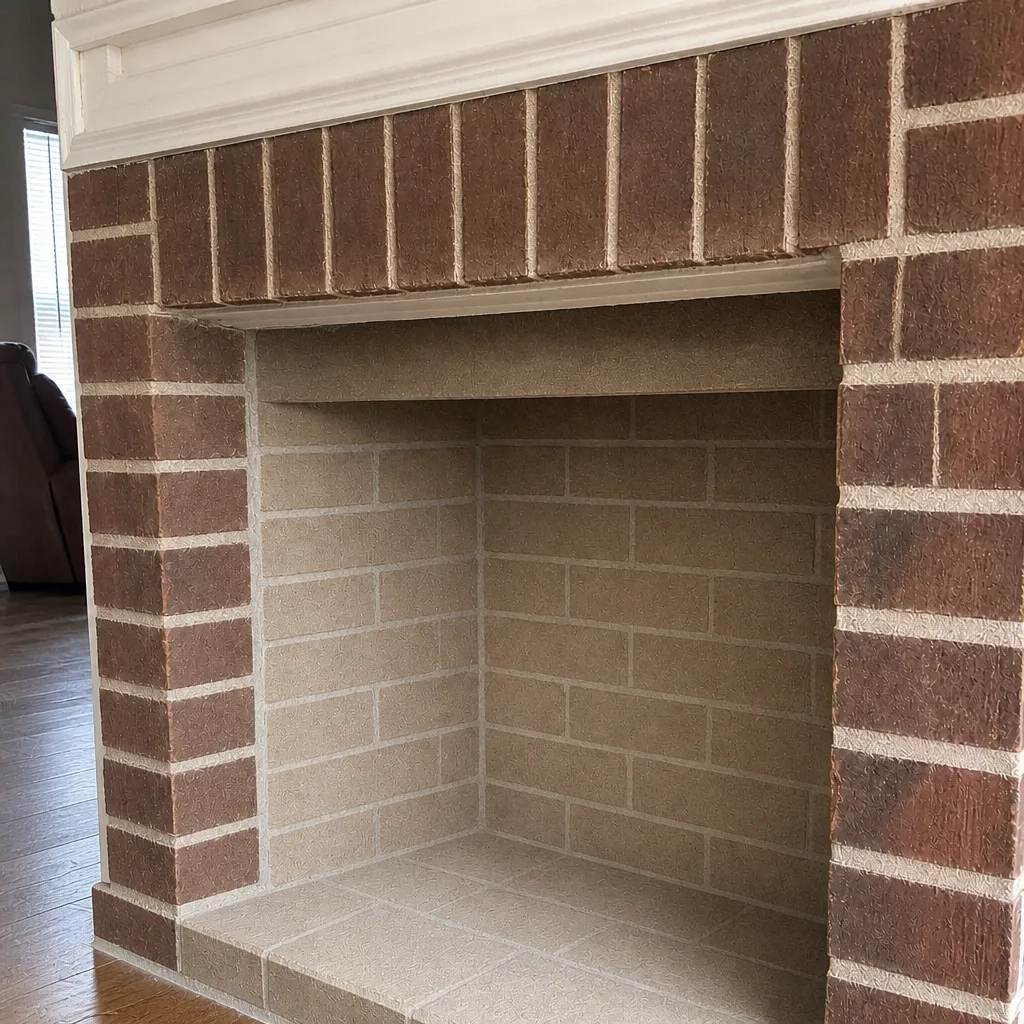 After
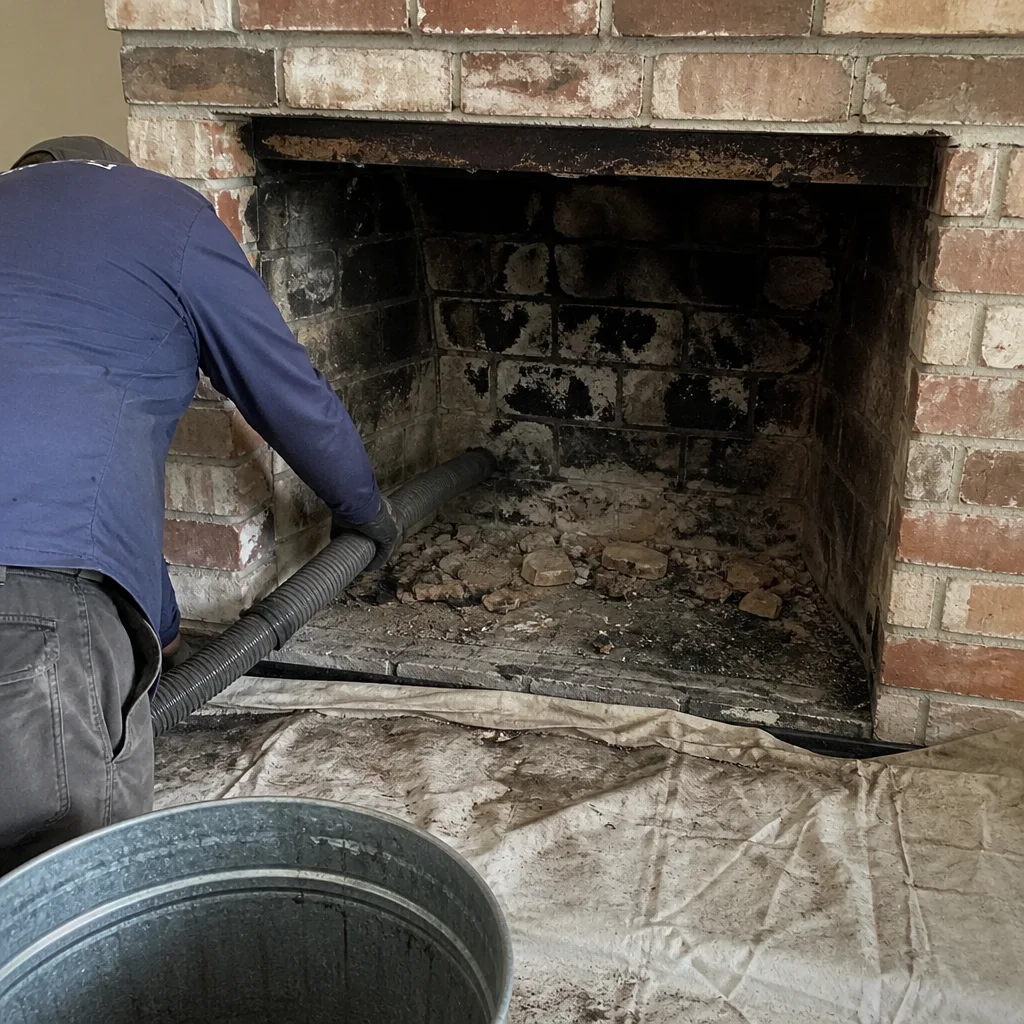 Before
 After
 Before
 After
When to Call a Professional
Call for a chimney professional when you notice any pre-fire signal – creosote smell, popping sounds, draft reversal, or a fire that won’t stay lit. Call after any chimney fire, even a small one that seemed to stop on its own, because a Level II inspection is required before the chimney can be used again. Call when a CO detector has activated, when a fireplace back-drafts habitually, or when you’re preparing for the first cold season and the chimney hasn’t been swept. Call before accepting a reline recommendation from a sweep-only outfit; a second opinion on a liner with HeatShield resurfacing as an option is worth having. Chimney Sweep Laredo offers free estimates in Laredo – call (855) 953-4291. We answer 24/7. Fast dispatch from 7am to 7pm, Sunday through Friday.
Frequently Asked Questions
Annual sweeping is the standard recommendation for any chimney that sees regular use, and in Laredo that usually means once before the winter season begins. If the fireplace is used heavily or the wood is partly seasoned, a mid-season check is worth scheduling. If the chimney hasn’t been swept since last season, book one before the first cold front. Call (855) 953-4291 for an exact quote – estimates are free.
Creosote accumulates with every fire, and once a heavy glazed layer forms, the flue can reach ignition temperatures. The consequences range from a smoke-back on a cold evening to a chimney fire that damages the liner and requires a reline. Skipping a sweep also means the early signs of a cracked liner or failing crown go unnoticed until they cause a bigger problem. Call (855) 953-4291 to book a sweep before the season starts.
Yes. NFPA 211 requires a Level II inspection after any chimney fire before the chimney can be used again, and “seems fine” is not a substitute for a camera look at the flue. Cracked liners and warped dampers can cause CO leaks that aren’t visible from the firebox. Call (855) 953-4291 to schedule a Level II inspection.
Sometimes resurfacing is enough, sometimes a full reline is the right call, and the difference is what the camera shows. HeatShield resurfacing restores a liner that’s sound but worn; DuraFlex relining is used when the liner is structurally compromised. Nothing is recommended without photo evidence you can see for yourself. Call (855) 953-4291 for a free estimate and a clear explanation of the options.
Burn dry, seasoned wood, avoid over-firing the fireplace (loading it heavily and letting it burn hot for long stretches), keep the damper open during the burn, and never use the fireplace with a heavy creosote smell present. Those steps reduce the rate creosote builds. They don’t replace an annual sweep and camera inspection, which are the only reliable way to confirm the flue is clean and intact. Call (855) 953-4291 to book one.
You can’t reliably know from the ground level, because the damage that matters – cracked liners, warped dampers, separated sections – happens inside the flue. A camera-based Level II inspection is the way to determine damage. It produces a written report with photos that are also what your insurance adjuster will ask for. Call (855) 953-4291 to book an inspection.
The Bottom Line
A chimney fire emergency in Laredo is almost always preceded by detectable conditions: a corrosive smell, popping sounds in the flue, and draft that stalls or reverses. Learn those signals, act on them within a 24-to-72-hour window, and you have time to sweep and inspect before ignition is a real risk. If a fire happens, get everyone out, call 911 for anything beyond a small quick whoosh, and treat the chimney as unusable until a Level II inspection under NFPA 211 clears it. Document everything for insurance with a camera-backed report. Recognize CO symptoms and act on them. From the firebox to the crown, the whole chimney needs one set of trained eyes. This is the ground a real professional covers.
Chimney Sweep Laredo offers Chimney Sweep, Chimney Inspection, and Chimney Repair with the brand materials the trade specifies – DuraFlex, HeatShield, Gelco, Olympia Chimney, Famco, and Copperfield. Our technicians have up to 14 years of experience. Call (855) 953-4291 for a free estimate. We answer 24/7. Fast dispatch from 7am to 7pm, Sunday through Friday.
Written by the team at Chimney Sweep Laredo.