
Last updated November 15, 2026
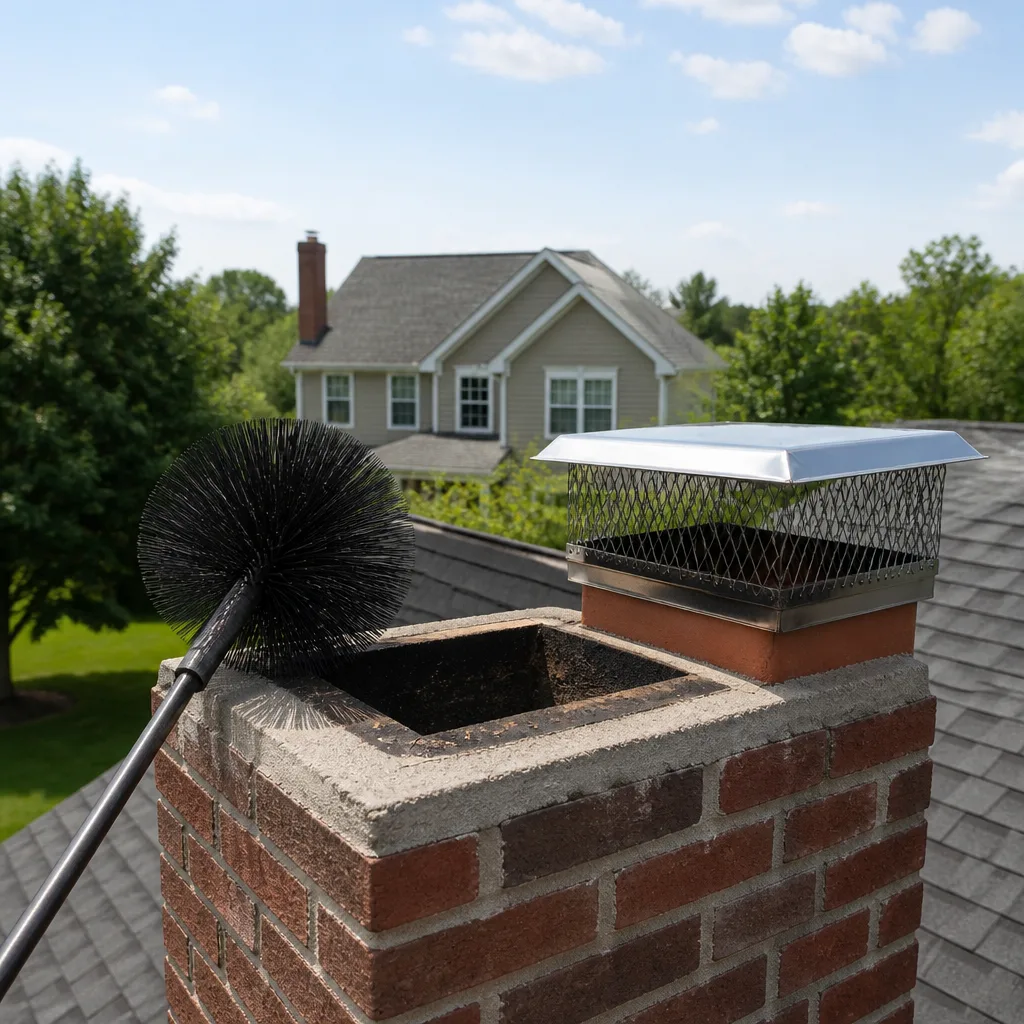 Sweep & inspection
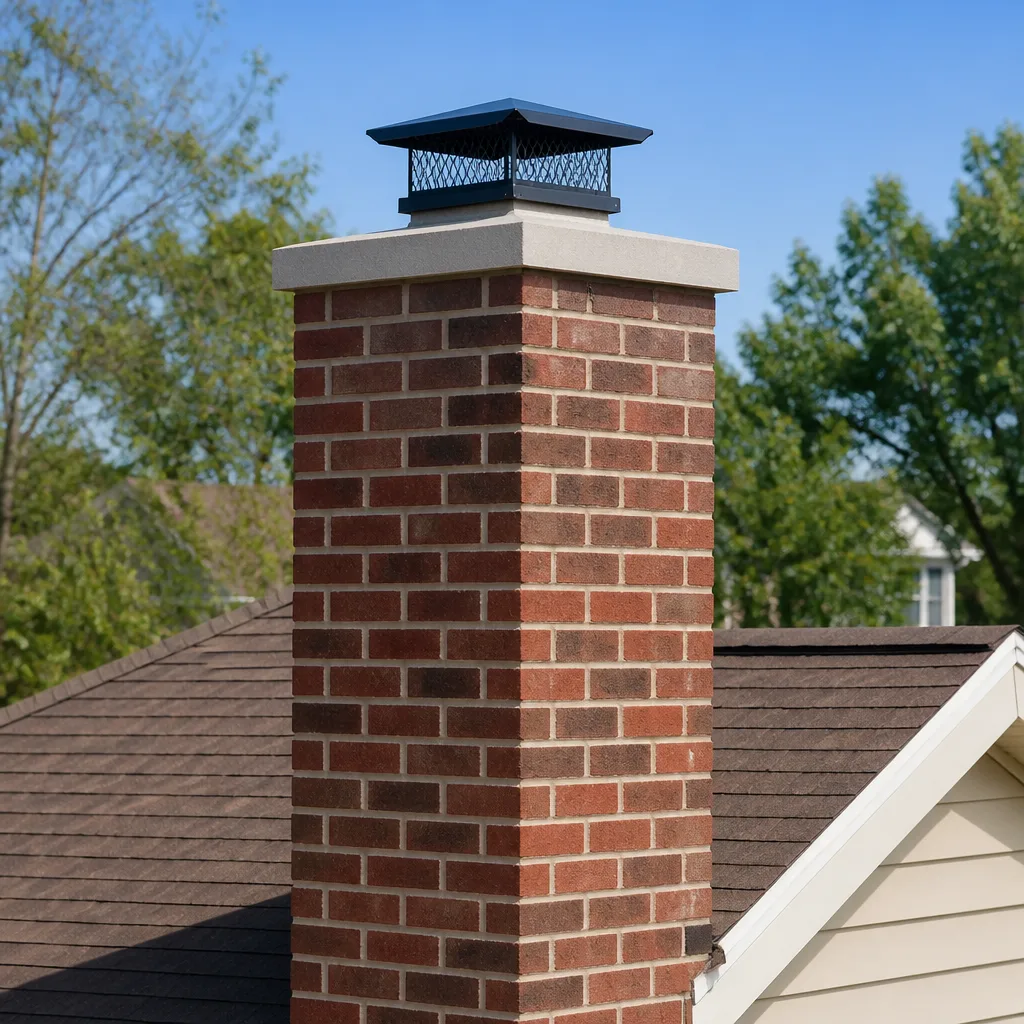 Caps & crowns
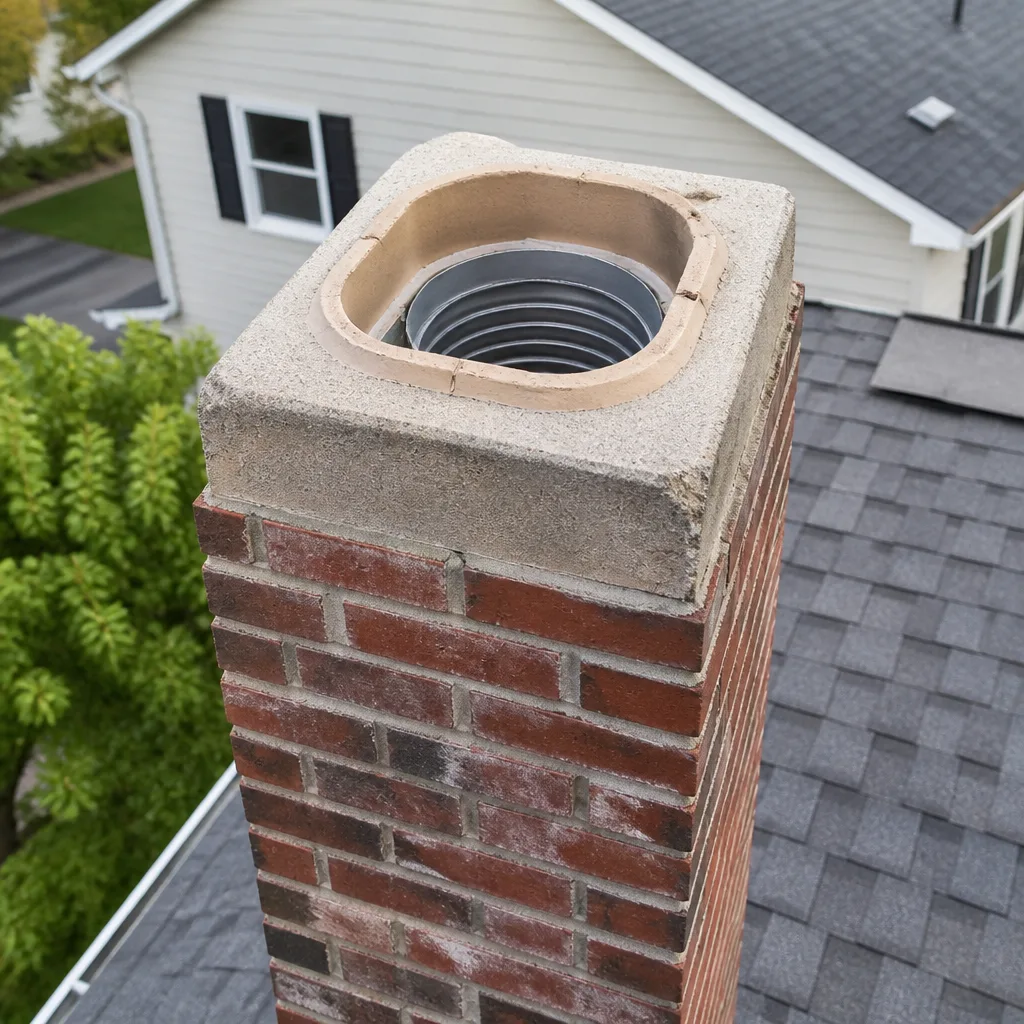 Flue relining
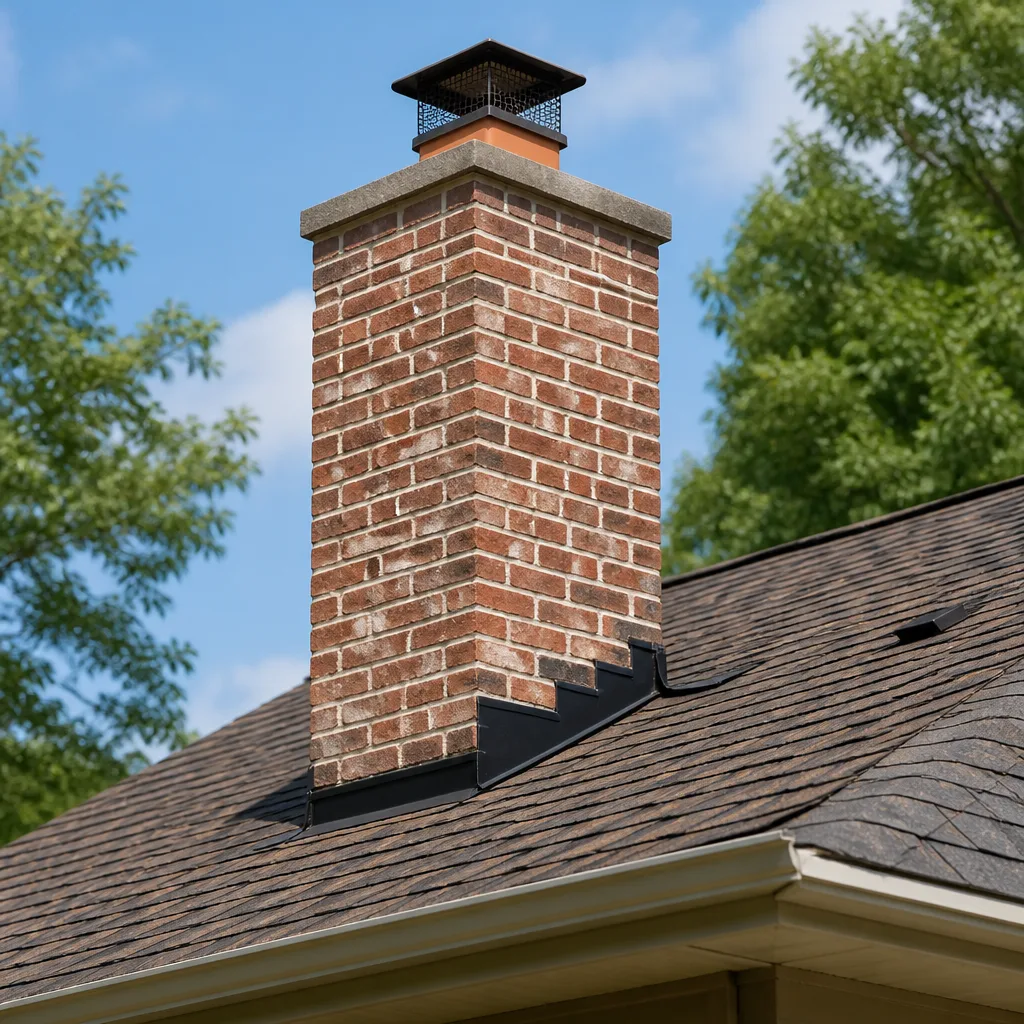 Masonry repair
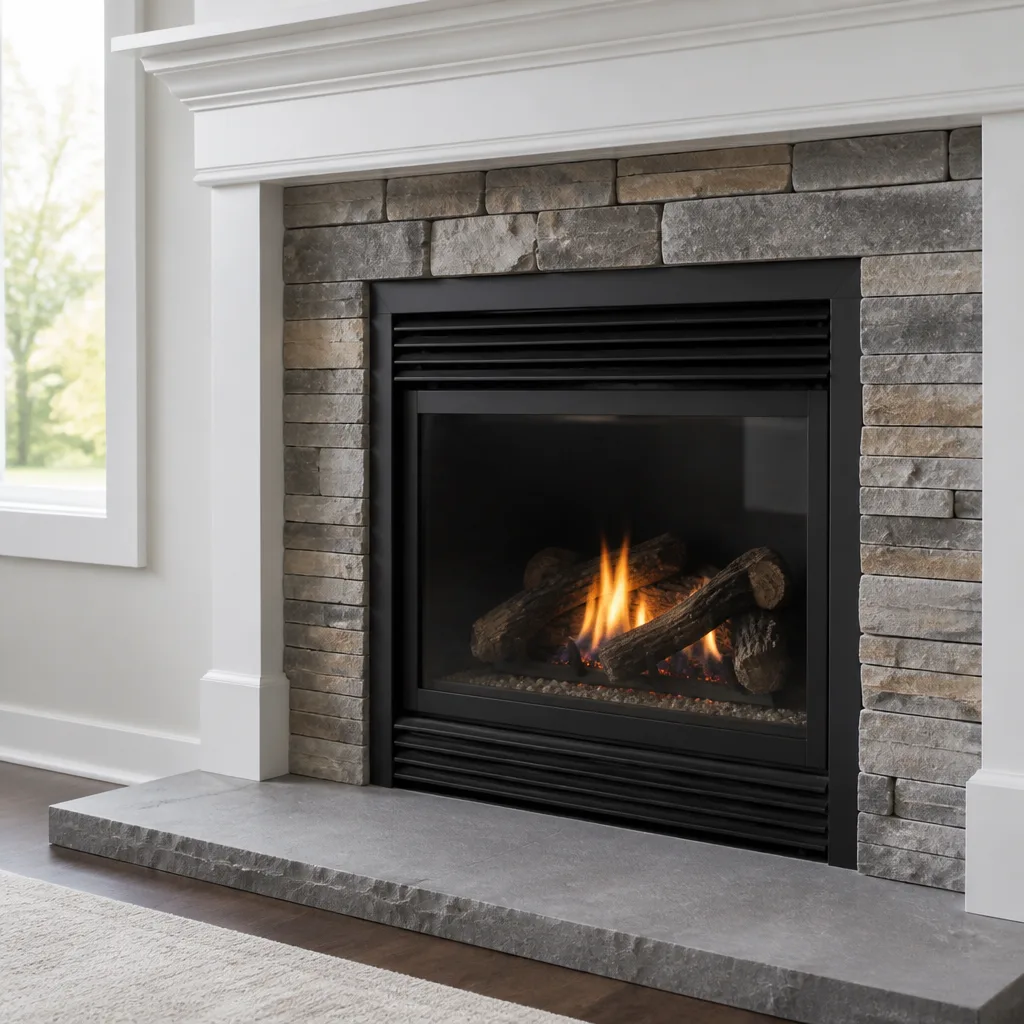 Gas fireplace service
Level 1 sweep and inspection to the NFPA 211 annual standard - flue, crown, cap, and flashing checked and photographed
Chimney sweep logs do not sweep chimneys. They loosen some creosote - which then falls where a brush and vacuum still have to collect it.
Chimney Cleaning Cost Breakdown: The Laredo Homeowner’s Reference for 2026
Two chimney sweeps in Laredo can both quote $150 and deliver completely different things. One runs a rotary system with a HEPA vacuum attached, scans the flue with a camera, and hands you photos of what the inside of your chimney actually looks like. The other brushes once, bags the soot, and gives you a receipt with a signature on it. The number on the invoice is identical; the work behind it isn’t remotely the same. That’s the core problem with chimney cleaning pricing in Laredo: quotes get compared as if they’re commodities when they’re really a bundle of tasks, and every company bundles differently. This guide breaks chimney care down by individual task and material so you can compare quotes on equal terms, build a multi-year budget, and spot the difference between a bargain and a shortcut. From the firebox to the crown, here’s what each piece of the job actually costs and why.
Quick Answer
A standard chimney sweep in Laredo typically runs $150 to $300, and a Level I inspection is often included or adds $75 to $150 on its own. A Level II inspection with a camera scan runs $200 to $450. Repairs like a cap replacement, smoke chamber resurfacing, or a liner job are priced separately and can range from a couple hundred dollars to several thousand depending on the material and the condition of the flue. The written estimate always sets the final price.
Styles & brands we work with
- Sweep & inspection
- Caps & crowns
- Flue relining
- Masonry repair
- Gas fireplace service
Table of Contents
- Breaking the Quote Into Tasks: What You’re Actually Buying
- What Drives Price Variation in Laredo
- Sweeping vs. Inspection: Why the Two Get Bundled
- Red Flag Pricing: Too Low and Too High
- Repair Costs: Resurfacing, Relining, Caps, and Covers
- Brand-Tier Impact on Repair Costs
- Building a Multi-Year Cost Model
- What You Can Check Yourself and What You Can’t
Breaking the Quote Into Tasks: What You’re Actually Buying
A chimney cleaning quote is really a stack of individual tasks with a single total on the bottom line. When you know what each task involves, you can read any quote and understand exactly what’s included, what’s been left out, and what’s being padded. Here’s how the individual pieces generally price out in the Laredo market.
| Task | Typical Estimated Range | What It Involves |
|---|---|---|
| Standard sweep (wood-burning) | $150 – $300 | Rotary brushing of the flue, firebox cleaning, soot removal with a vacuum system |
| Gas appliance service | $120 – $250 | Cleaning of the venting, checking for blockage and proper draft |
| Level I inspection | $75 – $150 (often bundled) | Visual check of accessible chimney components, firebox, damper, and cap |
| Level II inspection with camera | $200 – $450 | Video scan of the full flue interior, documented with a photo report |
| Cap replacement | $200 – $500 | Removal of the old cap, installation of a new stainless or galvanized cap sized to the flue |
| Smoke chamber resurfacing | $400 – $1,200 | Parging the smoke chamber with a refractory mortar to smooth the transition above the damper |
| Flue liner resurfacing (HeatShield-type) | $1,200 – $3,000 | Resurfacing a deteriorated but structurally sound clay liner from the inside |
| Full liner replacement (DuraFlex-type) | $2,500 – $6,000 | Installing a flexible stainless liner system for a cracked or unlined flue |
Read those line items carefully, because the keyword is “typical.” These are estimated ranges for the Laredo market, not fixed prices. Flue height, roof pitch, access, and the condition of the flue all move the number up or down. What matters more than the total is whether the quote you’re holding accounts for each task you actually need, or quietly bundles a short sweep with a long list of additions that won’t get done.
The single most common mistake homeowners make when comparing quotes is treating the number alone as the comparison. A $150 quote and a $250 quote can represent the same work if the first company is only sweeping and the second is sweeping plus a Level I inspection with a photo report. They can also represent wildly different work if the first company doesn’t own a camera and the second runs a full video scan. Always ask for a task-by-task breakdown in writing. A company that can’t produce one is telling you something before the sweep even starts.
Why “Sweep Only” and “Sweep Plus Inspection” Price Differently
Brushing a flue is mechanical work that takes roughly an hour on a typical single-story Laredo home. A Level II inspection with a camera scan adds time, equipment wear, and a written report. If a quote claims to include a camera inspection, ask to see the report format before booking. The presence of a camera on the truck doesn’t mean the tech runs it. In our experience, the honest companies will describe exactly what the report includes and what it won’t catch.
What Drives Price Variation in Laredo
Two Laredo homes with identical square footage can get very different sweep quotes. That gap isn’t arbitrary. Several specific, physical factors move the number, and understanding them lets you predict your own estimate before you ever pick up the phone.
- Flue height and roof access. A single-story ranch on a low-pitch roof in a Laredo suburb is fast to access. A taller two-story chimney or one with a steep roof pitch, tight attic hatch, or limited ladder placement adds labor time and safety planning. The taller the flue and the harder the access, the more the sweep costs.
- Fuel type burned. A wood-burning fireplace produces creosote and ash that require full brush-and-vacuum handling. A gas appliance vents differently and is often quicker to service. If you burn both in the same chimney, budget for the wood side; that’s the heavier job.
- Years since the last cleaning. A chimney swept every year needs a routine pass. A chimney that hasn’t been opened in five or ten years can have heavy, glazed creosote deposits that resist brushing and may require chemical treatment before the flue can be cleaned safely. That’s a longer job and a higher quote, and it’s exactly why annual maintenance saves money over the long run.
- Liner material and condition. A sound clay tile liner cleans predictably. A cracked tile liner or an unlined flue is a different job with more risk in it, and a company that doesn’t inspect for liner condition can’t price honestly. This is where a chimney repair conversation sometimes starts on the same visit as the sweep.
- Blockages and obstruction. Nesting material, fallen masonry, or a collapsed cap section can turn a routine sweep into a clearing job. A camera scan at the start of the visit tells you which kind of visit you’re having.
Laredo’s climate shapes this in a specific way. Winters here are mild, which means many homeowners light the fireplace far less often than someone in a colder climate would. That changes the creosote pattern: you may accumulate a smaller volume of deposits but over a much longer period between cleanings, and a flue that sat unused for several mild seasons may have insect nesting or debris lodged above the damper rather than a thick creosote load. Mild winters also mean a longer dormant stretch where a damaged cap or missing spark arrestor lets in rain and dust unchecked. That’s why we don’t use “once a year, no exceptions” as a slogan here. We use annual because it keeps a mild-climate chimney from going unobserved for years, not because the creosote load builds like it would somewhere colder.
Sweeping vs. Inspection: Why the Two Get Bundled
A chimney sweep is a cleaning task. An inspection is an assessment. They get bundled because a proper inspection happens before cleaning to identify what the cleaning needs to address, and the cleaning exposes surfaces you couldn’t otherwise see. Understanding the difference is the single best way to read a quote that claims to include “inspection.”
There are three levels of inspection in the chimney trade:
- Level I. A visual check of all accessible parts of the chimney, firebox, and venting system, without the use of specialized tools. It’s the standard annual check for a chimney that hasn’t changed and that you plan to keep using the way you always have.
- Level II. A more involved assessment that adds a video camera scan of the flue interior and a written photo report. It’s called for after a chimney fire, after a change in use, before a liner job, or when you’re buying a home in Laredo and want to know what you’re inheriting.
- Level III. A diagnostic inspection that involves opening concealed parts of the chimney, like removing a section of wall or masonry. It’s rare and reserved for specific suspected problems that the lower levels can’t resolve.
Why bundle the two? Because a sweep without an inspection tells you the flue is clean but not whether it’s safe. We show you what we find. A camera scan catches a cracked liner, a misaligned joint, or a thin spot that brushing passes right by. If the inspection is the only way to know what condition the flue is in, and the sweep is the only way to see the flue, it makes sense to do both together. That’s why the quote you’re comparing should state which level of inspection is included. If a quote only says “cleaning and inspection,” ask exactly which level, whether a camera is used, and whether you receive a report.
What a Good Inspection Report Contains
A useful report isn’t a checklist of boxes. It’s a documented record with photos of the firebox, smoke chamber, flue interior, crown, and cap, plus a plain-language note on anything that needs attention and a note on anything that can safely wait. That second part matters more than most homeowners realize. A company that tells you everything is urgent at every visit is not giving you a report; it’s giving you a sales pitch.
Red Flag Pricing: Too Low and Too High
Both unusually low and unusually high quotes should make you pause, and for different reasons. A quote that seems like a bargain is usually omitting something. A quote that seems inflated is often padding something. Knowing what each type of quote tends to leave in or out lets you sort the genuine estimates from the marketing.
What an unusually low quote is usually omitting:
- The camera scan. A quote that says “inspection included” without a camera is a Level I visual, not a Level II. That’s fine for many chimneys, but it’s not the same product.
- The vacuum system. A sweep without a HEPA vacuum on the flue opening dusts your living room. The equipment is part of the price.
- Time on the flue. A low quote can be realistic for a short, easy-access flue and unrealistic for a taller or harder one. If you have a tall chimney and the quote is the same as for a single-story home, ask why.
- Liner condition. A quote that assumes a cleaning without checking the liner may be pricing a job that a Level II would change entirely.
What an inflated quote may be padding:
- A rebuild or reline offered on a chimney whose liner has only a hairline issue. Resurfacing a liner can often solve a problem that a full replacement quote ignores.
- A “safety package” bundling services you didn’t ask for and don’t need this year.
- Work priced as urgent when a camera photo would let it safely wait until the next season.
The honest middle is a quote that is specific, itemized, and accompanied by the camera evidence for any recommendation. If a company recommends $4,000 of work, ask to see the photo that justifies it. A real expert shows you what they see. If the answer is “trust me,” that’s a red flag on its own.
Repair Costs: Resurfacing, Relining, Caps, and Covers
Repairs are where chimney costs diverge most. The right repair depends entirely on what the inspection found, and that’s the point. The right liner fix for your chimney’s condition is not always the biggest one. Here’s how the repair side typically prices in Laredo and what separates one repair from another.
| Repair | Typical Estimated Range | When It Applies |
|---|---|---|
| Smoke chamber resurfacing | $400 – $1,200 | Rough or deteriorating smoke chamber that catches creosote or restricts draft |
| Flue liner resurfacing | $1,200 – $3,000 | Deteriorated but structurally sound clay liner; restores the flue interior without removal |
| Full flexible liner installation | $2,500 – $6,000 | Cracked, dislodged, or missing liner where the flue needs a new structural lining |
| Cap replacement | $200 – $500 | Damaged or missing cap, or upgrading to a cap with a spark arrestor |
| Crown repair | $300 – $900 | Cracked crown that lets water into the masonry |
| Masonry repointing | $500 – $2,000 | Deteriorated mortar joints in the chimney stack |
Two things stand out in that list. First, resurfacing versus full replacement is often the difference between a bill of $1,500 and a bill of $5,000, and the deciding factor is the condition of the existing liner. A structurally sound liner with a deteriorated inner face is a resurfacing job. A cracked, dislodged, or absent liner needs a full flexible system. Getting that judgment right is what separates a chimney specialist from a jack-of-all-trades who brushes once and refers the rest out.
Second, the small exterior repairs, cap replacement and crown repair, are the ones most often postponed. In Laredo, a missing or damaged cap lets rain and dust into a flue for months of mild weather between burns. That’s a cheap job that prevents an expensive one. Gelco and Famco caps and covers close that loop, and handling them alongside the sweep and inspection means one crew, one visit, from the firebox to the crown.
Brand-Tier Impact on Repair Costs
Here’s where a repair quote can look expensive in the short term and save money over the years. Professional-grade sealants and liner materials cost more upfront than builder-grade materials, but they tend to reduce the frequency of callbacks, re-inspections, and premature failures. That upfront difference isn’t padding. It’s the cost of a repair that lasts.
We work with six recognized trade brands: DuraFlex, HeatShield, Gelco, Olympia Chimney, Famco, and Copperfield. Each serves a specific job:
- HeatShield resurfacing restores a deteriorated clay liner in place, sparing the cost and disruption of a full liner replacement when the liner is still structurally sound. Fewer sweep-only companies carry the capability because it takes training and material handling.
- DuraFlex flexible liner systems cover the jobs where a new structural lining is the right answer. These are high-skill installations, and the material choice matters for a flue that will see years of hot exhaust.
- Olympia Chimney, Copperfield, Gelco, and Famco cover the cap, crown, and exterior protection work that closes the loop. A single family of brands for the top of the chimney means the cap and the crown match the system above the flue.
The point isn’t brand names for their own sake. It’s that the materials behind the price determine how often you’ll pay that price again. A cheap sealant that fails in two seasons costs more than a professional-grade one that holds. When you compare repair quotes, ask what material is being used and whether the company stocks and is trained on that brand’s system. If the answer is vague, that’s the price gap explaining itself.
Building a Multi-Year Cost Model
A chimney is a maintenance line item, not an emergency expense, if you plan for it. The homeowner who budgets chimney care like they budget the car gets a smaller bill over five years than the one who calls only when something smells wrong. Here’s a way to build that model for your Laredo home.
- Start with a baseline inspection. Get a Level II inspection with a camera at least once, and keep the report. It’s your reference point for every year after.
- Budget an annual sweep. Assume one standard sweep a year, at the typical Laredo range of $150 to $300, plus a Level I inspection if it isn’t bundled.
- Set aside a repair reserve. Put a few hundred dollars a year aside for the small exterior items (cap, crown, repointing) so a $400 fix doesn’t become an emergency.
- Plan for one major item every several years. A flue resurfacing or a liner replacement doesn’t happen every year, but it happens eventually on most masonry chimneys. Over a multi-year horizon, plan for one moderate repair (roughly $1,000 to $3,000) as a realistic line item.
- Re-inspect after any chimney fire or major change. A fire, a change in fuel, or a home purchase calls for a Level II scan before you spend another season on assumptions.
Run that math and the annual sweep is the cheapest item on the list. It also happens to be the one that prevents the expensive ones. The cost model works because the steepest line item, a liner or masonry repair, is often preventable or deferrable with a camera-documented inspection and a cap that does its job. That’s the strongest case for treating the sweep as a subscription rather than a repair.
What You Can Check Yourself and What You Can’t
Some of the chimney is within reach of a careful homeowner, and some of it isn’t. Knowing the line between the two matters for cost, because there are checks you can do before you call and checks you should never attempt.
What you can check: Look up at the cap and crown from the ground with binoculars. Note any visible cracks, missing cap sections, or loose mortar. Check that the damper opens smoothly. Listen for nesting sounds in the spring. Note any dark stains on the chimney exterior or a lingering smoky smell in the room after a fire is out. Those observations go on your list for the professional visit.
What you cannot check yourself: The inside of the flue is the part that matters most and the part you can’t see without a camera. The liner, the smoke chamber above the damper, and the condition of joints between tile sections are all out of reach. Creosote buildup and blocked flues can lead to chimney fire and carbon monoxide exposure, and a homeowner without a camera has no way to assess either. The same goes for the top of the flue: we don’t recommend climbing on a roof to service a cap or crown, because the fall risk is real and the job is quick for someone with the right equipment. Schedule the sweep and let the trained technician cover the flue and the roof work together.
This is also where the incentive to oversell lives. If you can’t see the inside of your flue, you can’t evaluate a claim that it needs a $5,000 reline. The answer is a camera inspection with photos you keep. Nothing gets recommended without evidence you can look at. That single standard removes most of the guesswork from the quote conversation.
Common Mistakes to Avoid
- Comparing on price alone. Two quotes with the same number can cover different tasks. Ask for an itemized list on both before you pick. The gap between them is usually the inspection and the camera scan, and that’s the part that keeps you safe.
- Bundling the sweep and the repair without asking why. A repair recommendation needs a photo behind it. If a company says you need a reline as soon as they walk in, ask to see the scan. We show you what we find, and other good companies should too.
- Skipping the sweep because the fireplace wasn’t used much. In Laredo’s mild winters, a fireplace can sit unused for many months between burns. That long dormant stretch lets the cap and crown take rain and dust unchecked, so an annual inspection still catches exterior damage on a fireplace you barely lit.
- Ignoring the cap and crown. These are the cheapest items on the repair list and the ones that let water into the masonry. Replacing a damaged cap or crown is far cheaper than repointing or rebuilding the stack.
- Believing a builder-grade repair will hold. A cheap sealant or cap that fails in a couple of seasons costs more than a professional-grade one that lasts. Ask what material is being used, not just what it costs.
- Waiting for a smell or a stain. Both of those are symptoms a camera scan finds earlier. A chimney doesn’t announce a cracked liner; it just quietly fails to vent correctly until you notice.
- Using a handyman for chimney work. A generalist with a brush can sweep. A cracked liner, a compromised smoke chamber, or a full reline needs a specialist who stocks and is trained on the materials. This is a specialism, not a side job.
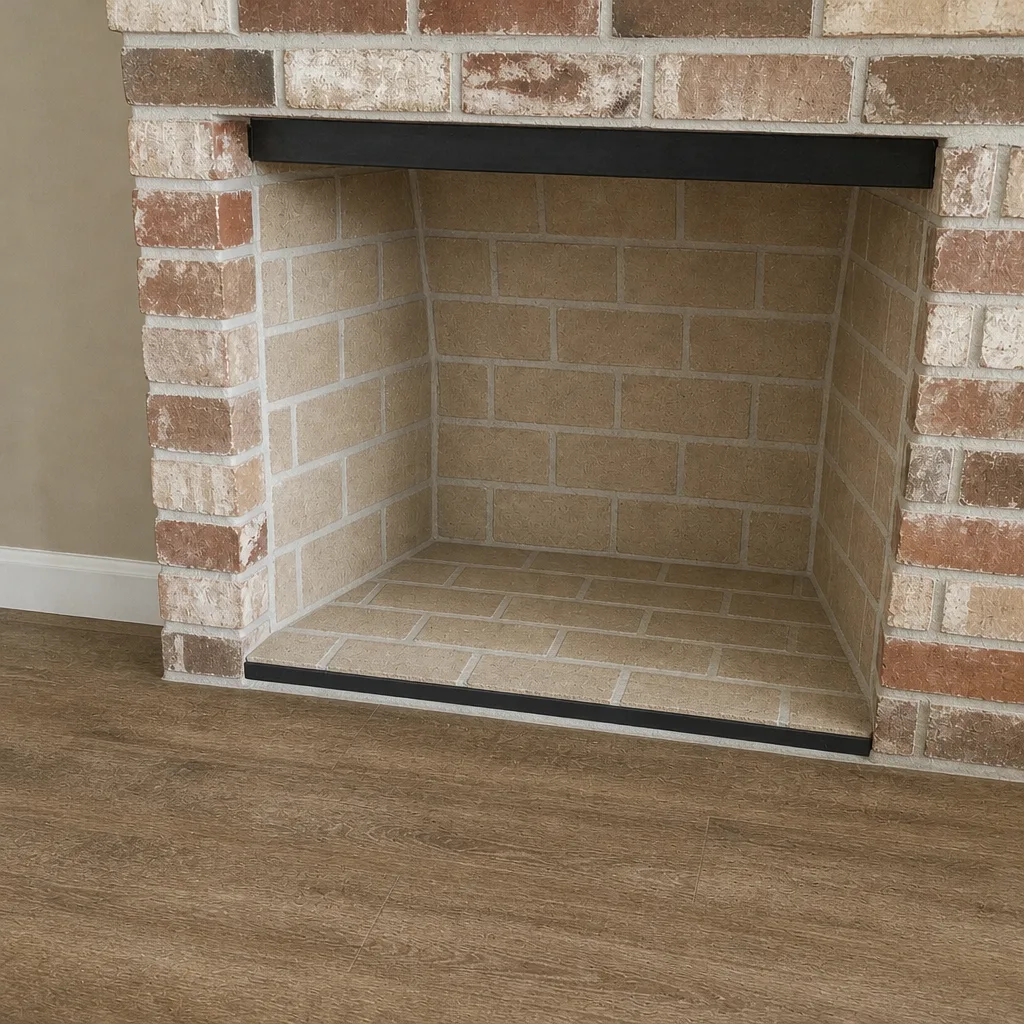
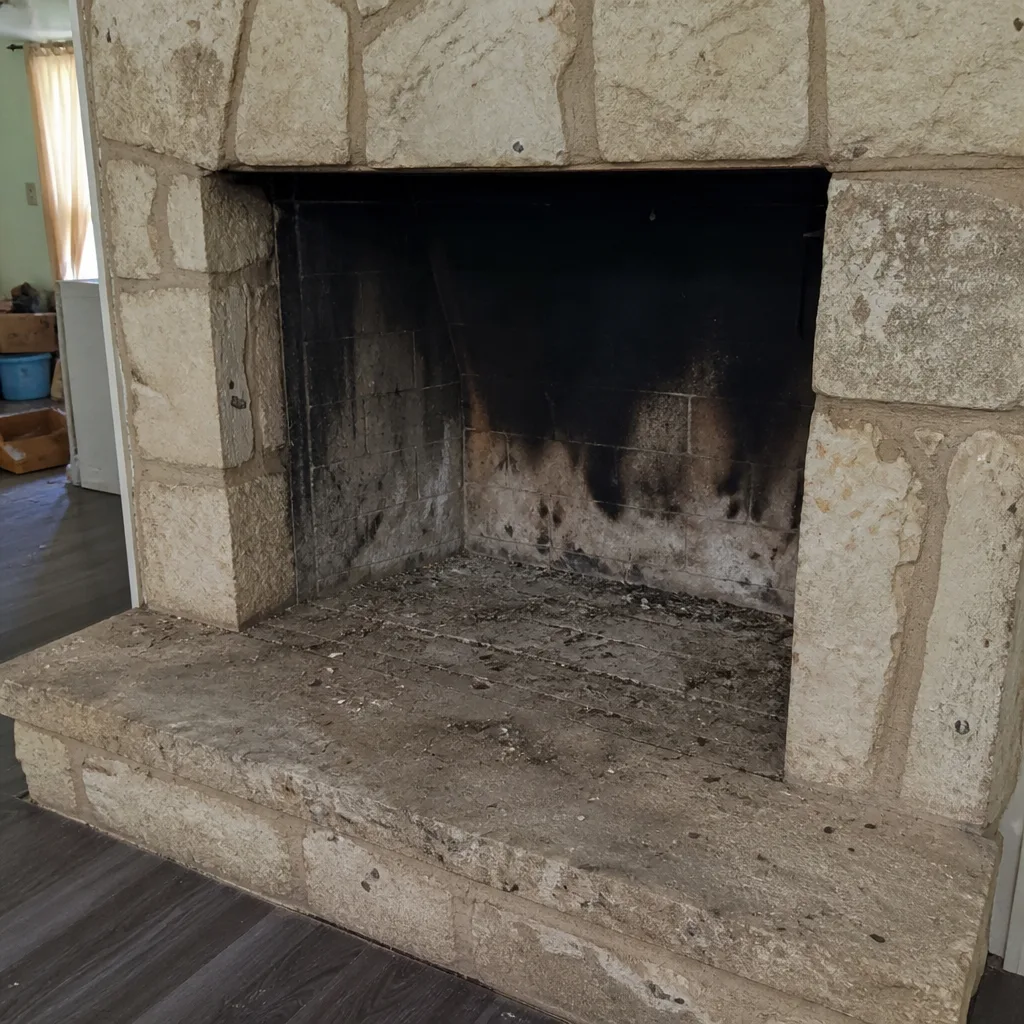
See the difference
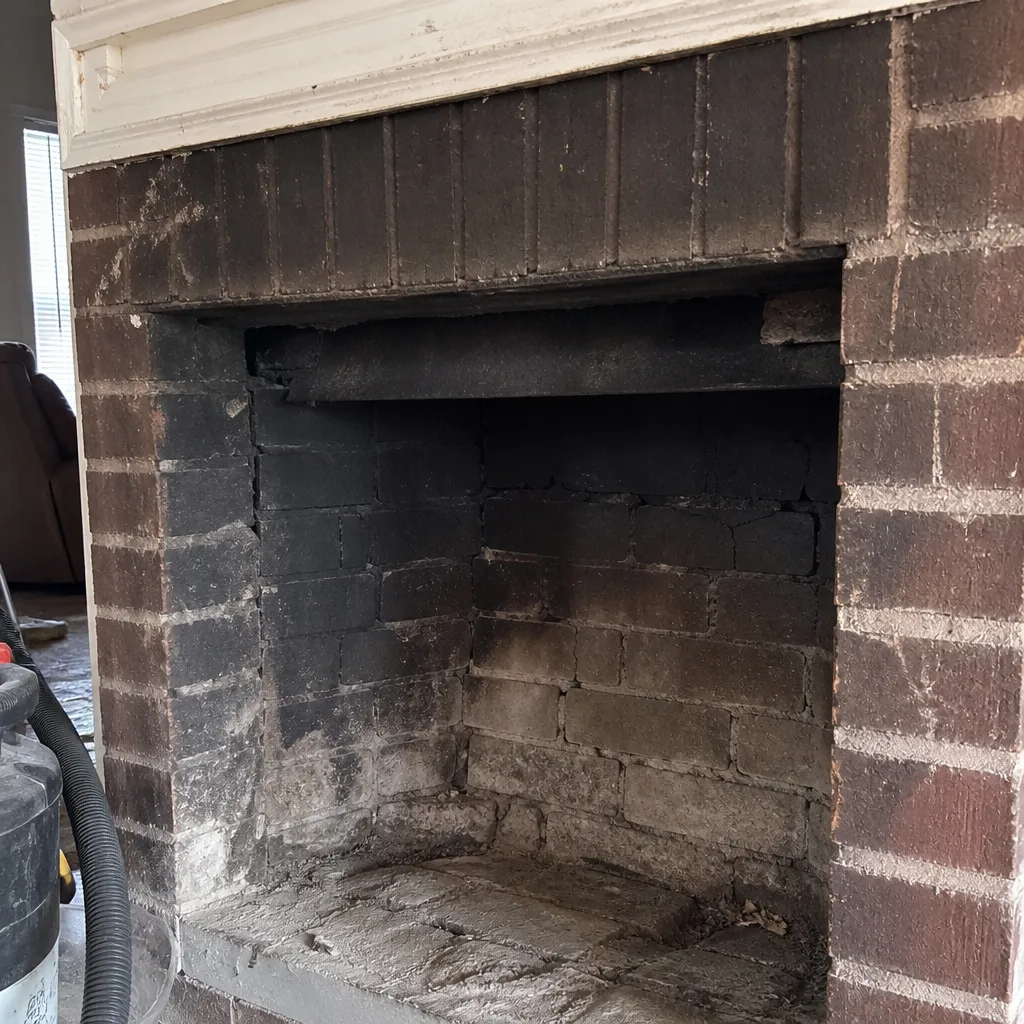 Before
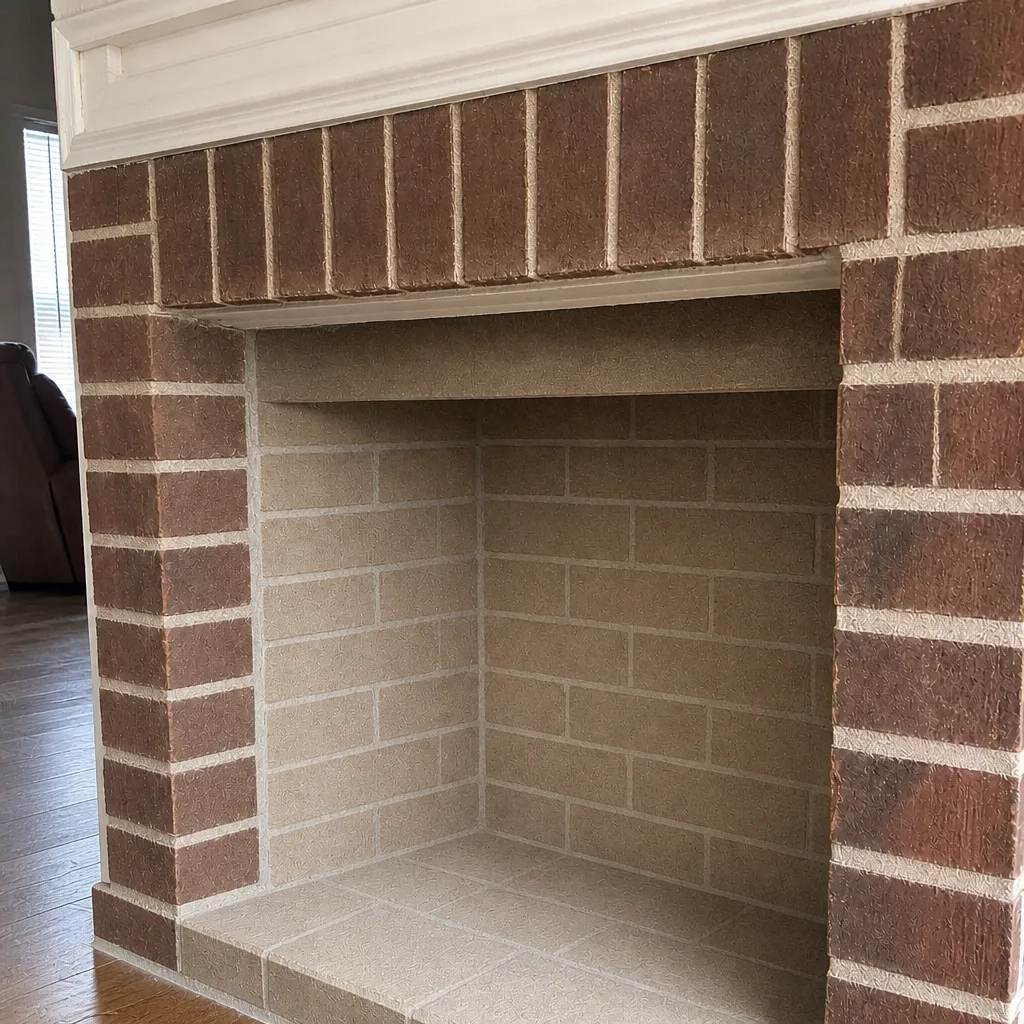 After
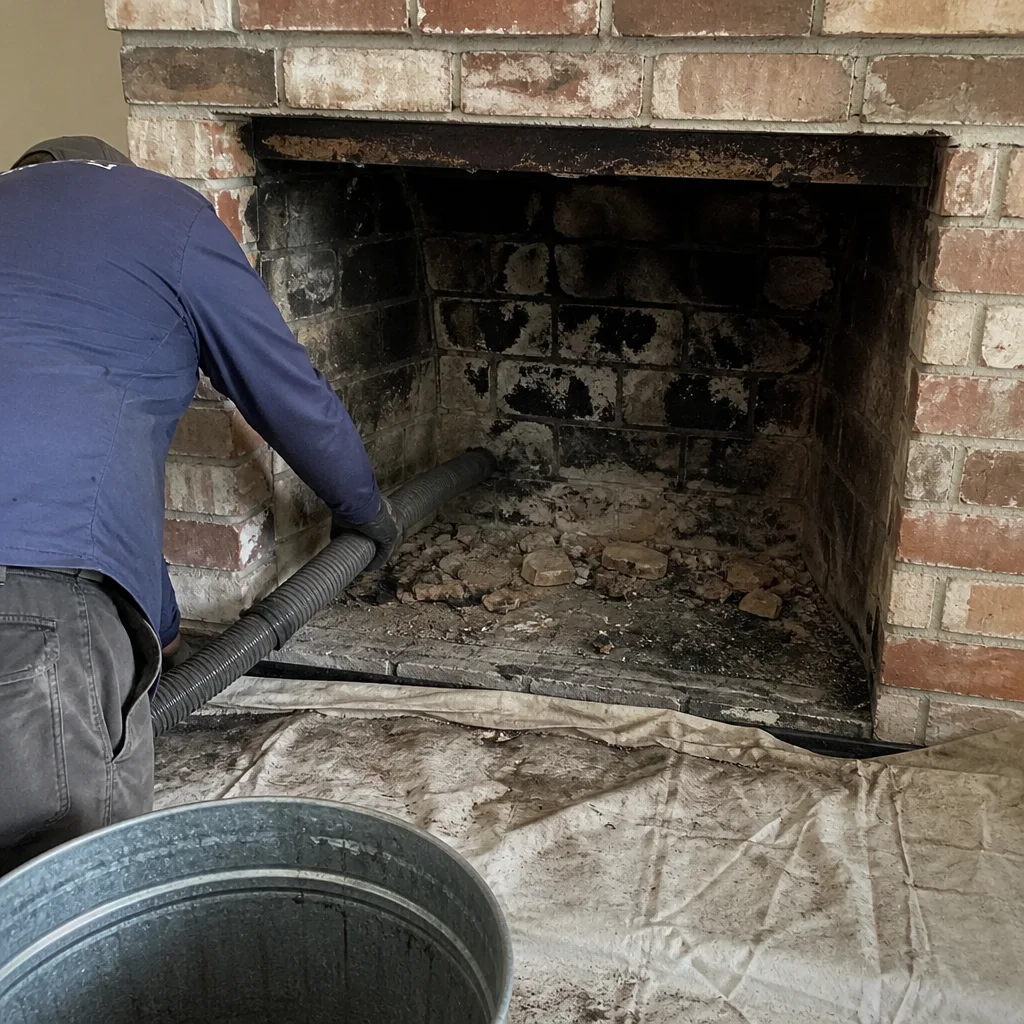 Before
 After
 Before
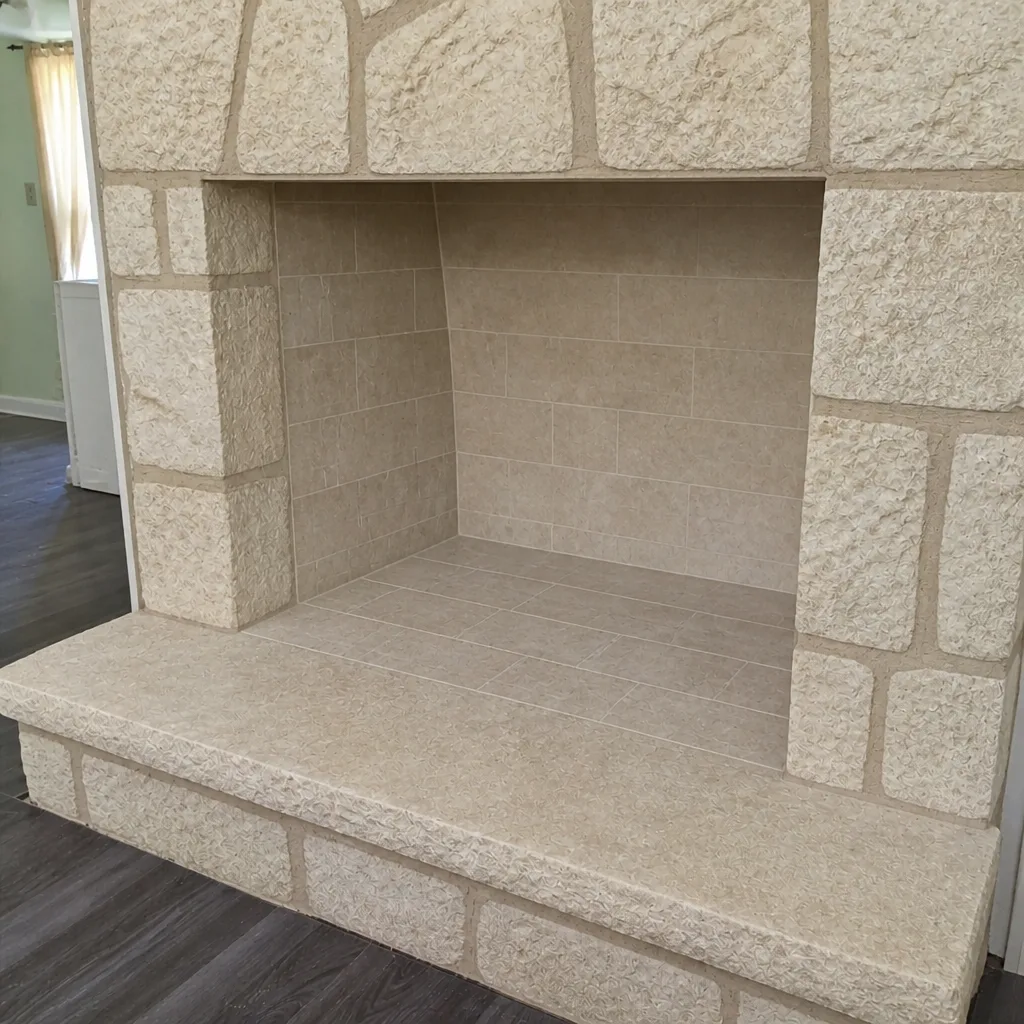 After
When to Call a Professional
Call a professional if you’ve never had your chimney inspected and don’t know its condition. Call if you’ve had a chimney fire, if you smell smoke in the room after a fire is out, if you see dark stains on the exterior, or if you notice the draft has gotten worse. Call before you buy a Laredo home with a fireplace so a Level II scan tells you what you’re inheriting. Call if your flue has no cap or the cap is damaged, and call before you burn again if the liner condition is unknown. None of these are big jobs on their own; the danger is in letting them wait. Chimney Sweep Laredo offers free estimates in Laredo. Call (855) 953-4291. We answer 24/7. Fast dispatch from 7am to 7pm, Sunday through Friday.
Frequently Asked Questions
A standard chimney sweep in Laredo typically runs $150 to $300, and a Level I inspection is often bundled or adds $75 to $150. A Level II camera inspection runs $200 to $450 on its own. The written estimate sets the final price. Call (855) 953-4291 for an exact quote; estimates are free.
Not always. A structurally sound clay liner with a deteriorated inner face can often be resurfaced with a HeatShield-type application instead of replaced, which costs far less than a full flexible liner. You need a new liner only when the flue’s lining is cracked, dislodged, or missing, and a camera scan is what tells you which situation you’re in. Nothing should be recommended without camera evidence you can see. Call (855) 953-4291 for an exact quote; estimates are free.
Once a year is the standard, and it holds in Laredo at least as much for the inspection as for the cleaning. Our mild winters mean a fireplace can sit unused for many months, and an annual visit catches a damaged cap, a loose crown, or nesting debris before it turns into a bigger repair. Call (855) 953-4291 for an exact quote; estimates are free.
The creosote and the obstruction don’t go away, and neither does the risk. A blocked or heavily fouled flue can lead to chimney fire and carbon monoxide exposure, and a cracked liner that goes unobserved only gets worse. Skipping a sweep also means missing the small exterior fixes while they’re still small. If money is tight, call and ask for a sweep-plus-inspection with a plain statement of what can safely wait; a good company will tell you. Call (855) 953-4291 for an exact quote; estimates are free.
Because each company bundles tasks differently. One quote may cover sweeping only, while another covers sweeping plus a Level II camera inspection with a photo report. Flue height, roof access, fuel type, and the years since the last cleaning all move the number too. Ask for an itemized breakdown and compare task to task, not number to number. Call (855) 953-4291 for an exact quote; estimates are free.
Often yes, when the repair is a minor one like a cap replacement or a crown touch-up. Larger repairs such as a resurfacing job or a full liner installation may need a scheduled return once the material is on hand. We run sweep, inspection, and repair through the same crew, so findings from the inspection don’t get handed to a second company. Call (855) 953-4291 for an exact quote; estimates are free.
The Bottom Line
Chimney cleaning cost in Laredo comes down to what’s actually inside the quote. A sweep is $150 to $300. An inspection with a camera is $200 to $450, and the camera is what separates an assessment from a brushing. Repairs start around a couple hundred dollars for a cap and run to several thousand for a full liner, with resurfacing often standing in for replacement at a fraction of the cost. The number tells you less than the task list behind it, so read the quote for content, not just price. Keep the inspection report, budget the annual sweep as a maintenance line, and let a specialist show you what they find. From the firebox to the crown, that’s how a homeowner stays ahead of the expensive line items instead of paying for them as surprises.
Ready to see what your flue is actually doing? Call (855) 953-4291 for a free estimate. We answer 24/7. Fast dispatch from 7am to 7pm, Sunday through Friday. Whether you need a routine chimney sweep or a full assessment, we’ll show you what we find and tell you plainly what can safely wait. If you’re comparing options around the area, start with Laredo and we’ll take it from there. At Chimney Sweep Laredo, one crew handles the sweep, the inspection, and the repair, so nothing gets handed off to a second company. Our technicians have up to 14 years of experience, and we work with DuraFlex, HeatShield, Gelco, Olympia Chimney, Famco, and Copperfield.
Written by the team at Chimney Sweep Laredo.