
Last updated November 15, 2026
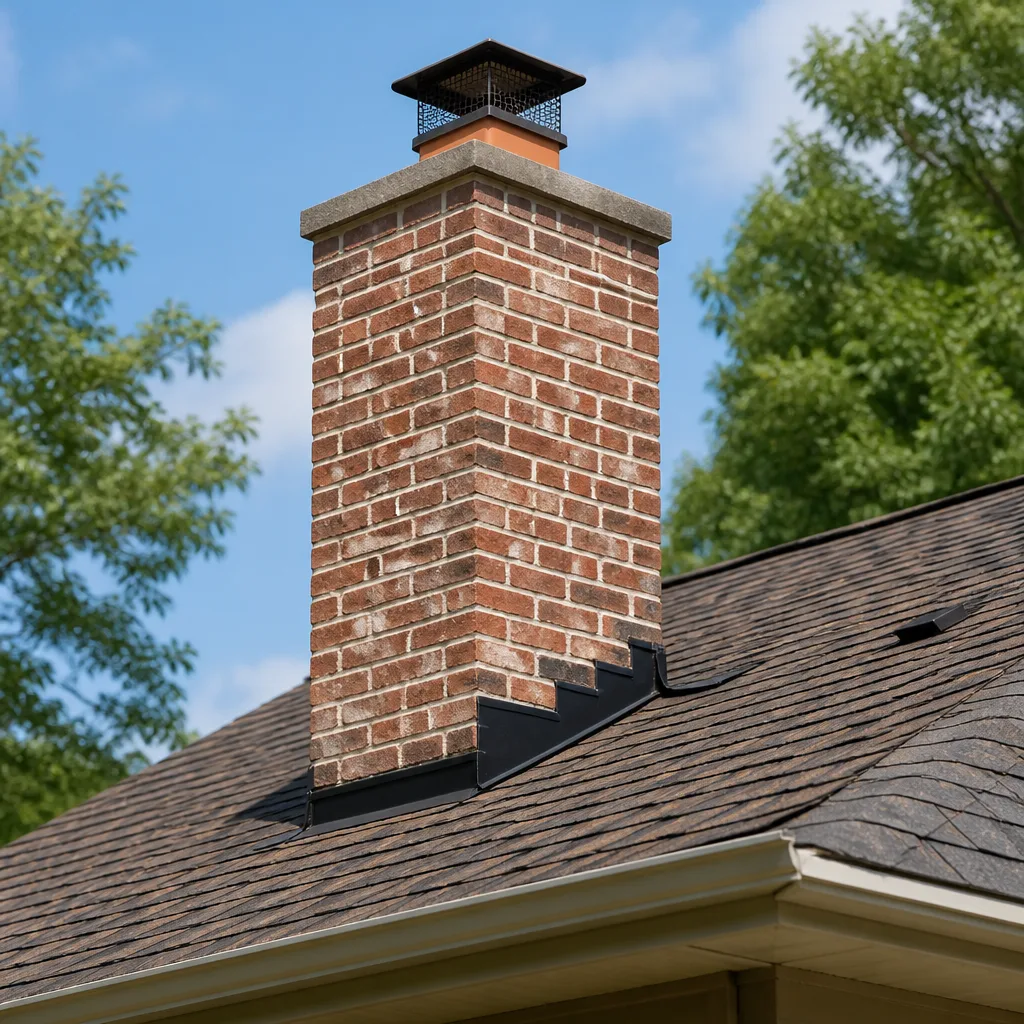 Masonry repair
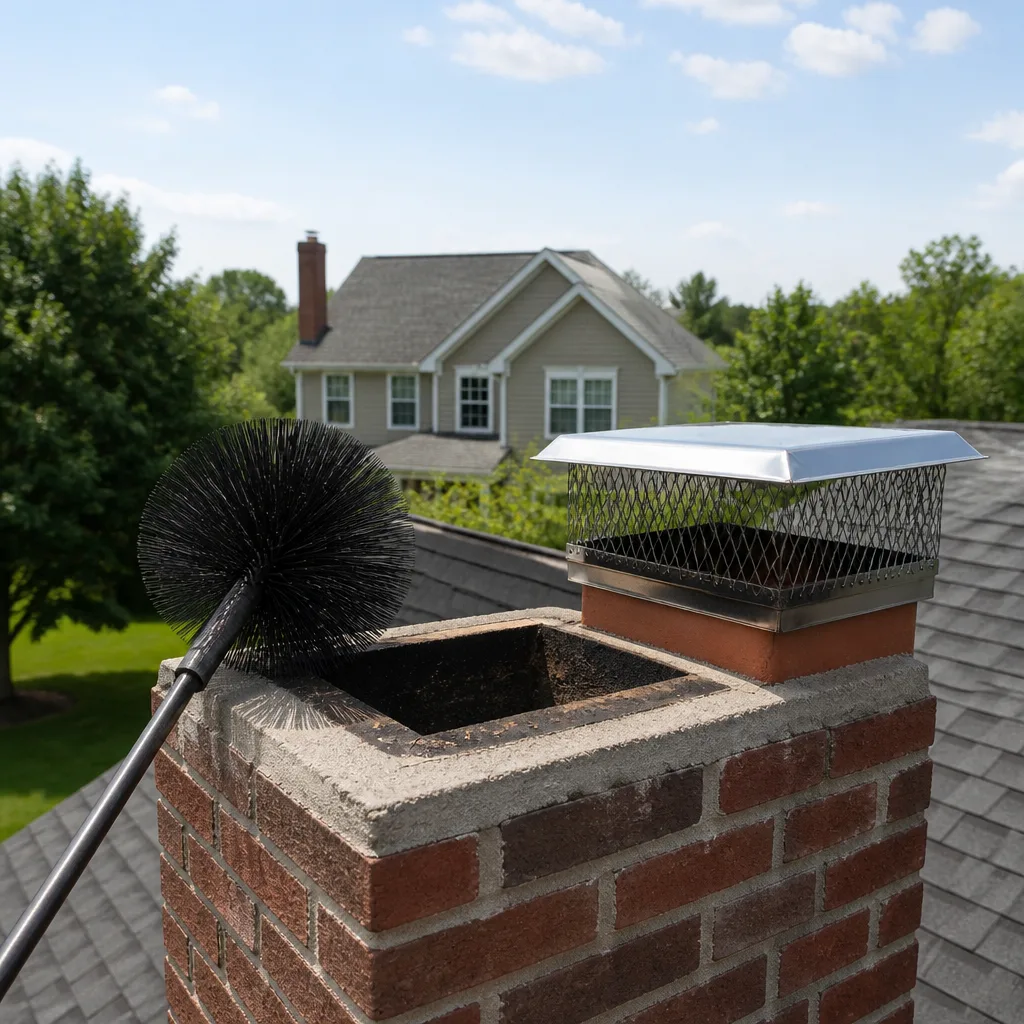 Sweep & inspection
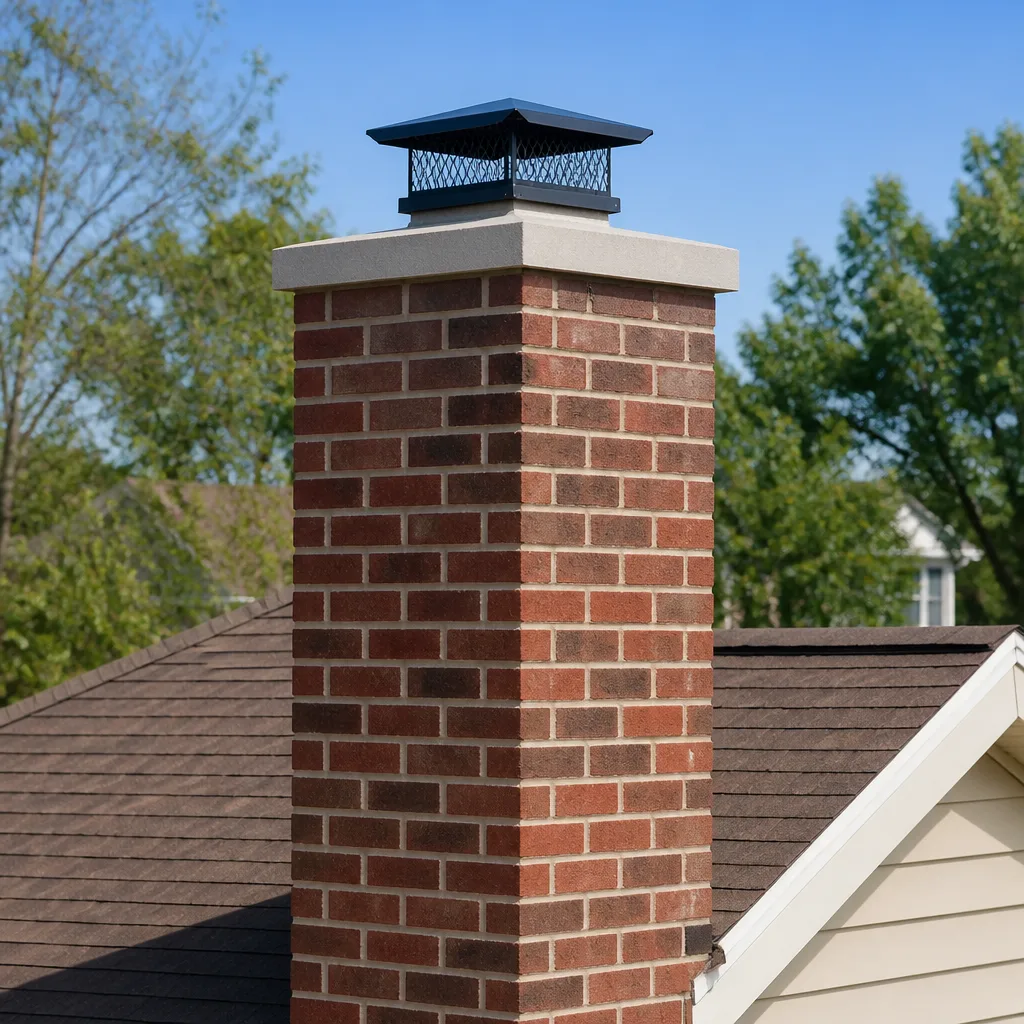 Caps & crowns
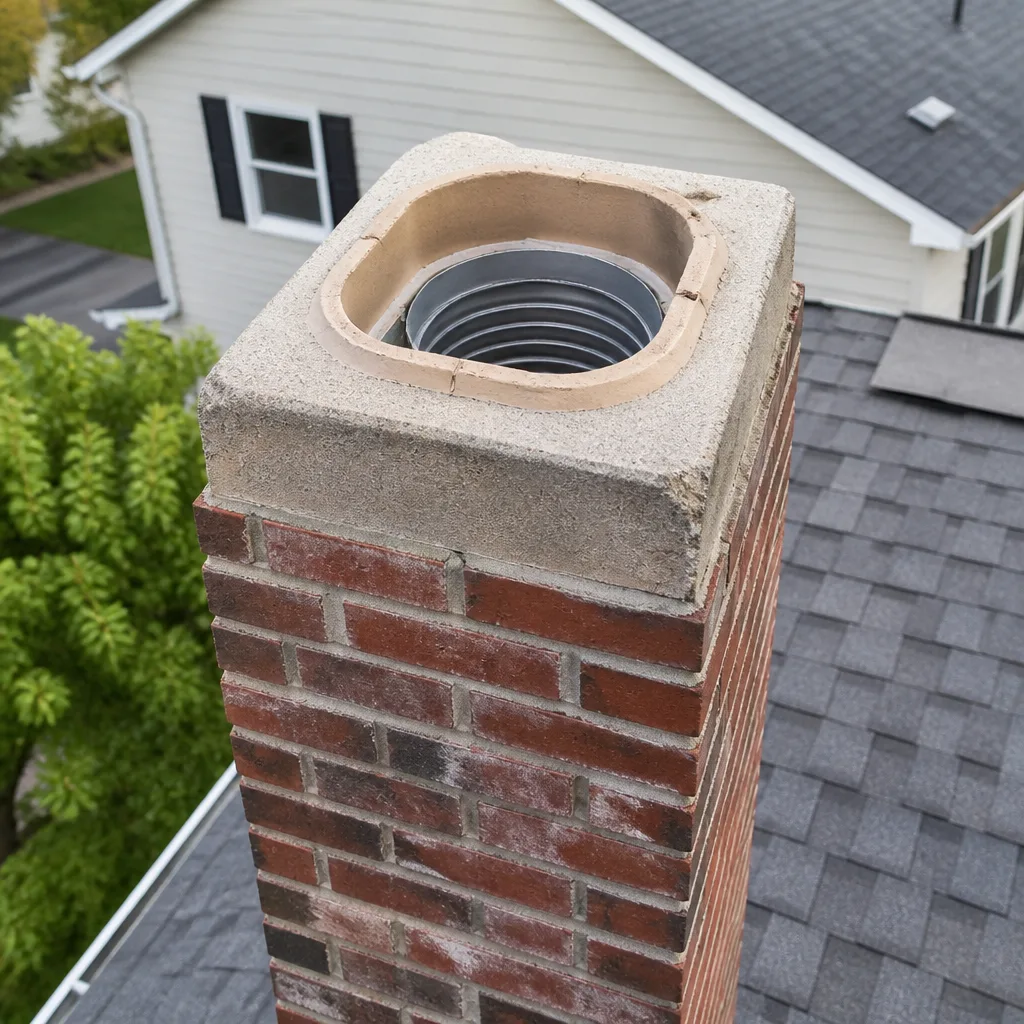 Flue relining
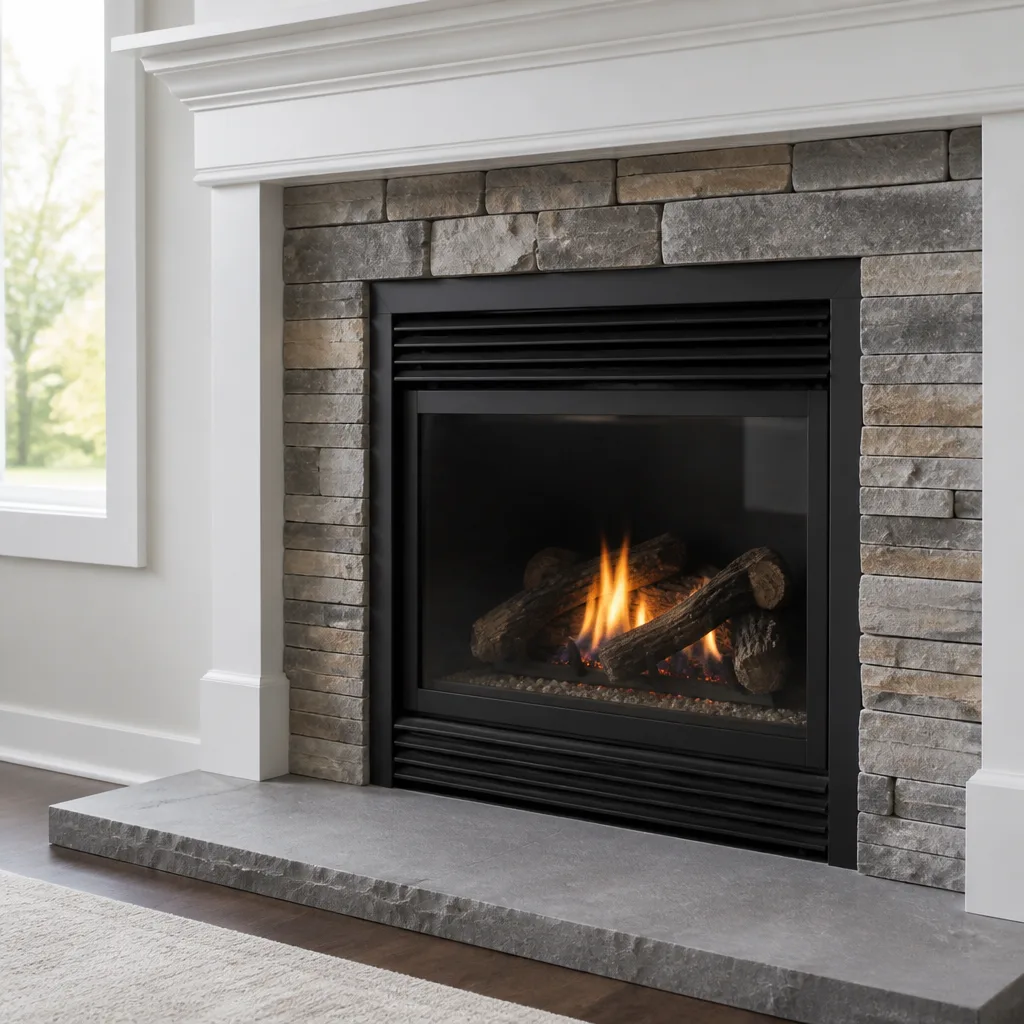 Gas fireplace service
Level 1 sweep and inspection to the NFPA 211 annual standard - flue, crown, cap, and flashing checked and photographed
Chimney sweep logs do not sweep chimneys. They loosen some creosote - which then falls where a brush and vacuum still have to collect it.
Chimney Repair Maintenance Schedule: What to Do and When
If you schedule your chimney inspection in October like every generic checklist tells you to, you’ve already missed the window to catch the summer’s heat damage before you light the first fire of the season. In Laredo, the right month is September. National chimney advice is written for places where winter runs from November to March and a chimney gets a long, steady workout. South Texas doesn’t work that way. Our burn season is short and broken up, our summers are long and brutal on masonry and metal, and the biggest seasonal threat to a chimney here isn’t snow load or freeze-thaw. It’s heat, dust, and birds. This guide lays out a twelve-month maintenance calendar built for Laredo conditions, explains why even a rarely used fireplace still needs an annual inspection, and shows you where your own checks should stop and a professional should take over.
Quick Answer
The right chimney maintenance schedule in Laredo runs on a September-to-September cycle, not the October-to-October rhythm you’ll find in most national guides. Book an inspection in September, before the first burn of the season, so any damage from the long hot summer is caught while it can still be fixed cheaply. Sweep once a year if you burn wood regularly, get a camera inspection every year regardless of how often you use the fireplace, and check the cap, crown, and damper yourself in early spring.
Styles & brands we work with
- Sweep & inspection
- Caps & crowns
- Flue relining
- Masonry repair
- Gas fireplace service
Table of Contents
- Why a Laredo Chimney Schedule Looks Different
- The Twelve-Month Chimney Calendar for South Texas
- What a Low-Use Chimney Actually Needs
- The Self-Checks You Can Do Between Visits
- Sweep First or Inspect First? Getting the Sequence Right
- Documenting Chimney Condition Year Over Year
- When to Call a Professional
- Frequently Asked Questions
Why a Laredo Chimney Schedule Looks Different
Most chimney maintenance advice you’ll find online is written for a climate with a hard, cold winter. It assumes a chimney spends four or five months doing heavy work, then gets a break. In Laredo it’s the opposite. The fireplace gets a short, concentrated workout across a mild winter, then sits unused for most of the year while the outside of the chimney cooks under a summer sun that regularly pushes past 100 degrees. That reversal changes almost everything about when and how often the chimney needs attention.
A few factors make Laredo chimneys behave differently from what a national article describes:
- Heat stress on the crown and mortar. The exterior of the chimney bakes all summer long. Repeated heating and cooling, not freezing, is what opens cracks in the crown and mortar joints here. Those cracks let water in, and water is what wrecks a chimney from the inside out.
- Dust and grit, not soot buildup. A short burn season means creosote accumulates slowly in a lightly used fireplace, but blowing dust and grit still settle on the smoke shelf and in the firebox over the dry months.
- Nesting season runs long. Chimney swifts and other birds look for a sheltered spot to raise young from roughly March through August. An open or loosely screened flue is a standing invitation.
- Two building seasons, not one. Because our winters are mild, a lot of repair work can happen in months when a northern chimney company would be shut down. You’re not racing a first freeze here, which gives you more scheduling flexibility than most homeowners realize.
The result is a schedule driven by heat and habitat rather than cold. That’s the framework the rest of this guide builds on.
The Twelve-Month Chimney Calendar for South Texas
Here’s the calendar we recommend to homeowners across Laredo. It’s a starting point, not a rigid rulebook. The burn pattern of your particular household adjusts the details, but the seasonal logic holds.
Spring (March through May): Close the door on winter, watch for nests
Once your last fire of the season has burned out and the firebox is cold, this is the window for your own visual checks. Look at the cap, the crown, and the damper while the weather is still mild. This is also when nesting season starts. If you see birds circling the chimney or hear them inside the flue, do not light anything and do not try to smoke them out. Swifts are protected under the Migratory Bird Treaty Act, and they’ll leave once the young fledge. A proper cap goes a long way toward preventing this next season.
Summer (June through August): Inspection month, before the heat has done its worst
We recommend booking the annual inspection for late August or early September. That timing catches the full summer’s effect on the crown and masonry while leaving a comfortable margin to get repairs done before the first burn. In our experience, crown and mortar issues are easiest to see and fix in the dry heat, before cooler weather tightens everything up.
Fall (September through November): Sweep, inspect, and confirm readiness
September is the month. Sweep and inspect before you light the first fire so nothing is discovered on a cold night while you’re trying to enjoy the fireplace. If we find liner or crown problems during the inspection, there’s still time to fix them before the season is in full swing.
Winter (December through February): Burn, watch, and log
Burn as you normally would, and take a photo of the firebox and cap once or twice a month. You’re building a record. If anything changes in how the fireplace drafts or smells, you’ll have a reference point to compare against when you call.
What a Low-Use Chimney Actually Needs
A fireplace that gets lit only ten or fifteen times a year still needs an annual inspection. This is the point that surprises most homeowners, and it’s the one most national advice gets wrong for our climate. The reasoning isn’t about creosote. It’s about what happens to a cold flue.
When a chimney sits unused for months at a time, the flue walls stay near the outdoor temperature. On the first fire of the season, warm, moist combustion gases hit that cold masonry and condense on the inside of the liner. Over a few short, stop-and-start burn seasons, those repeated wetting cycles work on the liner surface the same way years of steady burning would in a colder place. The damage accumulates in bursts rather than gradually.
A low-use chimney and a heavy-use chimney need different things from maintenance, but both need eyes on them at least once a year:
- Inspection every year, always. This is non-negotiable regardless of burn frequency. A camera inspection shows the condition of the flue interior in a way you can see for yourself.
- Sweep as needed, based on what the inspection finds. A lightly used fireplace often doesn’t build up enough creosote for an annual sweep, but the inspection is what tells you.
- Pay close attention to the cap and crown. For a chimney that sits idle most of the year, exterior weather protection matters more than interior soot. A cracked crown or a missing cap screen lets in water, birds, and grit during the long dormant summer.
If the inspection turns up a deteriorating liner, you don’t automatically need a full relining. HeatShield resurfacing can restore a worn liner from the inside without tearing the whole thing out, which saves money on a chimney that isn’t structurally failed. That’s one reason we stock and train on HeatShield alongside DuraFlex and the cap-and-cover brands. The right fix depends on the condition, and the condition is what the camera shows you.
The Self-Checks You Can Do Between Visits
You don’t need to wait for an annual visit to do a few useful things yourself. These checks take a few minutes and give you real information. They also have clear stop points, and knowing where to stop is just as important as knowing what to look at.
- Cap screen integrity. From the ground, look at the top of the chimney. The screen should be intact with no rust-through or gaps. A torn screen is how birds, squirrels, and rain get in. If a section is loose, note it and mention it at your next visit. Don’t climb onto the roof to fix it yourself.
- Visible crown cracking. A hairline crack in the concrete crown around the flue is worth photographing. Water gets into those cracks and works its way down. Replacing a crown is a job for us; patching over it yourself with a caulk or sealant usually makes the underlying problem harder to see later.
- Damper operation. Open and close the damper a few times. It should move freely and seat fully. If it sticks, grinds, or won’t close all the way, that’s a repair, not a lubricant job.
- Firebox and firebrick. Look for cracked or missing firebricks, crumbling mortar, or a firebox that’s warped out of shape. Shine a light up the flue while you’re there. If you see heavy soot or creosote buildup, stop checking and book a visit.
Hard stop point: never climb onto the roof, never reach into the flue, and never light a fire to test something. A chimney is a system under stress, and a fall or a hidden gap in the liner is the kind of thing that ends in an injury or a fire. What you can do on the ground is genuinely useful. What you can’t is genuinely dangerous.
Sweep First or Inspect First? Getting the Sequence Right
The order matters more than most homeowners realize, and it depends on why you’re calling. There are two scenarios, and they call for opposite sequences.
Scenario one: routine annual maintenance
When the chimney has been used normally and nothing seems wrong, sweep before you inspect. A clean flue gives the camera a clear view of the liner surface. It also means that if the inspection turns up a problem, the working surface is already clean and repairs can start right away instead of after a second cleaning.
- Sweep the flue and firebox.
- Run a camera inspection on the liner from the top down.
- Review the photos and findings together.
- Make any repairs the findings call for, in the same appointment.
Scenario two: something is already wrong
If you’ve had a chimney fire, a strong creosote smell, a sudden loss of draft, or visible staining on the exterior, inspect before you sweep. Sweeping first disturbs the evidence. Cracks in a liner, gaps in a joint, or a partial collapse inside the flue are all easier to photograph and diagnose before a brush has moved through the system. That’s how we get an accurate picture of what happened and what needs repairing.
This sequencing is part of why we handle the sweep, the inspection, and the repair together. Findings from a camera inspection get acted on while we’re already on site, without a second scheduling window or a referral handoff to another contractor. When the person reading the camera is the person making the repair, the plan for the fix stays grounded in what the picture actually shows.
Documenting Chimney Condition Year Over Year
Catching a problem before it becomes structural depends on knowing what “normal” looks like for your chimney. Small changes add up across years, and the changes are easy to miss if you don’t have a record to compare against. We recommend photographing a handful of key wear indicators on a regular schedule so you can see progression instead of guessing at it.
Here’s what to photograph and how often:
- The crown. Once in spring, once in fall. This is the highest-value photo to keep. Cracks widen over time, and the frame-by-frame comparison tells you whether a crack is stable or growing.
- The cap and screen. Same frequency. Note rust spots and any change in how the screen looks from below.
- The firebox interior. Once a year, during the spring check. Look for new cracks in firebricks and mortar.
- The damper. Once a year. A photo of the damper open and a note on how it moves.
- The exterior walls of the chimney and any staining around the flue. Once a year. Water stains or dark streaks that weren’t there before are worth flagging.
Keep the photos in a folder labeled by month and year on your phone. When you book a chimney sweep or inspection, show the images to whoever’s looking at the chimney. A regular photographic record makes the difference between a repair that’s caught at the “small crack in the crown” stage and one that’s caught after the masonry behind it has water damage. It also keeps the assessment honest, because the pictures are visible to you and to us alike.
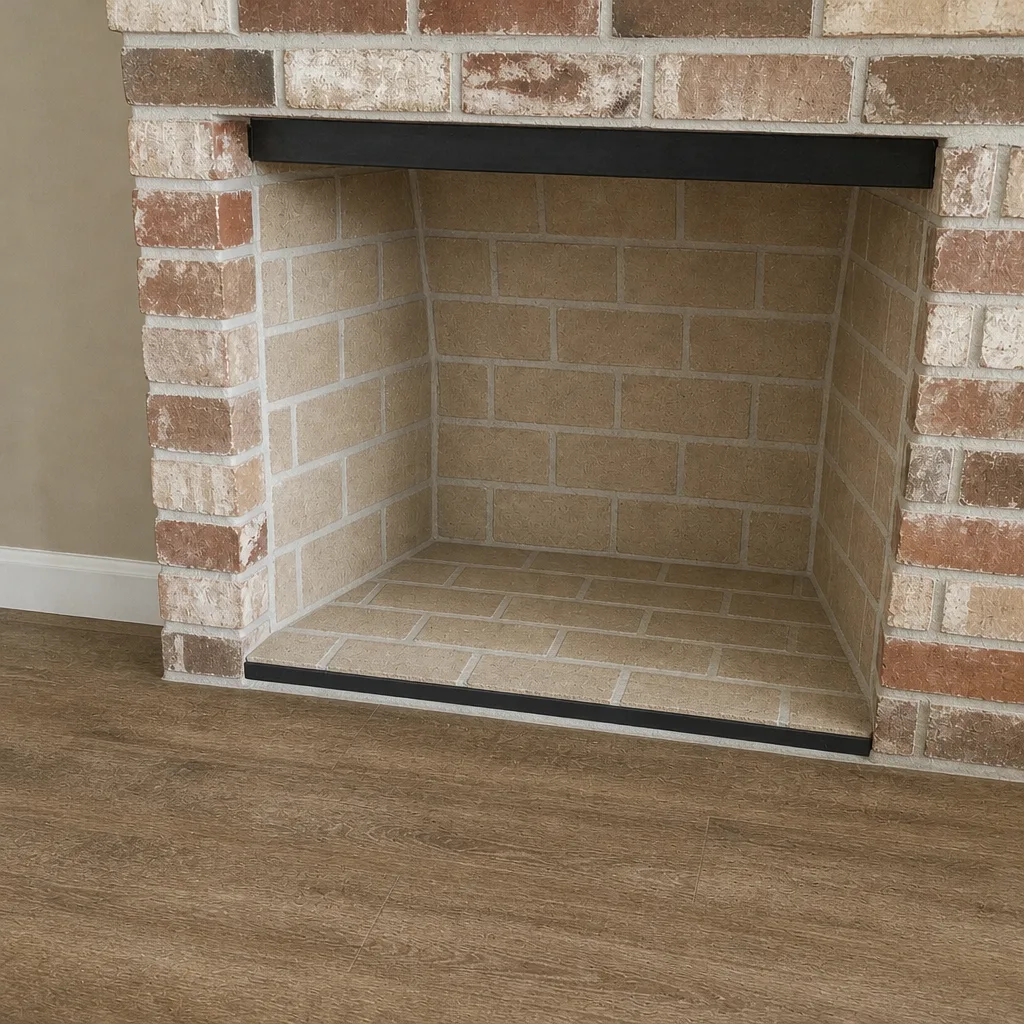
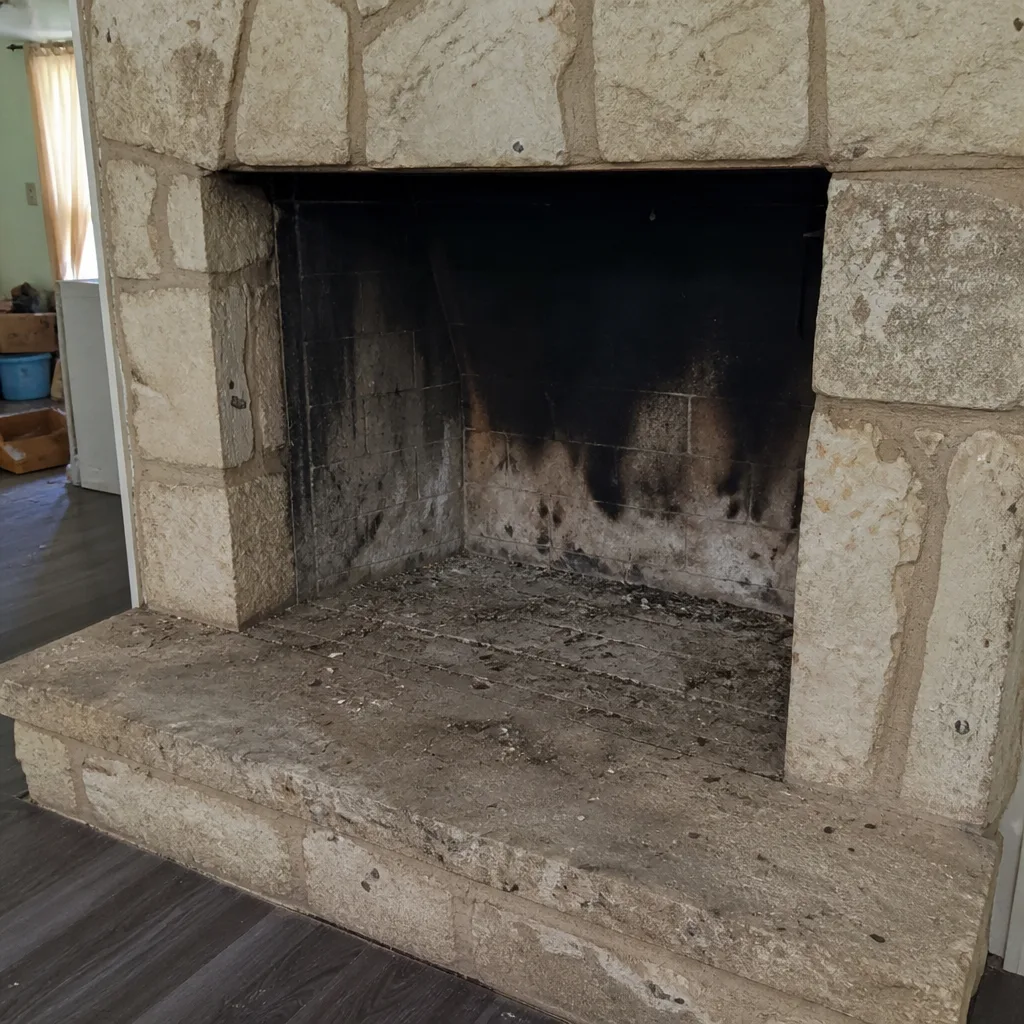
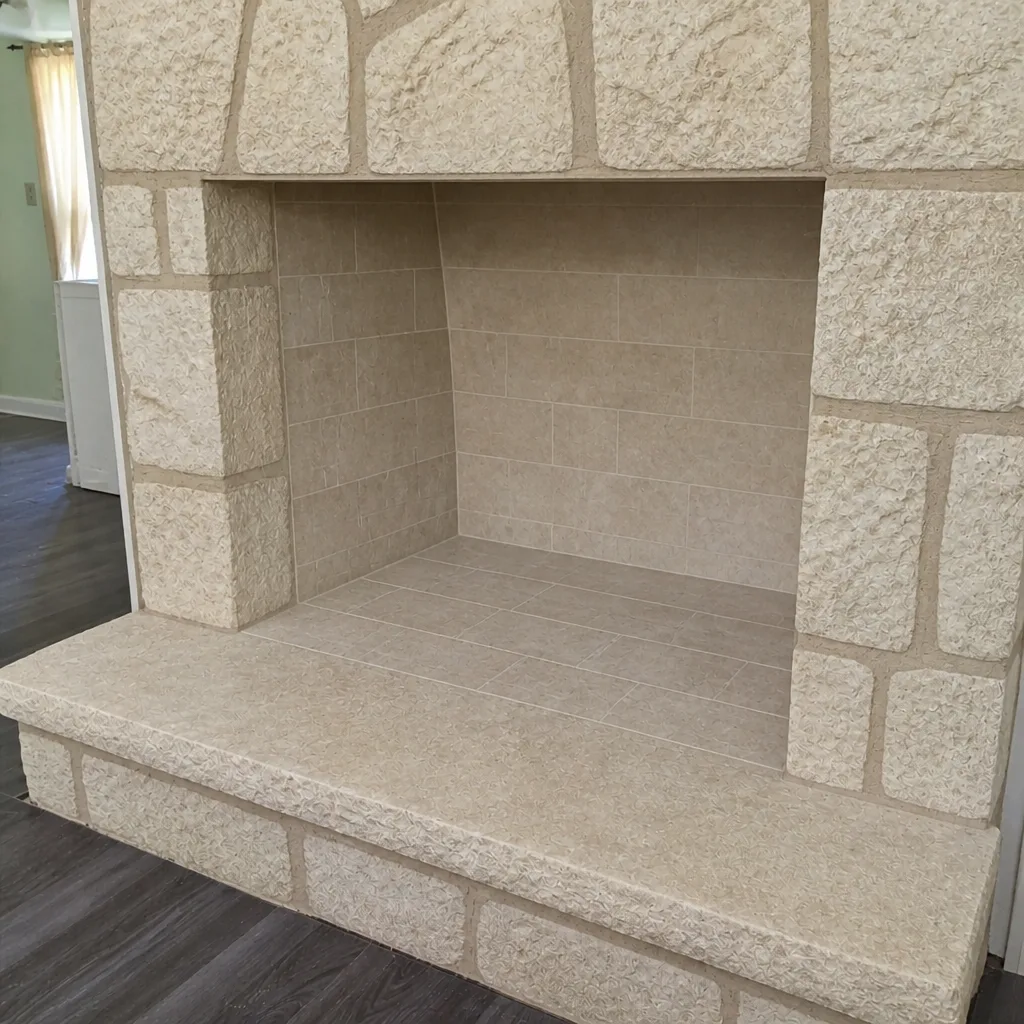
See the difference
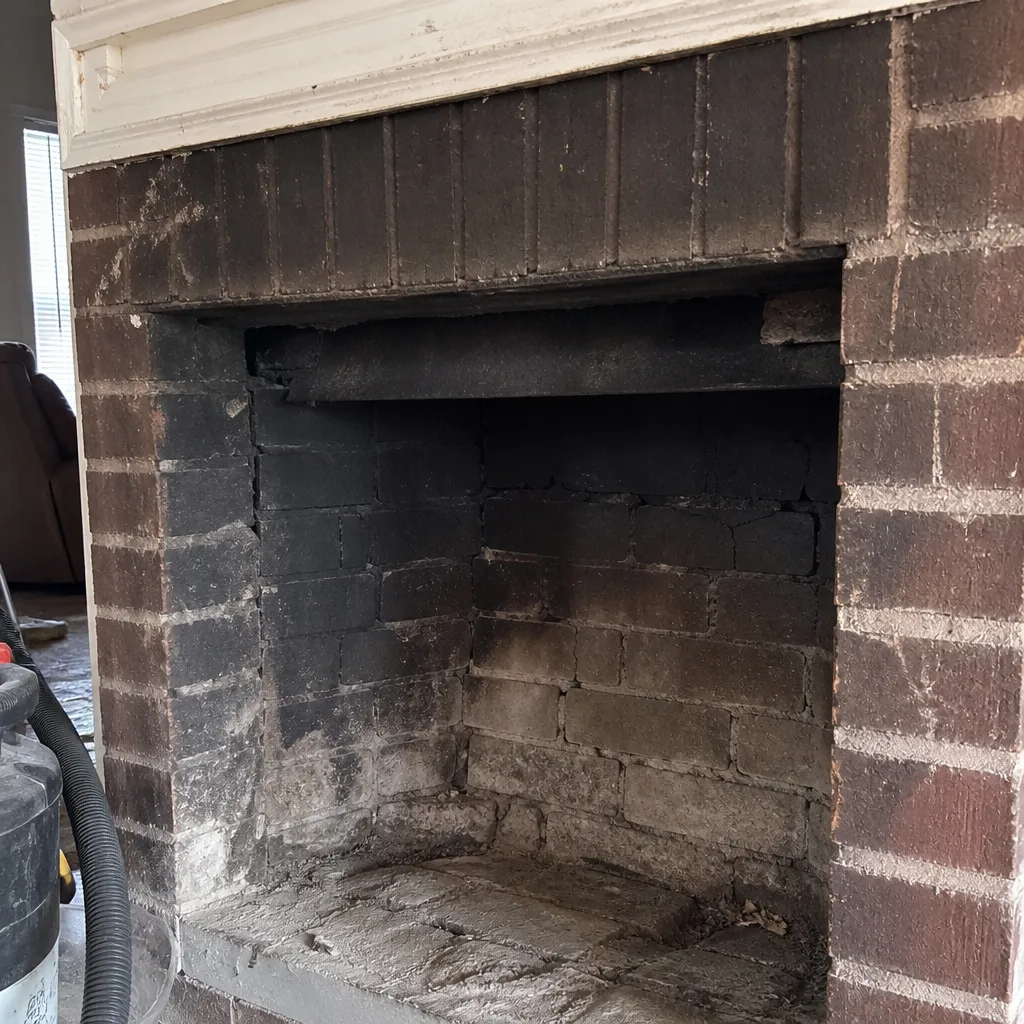 Before
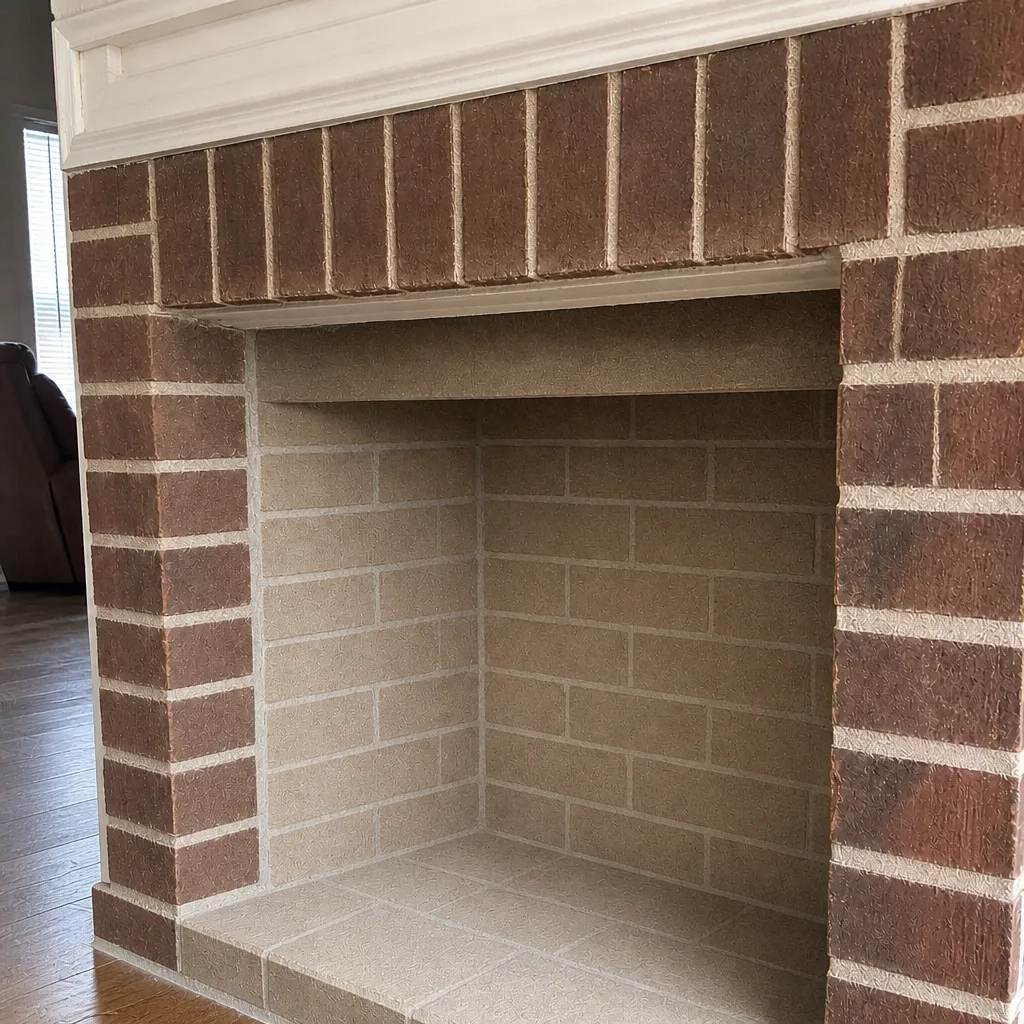 After
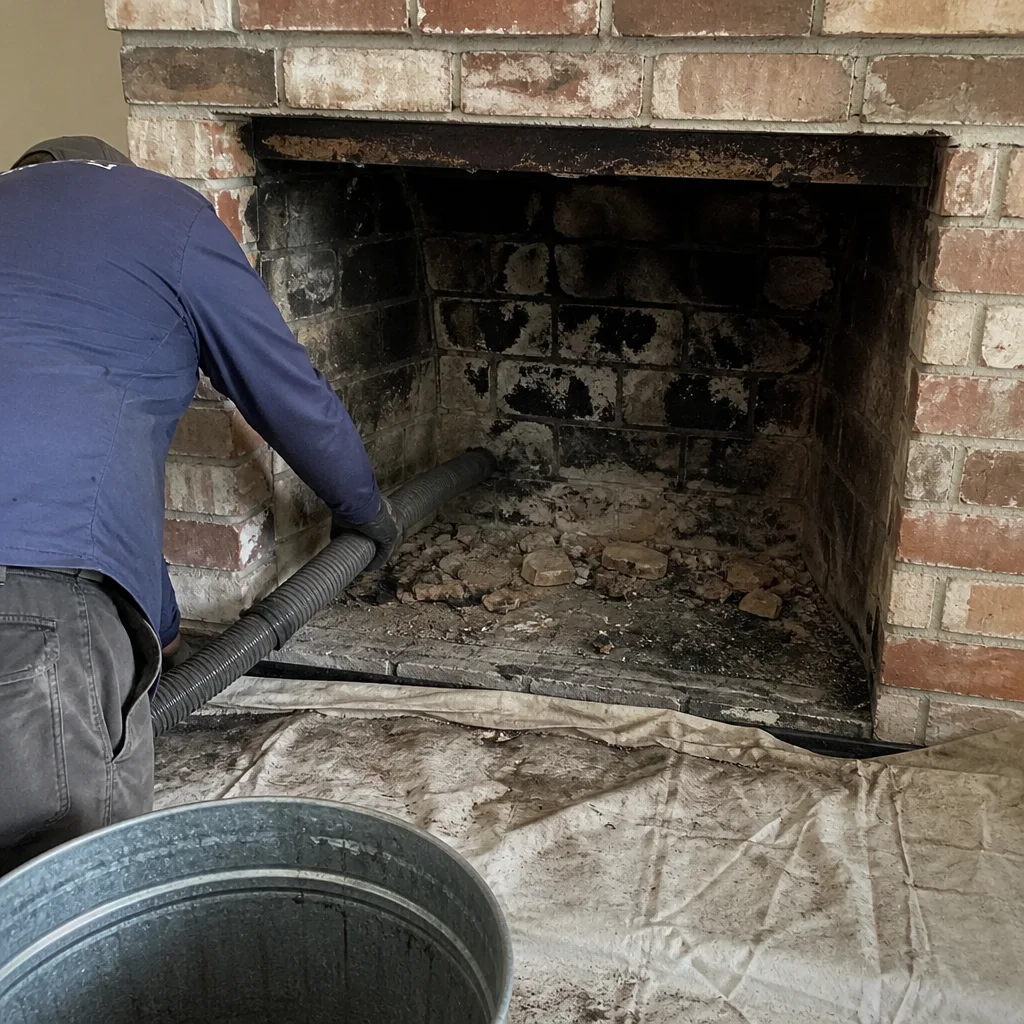 Before
 After
 Before
 After
Common Mistakes to Avoid
- Following an October inspection calendar. That schedule works in colder regions, but in Laredo it means the summer’s heat damage is discovered at the moment you want to light the first fire. Book in September instead.
- Skipping the annual inspection because you barely use the fireplace. Ten to fifteen burns a year is exactly the pattern that produces rapid condensation damage on a cold flue. Low use is not low risk here.
- Lighting a fire to “test” it after seeing a bird inside the flue. This is dangerous and illegal if the birds are swifts. Leave it alone and cap the flue once they’ve left.
- Patching a cracked crown yourself and calling it done. A surface patch hides the underlying crack rather than fixing it. It also makes the problem harder to assess next year.
- Sweeping first when something already seems wrong. If you suspect a liner problem, inspect before you sweep. Disturbing the evidence makes an accurate diagnosis harder.
- Scheduling a sweep and an inspection from two different companies. The report from one and the work from another often don’t line up. One crew, one visit, is cleaner and clearer.
- Treating a damaged liner as a “buy a new one” situation. A resurfacing option can often restore a worn liner at a lower cost than replacement, but you only know which path fits when the inspection shows the condition.
When to Call a Professional
Some things you can check yourself, and some things are worth a call. Here’s the dividing line we use: if it’s visible from the ground, you can photograph it yourself. If it’s inside the flue, on the roof, or affects how the fireplace drafts or burns, call us. Specifically, call if you’ve had a chimney fire, smell a strong creosote odor in the house, notice a sudden change in how the fireplace drafts, see water stains or dark streaks on the chimney exterior, hear birds or animals inside the flue, or it’s been more than a year since your last inspection. Chimney Sweep Laredo offers free estimates in Laredo, and a swept, inspected, and repaired chimney can often be handled in a single visit. Call (855) 953-4291. We answer 24/7. Fast dispatch is available from 7am to 7pm, Sunday through Friday.
Frequently Asked Questions
Once a year, and the best month to book it is September, just before the burn season starts. Even if you light the fireplace only ten or fifteen times a year, an annual inspection is still recommended because a cold, idle flue is where condensation damage accumulates fastest. Call (855) 953-4291 to schedule – estimates are free.
Yes. Low burn frequency is exactly the condition that makes an annual inspection valuable in this climate. The reason isn’t creosote buildup, it’s the repeated wetting of cold flue walls on each first fire of the season. An annual camera inspection catches the early stages before they become structural. Call (855) 953-4291 for a free estimate.
Sweep first for routine maintenance, but inspect first if something already seems wrong. A clean flue gives the inspection camera a clear view, and findings can be repaired in the same visit. If there’s a suspected liner problem or a chimney fire in the past, call us before you sweep anything. Call (855) 953-4291 – estimates are free.
Leave them alone and do not light a fire while they’re there. Chimney swifts are protected under the Migratory Bird Treaty Act, and the birds leave on their own once the young fledge. After that, a proper cap with an intact screen prevents the problem from recurring. Call (855) 953-4291 to schedule a cap installation or a full inspection.
Often yes. HeatShield resurfacing can restore a deteriorating liner from the inside when the liner still has enough structural integrity to be resurfaced. When the liner is too far gone for resurfacing, a DuraFlex flexible liner system is the next step. The right answer depends on what the inspection camera shows. Call (855) 953-4291 to book an inspection and see the options.
The estimate is free and the price is set per job by a written estimate, based on the condition of your chimney and what the inspection finds. We don’t quote a number over the phone because we won’t guess at what a chimney needs. Book the inspection and you’ll know exactly what’s involved before any work starts. Call (855) 953-4291 – we answer 24/7, with fast dispatch from 7am to 7pm, Sunday through Friday.
The Bottom Line
Chimney maintenance in Laredo runs on a different clock than the rest of the country. Our short winter bruise, long hot summer idle season, and months of nesting pressure flip the calendar. The essentials: inspect in September, sweep based on the inspection, check the cap, crown, and damper yourself in spring, and photograph the wear indicators year over year. Low use does not mean low attention. When the inspection turns up a liner problem, HeatShield resurfacing or a DuraFlex relining gives you a repair option tailored to your chimney’s actual condition. One visit covers the sweep, the inspection, and the repair. For a full-scope chimney repair plan or a first inspection, we can help.
Call (855) 953-4291 for a free estimate. We answer 24/7, with fast dispatch from 7am to 7pm, Sunday through Friday.
For a chimney you can trust to do its job this season and for years after, start with Chimney Sweep Laredo and the three-service scope that covers it all: sweep, inspection, and repair under one roof.
Written by the team at Chimney Sweep Laredo.