
Last updated November 15, 2026
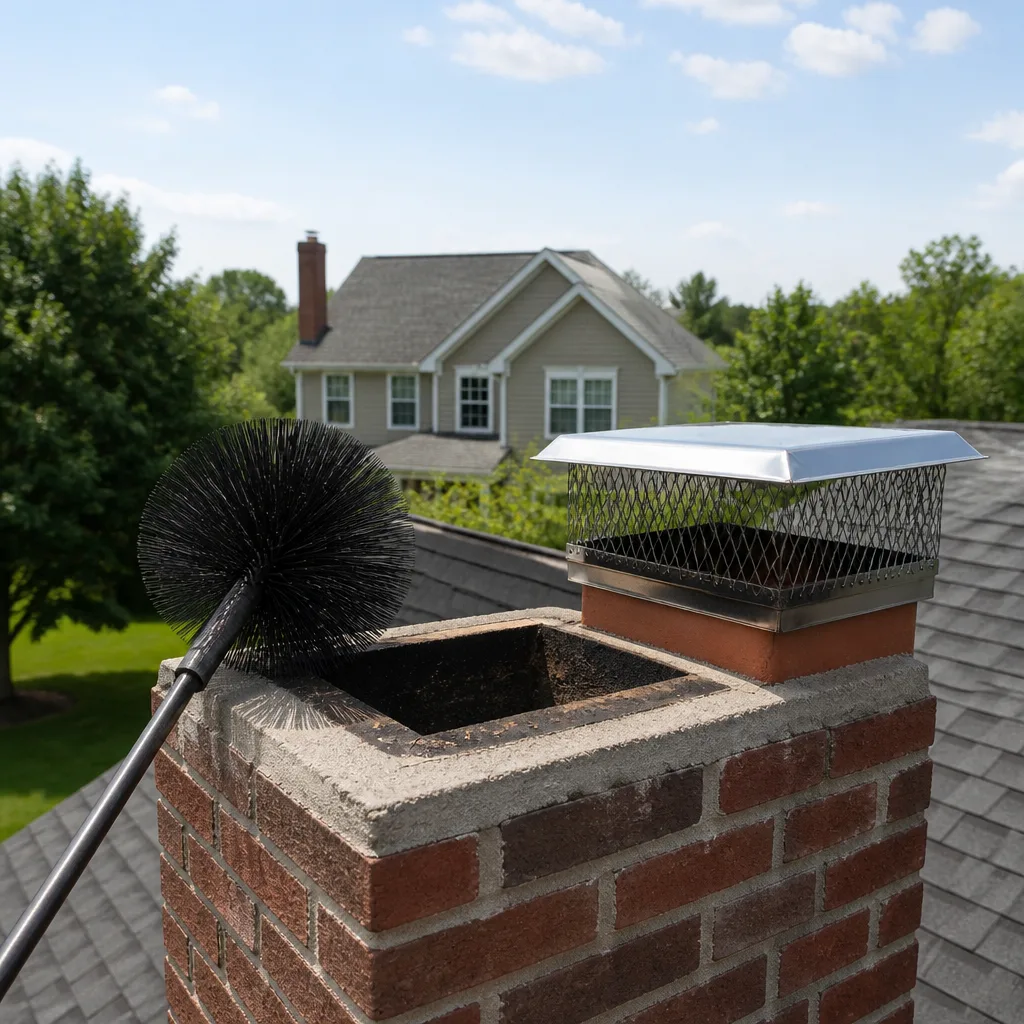 Sweep & inspection
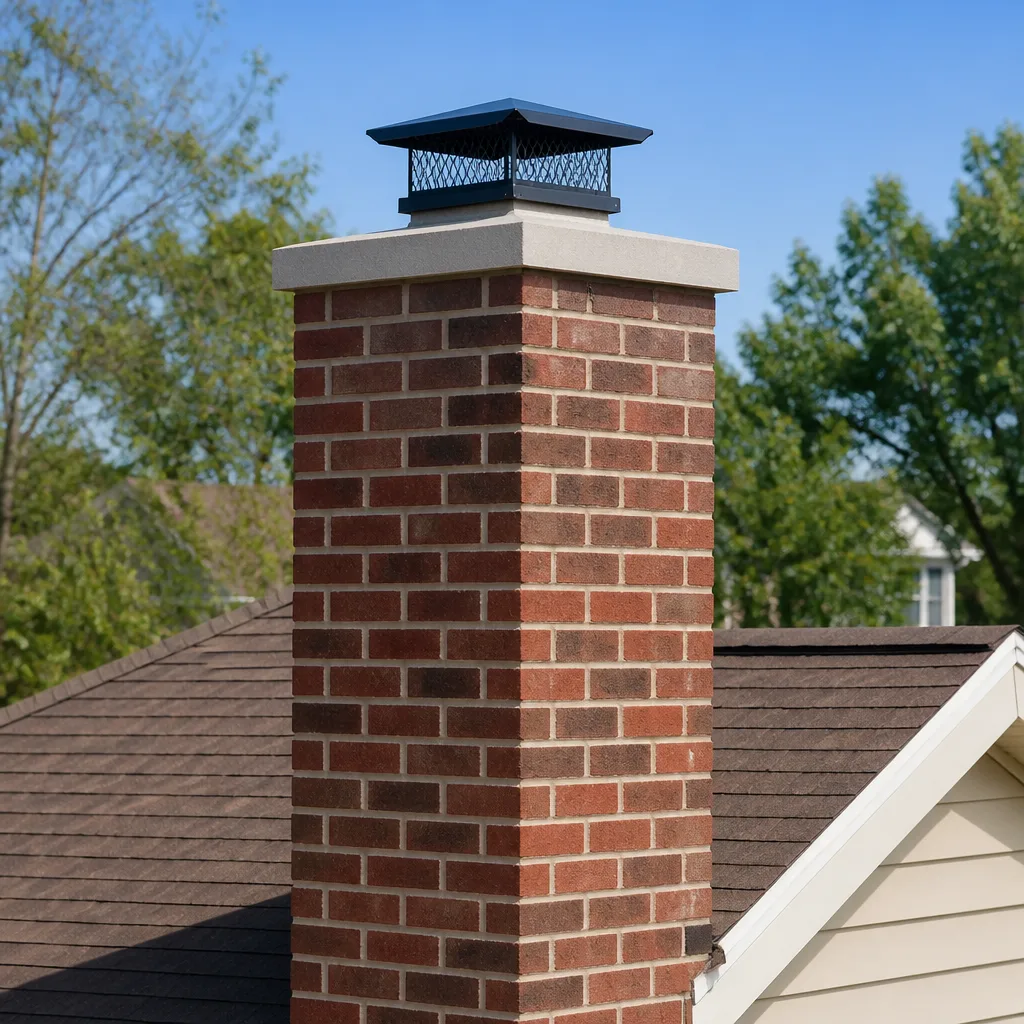 Caps & crowns
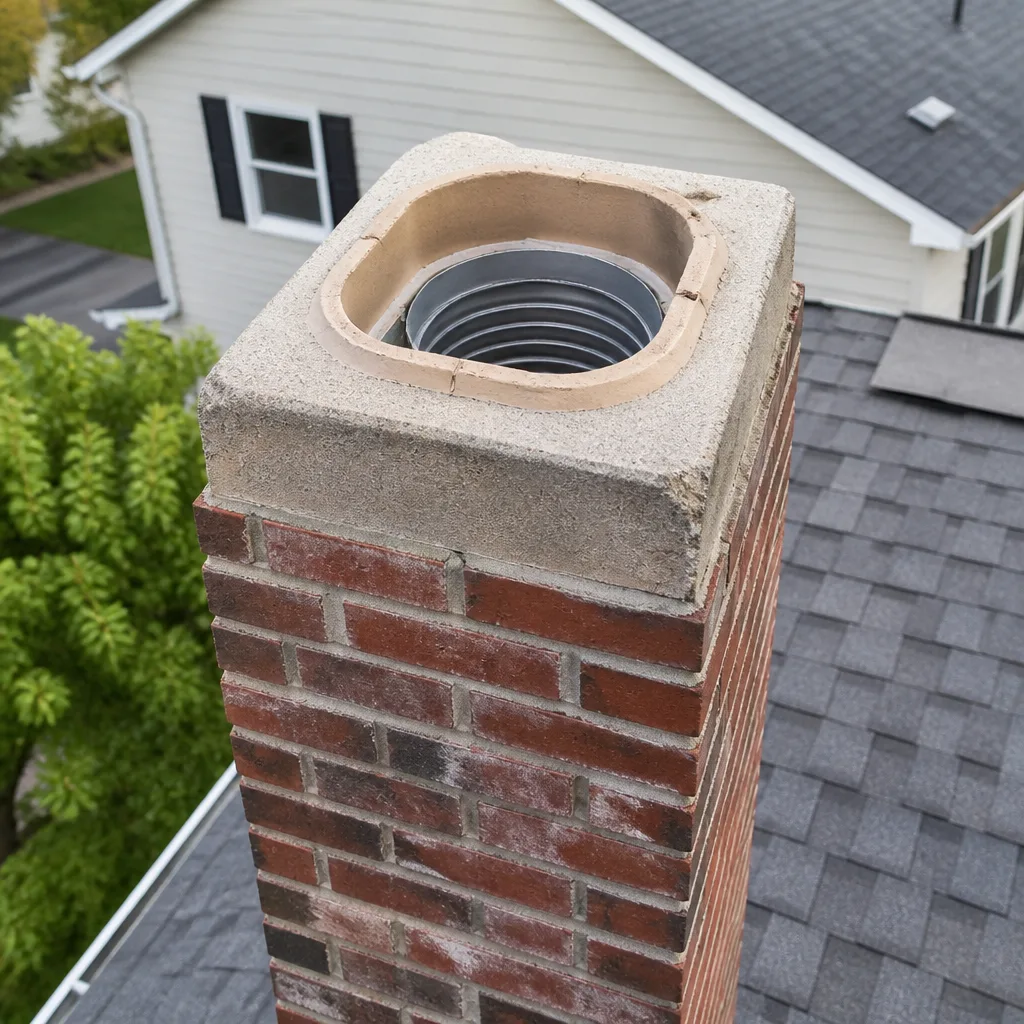 Flue relining
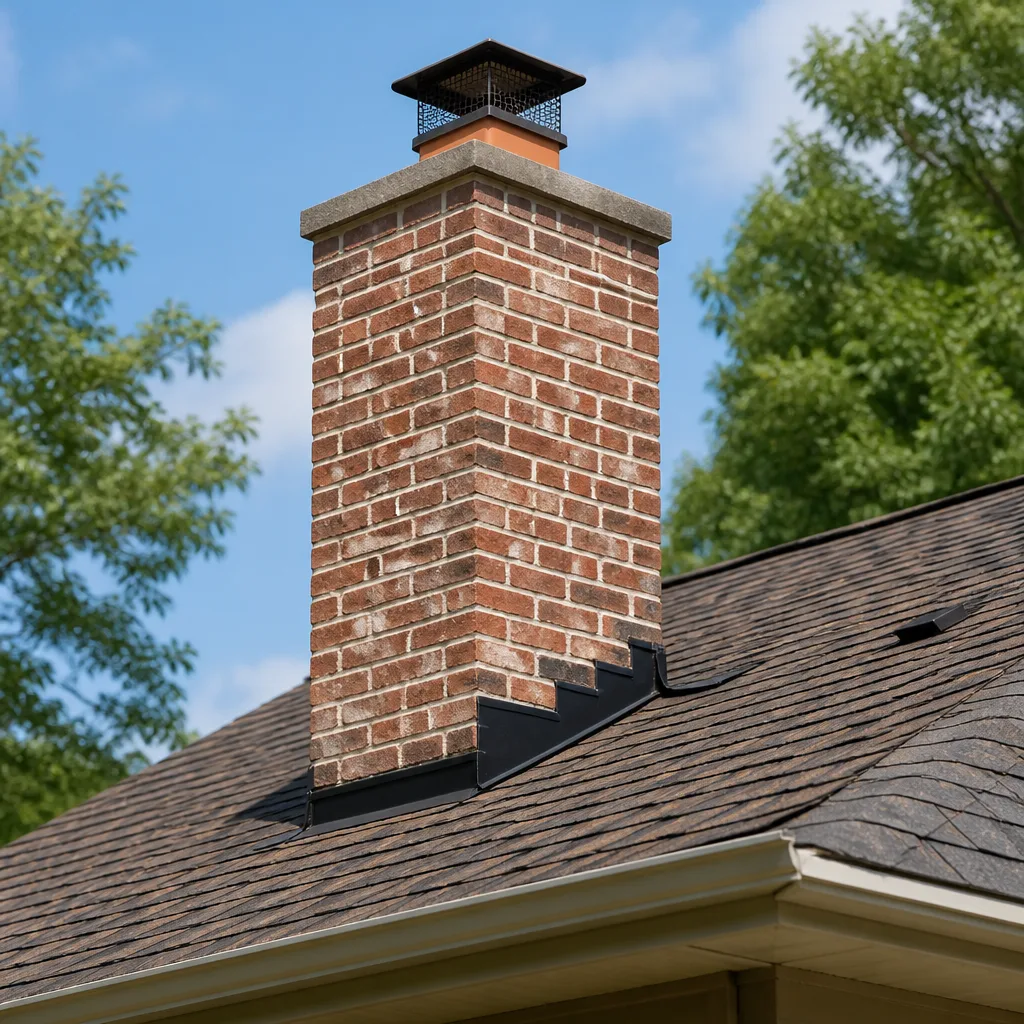 Masonry repair
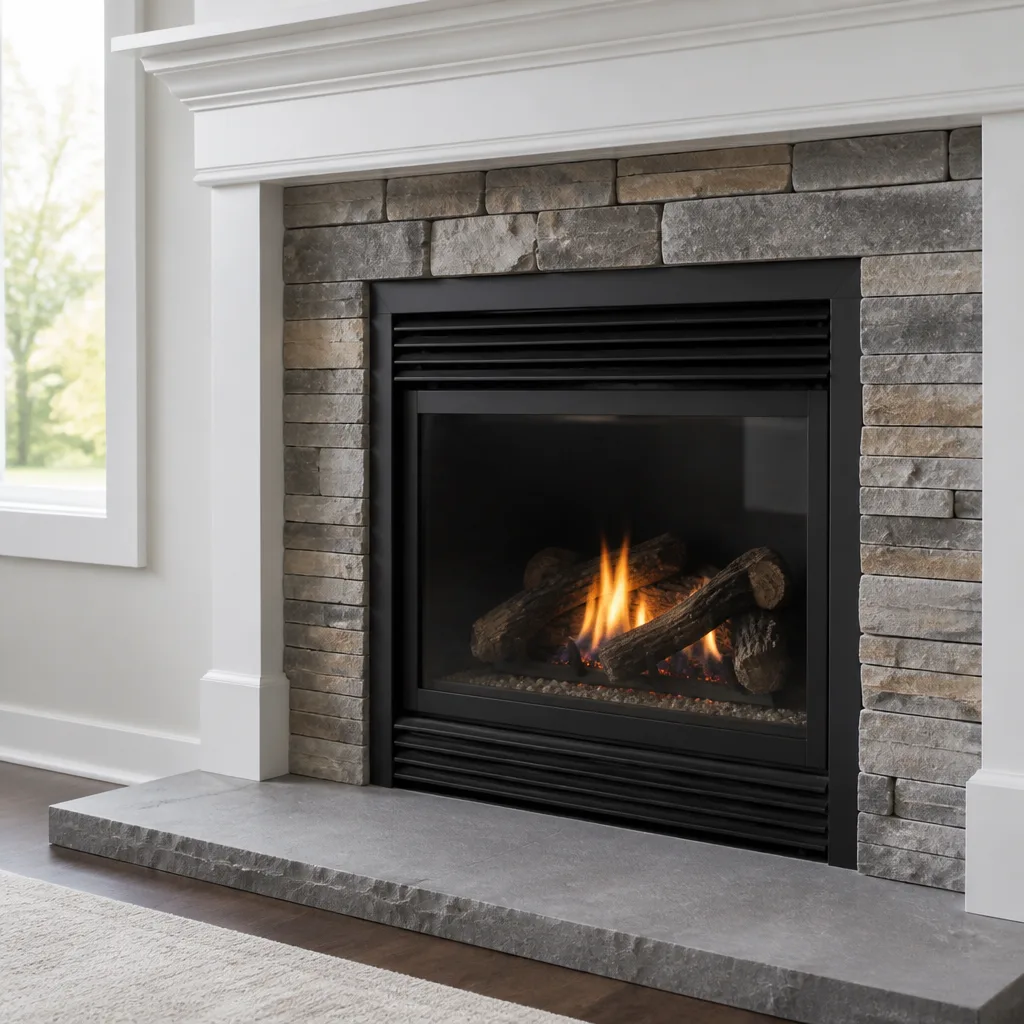 Gas fireplace service
Level 1 sweep and inspection to the NFPA 211 annual standard - flue, crown, cap, and flashing checked and photographed
Chimney sweep logs do not sweep chimneys. They loosen some creosote - which then falls where a brush and vacuum still have to collect it.
The Complete Guide to Chimney Cleaning in Laredo
Most chimney guides are written for homeowners burning wood six months a year in Vermont. If you’re in Laredo firing your fireplace thirty nights a season, the cleaning math is entirely different, and the standard advice can leave you under-prepared. A compressed burn season doesn’t mean a compressed creosote problem. It often means the opposite: shorter, hotter fires followed by long idle months create a deposit profile that cold-climate guides never address. In this guide, we’ll walk through how Laredo chimneys actually get used, what they accumulate, how a proper three-stage cleaning works at the material level, and what a compliant cleaning should document for you. You’ll finish knowing exactly what your chimney needs and when to schedule it.
Quick Answer
Chimney cleaning in Laredo means removing creosote, soot, and off-season debris from the flue, firebox, and smoke chamber, then inspecting the whole system against NFPA 211 standards. Because Laredo’s burn season is short but intense, most homes here need a sweep once a year, ideally before the first cool-weather fires rather than after. A proper cleaning includes brushing, HEPA vacuuming, and a documented inspection of the liner, cap, and crown.
Styles & brands we work with
- Sweep & inspection
- Caps & crowns
- Flue relining
- Masonry repair
- Gas fireplace service
Table of Contents
- Why Chimney Cleaning Works Differently in Laredo
- How Laredo’s Burn Season Concentrates Creosote
- Mesquite, Hardwood, and the Creosote They Leave Behind
- Off-Season Debris: Dust, Pollen, and Summer Humidity
- The Three-Stage Cleaning Process at the Material Level
- NFPA 211 and What a Compliant Cleaning Should Document
- How Often Should You Schedule a Cleaning?
- What You Can Check Yourself (and What You Shouldn’t)
Why Chimney Cleaning Works Differently in Laredo
Chimney cleaning in Laredo isn’t a northern-climate afterthought. The region’s fuel types, humidity swings, and short but intense burn season create a distinct creosote and debris profile that generic guides ignore entirely. Where a Vermont homeowner might burn four cords over five months, a Laredo homeowner might burn a fraction of that across a few dozen evenings. That difference changes everything about how deposits form and how often they need to come out.
Here’s the counterintuitive part: less wood burned doesn’t automatically mean less risk. It means the deposits that do form sit longer between cleanings, in a flue that spends most of the year idle and exposed to humidity. Creosote that would get burned off or swept out in a busy cold-climate chimney can glaze and harden in a Laredo flue over the long off-season.
Three local factors shape the cleaning picture:
- Compressed burn season. Fires happen over a shorter window, often concentrated around the coolest weeks. That means fewer sweep opportunities but no less need for one.
- Regional hardwoods. Mesquite and other South Texas hardwoods burn hot and leave dense, sticky deposits at the flue temperatures typical here.
- Long idle months. Dust, pollen, and summer humidity settle into an unused flue and mix with leftover soot, creating a debris layer that a cold-climate guide would never mention.
When we sweep a Laredo chimney, we’re not just removing soot. We’re clearing a year’s worth of accumulation that formed under conditions specific to this region.
How Laredo’s Burn Season Concentrates Creosote
Creosote forms when wood smoke cools before it exits the chimney. In cold climates, a long heating season means a flue that stays warm and a steady burn that produces a fairly predictable deposit. In Laredo, the pattern flips. Fires are shorter, often lit on cool evenings and let to burn down overnight, and the flue cools between uses. That cooling cycle is where creosote concentrates.
There are three grades of creosote, and they behave differently in a Laredo flue:
- First-degree creosote is a flaky, soot-like deposit. A standard brush removes it.
- Second-degree creosote is denser and tar-like. It clings to the liner and needs more aggressive brushing or a chemical treatment.
- Third-degree creosote is glazed and hardened, often baked onto the flue walls. Brushing alone won’t remove it, and it’s the grade that matters most for fire risk.
Why does Laredo skew toward the denser grades? A short, hot fire followed by a long cool-down gives smoke time to condense on a cooling flue. Do that a few dozen times over a season, and the deposits build in layers. We’ve seen this pattern enough to know that a Laredo chimney swept after two or three seasons can carry deposits that look more like a five-year cold-climate chimney.
The practical takeaway: don’t assume a light burn season means you can skip a year. If anything, the intermittent pattern here makes an annual chimney sweep more important, not less.
Mesquite, Hardwood, and the Creosote They Leave Behind
The wood you burn shapes the deposit. Mesquite is a South Texas staple, and it burns hot and long, but at the flue temperatures typical of a Laredo fireplace it produces a denser, stickier creosote than softer woods. That’s not a knock on mesquite. It’s a material fact that changes how a cleaning should be approached.
Here’s how common fuels compare in terms of deposit quality:
- Mesquite. Dense, hot-burning hardwood. Produces sticky, tar-like deposits that tend to cling to the liner rather than flake away.
- Oak and other dense hardwoods. Similar density to mesquite, with slightly less resin. Deposits are heavy but often brush off more cleanly.
- Seasoned softwoods. Burn faster and cooler. Produce more soot by volume, but the deposits are lighter and flakier.
- Unseasoned or “green” wood. The worst offender for creosote regardless of species. High moisture content means a cooler fire and more condensation on the flue walls.
The lesson isn’t to stop burning mesquite. It’s to burn it well-seasoned, keep fires hot enough to send smoke up and out rather than letting it linger, and have the flue cleaned on a schedule that matches what you actually burn. A homeowner burning mesquite regularly needs a sweep at least annually. A homeowner burning a few softwood fires a year has a different profile but still benefits from an inspection.
The right liner fix depends on your chimney’s condition, and the fuel you burn is part of that condition. When deposits have hardened into third-degree creosote or the liner itself has begun to deteriorate, cleaning alone doesn’t solve the problem.
Off-Season Debris: Dust, Pollen, and Summer Humidity
A Laredo chimney spends most of the year unused, and that idle time is when a different kind of accumulation happens. The flue becomes a vertical trap for whatever the season throws at it: dust, pollen, insect activity, and the humidity swings of a South Texas summer.
Here’s what settles into an unused flue:
- Dust and airborne grit. Fine particles drift down and coat the smoke shelf and firebox.
- Pollen. Spring and summer pollen settles on soot left over from last season, creating a crust that’s harder to brush off than soot alone.
- Humidity. Summer moisture encourages creosote to glaze and can cause soot to cake onto the liner. It also rusts metal dampers and caps.
- Nesting material. Birds and insects take advantage of an open or unsealed flue. A proper cap from a manufacturer like Gelco or Copperfield closes that door.
- Leaves and debris. Wind-driven debris finds its way past a missing or damaged cap and collects on the smoke shelf.
This is why we recommend cleaning before the burn season, not after it. A flue swept in the fall starts the season clear of off-season debris and ready for fires. A flue left alone all summer and swept in spring carries a full year of accumulation into the next season. If your chimney is missing a cap, or the cap is damaged, that’s the first thing to fix. Famco and Olympia Chimney caps seal a flue against the weather and wildlife that Laredo’s off-season delivers.
The Three-Stage Cleaning Process at the Material Level
A proper chimney cleaning is three distinct stages, and each one touches different surfaces with different tools. When a company rushes through or skips a stage, the result is a chimney that looks clean at the firebox but still carries deposits up the flue. Here’s what actually happens, stage by stage.
- Brush: mechanical removal of deposits. We start from the top or bottom depending on the flue configuration, using brushes sized to the liner. The brush contacts the flue walls, breaking up soot and creosote. For first- and second-degree deposits, this is where most of the removal happens. For glazed third-degree creosote, brushing alone isn’t enough, and we’ll discuss that finding with you rather than pretend the job is finished.
- Vacuum: capturing what the brush loosens. A HEPA vacuum runs throughout the brushing so loosened soot and dust don’t escape into the room. The vacuum captures what the brush frees, which is why the two stages run together rather than in sequence. Without a proper vacuum, a cleaning relocates the mess from the flue into your living room.
- Inspect: documenting what’s actually there. Brushing and vacuuming leave a clean surface to inspect. We check the liner, smoke chamber, damper, cap, crown, and firebox. What we find determines whether the chimney just needs a cleaning or whether there’s a repair to plan for.
The materials matter at every stage. A liner that’s cracked or deteriorated changes how we brush it. A flue lined with a material that’s failing needs an inspection finding documented, not a brush run over it. And when the inspection turns up a liner that needs resurfacing, our HeatShield capability lets us restore it without a full replacement in many cases. When the damage is more structural, a DuraFlex flexible liner system handles the relining job. One crew, one visit, swept, inspected, and repaired, is the goal of running all three services together.
NFPA 211 and What a Compliant Cleaning Should Document
NFPA 211 is the national standard for chimneys, fireplaces, vents, and solid fuel-burning appliances. It sets the baseline for how a chimney should be inspected and maintained. A cleaning that follows it isn’t just a brush and a goodbye; it’s a documented service with findings you can see and keep.
Here’s what a compliant cleaning in Laredo should leave you with:
- A record of the cleaning. What was swept, what was removed, and the condition of the flue at the time.
- An inspection finding. The condition of the liner, smoke chamber, damper, firebox, cap, and crown, documented rather than discussed from memory.
- Photos or a report where findings warrant it. You should be able to see what we saw, especially when a repair is recommended.
- Clear language about what can wait and what shouldn’t. Not every finding is urgent. A minor cap issue is very different from a cracked liner.
We show you what we find. Nothing is recommended without evidence you can look at yourself, and we say plainly when work can safely wait. That’s the standard we hold regardless of which brand of cap or liner suits your chimney.
If the inspection turns up liner damage, the next step is usually chimney repair, and it’s a decision worth making with a clear picture of the options. HeatShield resurfacing is one path. DuraFlex relining is another. The right one depends on the condition, not on what’s easiest to sell.
How Often Should You Schedule a Cleaning?
For most Laredo homeowners, once a year is the right rhythm, timed before the burn season rather than after. That said, the exact interval depends on how much you burn and what you burn, so there’s no single number that fits every home.
Use this as a starting guide:
- Regular fires through the season on mesquite or dense hardwood. Annual cleaning and inspection.
- Occasional fires, a few weeks a year. Annual inspection at minimum; cleaning as deposits warrant.
- A gas fireplace. Cleaning needs differ from wood-burning, but the flue and venting still need inspection, and off-season debris still accumulates.
- A chimney that sat unused for several seasons. Inspect before the first fire, not after. You need to know what accumulated while it sat idle.
The reason to time it before the season rather than after is simple. A flue that’s swept and inspected before the first fire starts clean and documented. A flue cleaned in spring carries off-season debris into the next season and leaves you guessing all summer about what’s up there. If it’s been a few seasons since your last cleaning, don’t wait for a problem to show itself.
What You Can Check Yourself (and What You Shouldn’t)
There are a few things every homeowner can check safely from the ground or the hearth. And there are things you should never attempt, because the risk isn’t worth it and the tools aren’t in your garage.
What you can safely check:
- Look up the flue from the firebox with a flashlight. You can see soot buildup, and whether the damper opens and closes freely.
- Check the exterior of the chimney for cracks in the crown or missing pieces of the cap, using binoculars from the ground.
- Confirm the cap is present and intact. A missing cap is a clear sign that debris and wildlife have had access.
- Watch for smoke backing into the room when a fire is lit. That’s a sign to stop burning and get an inspection.
What you should never attempt: climbing onto the roof to sweep the flue yourself, reaching into the flue to clear a blockage, or removing the cap to “check things out.” A fall from a roof or a burn from a hot flue is a real injury risk, and the inside of a chimney isn’t a place to improvise. When deposits have built up or the liner is in question, that’s a job for a trained professional with the right brushes, vacuum, and inspection tools. If you’re unsure what you’re looking at through the firebox, call us. We answer 24/7, and a real inspection settles the question.
Common Mistakes to Avoid
- Assuming a short burn season means skipping a year. Laredo’s intermittent fires can concentrate creosote rather than reduce it, so an annual cleaning usually makes more sense than the cold-climate “every other year” advice.
- Sweeping in spring instead of before the season. A spring cleaning leaves the flue idle all summer, collecting dust, pollen, and humidity. Cleaning before the first fire starts the season clean and documented.
- Burning unseasoned mesquite or “green” wood. High moisture content cools the fire and lays down sticky creosote. Seasoned wood matters more here than the species.
- Ignoring a missing or damaged cap. An open flue invites birds, insects, and wind-driven debris. A proper Gelco or Copperfield cap seals it and protects the flue year-round.
- Letting a sweep tell you the liner needs replacing without showing you why. Unverifiable liner work is the most common way homeowners get oversold. Ask to see the evidence, and expect a documented finding.
- Treating sweeping and repair as two separate errands. A sweep that catches a problem and hands you off to another company costs time and often money. One crew that sweeps, inspects, and repairs keeps the whole picture in one visit.
- Assuming a gas fireplace needs no cleaning. Gas logs and venting still accumulate dust and debris, and the flue still needs inspection. Cleaning simply looks different.
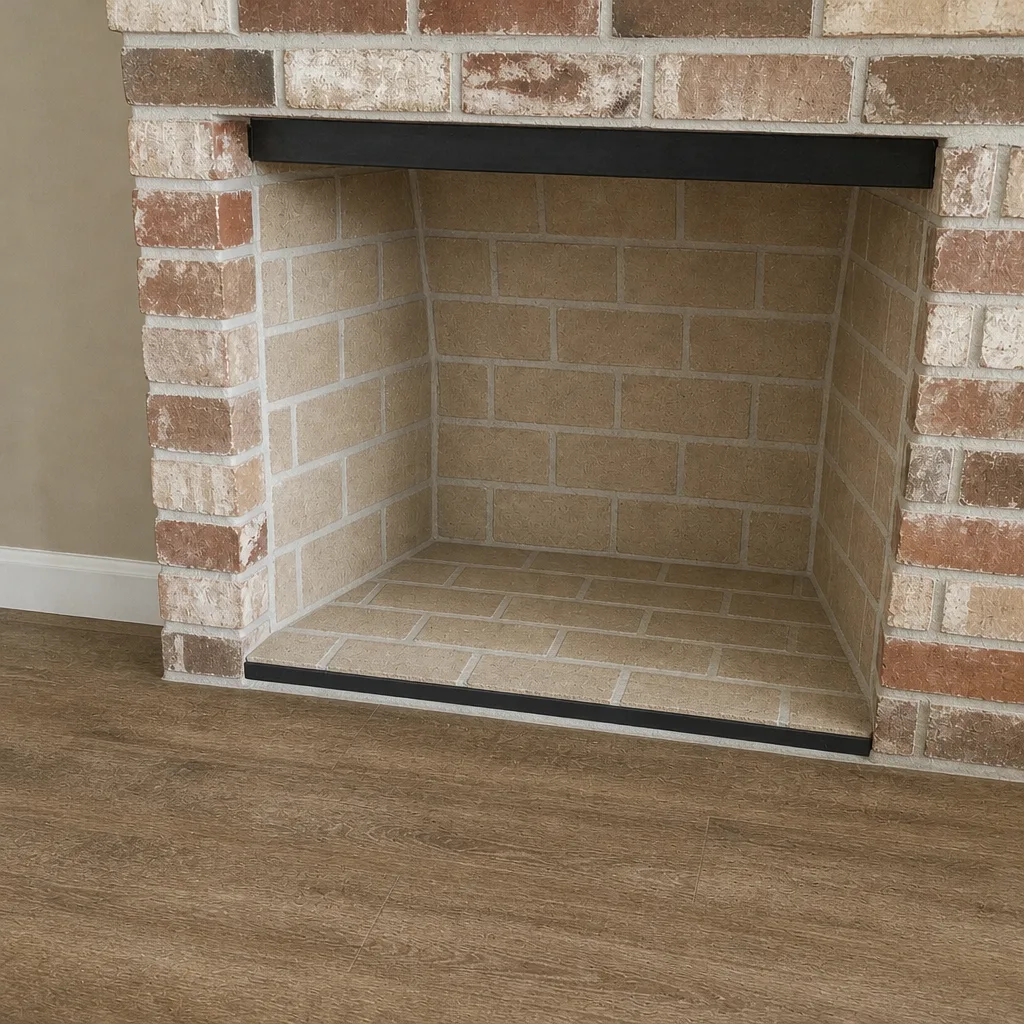
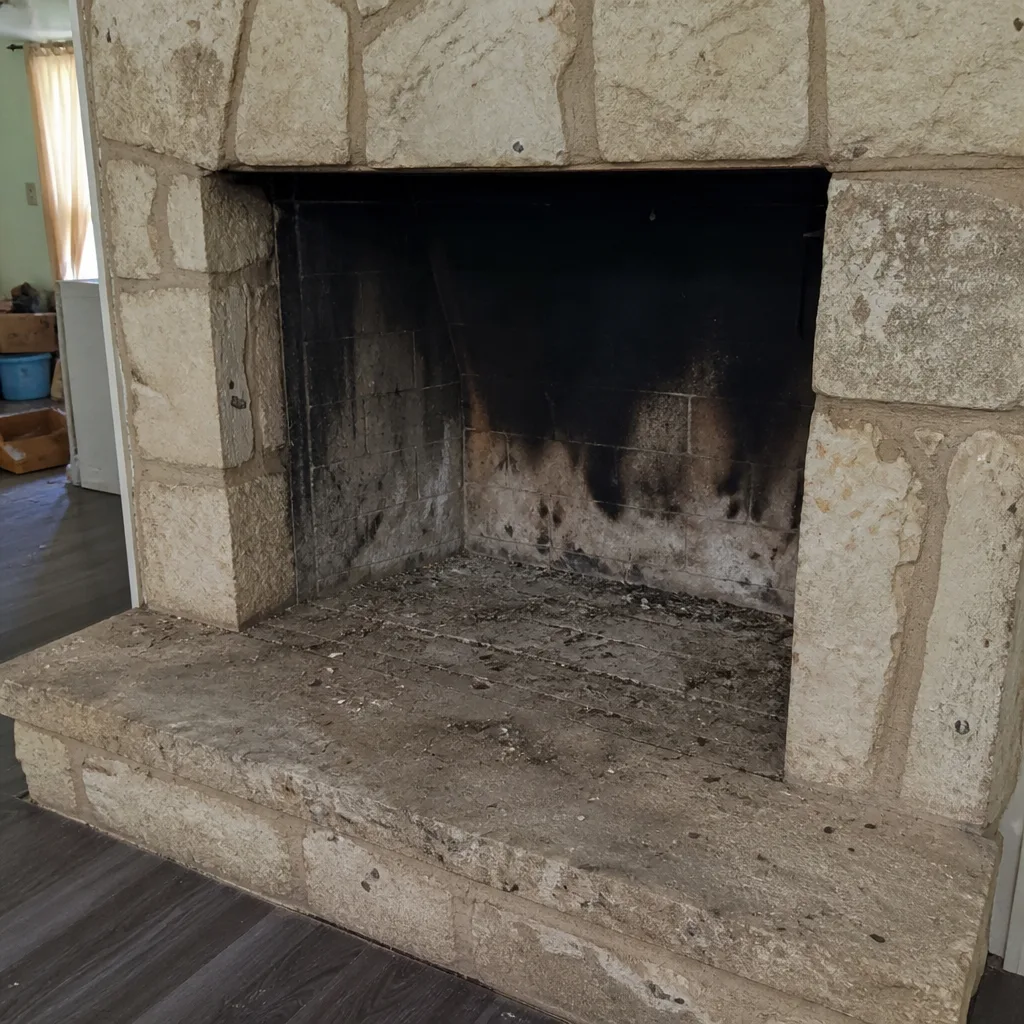
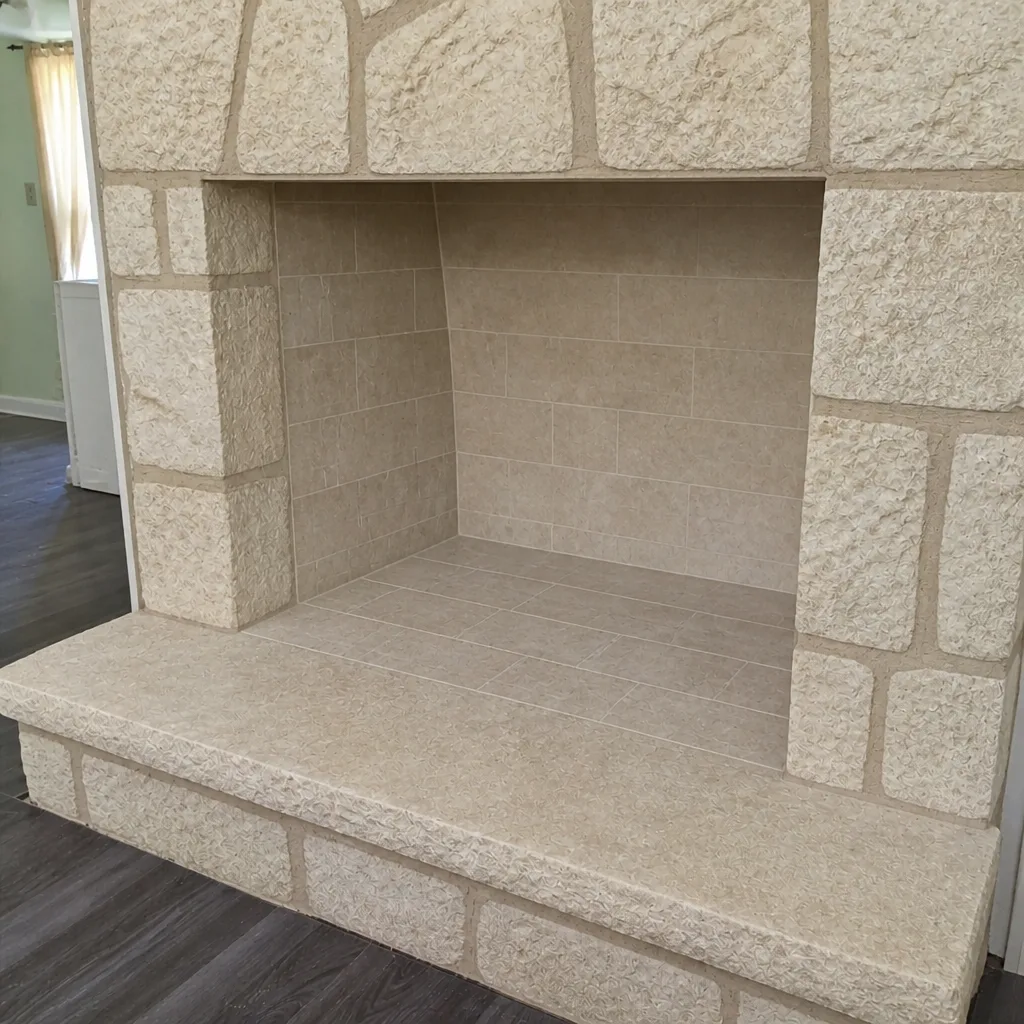
See the difference
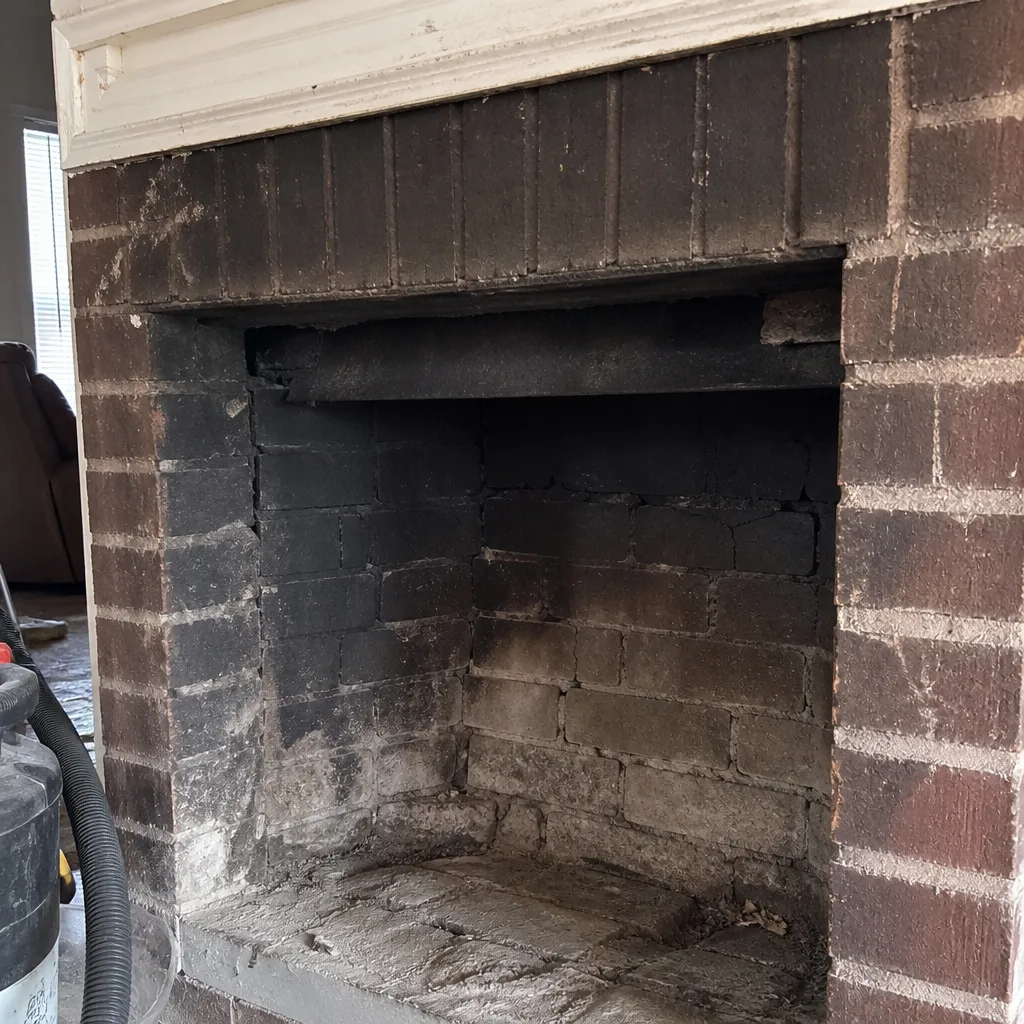 Before
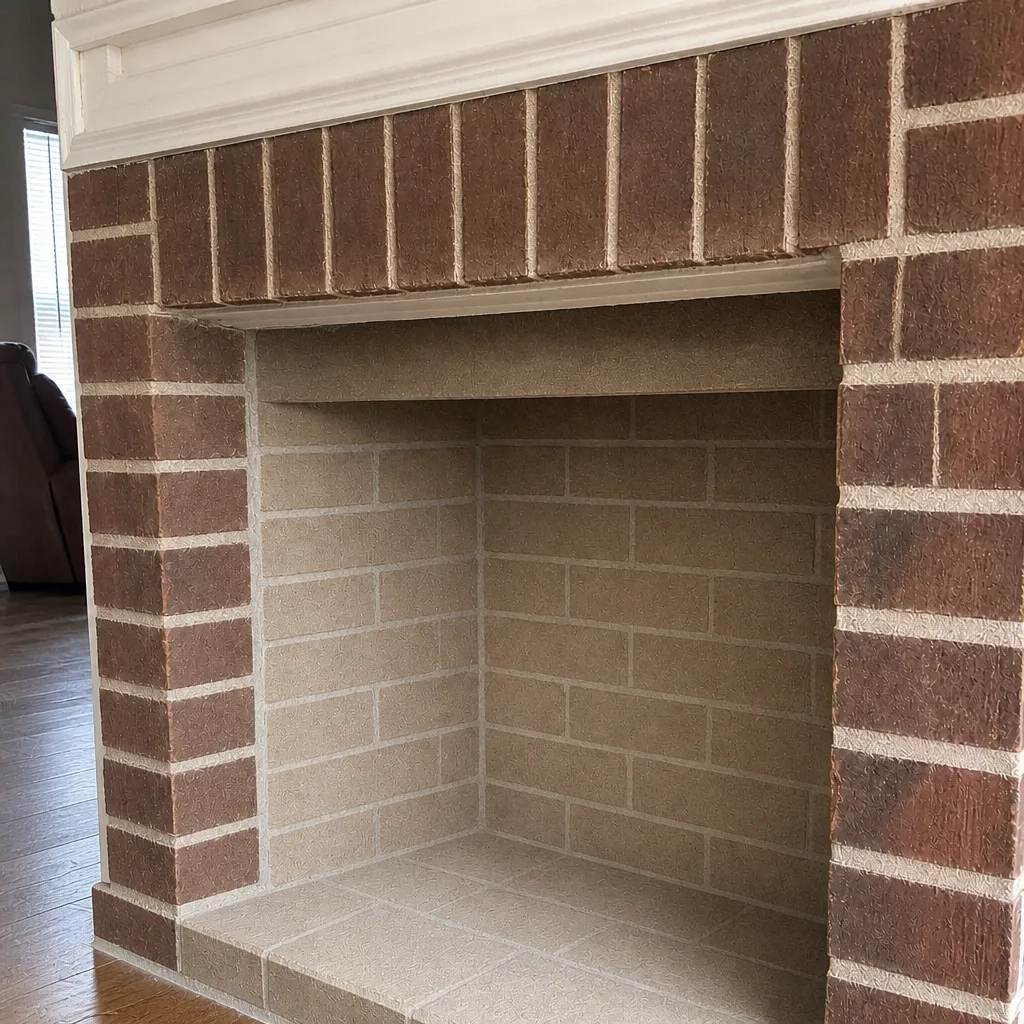 After
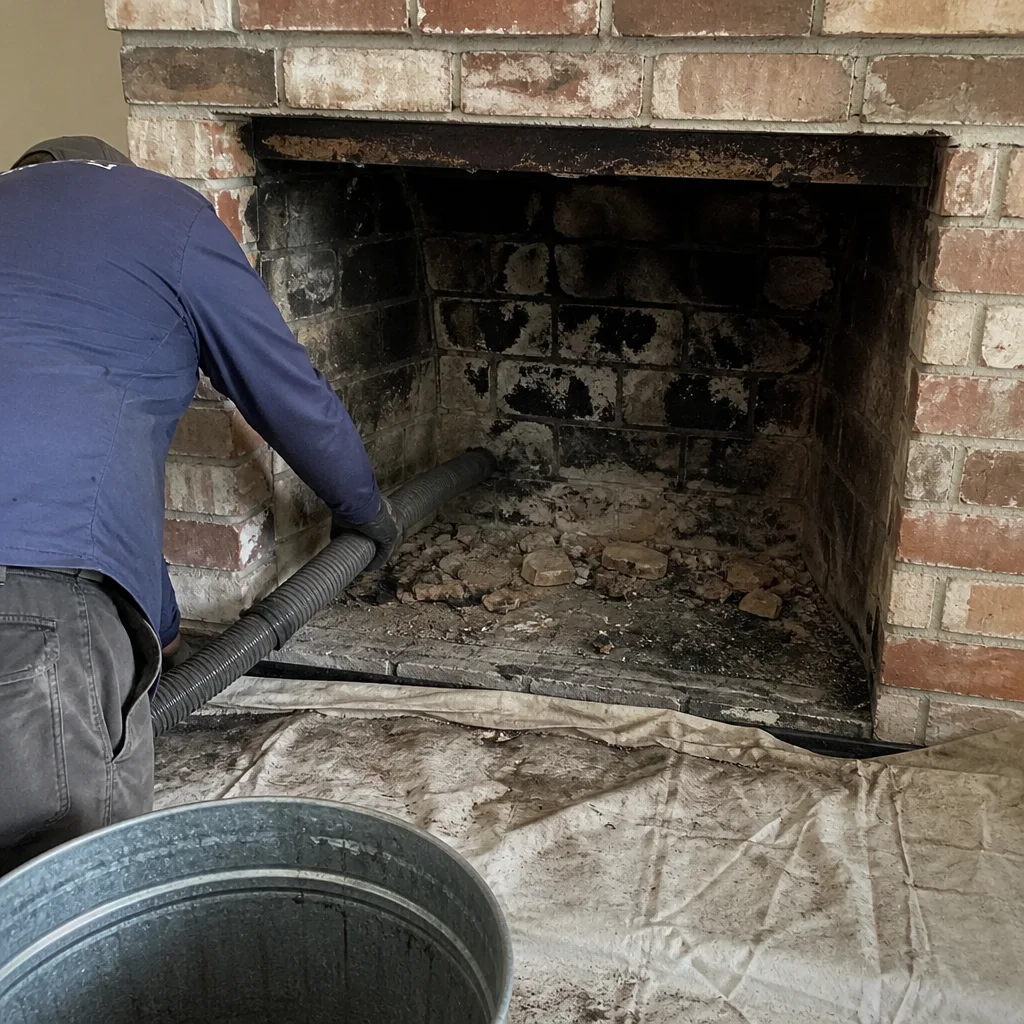 Before
 After
 Before
 After
When to Call a Professional
You should call a professional if it’s been a season or more since your last cleaning, if you burn mesquite or dense hardwood regularly, if you see smoke backing into the room, or if you notice a missing cap, cracked crown, or rusted damper. You should also call if you’ve moved into a home and don’t know the chimney’s maintenance history, or if a previous inspection recommended liner work you haven’t had verified. Chimney Sweep Laredo offers free estimates in Laredo. Call (855) 953-4291. We answer 24/7. Fast dispatch from 7am to 7pm, Sunday through Friday. Nothing is recommended without evidence you can see, and we’ll tell you plainly when work can safely wait.
Frequently Asked Questions
A chimney cleaning in Laredo is priced per job by a written estimate, and the estimate is free. Costs depend on the condition of the flue, the type of fuel burned, and whether the inspection turns up anything that changes the scope. Call (855) 953-4291 for an exact quote. Estimates are free, and the written estimate sets the final price.
Only if the inspection shows the liner is cracked, deteriorated, or otherwise failing. That’s a decision we make with you, using evidence you can see. In many cases, a deteriorated liner can be resurfaced with HeatShield rather than replaced, and some findings can safely wait. We never recommend liner work we can’t back up with documentation.
Once a year for most homes, timed before the burn season. Laredo’s compressed burn season followed by a long idle summer means deposits sit longer than they would in a cold climate, so an annual cleaning is usually the right interval. Homes burning mesquite regularly should stay on that schedule without skipping.
Creosote builds up in layers and eventually glazes onto the flue walls, which raises fire risk and makes the deposits far harder to remove later. Dust, pollen, and humidity add to the pile during the off-season, and a missing cap lets wildlife and debris in. Skipping a cleaning doesn’t stop the buildup; it just concentrates it into a harder and more expensive problem.
Yes. Gas fireplaces and their venting still accumulate dust and debris and still need inspection. The cleaning process differs from wood-burning, but the purpose is the same: clear the flue and confirm the system is sound. Call (855) 953-4291 to schedule an estimate.
You do, and it’s one of the most overlooked pieces of the system. A cap keeps rain, debris, birds, and insects out of the flue during Laredo’s long off-season and protects the interior from humidity. We install caps from Gelco, Famco, Olympia Chimney, and Copperfield, matched to your chimney’s top.
The Bottom Line
Chimney cleaning in Laredo isn’t a northern-climate afterthought. The short, intense burn season, mesquite and dense hardwood fuel, and long humid off-season create a creosote and debris profile that generic advice ignores. The right approach is an annual cleaning before the burn season, a proper three-stage process of brush, vacuum, and inspect, and documentation against NFPA 211 so you can see what we saw. When the inspection turns up liner work, resurfacing with HeatShield or relining with DuraFlex is a decision made on evidence, not on a sales pitch. At Chimney Sweep Laredo, we sweep, inspect, and repair with one crew and one visit. Our technicians have up to 14 years of experience, and the estimate is always free.
Ready to get started? Call (855) 953-4291. We answer 24/7. Fast dispatch from 7am to 7pm, Sunday through Friday.
Written by the team at Chimney Sweep Laredo.