
Last updated November 15, 2026
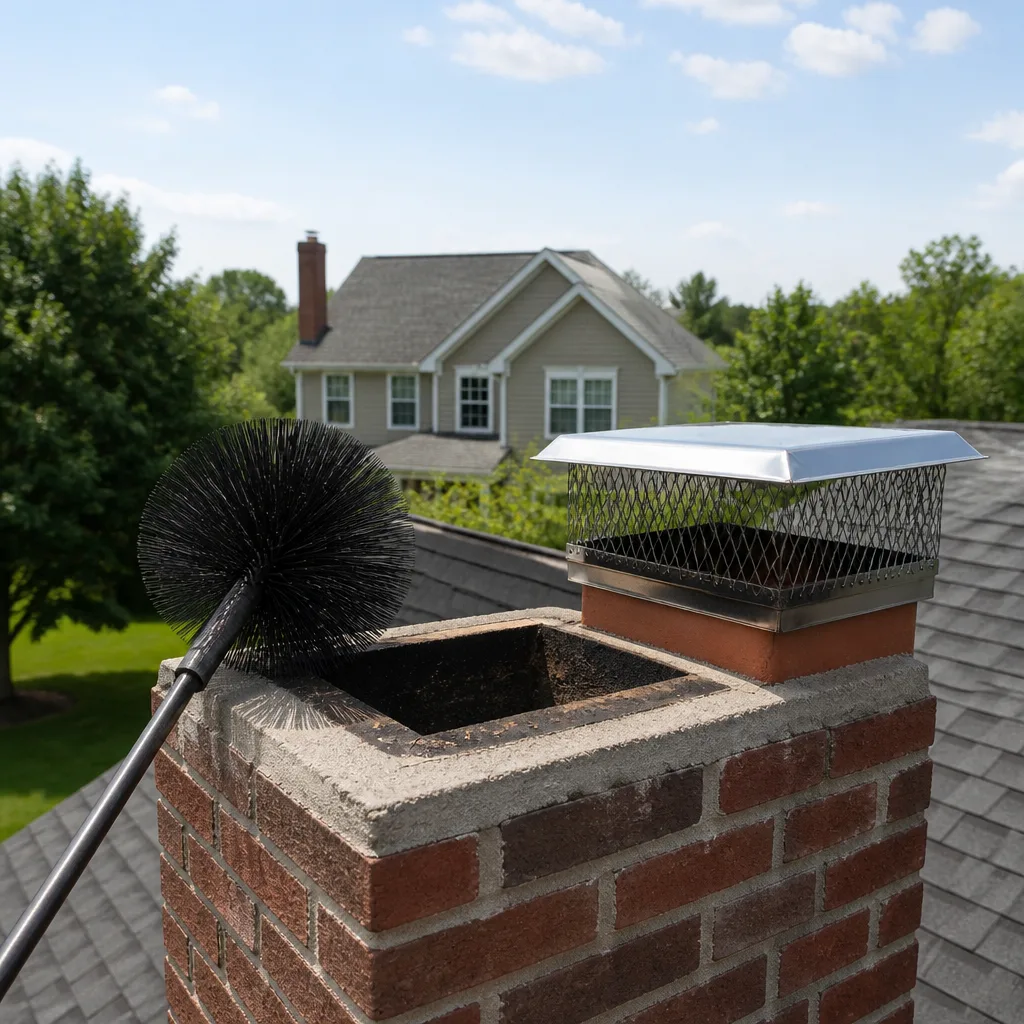 Sweep & inspection
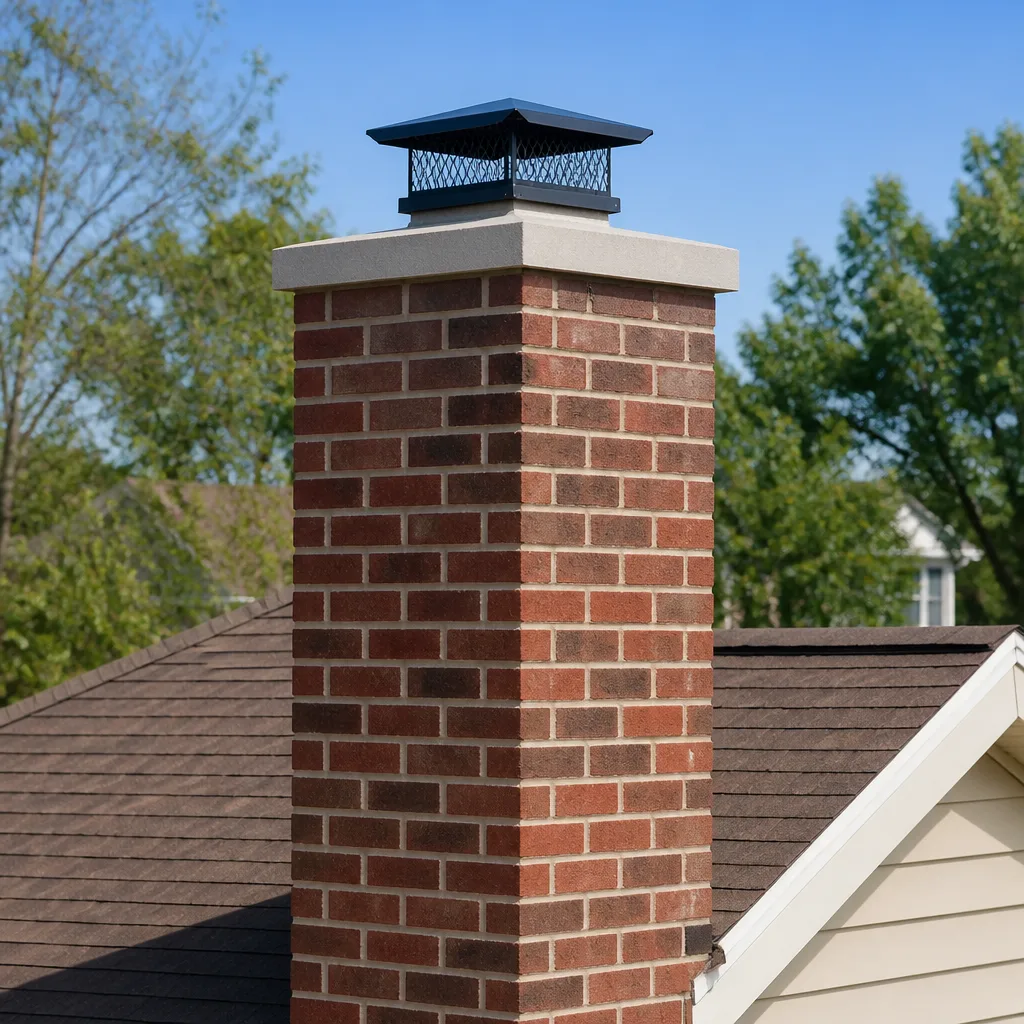 Caps & crowns
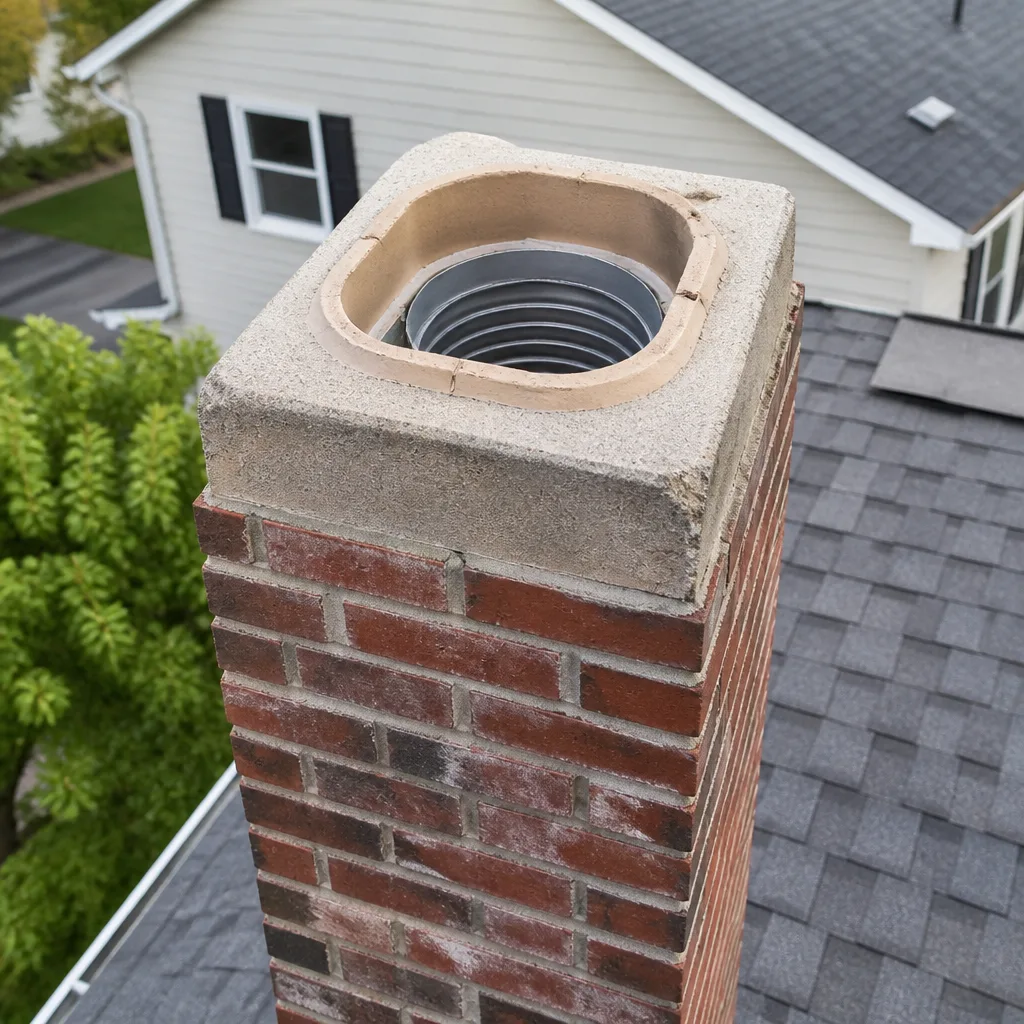 Flue relining
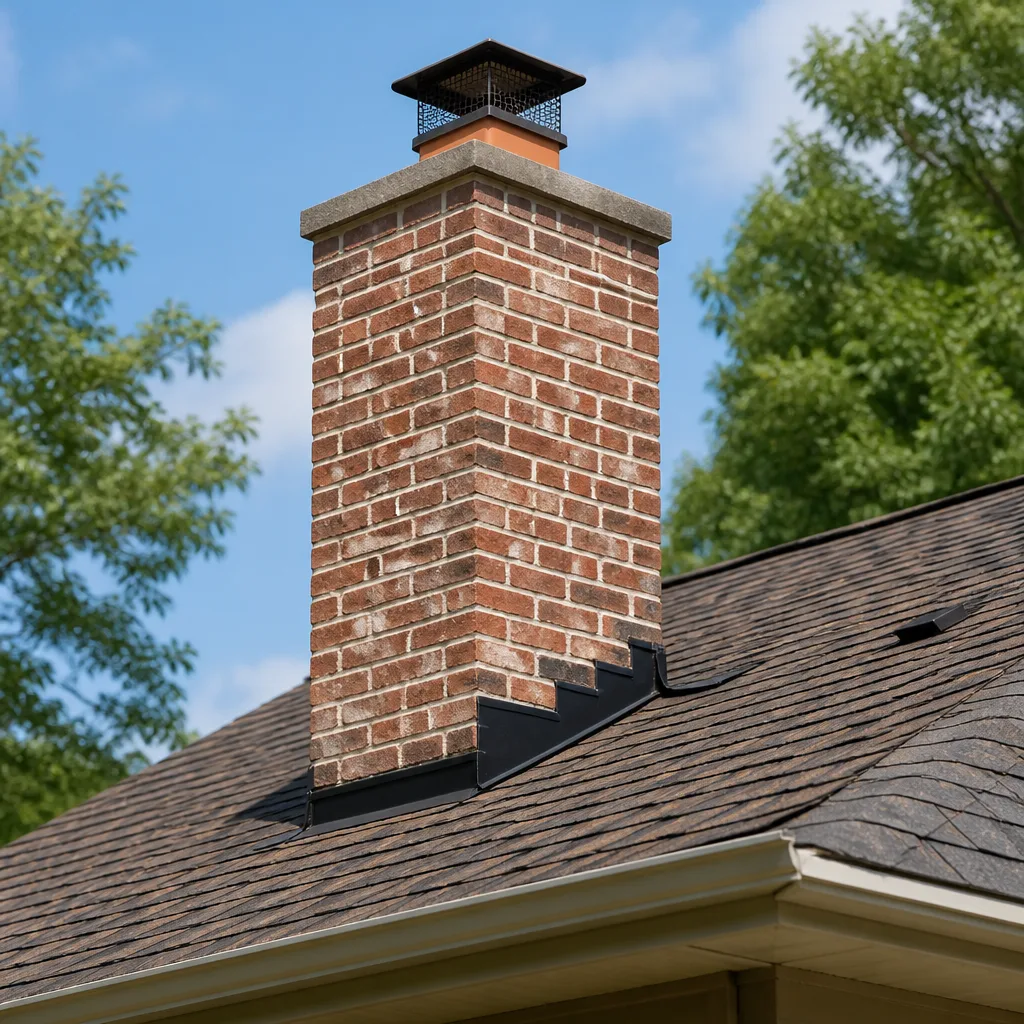 Masonry repair
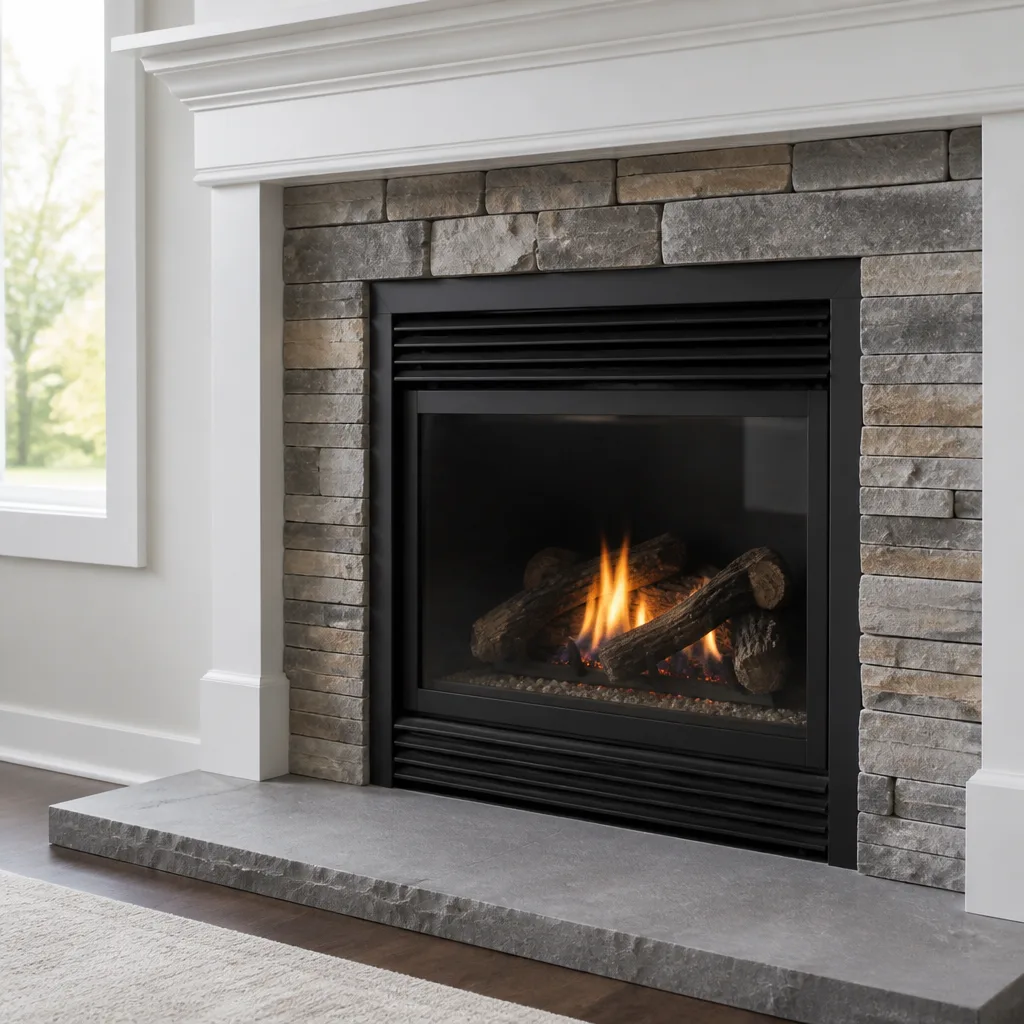 Gas fireplace service
Level 1 sweep and inspection to the NFPA 211 annual standard - flue, crown, cap, and flashing checked and photographed
Chimney sweep logs do not sweep chimneys. They loosen some creosote - which then falls where a brush and vacuum still have to collect it.
DIY vs Professional Chimney Cleaning: The Laredo Homeowner’s Decision Guide
Most homeowners think of chimney cleaning as a chore measured in soot and savings, so they reach for a brush at the hardware store and assume the job is done. But brushing removes what you can see; it says nothing about the cracked flue tile, the smoke chamber directing heat toward framing, or the creosote glaze that ignites at 451°F. The savings you calculate on a Saturday compare poorly against the risks that stay behind – especially in Laredo, where insurance and inspection records start to matter the day something goes wrong. This guide runs the real risk-adjusted comparison: what DIY accomplishes, what it can’t, and how to decide for your home.
Quick Answer
DIY brushing removes loose soot but cannot identify cracked flue tiles, hidden creosote glaze, or structural defects – the problems that cause chimney fires. In Laredo, where insurance claims can hinge on documented inspection history, professional cleaning plus a Level I or II inspection is the safer, more economical path for most active fireplaces, while light DIY upkeep between annual professional visits is appropriate for simple exterior checks.
Styles & brands we work with
- Sweep & inspection
- Caps & crowns
- Flue relining
- Masonry repair
- Gas fireplace service
Table of Contents
- What DIY Brushing Actually Accomplishes
- Creosote Stages: The Materials-Level Reality
- NFPA 211 Inspection Levels and Why Tools Matter
- How Texas Insurers Treat Chimney Fire Claims
- The Liability Math: Damage Cost vs. Annual Cleaning
- Safe DIY Maintenance Between Professional Visits
- Laredo Climate and Burn Season Context
- Choosing a Chimney Professional in Laredo
What DIY Brushing Actually Accomplishes
A consumer chimney brush and flexible rods will knock down loose, fluffy soot from the flue walls. That’s real work, and it does reduce the dust load in your firebox and flue. What it won’t do is tell you anything. The brush doesn’t distinguish between a smooth clay tile and one with a hairline fracture. It doesn’t see around the smoke shelf or into the smoke chamber above the damper. And it doesn’t remove glazed creosote, which is the third stage of creosote and the one that actually fuels chimney fires.
In our experience across Laredo homes, the gap between what a homeowner believes is clean and what a camera shows is often the entire reason a sweep is worth doing. Here’s what DIY brushing does and doesn’t cover:
- Removes: loose stage-one soot from straight flue sections
- Does not remove: glazed stage-three creosote, which bonds to tile and requires chemical or rotary treatment
- Does not reveal: cracked tiles, gaps in mortar joints, offset flue sections, or a deteriorated smoke chamber
- Does not create: a documented inspection record for insurance or resale purposes
That last point matters more than most homeowners realize, and we’ll get to why in the insurance section below.
Creosote Stages: The Materials-Level Reality
Creosote forms when wood smoke cools against a flue wall, condensing into a tar-like deposit. It develops in three recognizable stages, and each stage demands a different removal method:
- Stage 1 – Soot and flaky crust: Thin, dusty, and easily brushed away. This is what most DIY attempts handle well.
- Stage 2 – Puffy, flaky deposits: Thicker and more stubborn. A brush will break some of it loose, but rotary tools and proper technique do a more complete job.
- Stage 3 – Glazed, hardened glaze: Dense, shiny, and bonded to the tile. A standard brush skips right over it. Professional removal requires chemical agents or specialized rotary equipment, and it is the stage that ignites readily – some estimates put the ignition point around 451°F, well within the range a hot fire can reach.
You can’t tell which stage you’re at by glancing up the flue with a flashlight. Glaze looks like a hard, dark shininess, not a mess. In Laredo’s dry climate, wood that’s been stored uncovered or partially seasoned burns less efficiently and produces more of this deposit. Storing firewood covered and buying seasoned wood does reduce creosote formation, but it doesn’t eliminate the need for inspection.
If you’ve been burning for several seasons without a professional visit, the risk of stage-three creosote being present is real, and it’s the single strongest argument for scheduling a chimney sweep.
NFPA 211 Inspection Levels and Why Tools Matter
NFPA 211 sets three levels of chimney inspection, and the distinction between them is exactly why a homeowner with a flashlight can’t substitute for a trained inspector:
- Level I: A visual check of readily accessible portions – firebox, damper, and visible flue from the firebox side. Appropriate for an annual check on a well-maintained, unchanged system.
- Level II: Requires video scanning through the flue and access to areas that aren’t visible from the firebox, plus inspection of the chimney exterior and any attic or crawl space access points. Required when a system changes (new liner, appliance change) or after a chimney fire or seismic event.
- Level III: Involves removing parts of the chimney structure or building materials to access concealed areas. Rare, but necessary when a Level II reveals a problem that can’t be assessed otherwise.
Level I and Level II both depend on equipment most homeowners don’t have: an inspection camera with illumination, and the trained eye to interpret what shows up on screen. A small crack in a flue tile that looks like a shadow on a handheld flashlight photo is a clear defect on a digital scan. That’s the difference between catching a problem and finding out about it later.
Our sweep and inspection visits include a camera inspection and a photo report, so you see exactly what we see – no interpretation required on your end.
How Texas Insurers Treat Chimney Fire Claims
Here’s the part of the DIY conversation that rarely gets airtime. When a chimney fire damages a home and the policyholder files a claim, insurers and their adjusters look at the loss through the lens of maintenance history. A homeowner who can produce records of regular professional cleaning and inspection has documented that the system was maintained. A homeowner who has only ever done it themselves has no such record, and that absence can complicate a claim or invite more scrutiny.
We’re not insurers, and we don’t make coverage promises. Policies vary and adjusters decide each claim on its own facts. But the pattern is consistent enough to be worth understanding: documentation supports the claim, and its absence invites questions. That’s true in Laredo and it’s true across Texas.
What does that mean practically?
- Keep the inspection report and cleaning records from each professional visit, even after selling the home.
- Note the date of each sweep and the inspector’s findings. A camera report is the cleanest possible record.
- If you’ve done DIY cleaning, professional inspections become more important, not less, because they establish a baseline that a brush can’t.
The cost of an annual sweep is a rounding error against the cost of an insurance dispute, let alone the damage itself.
The Liability Math: Damage Cost vs. Annual Cleaning
The DIY calculation usually looks like this: annual professional cleaning costs something, a brush and rods cost a fraction of that, so I’ll do it myself and save the difference. The math omits the consequence side of the equation. A chimney fire that extends into framing can require structural repair to the chimney chase, roof, and interior finishes – the kind of work that runs into thousands of dollars and often isn’t fully covered without documentation. The rebuild of a damaged flue liner alone – the vertical shaft inside your chimney – is a substantial project. Repeated partial liner damage adds up too.
Compare that to the annual cost of a professional sweep, which is a straightforward, per-job estimate you approve in advance. Here’s the risk-adjusted comparison as a plain framework:
- DIY only: low annual outlay, high tail risk if a stage-three deposit ignites or a hidden defect goes unnoticed, no documentation for insurance.
- Professional annual sweep and inspection: predictable per-job cost, defects identified while they’re still small, documented maintenance history.
- Professional sweep plus HeatShield resurfacing: in the case of a deteriorating but structurally sound liner, resurfacing restores the flue without full replacement – a middle path most sweep-only companies can’t offer.
The right liner fix depends on your chimney’s condition, not on a sales script. If the liner is sound, we say so; if it needs resurfacing, that option exists; if it needs full relining, a DuraFlex flexible liner system handles the structural work. The point is that the decision should be made with camera evidence, not a guess.
Safe DIY Maintenance Between Professional Visits
There’s a legitimate role for homeowner maintenance, as long as it stays in the areas where a wrong move can’t hurt you. Here’s what’s appropriate between professional sweeps:
- Exterior visual checks: Look at the chimney crown and the exterior mortar joints from the ground. Note cracks, missing mortar, or a crumbling crown, and photograph anything suspicious. Repair is a professional job, but spotting it early is free.
- Cap and screen inspection: Confirm the cap is intact and the spark screen isn’t clogged with debris or bird nests. A clear cap keeps water and animals out. If the cap is damaged, Gelco and Famco replacement caps are part of what we install.
- Damper operation: Open and close the damper to confirm it moves freely and seats fully. A damper that won’t close wastes heated air and lets drafts in; one that won’t open fully sends smoke into the room.
- Seasoned wood discipline: Burn only dry, seasoned wood and store it covered, off the ground, and away from the chimney exterior. This is the single most effective everyday action for limiting creosote formation.
What’s not appropriate: climbing onto a steep roof to inspect the flue from above, disassembling connections, or attempting to remove glazed creosote with household tools. Height work is a fall hazard, and glazed creosote removal can damage tile if done wrong. A trained professional should handle both.
Laredo Climate and Burn Season Context
Laredo’s winters are mild, which changes the rhythm of chimney care in this region. Fireplaces here tend to run during a shorter cool season rather than a long northern winter, so annual use is often lower – but that can encourage complacency. A fireplace used lightly for one season still builds deposit. It just builds less, which makes the deposit more likely to go unexamined for several years.
Two local factors matter:
- Dry, dusty conditions: Fine dust settles in fireboxes and on caps more readily here, and a clogged spark screen or cap is a real risk. Check the cap, and have the chimney cap and crown inspected professionally each year.
- Wood storage: In a dry climate, wood dries unevenly if stored uncovered or in piles against the house. Seasoned, covered wood burns cleaner and produces less creosote.
The best time to book a sweep in Laredo is before the burn season begins. Scheduling ahead of the first cool snap means you’re not waiting when everyone else decides it’s time. One crew can handle sweep, inspection, and repair in a single visit – we stock and install DuraFlex, HeatShield, Gelco, Olympia Chimney, Famco, and Copperfield, so findings get fixed without a second appointment.
Choosing a Chimney Professional in Laredo
If you’re going to transfer the risk to a professional, choose one whose scope covers the whole chimney. A sweep-only operation can clean the flue, but when the inspection uncovers a cracked tile or a failing smoke chamber, you’re back to scheduling a second contractor. Look for:
- Full scope: sweep, inspection, and chimney repair from the same team, so findings get addressed in one visit.
- Brand access: a company that works with recognized trade brands, not one generic material. We work with DuraFlex for relining, HeatShield for liner resurfacing, and Gelco and Famco for caps and covers.
- Camera evidence: a photo report from the inspection, so you see the condition yourself rather than taking it on faith.
- Clear, per-job estimates: a written price you approve before any work begins.
- Insurance and licensing: ask for current proof – we’re licensed and insured, and we’ll provide documentation on request.
For homeowners comparing options across the region, our Chimney Sweep Laredo service page covers the full sweep, inspection, and repair arc. If you’re outside the city, we also work across the surrounding service area.
Common Mistakes to Avoid
- Treating a brushed flue as an inspected flue. A clean flue and a sound flue are different things. Brushing removes soot; it doesn’t detect cracks, and it can’t tell you if the deposit is stage one or stage three.
- Skipping the inspection because the sweep looked fine. The two are separate services. A sweep cleans; an inspection evaluates. Most years, the inspection is the higher-value half of the visit.
- Burning unseasoned or green wood to stretch the woodpile. Wet wood burns cooler and smokes more, which builds creosote faster. In Laredo’s dry climate, there’s no reason to burn anything but seasoned wood.
- Assuming a mild winter means you can skip the annual visit. Light use still deposits creosote. Annual inspections are the check that catches the buildup before it matters.
- Attempting glazed creosote removal with a standard brush. Stage-three glaze doesn’t respond to brushing. If it’s present, professional removal is the only safe route – and a standard brush may damage the tile in the attempt.
- Climbing the roof for a DIY flue check. Falls are the most common serious injury in this line of work. Stay off the roof; let a professional handle the height.
- Discarding the inspection report after the visit. Keep every report. It’s the maintenance record that matters most if you ever file a claim or sell the home.
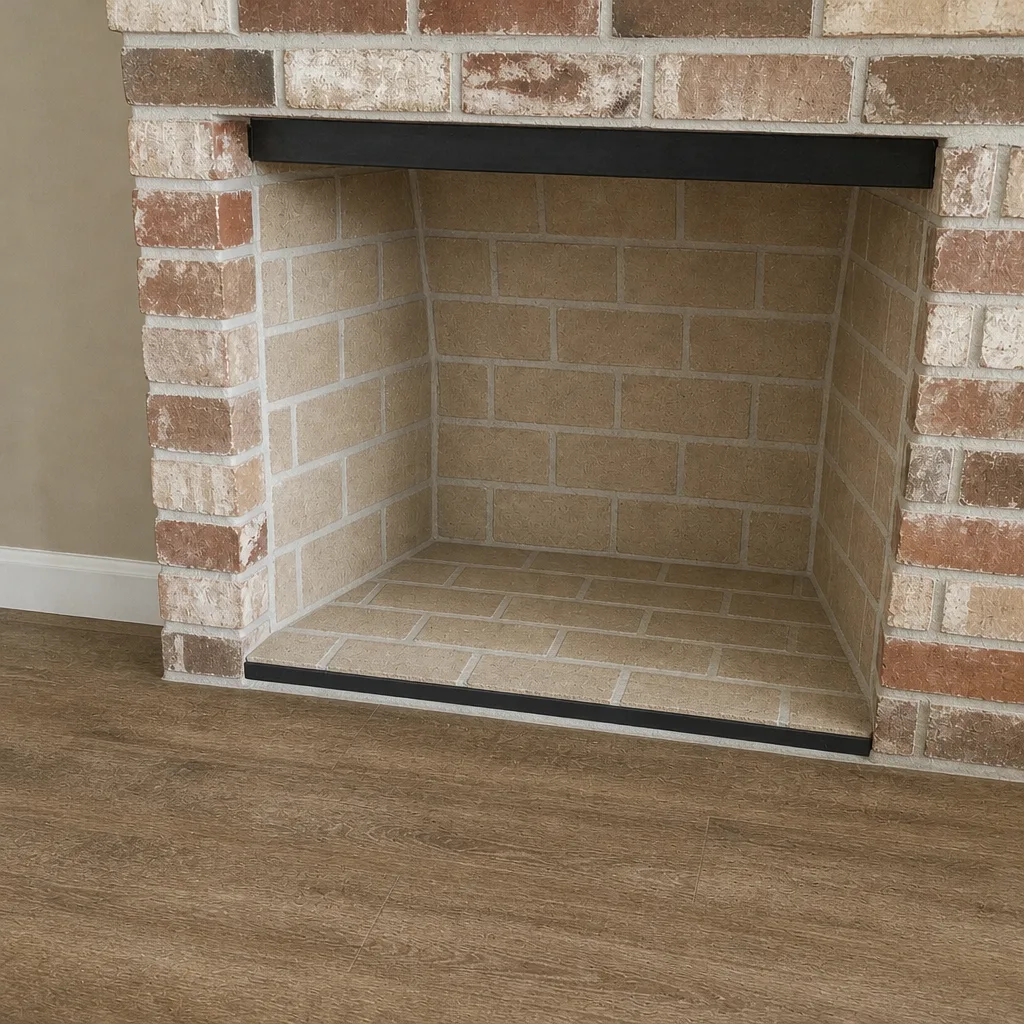
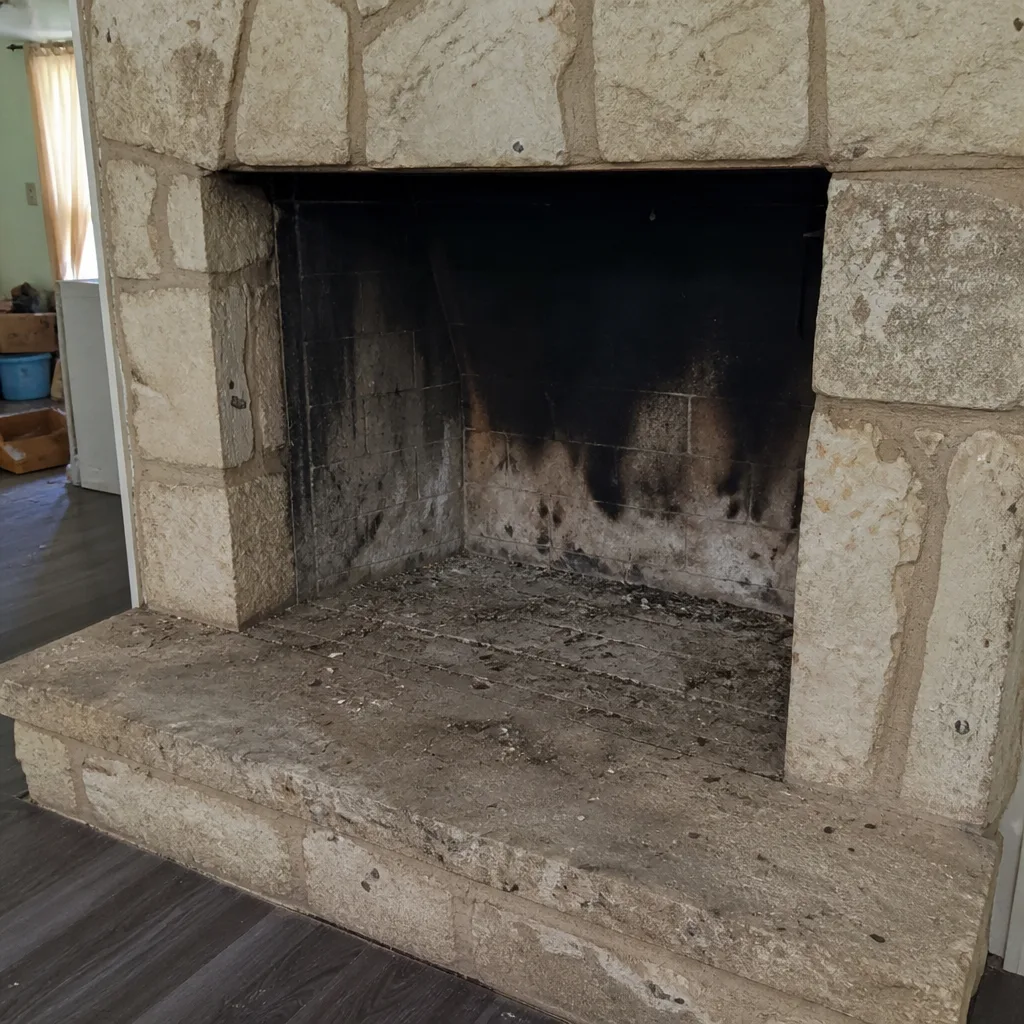
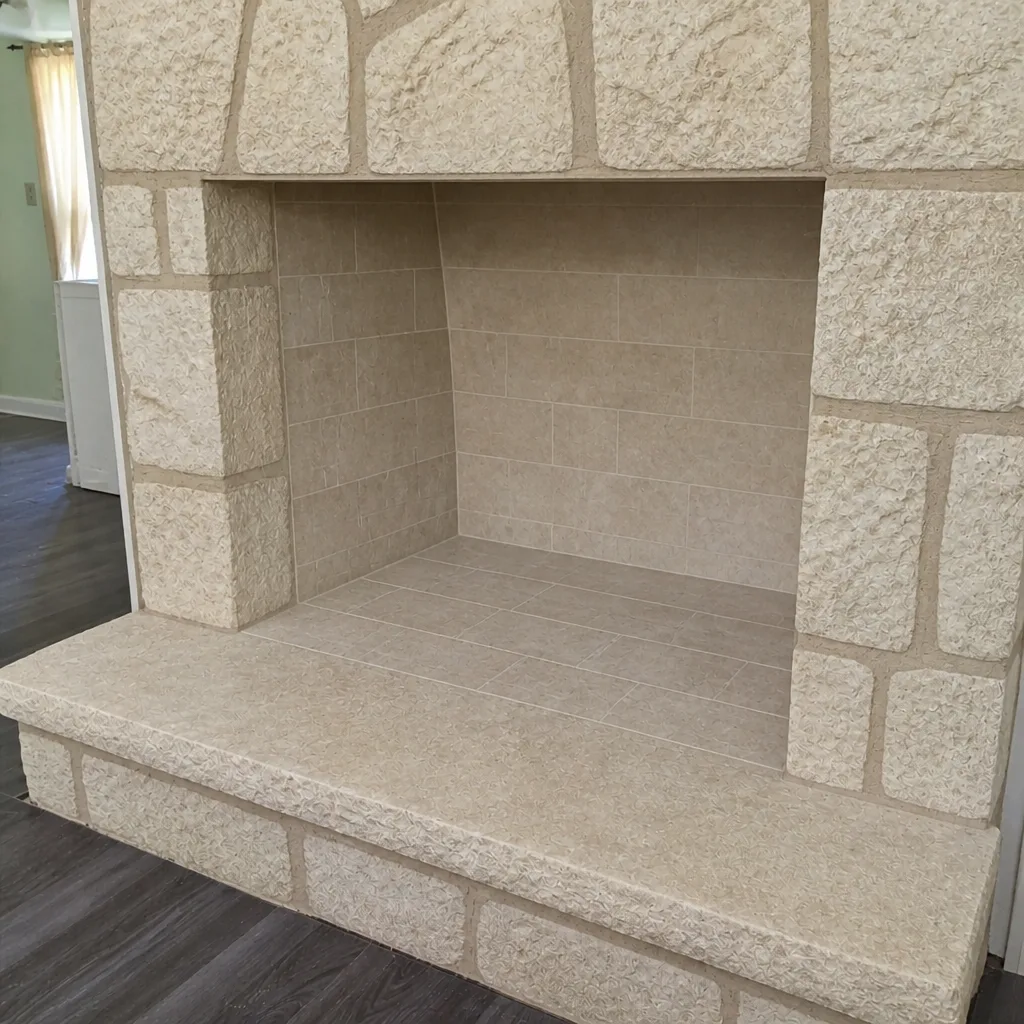
See the difference
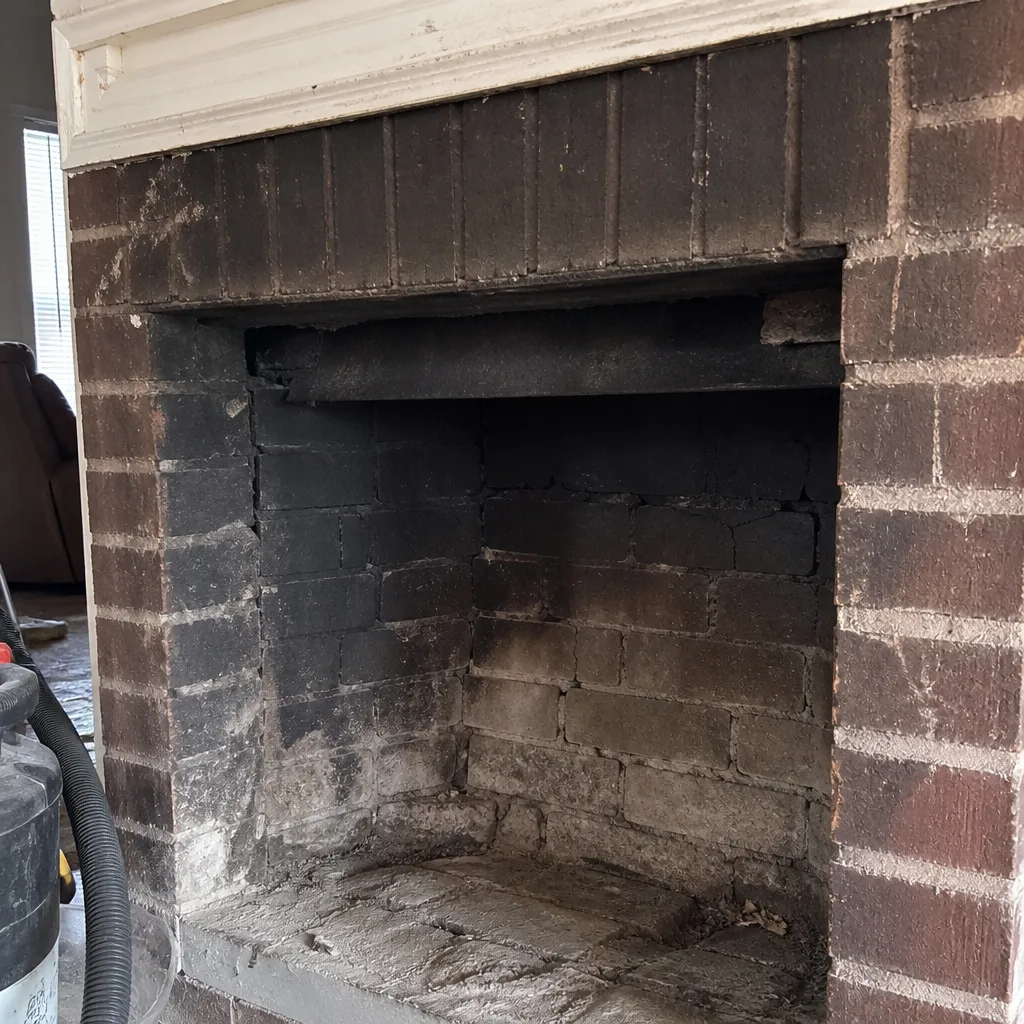 Before
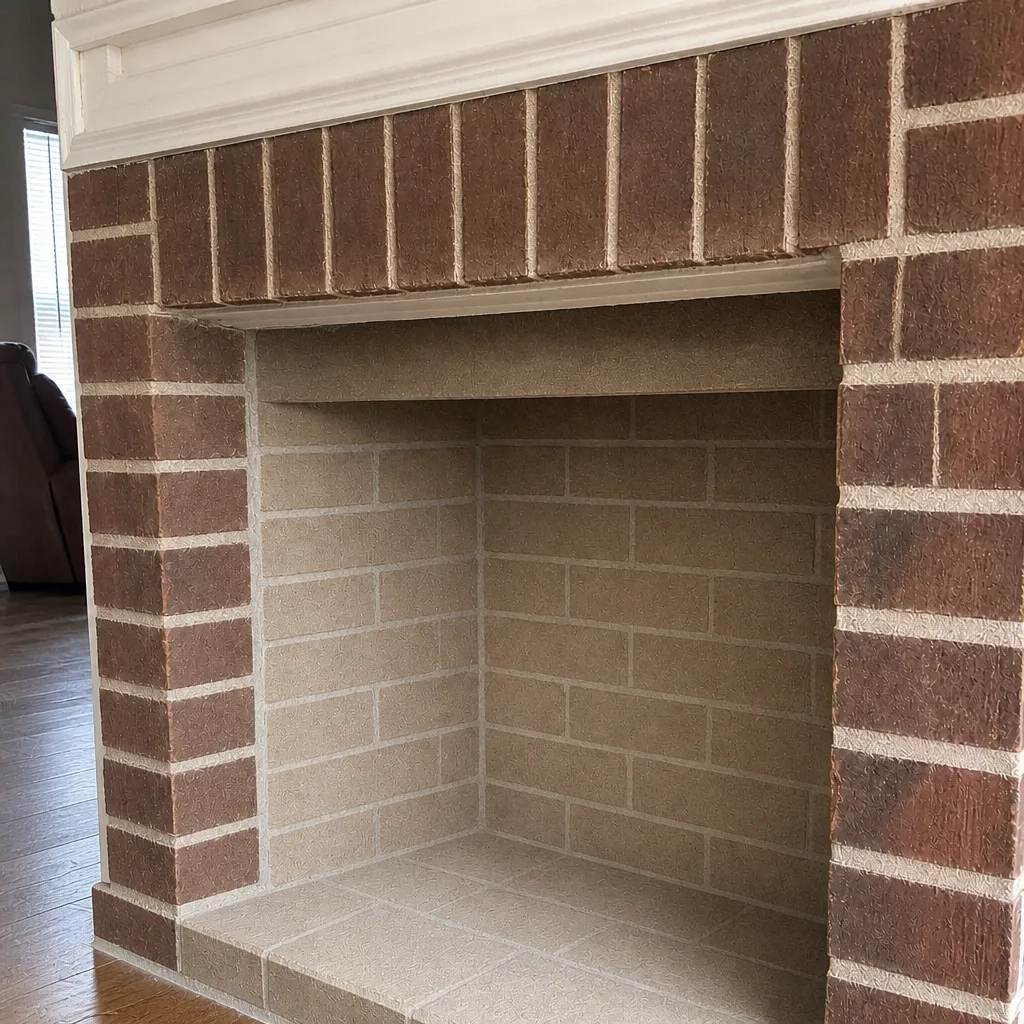 After
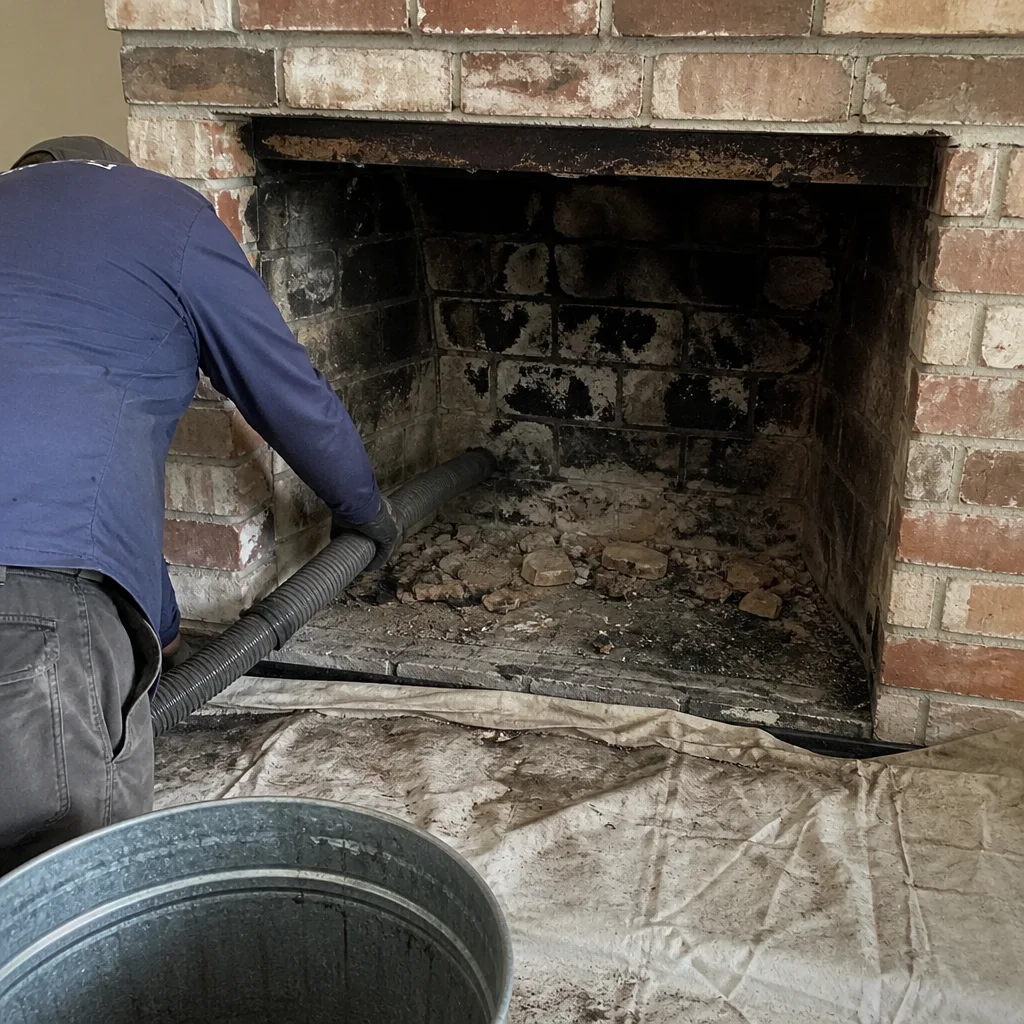 Before
 After
 Before
 After
When to Call a Professional
Call a professional when you can’t see what’s happening inside the flue, and when something changes. That means: any crack in the smoke chamber or flue tile you’ve spotted from the firebox; a strong creosote smell, especially after a fire; smoke backing into the room; a chimney fire, even a small one (a Level II inspection is appropriate afterward); a change in appliance or fuel type; or simply a year since the last sweep and inspection. If you’ve been burning several seasons without a professional visit, schedule one before the next burn season. Chimney Sweep Laredo offers free estimates in Laredo – call (855) 953-4291.
Frequently Asked Questions
A chimney sweep in Laredo is priced per job, and the written estimate you receive before the work begins sets the final price. That estimate covers the sweep and, typically, a camera inspection with a photo report. Call (855) 953-4291 for an exact quote – estimates are free. We answer 24/7, with fast dispatch from 7am to 7pm, Sunday through Friday.
Not always. Whether you need a new liner depends on the condition of the existing one, which is why we start with a camera inspection. If the liner is deteriorating but structurally sound, HeatShield resurfacing can restore it without full replacement. If the liner is damaged beyond resurfacing, a DuraFlex flexible liner system provides the structural relining. Either way, you see the camera evidence before anything is recommended. Call (855) 953-4291 and we’ll tell you which case you’re in.
Most active wood-burning fireplaces should be swept and inspected annually, before the burn season begins. In Laredo, the mild winters mean lighter use for many homes, but light use still deposits creosote over time, and a yearly inspection catches buildup and defects while they’re still small. If you burn heavily or use unseasoned wood, more frequent checks may be appropriate. Call (855) 953-4291 to schedule yours.
Skipping the annual sweep and inspection leaves creosote and hidden defects unaddressed. Stage-three glazed creosote can ignite at around 451°F, which is within the range a hot fire can produce. A small crack in the flue tile can let heat reach framing. Even without a fire, buildup reduces draft and makes the fireplace run poorly. The risk is not that something will happen immediately – it’s that nothing gets found until it’s large. Call (855) 953-4291 for a sweep and inspection before the season.
No, homeowners can clean their own chimneys in Texas. But cleaning and inspecting are separate acts: a homeowner can brush soot, while a trained professional performs the camera inspection that reveals hidden defects. The practical question isn’t legality, it’s whether the cleaning gives you the information you need. We’d rather you know your home is safe than save a little by guessing.
Often, yes. Because we handle sweep, inspection, and repair, findings from the inspection can usually be addressed in the same visit, without a second scheduling window or a handoff to another contractor. Some larger relining jobs need to be scheduled, but the assessment and the plan are set on the first visit. Nothing is recommended without camera evidence you can see for yourself. Call (855) 953-4291 for an estimate.
The Bottom Line
DIY brushing removes loose soot, and that’s genuinely useful. But it can’t identify stage-three creosote, a cracked flue tile, or a smoke chamber channeling heat toward framing – and in Laredo, an undocumented maintenance history can complicate an insurance claim the day something goes wrong. The real calculation isn’t brush versus sweep. It’s risk transfer. A professional sweep and inspection prices a known risk against an unknown one, and the written estimate makes the cost predictable. For most active fireplaces, the professional annual visit is the cheaper math once the tail risk is counted. Start before burn season. Call (855) 953-4291 for a free estimate. We answer 24/7, with fast dispatch from 7am to 7pm, Sunday through Friday.
Written by the team at Chimney Sweep Laredo.