
Last updated November 15, 2026
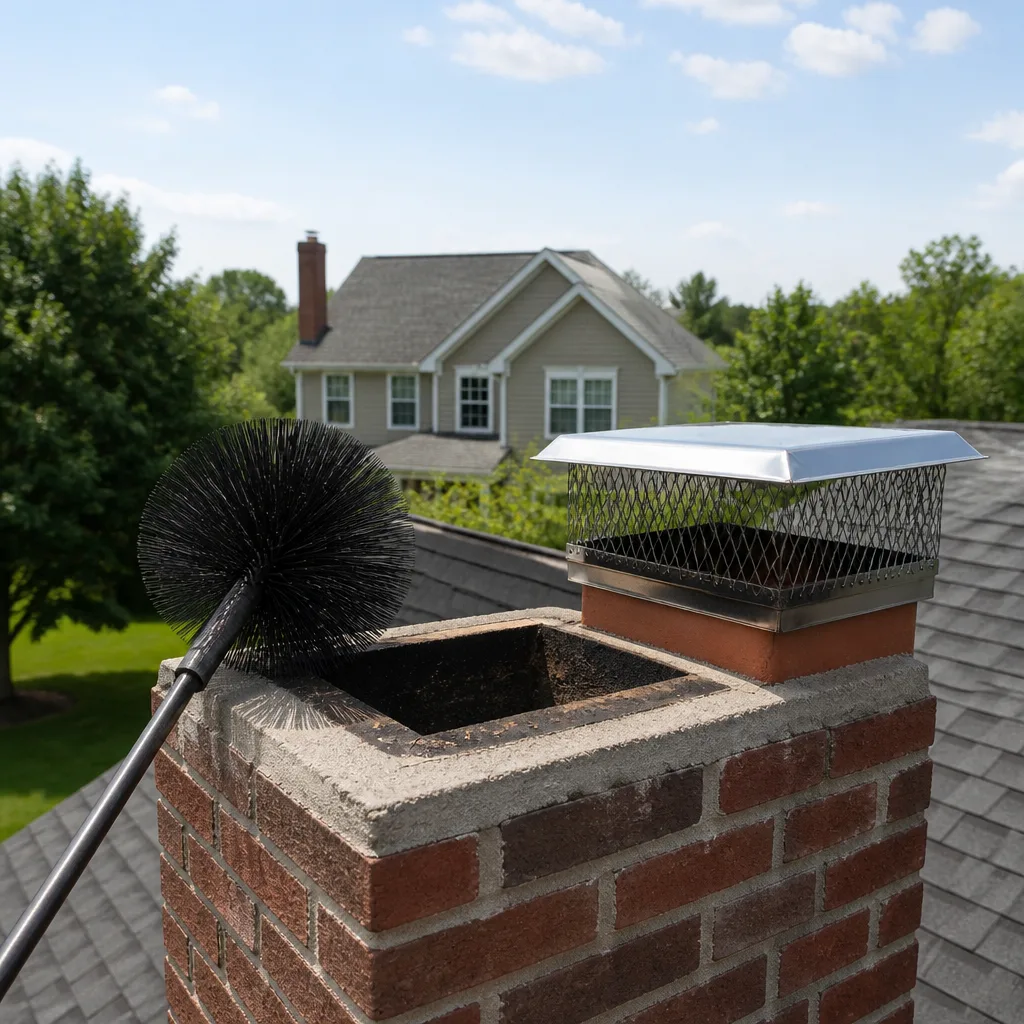 Sweep & inspection
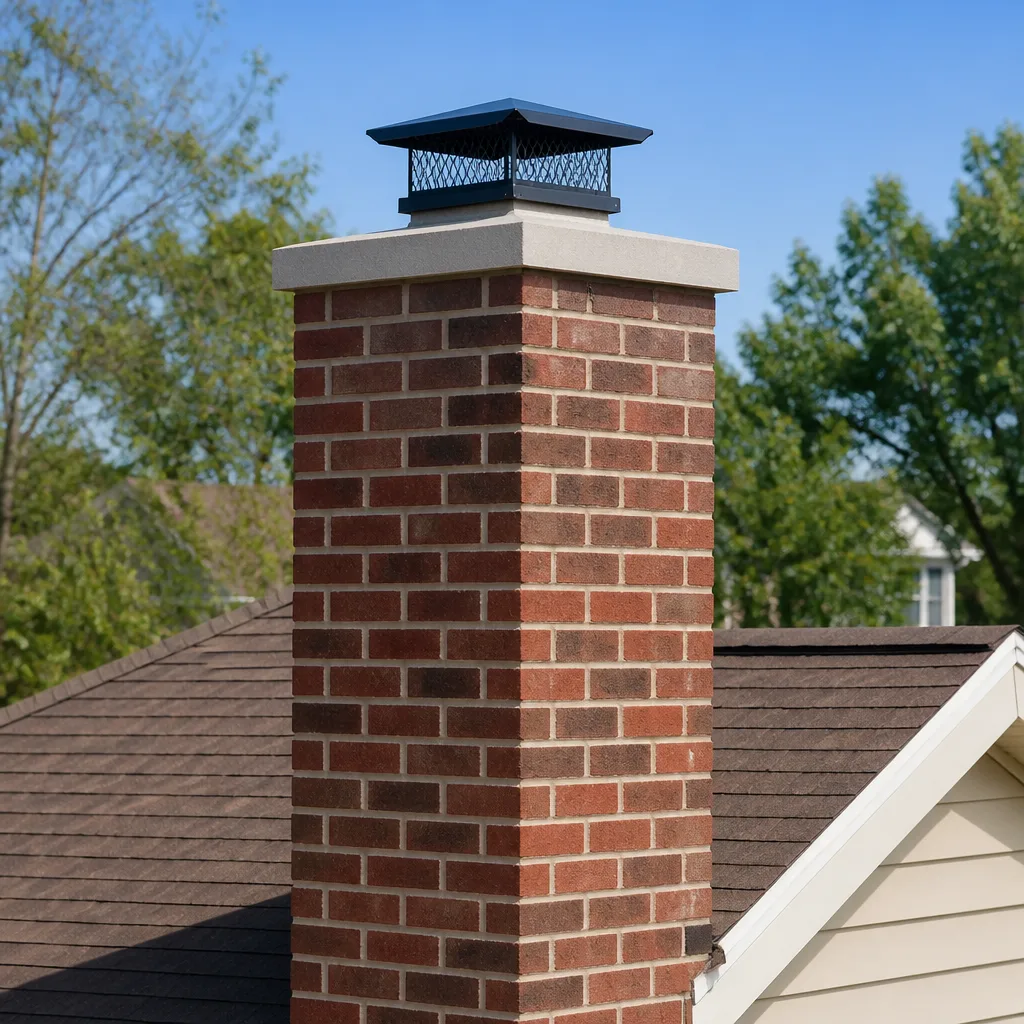 Caps & crowns
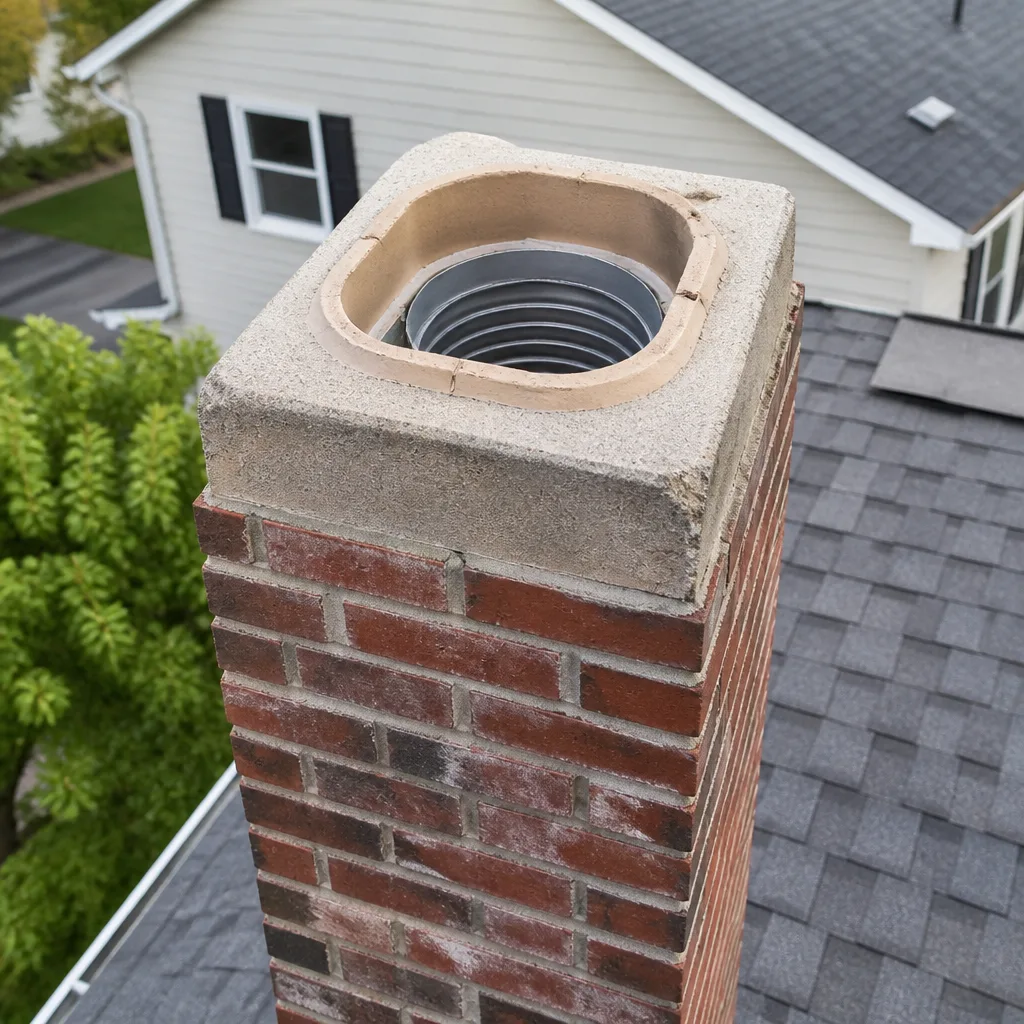 Flue relining
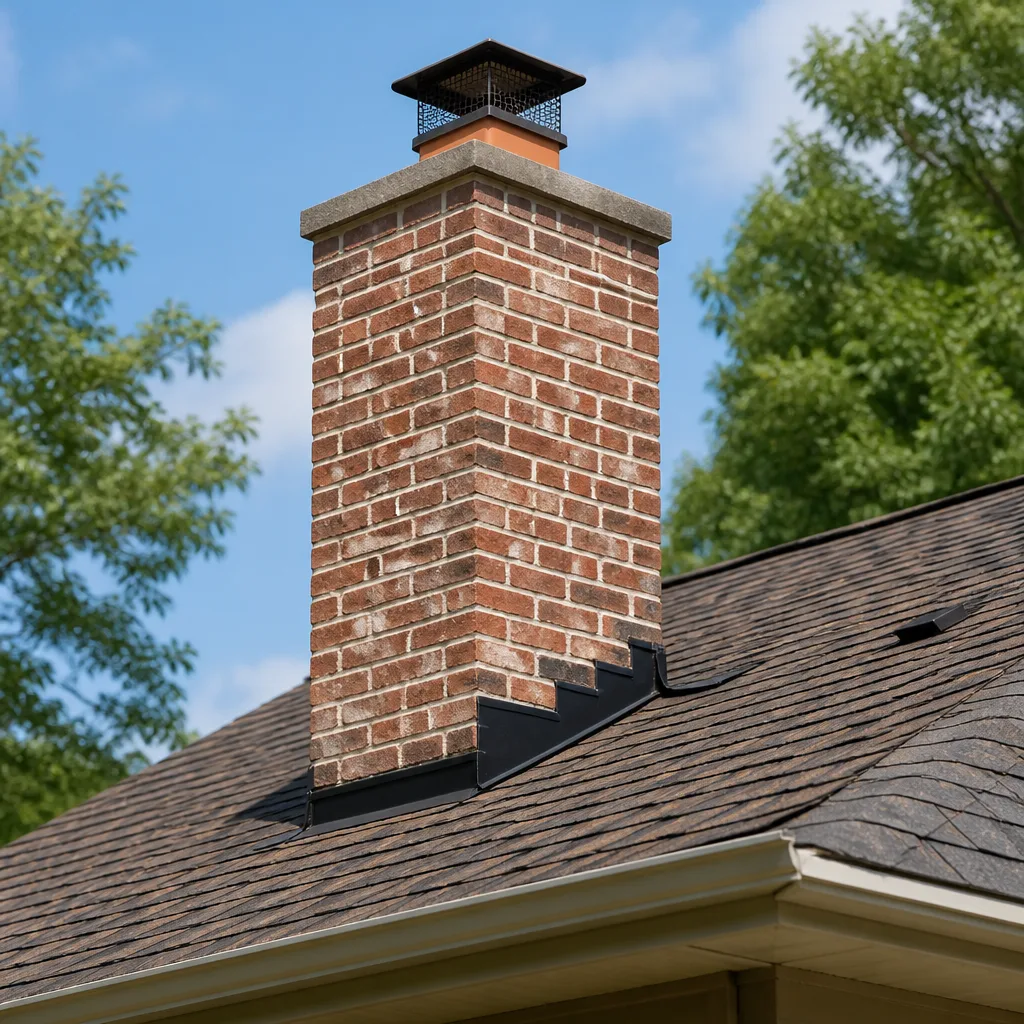 Masonry repair
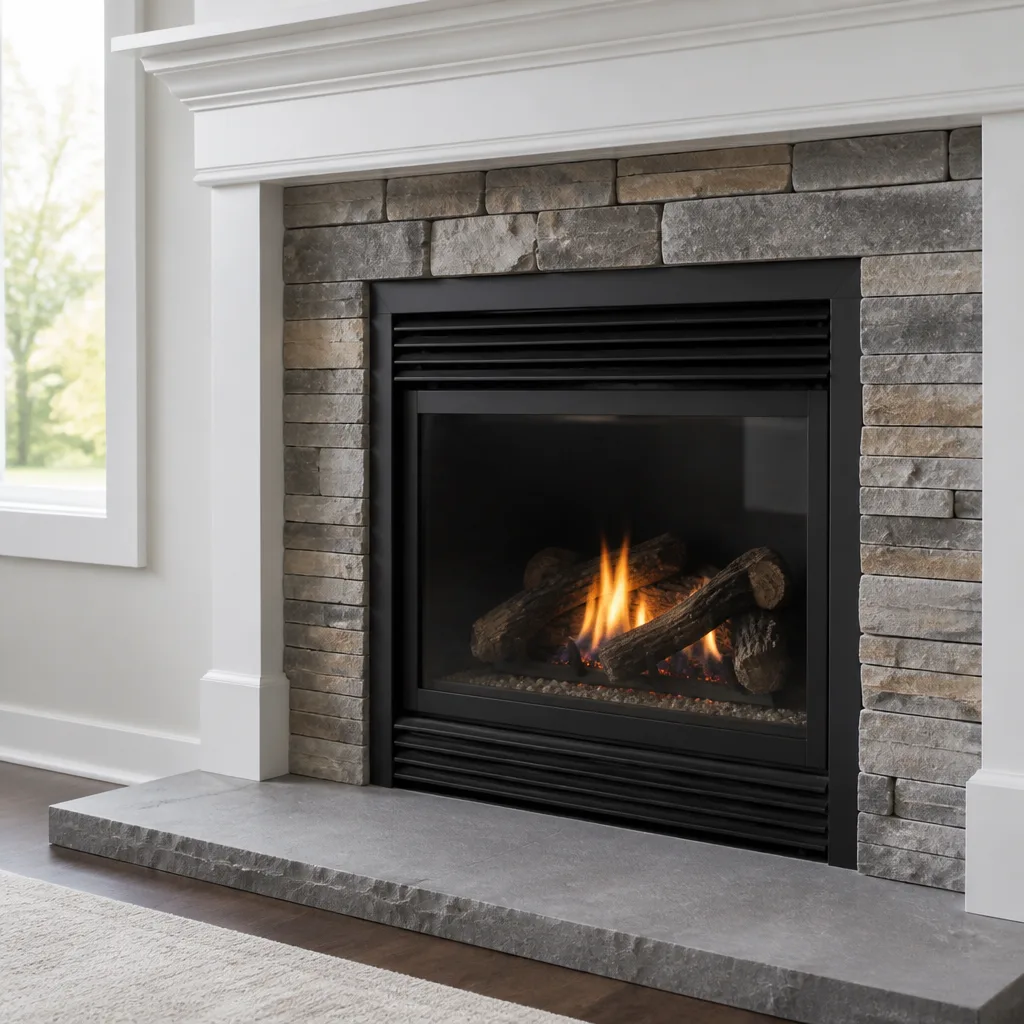 Gas fireplace service
Level 1 sweep and inspection to the NFPA 211 annual standard - flue, crown, cap, and flashing checked and photographed
Chimney sweep logs do not sweep chimneys. They loosen some creosote - which then falls where a brush and vacuum still have to collect it.
Seasonal Chimney Cleaning Care for Laredo: Year-Round Homeowner’s Guide
If you’re scheduling your chimney cleaning “before winter” the way every generic article recommends, you’re timing it right for Ohio. In Laredo, that logic means your flue sits open and unchecked through the hottest, buggiest eight months of the year. Our burn season here is short and mild, which sounds like good news until you realize the chimney spends most of the calendar as an unused shaft: a warm, dark, rain-sheltered tube that wasps see as a nursery and dust sees as a settling chamber. This guide reframes chimney care around the South Texas calendar instead of a Yankee one. By the end you’ll know what to do after the last fire, what to watch during the long dormant stretch, and when to book before the first cool night catches you unprepared.
Quick Answer
The right seasonal chimney cleaning rhythm for Laredo is: sweep and inspect in March or April right after your last fire, lock the damper and check the cap for the summer, monitor the cap and flue for nesting and condensation through the hot months, then schedule readiness service in October before the first cool evening. One professional sweep and inspection a year, timed to Laredo’s seasons rather than a four-season calendar, is the backbone of safe chimney use here.
Styles & brands we work with
- Sweep & inspection
- Caps & crowns
- Flue relining
- Masonry repair
- Gas fireplace service
Table of Contents
- Why Laredo’s Chimney Calendar Doesn’t Match Generic Advice
- Post-Burn Season Tasks: March and April
- The Summer Dormant Period: South Texas Risks
- Pre-Season Readiness Window: October
- How to Monitor Your Chimney Between Professional Visits
- Year-Round Cap and Damper Maintenance
- What a Professional Inspection Actually Covers in Laredo
- Common Mistakes to Avoid
Why Laredo’s Chimney Calendar Doesn’t Match Generic Advice
Most chimney care advice is written for places with four distinct seasons, where a long, cold winter means the fireplace runs hard for months and the annual sweep happens in early autumn like clockwork. Laredo doesn’t work that way. Our winters are mild, our burn window is short, and the fireplace may see steady use for a handful of cool weeks and then sit silent for the rest of the year. That short burn window changes almost everything about how you should think about maintenance.
Here’s the practical consequence. In a cold climate, the chimney is continuously hot and drafty for months, which dries it out and keeps pests and condensation at bay. In Laredo, the chimney is a closed, still, sheltered column for most of the year. It doesn’t get the drying benefit of a long burning season. It doesn’t get cold enough for the chimney to freeze, but the humidity and the stillness are real, and they create problems northern homeowners rarely think about: insects moving in, birds nesting, caps weathering under intense sun, and liner surfaces staying damp long enough to matter.
So the seasonal care plan for a Laredo home should be organized around three windows, not four:
- Post-burn window (March-April): the last fire is behind you and fresh creosote and soot are still soft and identifiable. This is when assessment and sweep make the most sense.
- Dormant window (May-September): the chimney is unused and exposed to heat, humidity, and nesting pressure. Most of the risk is to the exterior and the untreated interior surfaces.
- Pre-season window (October): you have a short lead time before first fires, and the chimney needs to be verified clean and structurally ready.
Frame your year around these three windows, and you’ll stop chasing a calendar that was written for a different climate. From the firebox to the crown, the goal is the same: know the condition of your chimney when you can do something about it, not after the first fire reveals a problem. Learn the full scope of what we handle on our Chimney Sweep Laredo page.
Post-Burn Season Tasks: March and April
The single best time to schedule your annual sweep in Laredo is right after the last fire of the season, usually in March or April. Creosote deposits and soot are fresher and easier to read at this point, and identifying the type of deposit early tells you what kind of maintenance the chimney actually needs going forward. If you wait until autumn, the deposits have sat for months, and you’ve lost the chance to have them assessed while the burn evidence is current.
Post-burn work isn’t only sweeping. It’s also the natural moment for the two preventive tasks that protect the chimney through the long off-season: locking the damper closed and inspecting the cap and crown. Once the damper is closed, warm humid air and insects have a harder time migrating up or down the flue. Once the cap is checked, you catch a cracked or missing cap before it becomes a summer-long entry point for pests and rain.
Here’s how we like to organize the post-burn visit:
- Sweep the flue. A proper sweep removes soot and the softer creosote, giving a clean surface for the inspection.
- Assess creosote type and coverage. Glazed, hard deposits tell a different story than loose, flaky ones. That difference drives repair decisions later.
- Inspect the firebox, damper, and smoke chamber. This is where interior wear, gaps, and damaged dampers surface.
- Check the cap, crown, and flashing from the roof. Exterior inspection now catches the failures that become summer intrusion.
- Close the damper and seal what needs sealing. Lock-out for the dormant season keeps the chimney quiet.
- Document findings with photos. You should see what we see, which is the only honest way to agree on repairs.
If the inspection turns up a liner issue, we can discuss a range of fixes rather than jumping straight to full replacement. HeatShield resurfacing can restore a deteriorating flue liner in certain conditions without a complete reline, and where full structural relining is genuinely needed, a DuraFlex flexible liner system is the appropriate tool. The point is to match the fix to the actual condition, not to the calendar. If you want to know more about our repair options, our chimney repair page lays out the range.
The Summer Dormant Period: South Texas Risks
Summer is when Laredo chimneys face their most Laredo-specific risks. The chimney is unused for months, exposed to full sun on the exterior and to hot, humid air on the interior. Three problems dominate this period: pest intrusion, UV-driven cap degradation, and moisture inside the flue.
Pest intrusion is the big one. An open or partially open chimney is an invitation to paper wasps, mud daubers, and birds. Wasps build in the smoke chamber and around the damper; birds nest at the top of the flue and in the crown area. A nest doesn’t just block the flue. It’s also fuel, and it can create a draft problem you’ll only discover when you try to light the first fire of the season. A properly fitted cap is the single most effective defense, which is why we install caps using brands like Gelco, Olympia Chimney, and Copperfield – the same materials professional chimney work specifies for long-term outdoor exposure.
UV cap degradation is the quiet one. Laredo’s sun is intense for most of the year. A cap that’s already weathered can crack, lose its screening, or begin to fail at the seams, and the failure often isn’t obvious from the ground. That’s why the post-burn check matters: it catches cap decline at the front end of the dormant period, before the summer heat finishes the job.
Moisture inside the flue is the underappreciated one. A closed damper and a well-sealed cap slow moisture movement, but interior humidity in a still, unheated flue can leave surfaces damp for extended periods. Where the liner is already compromised, that lingering damp accelerates deterioration. It’s not catastrophic on its own, but it’s one more reason to inspect the liner before the dormant period, not after.
- Cap in good condition and properly screened: pests largely blocked.
- Cap cracked, loose, or unscreened: wasps and birds have an open door.
- Damper closed for the off-season: less air migration, less intrusion.
- Liner inspected before summer: deterioration caught before the damp sets in.
We’ve seen the same pattern repeatedly in our Laredo work: the chimney that gets a March inspection rarely has a summer surprise, and the chimney that doesn’t often needs repair work by October.
Pre-Season Readiness Window: October
In four-season climates, the “before winter” chimney sweep is scheduled in early autumn with a relaxed lead time. In Laredo, October is a compressed window. The first genuinely cool evening here can arrive quickly, and once it does, everyone remembers their fireplace at once. Booking your readiness service in early October – or even late September – means the chimney is verified clean, the cap is confirmed intact, and the damper opens and closes properly before the first fire.
Pre-season work is lighter than the post-burn visit because the heavy assessment was done in spring. It’s mainly a verification pass: confirm the flue is clear of any nests or debris that accumulated over the summer, confirm the cap is still weather-tight, and confirm the firebox and damper are ready to use. If a fireplace or wood stove has been unused for eight months, this confirmation is not optional; it’s the difference between a safe first fire and a smoky, expensive surprise.
Here’s a simple pre-season checklist for Laredo homeowners:
- Book the inspection in late September or early October so you have lead time before the first cool night.
- Look up at the cap from the ground. If you can’t see it clearly, or it looks damaged, that’s a professional check.
- Test the damper by hand to confirm it opens, closes, and seals.
- Check for visible debris in the firebox and any obvious water staining on the chimney exterior.
- Have the flue swept if the spring inspection found deposits that needed clearing before use.
The goal of October is not to start fresh. It’s to confirm that the spring work actually held. A chimney that was clean and serviceable in April should still be clean and serviceable in October, and if it isn’t, you want to know that before the first fire. Our chimney sweep service is the way to lock that confirmation down.
How to Monitor Your Chimney Between Professional Visits
You don’t need to climb onto the roof to monitor your chimney. A simple visual check protocol that you can do from inside and from the ground catches most of the early warning signs between professional visits. None of these checks replace an inspection; they just make sure you call one before a small issue becomes a large repair.
Run this short protocol once a month through the dormant season, and again before the first fire:
- Look up at the cap from a safe distance on the ground. Check for visible damage, a missing screen, or anything sticking out of the top of the flue.
- Open the firebox door and look in with a flashlight. Look for nesting material, insect activity, or water staining on the walls.
- Operate the damper by hand. It should move smoothly and close flush. A sticking or loose damper is a repair item.
- Look for staining on the exterior of the chimney. Dark streaks below the cap or white mineral deposits on the masonry are worth flagging.
- Note any new smell. A persistent musty or smoky odor in the off-season usually points to moisture or a draft problem.
If any step raises a question, don’t guess. The cost of an inspection is minor compared to the cost of an undiagnosed liner failure, and we’d rather confirm a clean chimney than repair a preventable one. For a more detailed protocol, see our Laredo seasonal resources.
Year-Round Cap and Damper Maintenance
If sweeping and inspection are the annual rhythm of chimney care, the cap and damper are the two components that need attention throughout the year. The cap is what stands between your flue and the outside world, and the damper is what stands between your flue and your living room. Both should be checked in spring and again in autumn, and both are inexpensive to maintain and expensive to ignore.
On the cap side, the work is largely about materials and fit. A cap that’s undersized, loosely fitted, or made for a mild climate will weather quickly in Laredo sun. We install caps using Gelco, Olympia Chimney, and Copperfield components, chosen for a proper seal and long outdoor life. If your cap is old and failing, replacing it isn’t cosmetic; it’s the front line of pest and moisture protection.
On the damper side, the work is about mechanical function. The damper should open fully, close flush, and seal tight enough that the chimney feels closed when not in use. A damper that sticks or leaves a gap defeats the purpose of the off-season lock-out, and it’s often the difference between a chimney that stays quiet all summer and one that fills with nesting insects. If the damper is damaged or missing, the fix is part of the repair scope and is often caught during the post-burn inspection.
- Inspect the cap in spring and autumn.
- Replace unscreened or damaged caps rather than patching them.
- Test the damper by hand in both seasons.
- Repair a sticking or leaking damper before the dormant period.
- Note any water staining near the damper as a possible sign of a top-end leak.
Caps and dampers are the parts of the chimney most often deferred and the parts that cost the least to keep working. Our chimney repair service covers both when a fix has been identified.
What a Professional Inspection Actually Covers in Laredo
A professional chimney inspection is more than a look up the flue. In Laredo’s climate, the inspection has to cover both the burn-side conditions and the off-season risks, because those risks are what your chimney faces for most of the year. The inspection should document both interior and exterior condition, and you should be able to see the evidence for yourself.
Here’s what a thorough inspection should cover on a Laredo chimney:
- Firebox and smoke chamber: structural condition, gaps, cracking, and creosote accumulation.
- Damper: operational check and seal quality.
- Flue interior: creosote type, liner condition, and the presence of any obstruction.
- Liner integrity: whether resurfacing, relining, or no repair is appropriate.
- Cap and crown: condition, fit, and weather-tightness.
- Exterior masonry and flashing: staining, cracking, and evidence of water intrusion.
The key point is transparency. Nothing gets recommended without evidence you can see. If the liner is in reasonable condition, we say so. If it needs resurfacing or relining, we show you the condition that leads to that conclusion, and we tell you what can safely wait and what shouldn’t. That’s the difference between a chimney inspection and a sales call. To understand the full arc of what we do, our Chimney Sweep Laredo homepage walks through the three core services – sweep, inspection, and repair – under one visit.
Common Mistakes to Avoid
We’ve seen the same avoidable errors across Laredo homes for years. If you recognize your current habits on this list, you’re not alone, but each one tends to cost time, money, or safety margin.
- Scheduling the sweep “before winter” and calling it done. In Laredo, that means the chimney sits unassessed through the season when most of its problems form. Sweep after the burn season, not before it.
- Leaving the damper open through the summer. An open damper invites wasps and birds and lets humid air migrate through the flue. Close it after the last fire and confirm it seals.
- Assuming a cap that looks fine from the ground is fine. UV damage, loose screens, and seam failures often only show on a close inspection from the roof.
- Ignoring the first musty smell in the off-season. A persistent odor usually means moisture or an obstruction. It’s a signal to inspect, not to air the room out and hope.
- Burning without a pre-season verification. After eight months of dormancy, a chimney that lit well last season may not be clear now. Confirm before the first fire.
- Accepting a repair recommendation without evidence. A reputable specialist will show you what they found. If you’re told you need thousands of dollars in liner work with no camera evidence or photos, ask to see it.
- Postponing the liner assessment that a sweep turned up. Liner degradation doesn’t self-correct. Getting the assessment done in the dormant period gives you the option to plan repairs instead of reacting to them.
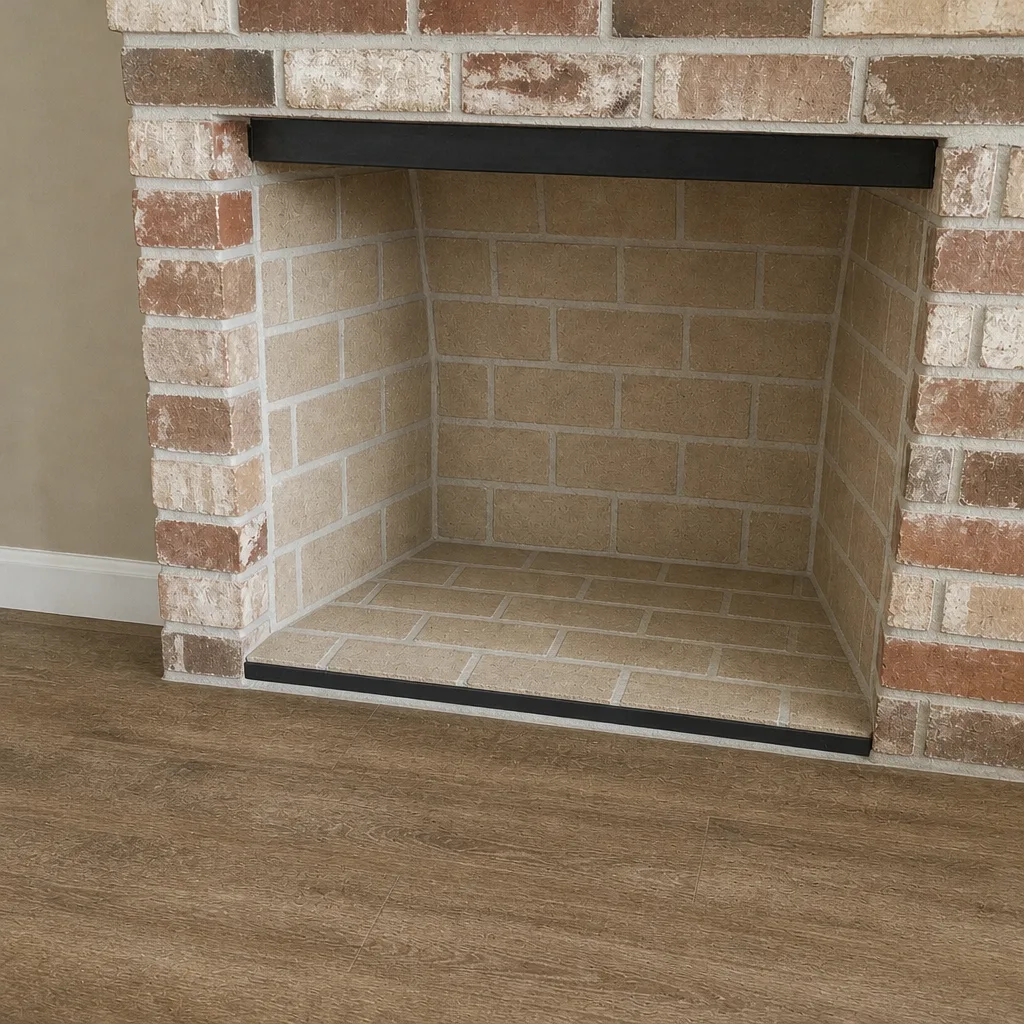
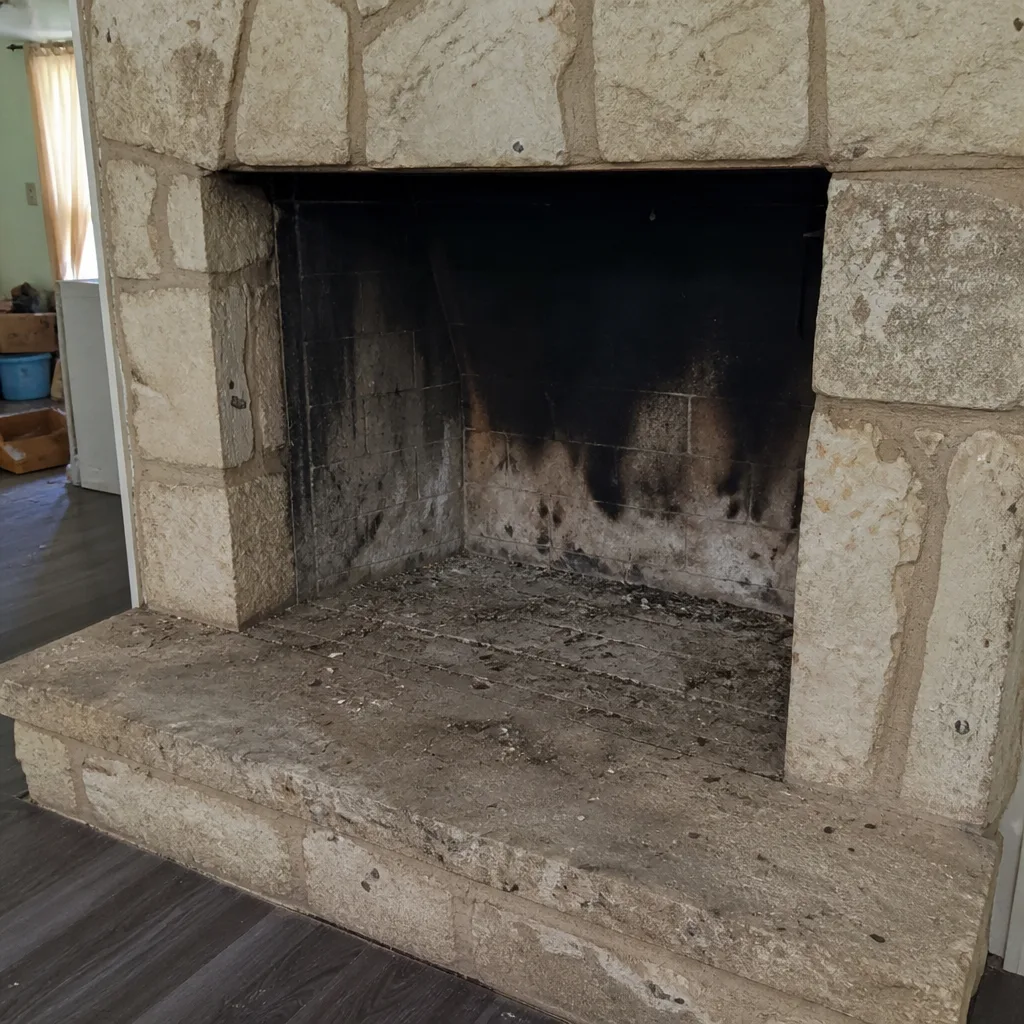
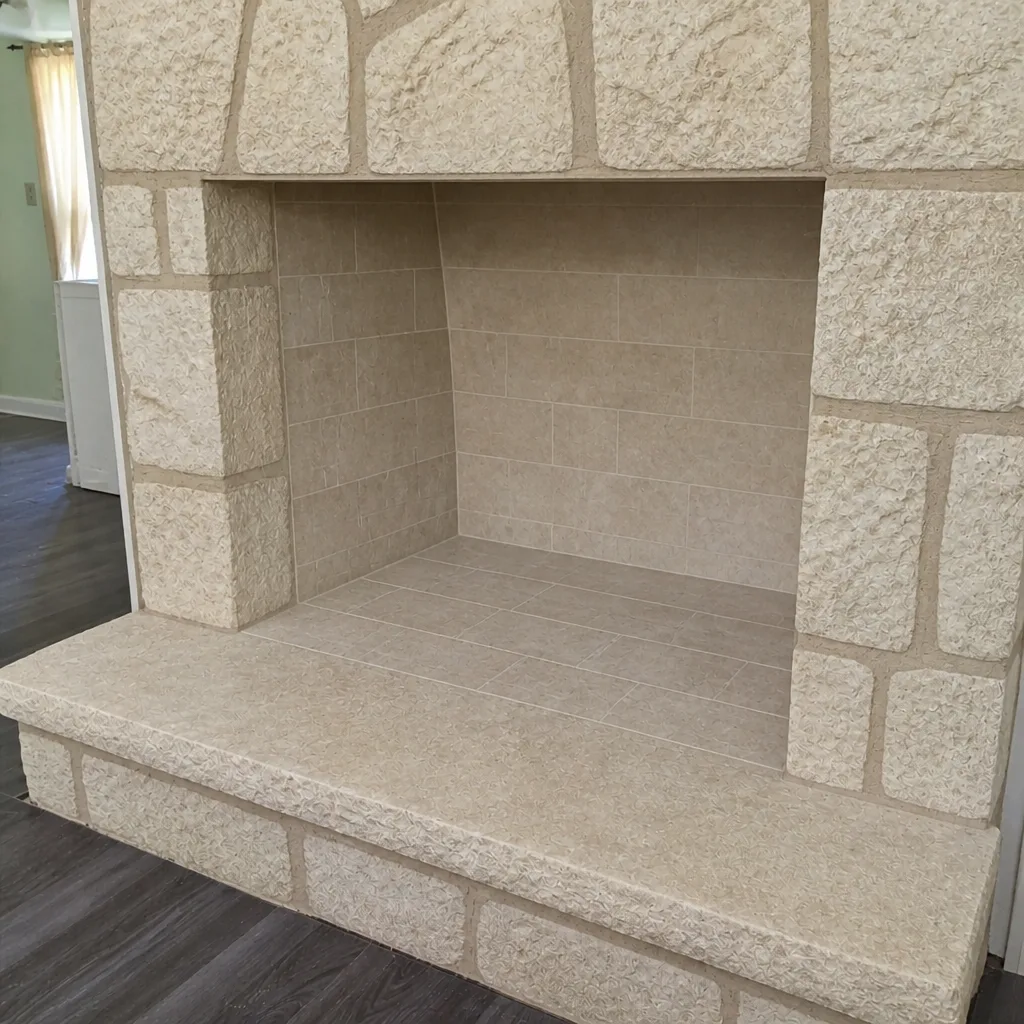
See the difference
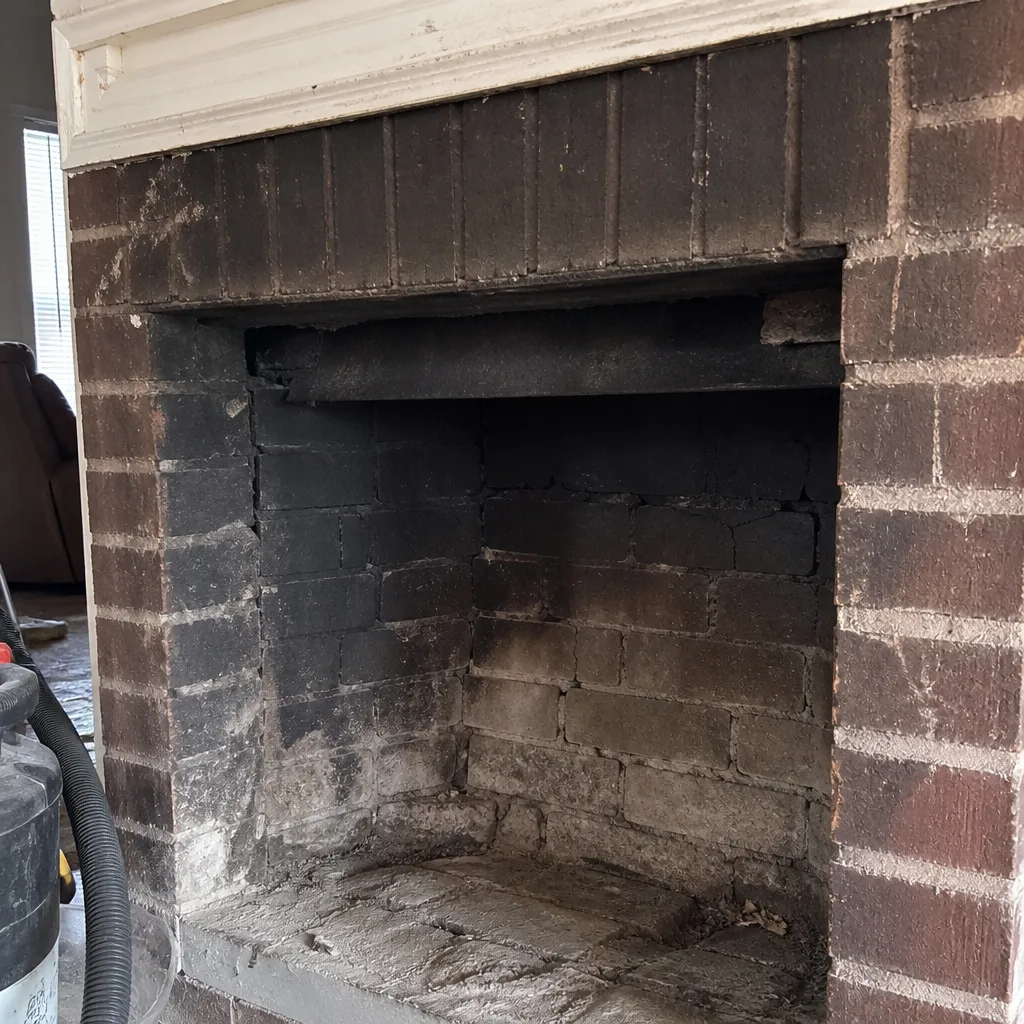 Before
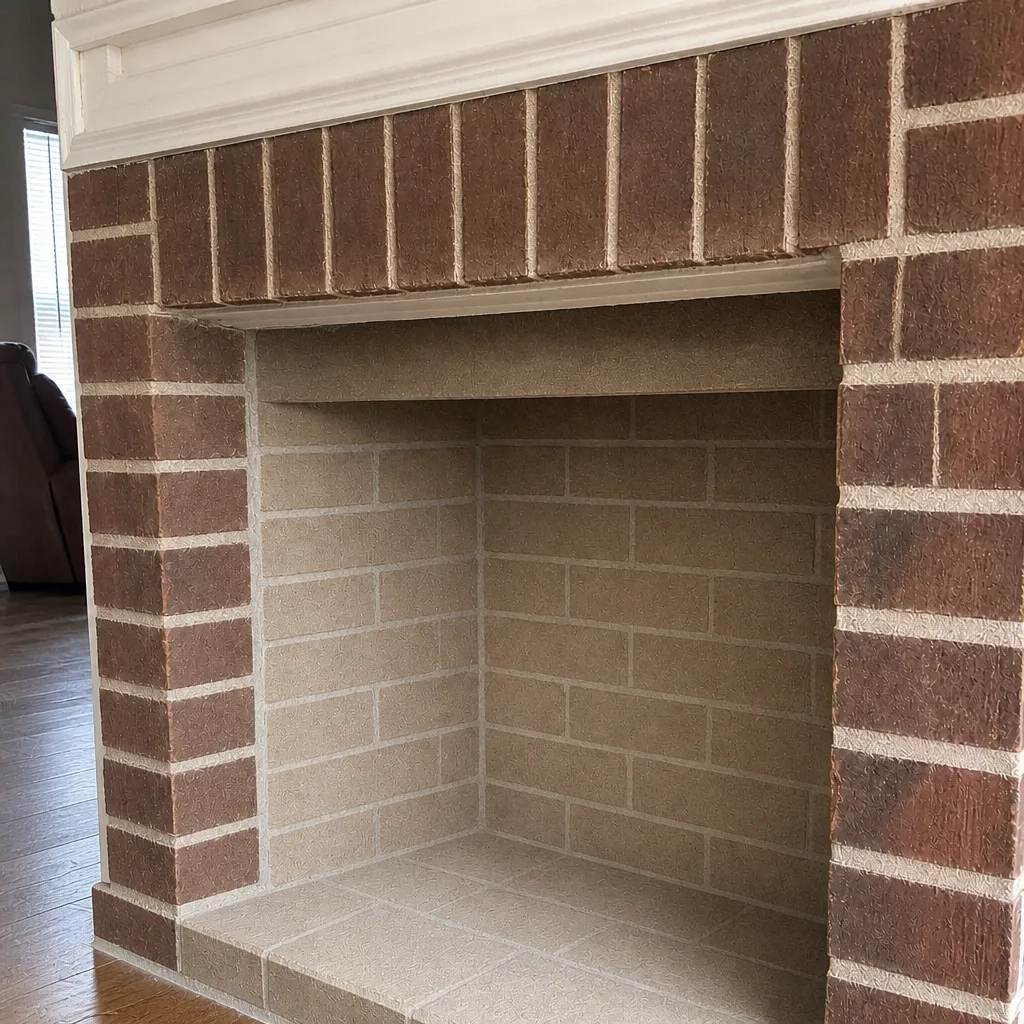 After
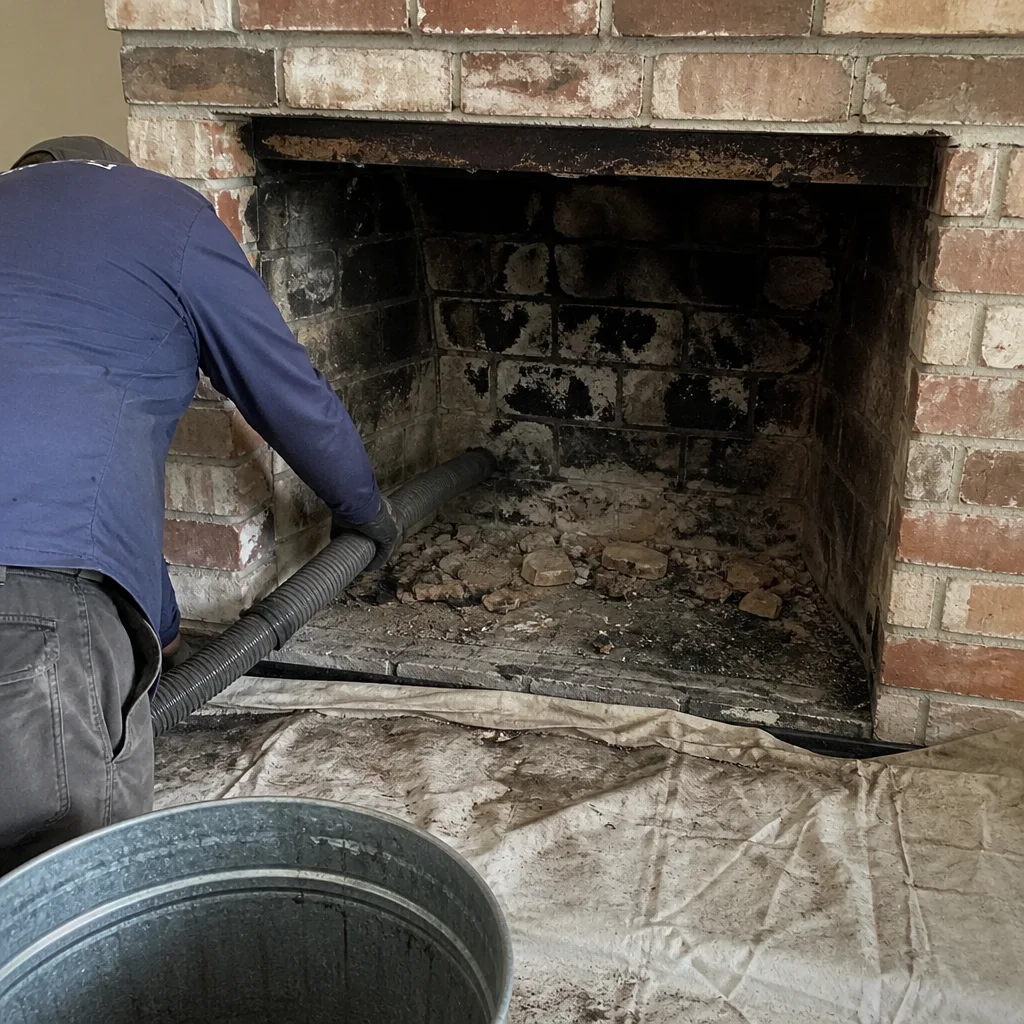 Before
 After
 Before
 After
When to Call a Professional
Some checkups are routine, and some need to be escalated to a professional visit. Call us when you notice any of the following: persistent musty odor in the off-season; visible debris or nesting material in the firebox; a damper that won’t seal; water staining on the chimney exterior; a cap that’s cracked, missing, or loose; smoke entering the room when a fire is lit; or any sign that the flue may not be clear. These aren’t things to troubleshoot by guessing. Each one has a specific cause, and the cause should be confirmed before it’s fixed. Chimney Sweep Laredo offers free estimates in Laredo – call (855) 953-4291. We answer 24/7. Fast dispatch from 7am to 7pm, Sunday through Friday.
Frequently Asked Questions
Once a year is the right baseline for most Laredo homes, timed to the post-burn season in March or April rather than to a pre-winter calendar. Homes that burn more frequently, or that use wood with higher moisture content, may need additional attention. If your burn season is light, a single spring sweep and inspection still gives you the best read on the chimney’s actual condition before the dormant period.
We don’t recommend skipping it. The spring inspection confirms the chimney is clean and structurally sound at the end of the burn season. The pre-season visit in October confirms that nothing moved in over the summer – no nesting, no cap damage, no debris in the flue. Those are two different checks, and both matter in Laredo’s climate.
That depends entirely on the condition we find during inspection. A deteriorating flue liner can sometimes be restored using HeatShield resurfacing, which repairs the surface without a full liner replacement. If the liner is structurally compromised beyond resurfacing, a DuraFlex flexible liner system is the appropriate fix. We show you the evidence and recommend the right liner fix for your chimney’s condition – no upsell, and no pressure to do work that can wait.
Skipped maintenance tends to produce a predictable set of outcomes: creosote accumulation in the flue, a cap that degrades under Laredo sun, a damper that stops sealing, and a dormant period in which pests take up residence. None of those are catastrophic on their own, but they compound. A chimney that’s been left alone for several years is worth a full inspection before the next fire season, and if the liner is compromised, that’s important to know sooner rather than later.
March or April, right after your last fire of the season. The deposits are fresh, assessment is more accurate, and the off-season lock-out happens immediately after. This is the opposite of the pre-winter advice you’ll read everywhere else, and it’s specifically because Laredo’s burn season is short and its dormant season is long.
Call (855) 953-4291 and ask for a chimney inspection. We’ll confirm the scope, give you a clear estimate, and schedule the visit. An inactive chimney is actually the ideal time to inspect, since there’s no urgency around an active fire and there’s room to plan any repairs before the next burn season. Call (855) 953-4291 for an exact quote – estimates are free.
The Bottom Line
Laredo’s mild climate hides its chimney risks rather than removing them. A short burn season and a long dormant stretch mean the real work of seasonal care is defensive: catching creosote while it’s fresh, sealing the chimney for the off-season, protecting the cap through the sun, and verifying readiness before the first cool night. The simplest habit that covers all of it is a spring sweep and inspection, an off-season check of cap and damper, and a pre-season verification in October. That rhythm – post-burn, dormant, pre-season – is the Laredo calendar. Everything else follows from it.
Chimney Sweep Laredo works across all three service areas – sweep, inspection, and repair – so a single visit handles the check, the documentation, and the fix. Our technicians have up to 14 years of experience, and we work with industry brands like DuraFlex, HeatShield, Gelco, Olympia Chimney, Famco, and Copperfield because the right material is part of the right repair. One crew. One visit. Swept, inspected, and repaired. Call (855) 953-4291 for a free estimate. We answer 24/7. Fast dispatch from 7am to 7pm, Sunday through Friday.
Written by the team at Chimney Sweep Laredo.