
Last updated November 15, 2026
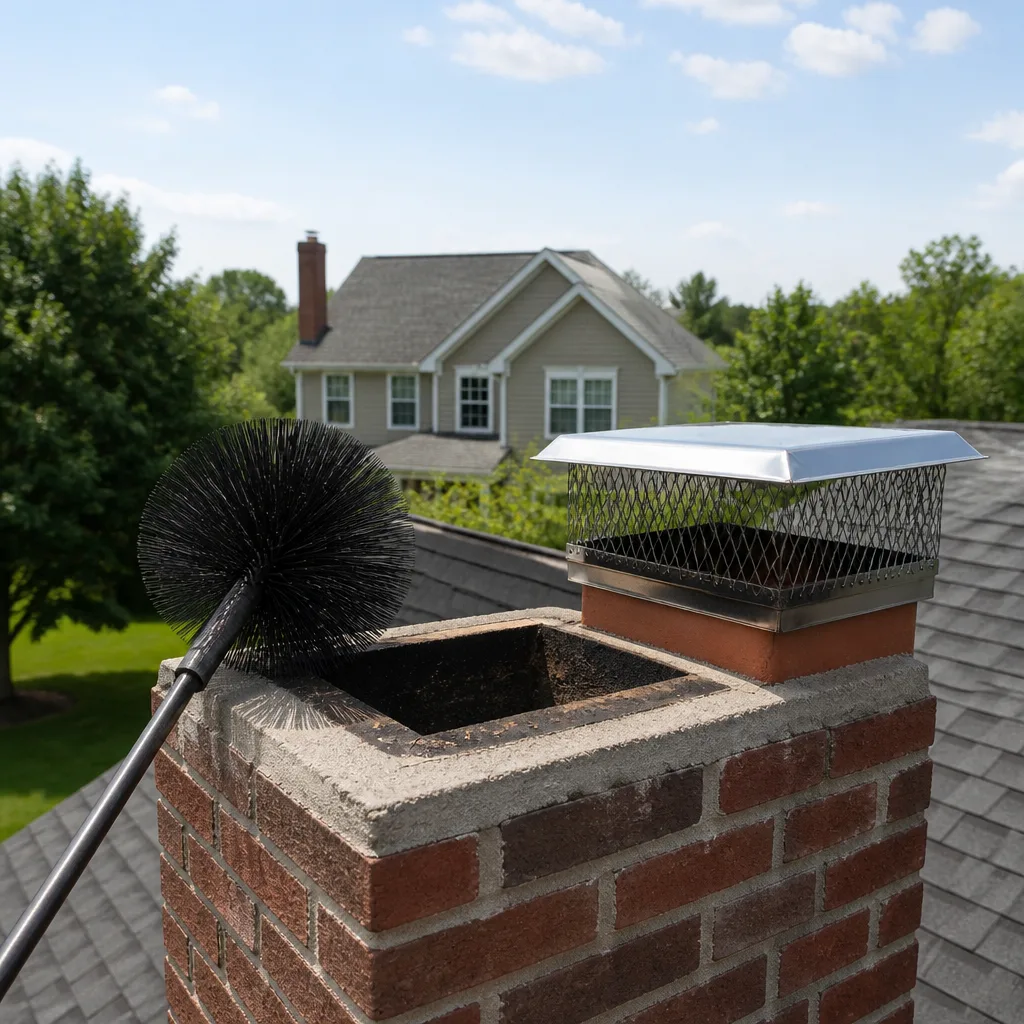 Sweep & inspection
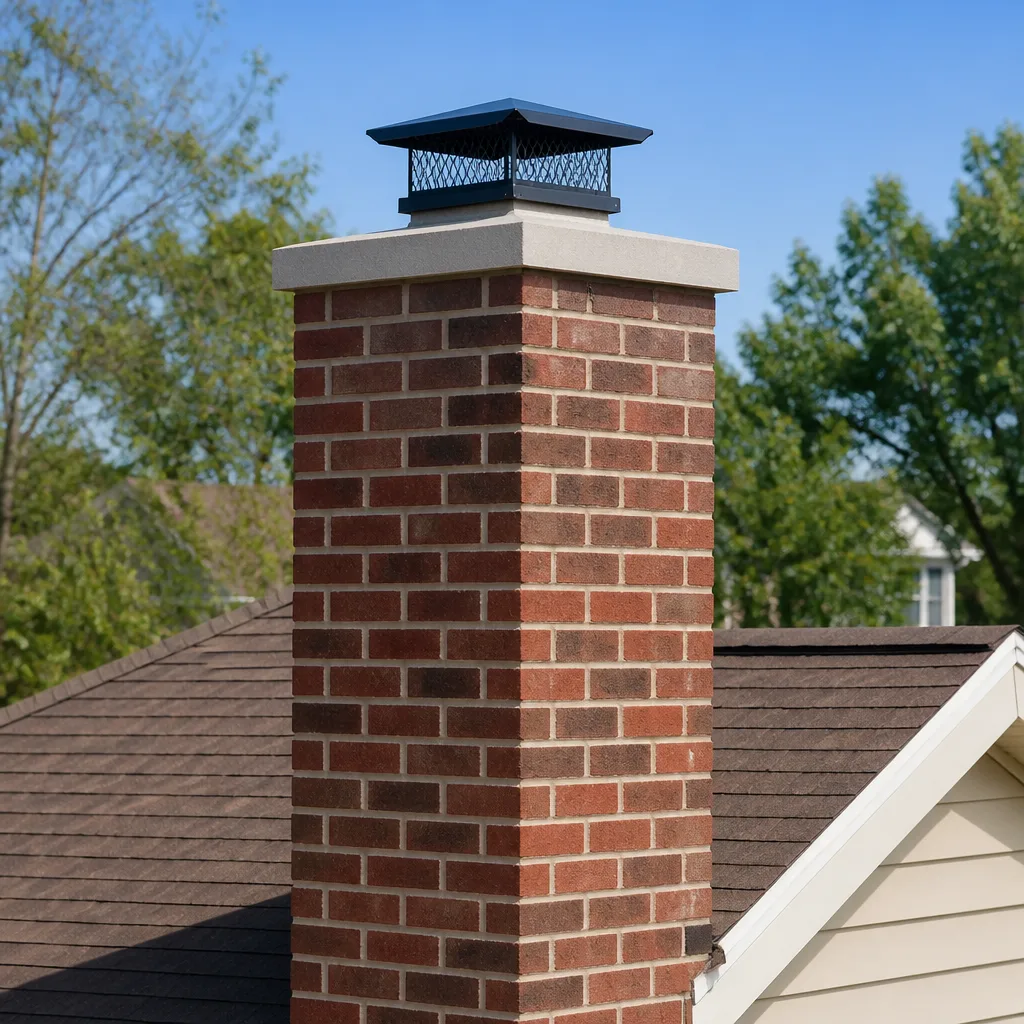 Caps & crowns
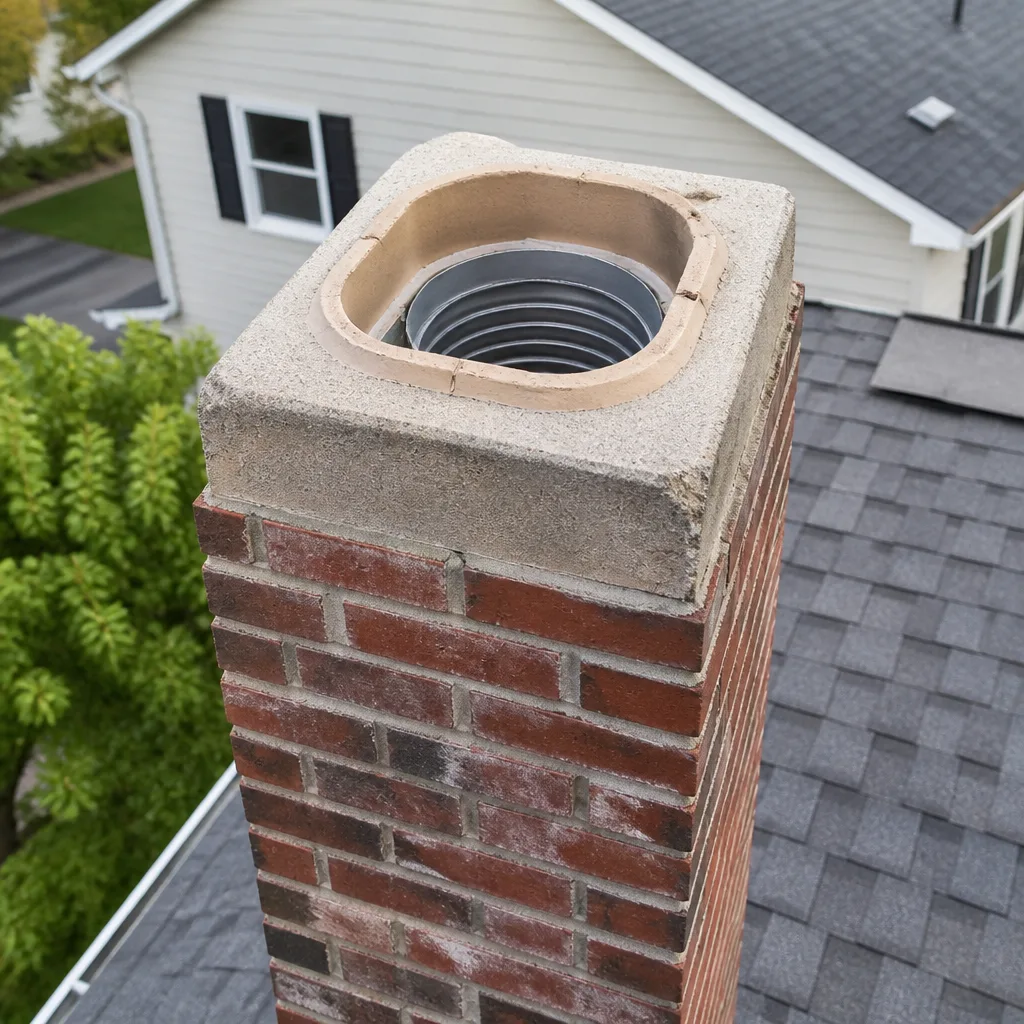 Flue relining
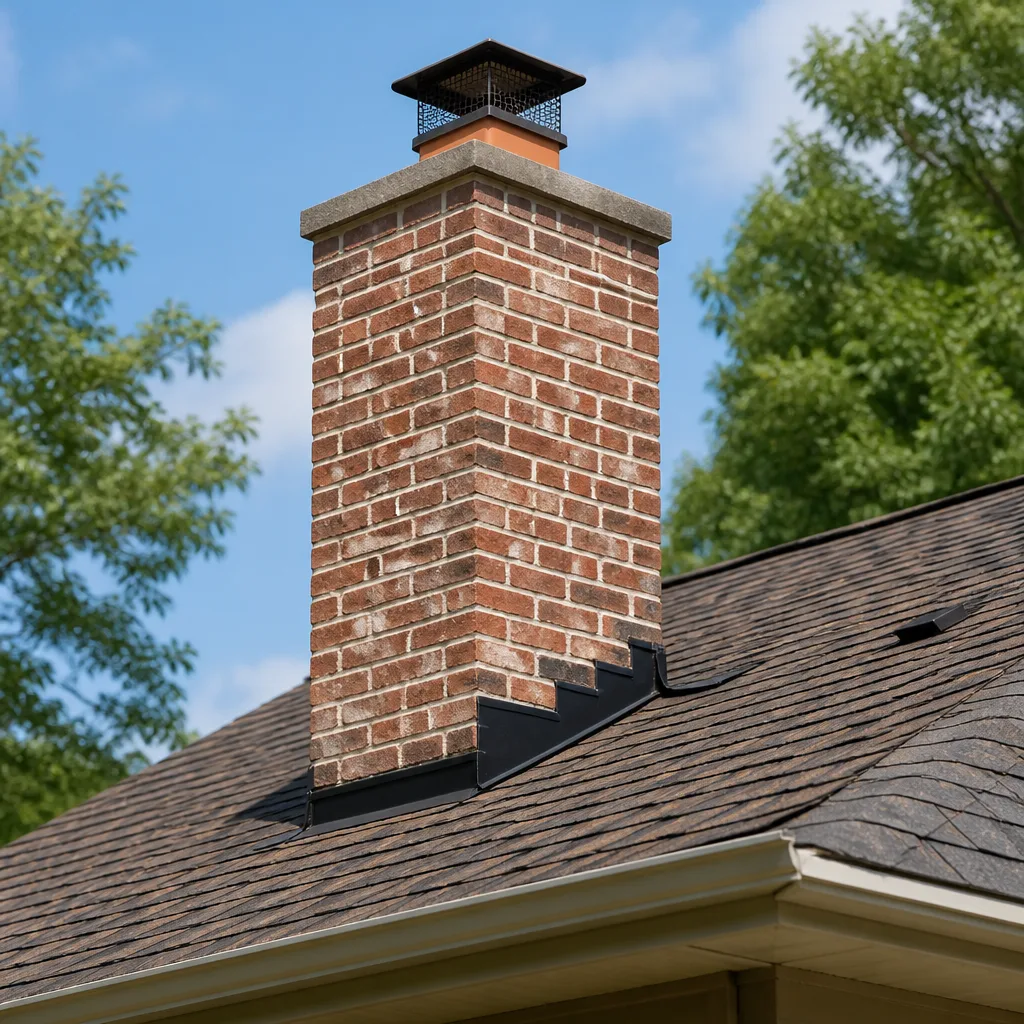 Masonry repair
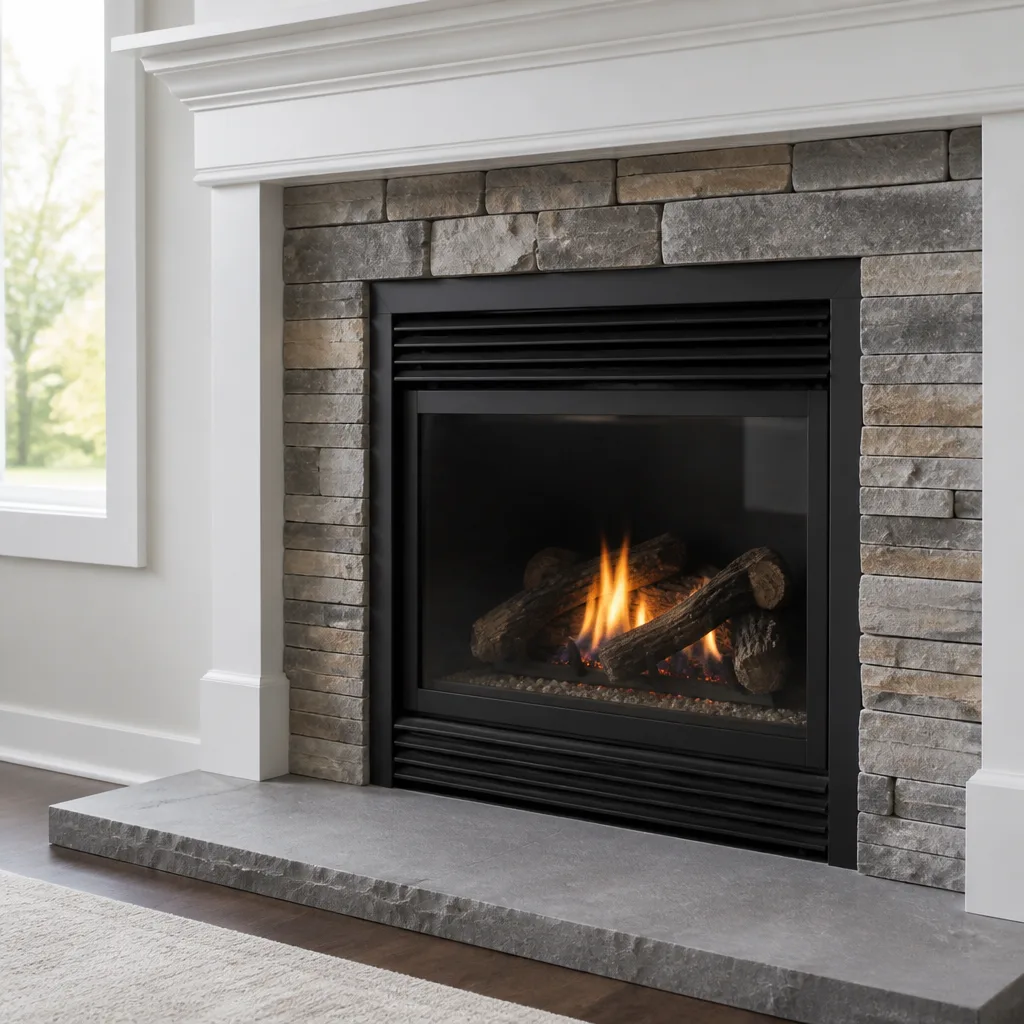 Gas fireplace service
Level 1 sweep and inspection to the NFPA 211 annual standard - flue, crown, cap, and flashing checked and photographed
Chimney sweep logs do not sweep chimneys. They loosen some creosote - which then falls where a brush and vacuum still have to collect it.
How to Hire a Chimney Cleaning Contractor in Laredo: A Step-by-Step Guide
Chimney sweeping in Laredo is one of the few trades where a homeowner is asked to take the technician’s word for almost everything. You can’t see the flue from the hearth, you can’t verify whether the liner was actually cleaned or just brushed in the middle, and you can’t tell a real inspection report from a list of scare phrases until it’s too late. Certification matters, but it doesn’t tell you whether the person holding the brush knows how a mesquite-fire fireplace bakes a flue, or which materials hold up under South Texas heat and the odd cold snap. What follows is a technical vetting framework: the questions to ask, the equipment to look for, and the red flags that only show up when you know what to look at.
Quick Answer
Hire a dedicated chimney specialist by asking three questions: what equipment they bring, what brands they work with, and what a written inspection report contains. In Laredo, the county has no unified code adoption that reaches every residential chimney, so the homeowner carries the burden of getting a defensible, photo-documented closeout on any work. If those answers are vague, the quote is not worth comparing.
Styles & brands we work with
- Sweep & inspection
- Caps & crowns
- Flue relining
- Masonry repair
- Gas fireplace service
Table of Contents
- How do you tell a chimney specialist from a general handyman?
- What equipment should a legitimate sweep arrive with?
- Which brands and materials should a contractor use?
- How do you read a written chimney inspection report?
- Why is the lowest bid often the wrong one?
- What is the step-by-step hiring process?
- What safety issues matter in Laredo homes?
How do you tell a chimney specialist from a general handyman?
The fastest test is asking the contractor to describe the full arc of work they handle. A chimney specialist walks through sweeping, inspection, and repair as one connected service. A handyman usually can’t. He sweeps the firebox, maybe runs a brush up the flue, and tells you to call someone else if the liner is cracked or the crown is failing. That referral handoff is where problems start.
Scope questions that separate the two:
- “What do you do if the inspection finds a deteriorated flue liner?” A specialist has an answer: resurfacing with a material like HeatShield, or a full flexible relining with DuraFlex when the liner is beyond repair. A generalist says “we’d refer you out.”
- “Can you install a cap and match it to my flue?” A specialist works with established cap brands like Gelco, Olympia Chimney, and Famco. A generalist pulls a generic mesh cage off the shelf at a hardware store.
- “Who comes back to fix what you find?” A specialist confirms it’s the same crew. One visit, one point of contact, no second scheduling window.
- “Do you do anything besides chimneys?” A dedicated chimney company stays inside its lane. If the answer is “chimneys, gutters, pressure washing, and a bit of roofing,” chimneys are a side service.
In a mid-size market like Laredo, most of the work you’ll see done on a chimney is maintenance, not emergency repair, so a handyman can look plausible for years until something structural fails. The scope question catches that gap early.
What equipment should a legitimate sweep arrive with?
The gear is diagnostic of the skill level. A legitimate sweep arrives with a rotary sweeping system, a HEPA-filtered vacuum, and optical inspection tools. If the technician shows up with a hand brush and a shop vac from a pickup bed, that is not a sweep. It’s surface cleaning.
What to look for:
- A rotary system. Rod-mounted spinning brushes or chains that follow the flue contour. These clear glazed creosote. Hand brushes only knock down the loose stuff.
- A HEPA vacuum running at the firebox. A sealed vacuum keeps soot out of the living room. If no vacuum appears, expect soot on the furniture.
- A camera for the flue interior. Optical inspection reaches bends and offsets a flashlight can’t. Without it, the technician cannot honestly report on the liner.
- Drop cloths and a room seal. Basics. A sweep who works without them doesn’t do careful work.
- Trained hands on the equipment. Rotary systems can crack a clay tile if they’re pushed hard through a damaged liner. The right tool misused is worse than the wrong one.
Ask which of these arrives. If a contractor can’t list them off the top, they don’t own them. That answer tells you everything about the sweep you’re about to book.
Which brands and materials should a contractor use?
Materials tell you more than the quote. A contractor using hardware-store caulk on a chimney crown is doing a repair that fails inside a season. A contractor using HeatShield, Gelco, Olympia Chimney, Famco, DuraFlex, and Copperfield is working with materials formulated for the actual job.
What each category signals:
- Flue liners. DuraFlex flexible liner systems cover structural relining when the existing liner can’t be saved. A sweep-only shop cannot offer this; a specialist can.
- Liner resurfacing. HeatShield is a proprietary resurfacing compound applied to a deteriorated liner. It restores the flue surface without a full reline. That’s the cost-saving option most sweep-only companies lack.
- Caps and crowns. Gelco and Famco products cover the top of the chimney and stop water intrusion at the source.
- General components. Olympia Chimney and Copperfield supply the hardware and connector components that complete the assembly above the firebox.
The point isn’t brand loyalty. It’s whether the contractor has access to the material for the condition the inspection finds. If the answer is “we’d have to order it and come back,” you’ve found a generalist. We work with the six brands because a chimney’s condition rarely falls into one category.
How do you read a written chimney inspection report?
A good report has photos of the firebox, the flue interior at each level, the crown, and the exterior. It names what was checked, what was found, and what the recommended action is with a dollar range. A bad report is a checkbox sheet with no photos and a hard sell at the end.
What a usable report contains:
- Departmental breakdown. Firebox, damper, smoke chamber, flue, crown, flashing, exterior. Each one gets a stated condition.
- Photo evidence for anything flagged. If the report says the liner is cracked, there should be a photo of the crack. No photo, no recommendation.
- Severity language. The difference between “monitor” and “repair now” should be stated for every finding, tied to what happens if you wait.
- A written estimate for the recommended work. Flat-priced, agreed before the crew starts.
- Separation of safety from cosmetics. A dirty crown is a cosmetic note. A cracked flue tile is a safety note. They should not be blurred together.
Ask a contractor to hand you a sample report before you book. A real specialist can. A contractor without one is either new or working without documentation, and either way you can’t verify what was found.
Why is the lowest bid often the wrong one?
Laredo’s chimney market is small. There are only so many chimney jobs per season, so competing on price means competing on what gets skipped. The lowest bid rarely reflects efficiency. It usually reflects a shorter checklist, fewer photos, less equipment on the job, and a habit of not mentioning what wasn’t found.
What typically disappears in a bottom-tier bid:
- The camera inspection. If the flue isn’t scoped, the technician doesn’t have to talk about a damaged liner.
- The HEPA vacuum. Cheaper to sweep into the room and promise to clean up.
- The written report. Verbal findings can’t be compared against the next contractor or held to account later.
- The follow-up repair capability. The sweep clears the flue and leaves. Whatever’s found becomes somebody else’s job.
A realistic bid on a mid-size residential job reflects time to clean properly, time to inspect, time to document, and the equipment to make all three safe. When you place the low bid next to a professional bid, ask what line items the low bid omits. You’ll usually find the answer.
What is the step-by-step hiring process?
Book with a clear sequence and you’ll know within two conversations whether a contractor is worth the appointment. The framework below works for any chimney sweep in Laredo, whether the company is a dedicated specialist or not.
- Request a written scope. Ask what the visit includes and what it doesn’t. A sweep that only cleans should be labeled as such. A sweep with inspection and repair should include all three.
- Ask the equipment question. Rotary, HEPA, camera. Note the answer.
- Ask the materials question. Which brands they work with for liner work and caps. If they can’t name specific materials for a specific condition, they’re improvising.
- Ask for a sample inspection report. Look for the photo evidence. If there’s no photo, the report is a marketing document.
- Book the appointment and confirm the price. The quote should be flat, agreed before the crew starts, and confirmed in writing before the appointment.
- Walk through the findings together after the visit. The technician should be able to point to the specific photo of the specific issue, and tell you which findings are safety-critical and which can be scheduled for a later visit.
- Get the repair estimate in writing on the same visit. If the crew can do repair work, they should be able to quote it on the spot. If they can’t, they’re a sweep-only shop.
The whole vetting process takes about ten minutes on the phone. It saves hours of guessing on the walkthrough day.
What safety issues matter in Laredo homes?
Two risks are tied to how a chimney is used, not to the climate. Chimney fires happen when creosote builds up on the flue wall and ignites. Carbon monoxide rises when a flue or its liner is blocked or compromised and exhaust comes back into the home. Both build slowly and both are ignored until they don’t.
How a proper sweep addresses them:
- Creosote removal. Regular sweeping keeps up with the deposits. The right interval depends on how much you burn. Light seasonal use needs less frequent sweeping than daily winter use.
- Flue integrity. A camera inspection checks the full length of the liner. A cracked flue tile is a carbon monoxide path, not a cosmetic issue.
- Cap and crown condition. A compromised cap lets water and animals into the flue. Gelco and Famco products close that gap.
- Proper drafting. A liner that’s the wrong size for the appliance can pull exhaust back into the room. A specialist checks this. A generalist doesn’t.
- Combustible clearance. Any framing or material close to the chimney needs to be checked for clearance. This is where an inspection earns its fee.
If any of those are flagged, don’t run the fireplace until the issue is fixed. If they’re not flagged, run the fireplace freely. That’s the difference between an inspection and a sales pitch.
Common Mistakes to Avoid
- Assuming creosote is uniform. A light dusting is fine and brushing clears it. A glaze on the flue wall is a fire hazard and needs a rotary system to remove. Both come out of a chimney look identical from the firebox, so the equipment reported on the phone tells you what you’re dealing with.
- Hiring a handyman for the sweep. He’ll do a passable firebox clean. When an inspection is skipped, whatever the flue has been holding comes back as a repair later. Ask the scope question.
- Accepting a verbal inspection report. Nothing to compare against a second quote, nothing to hold anyone to. Insist on photos and a written doc.
- Comparing quotes without comparing scopes. In a mid-size market, one quote is for a firebox sweep and the other is for a full clean, inspection, and written report. Side-by-side the dollar figures look like a 3x gap. They aren’t the same job.
- Capping a chimney without ruling out animal nesting. A cap installed over a flue with an active nest traps the problem. A specialist checks the flue before installing a Gelco or Famco cap. A generalist installs the cap and leaves.
- Skipping the annual sweep in a mild winter. June through September in Laredo still puts plenty of creosote on a flue. The mild season doesn’t reduce what’s in the flue when the first cold front actually arrives, usually in December.
- Believing a liner crack can wait. It can’t, if the fireplace is in use. That crack opens a carbon monoxide path back into the living space. Schedule the chimney repair before the next fire.
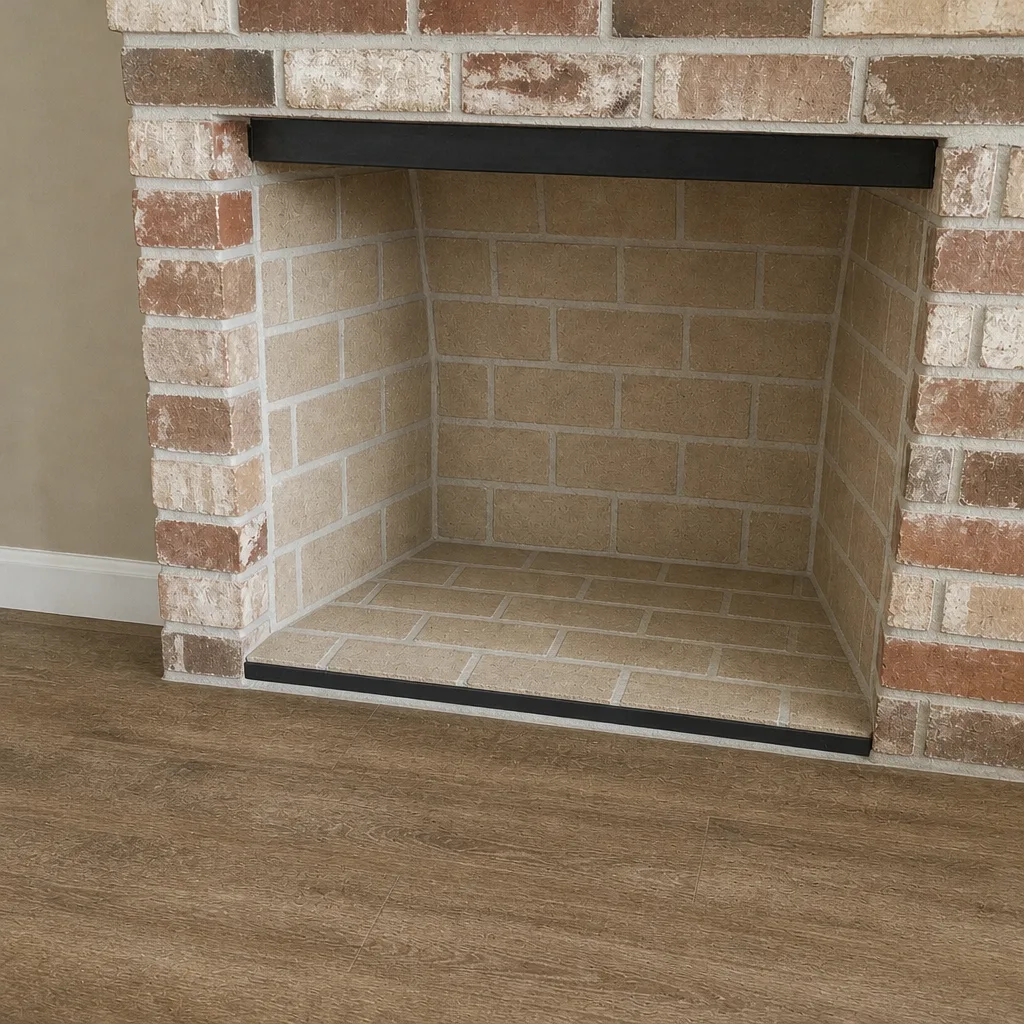
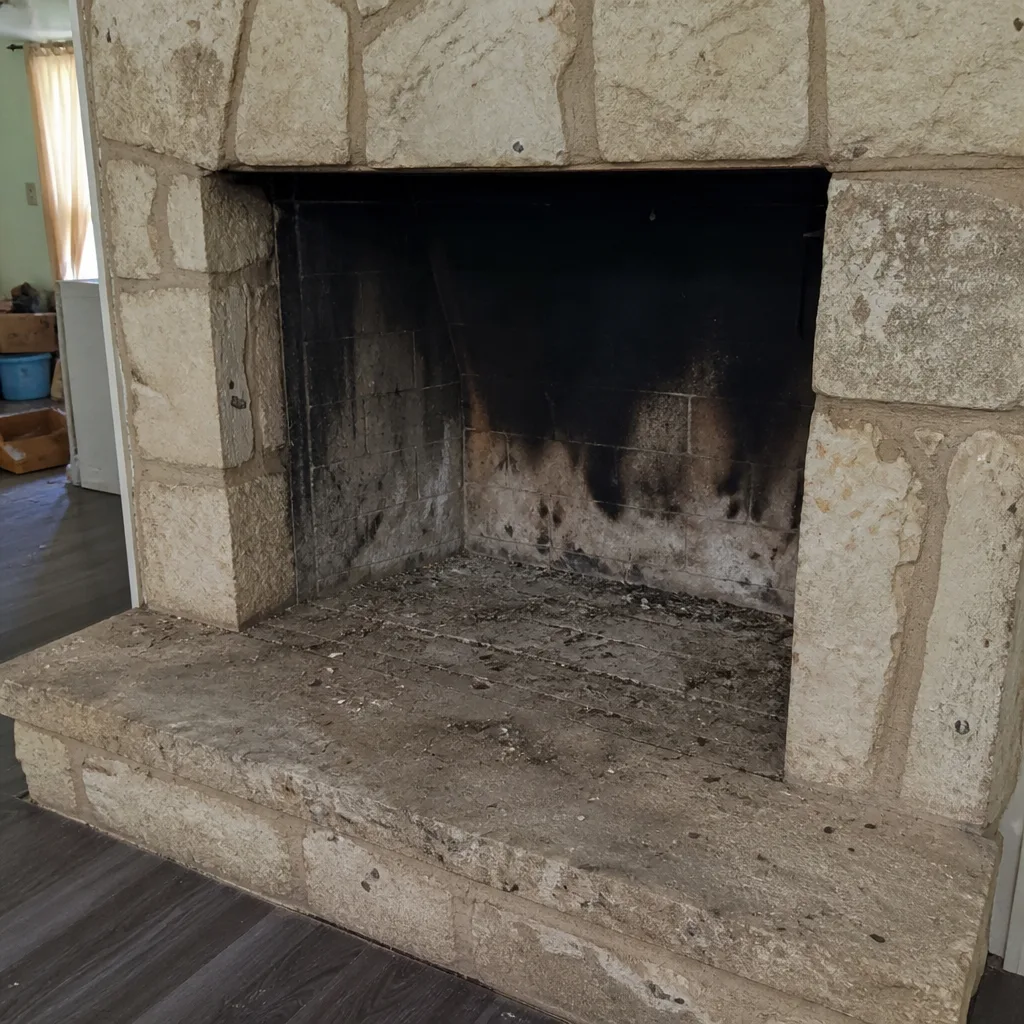
See the difference
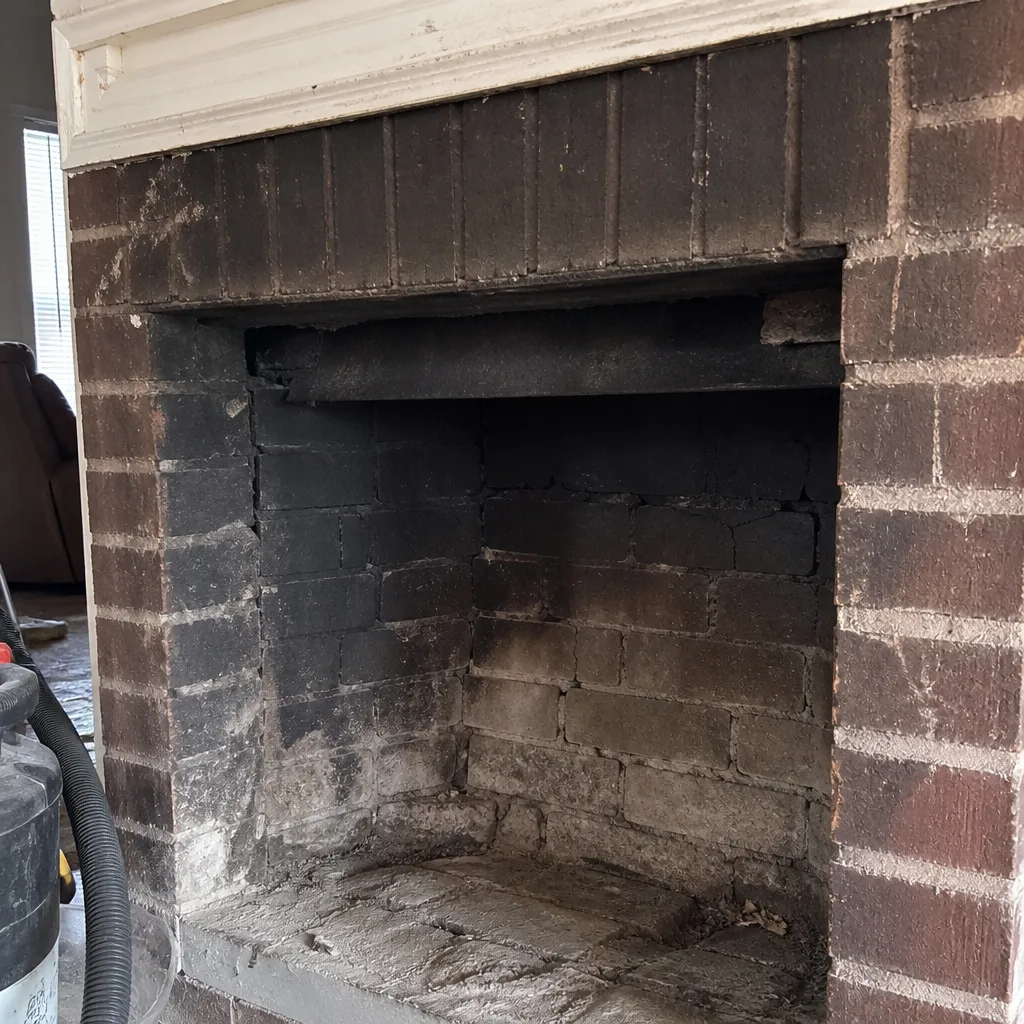 Before
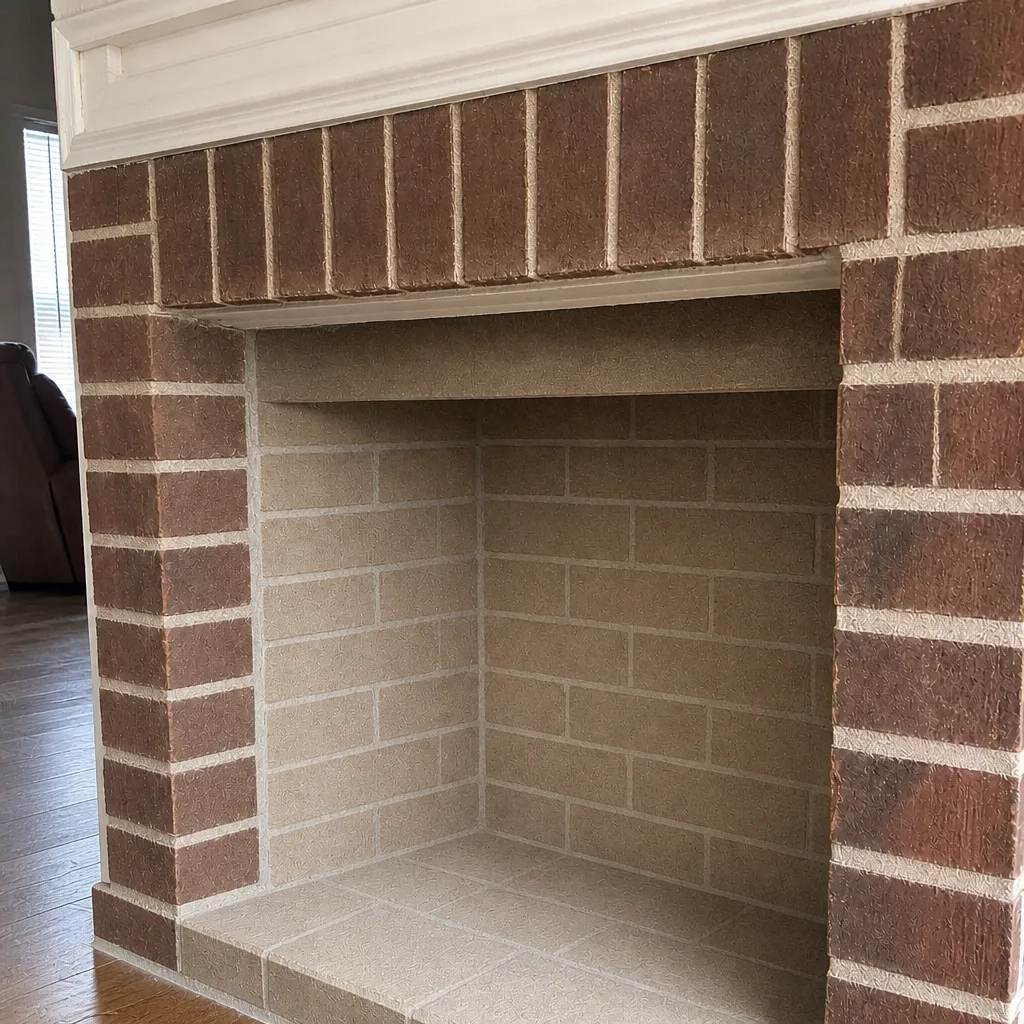 After
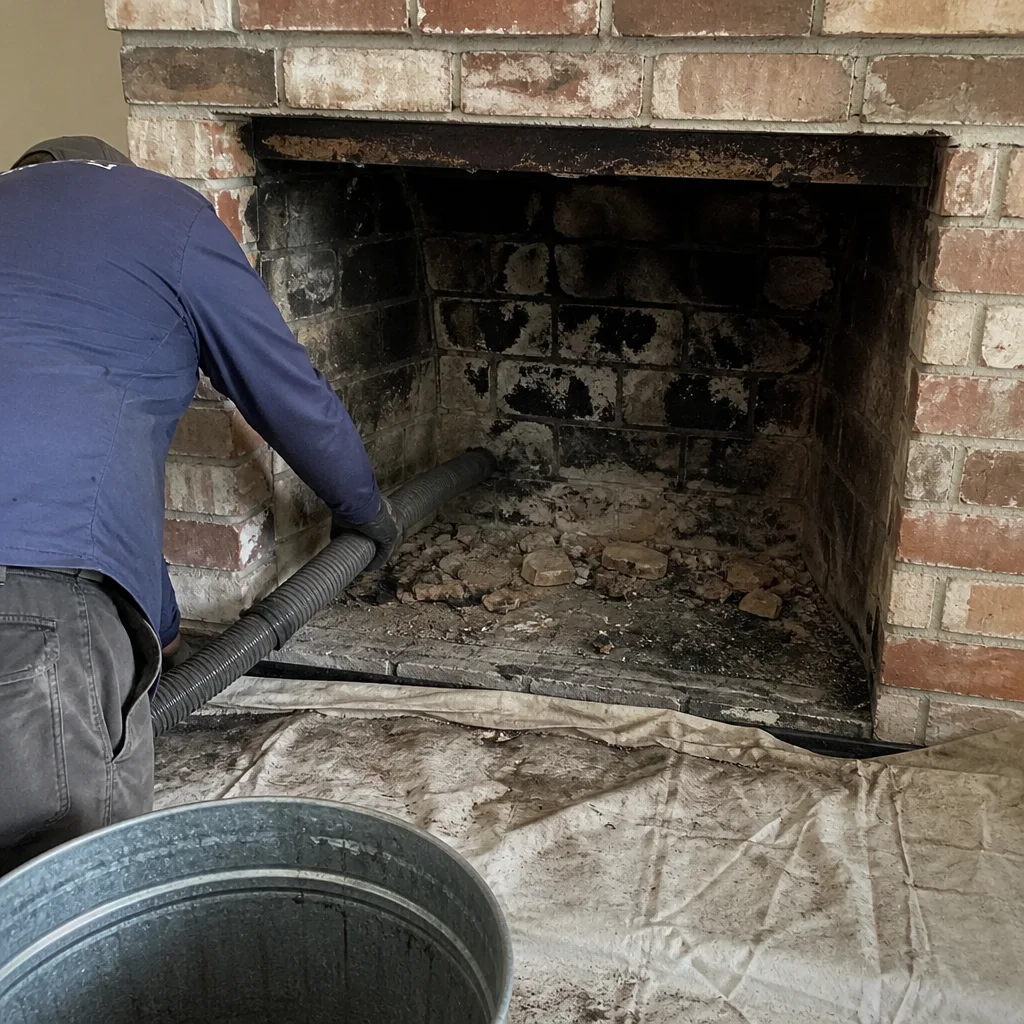 Before
 After
 Before
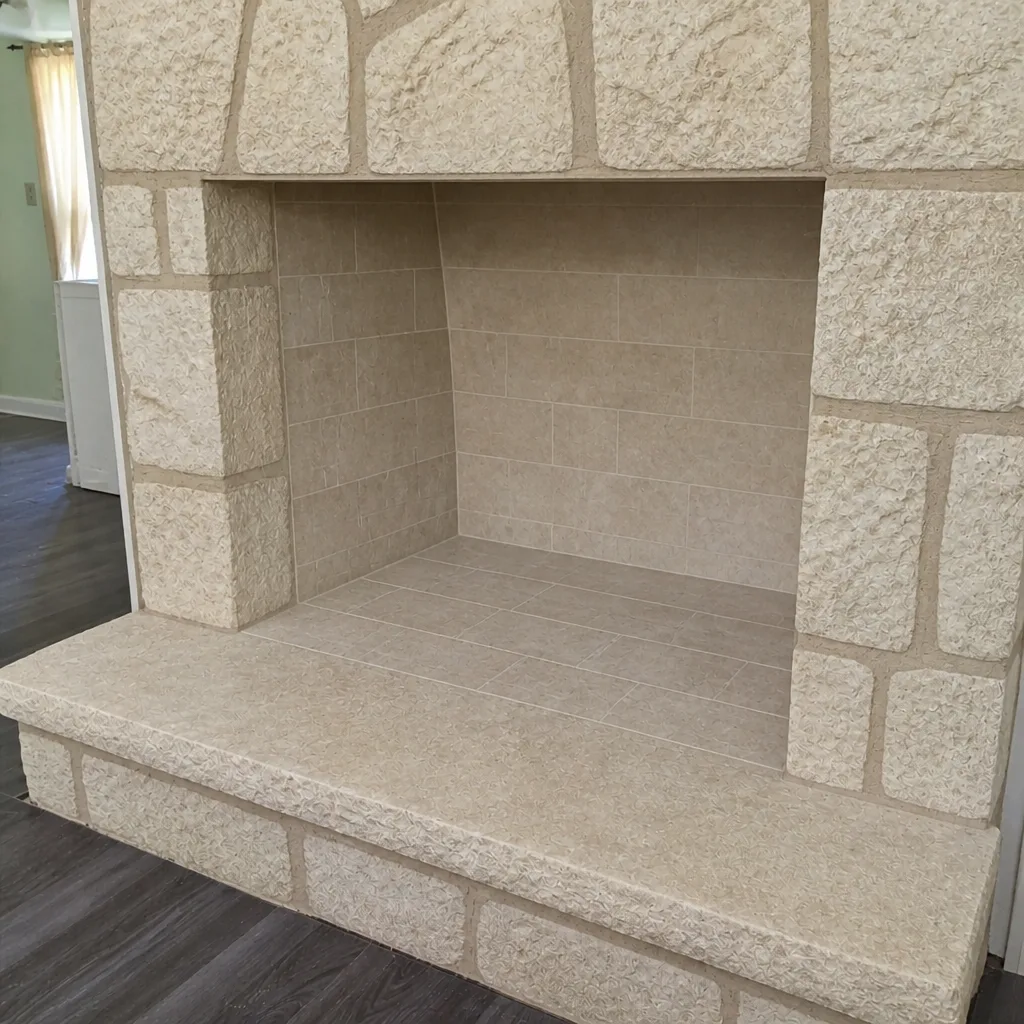 After
When to Call a Professional
If you notice a strong smoky smell when the fireplace isn’t in use, if smoke rolls into the room instead of up the flue, or if a soot stain appears on the ceiling near the chimney, those aren’t wait-for-the-season items. If you can see cracked or missing flue tile with a flashlight, call before running the fireplace at all. If you’ve just bought the house and don’t know the chimney’s history, a first inspection makes sense before the first fire. If it’s been more than a year since the last sweep, especially with heavy winter use, book it. Chimney Sweep Laredo offers free estimates in Laredo and can be reached at (855) 953-4291. We answer 24/7, and dispatch runs 7am to 7pm, Sunday through Friday.
Frequently Asked Questions
A standard sweep plus inspection in Laredo typically costs a few hundred dollars depending on the flue configuration and whether a camera inspection is included. Repair work is priced separately after the inspection findings. Call (855) 953-4291 for an exact quote; estimates are free.
Not always. If the liner is only surface-deteriorated, resurfacing with HeatShield restores the flue without a full reline. If the liner is cracked or missing sections, a DuraFlex flexible liner system is the right fix. The camera inspection is what tells you which scenario you’re in, and the report should show you the photo evidence.
Annual sweeping at minimum, and more often if you burn heavily through the winter. Laredo’s mild winters mean many fireplaces sit idle most of the year, but the creosote from last year’s fires is still there when you light the first fire of the next season. An annual inspection catches buildup before it becomes a hazard.
Creosote accumulates on the flue wall. Beyond a certain layer it can ignite, and a chimney fire can damage the flue or spread beyond it. Separately, a blocked or cracked flue pushes carbon monoxide back into the living space. Neither risk announces itself, which is why the inspection matters more than the sweep.
Not to a specialist standard. A handyman can clear loose soot from the firebox but usually lacks the rotary system, HEPA vacuum, and flue camera. He can’t inspect the flue properly and can’t repair what the inspection finds. For a fireplace you actually use, the sweep, inspection, and repair should come from one specialist.
Out-of-town crews don’t know Laredo’s housing stock, the way fireplaces here are built, or the local supply chain for caps, liners, and repair materials. When something is found during inspection that needs Gelco or Famco parts, an out-of-town crew has to come back. A specialist working in Laredo closes the loop on the same visit.
The Bottom Line
Hiring a chimney cleaning contractor in Laredo comes down to three questions you can ask on the phone: what equipment they bring, what brands they work with, and what a written inspection report looks like. If the answers are specific and immediate, the contractor knows the trade. If they’re vague, the quote is a shortcut on the checklist, not a saving. The lowest bid in a small market almost always reflects skipped steps, not efficiency. When you’re ready to compare against a specialist, book through Chimney Sweep Laredo and ask the questions from this guide. Estimates are free.
Contact Chimney Sweep Laredo for a free estimate. Call (855) 953-4291. We answer 24/7. Fast dispatch from 7am to 7pm, Sunday through Friday.
Written by the team at Chimney Sweep Laredo.