
Last updated November 15, 2026
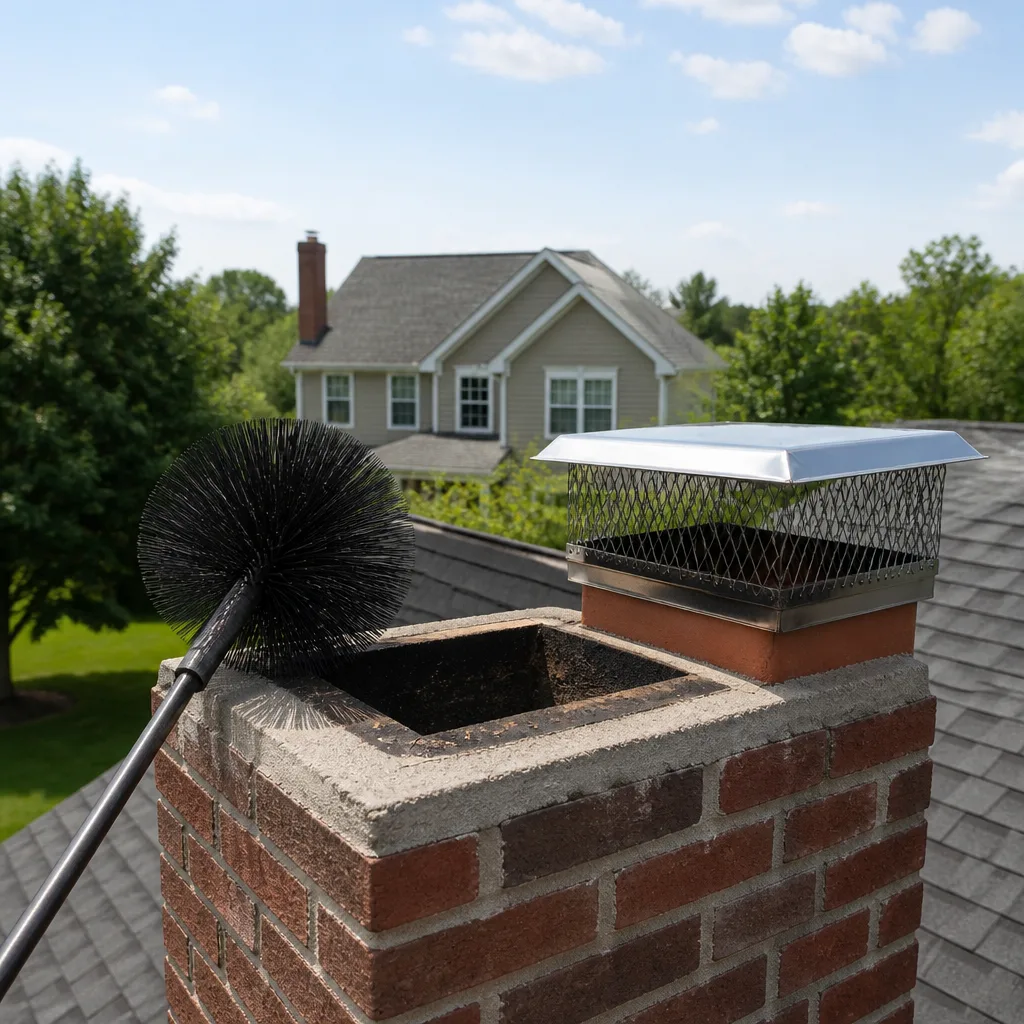 Sweep & inspection
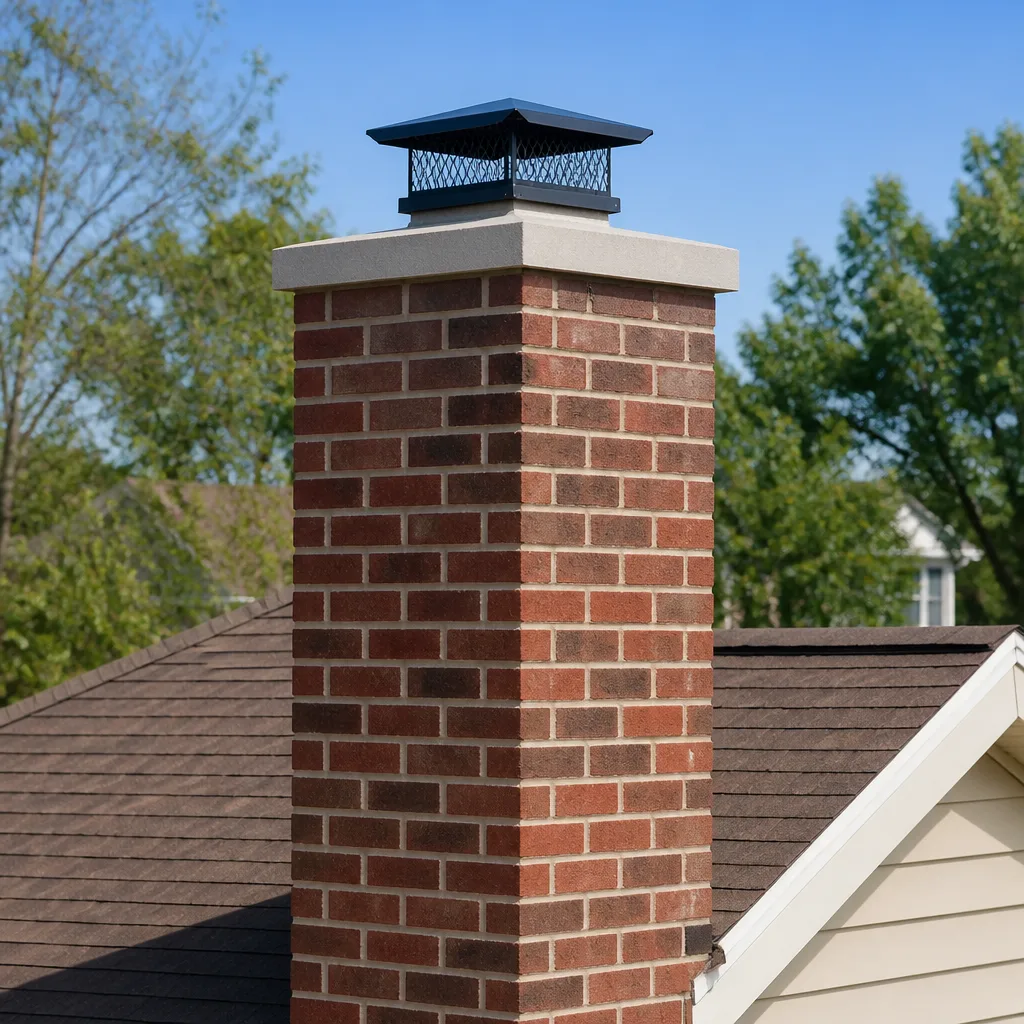 Caps & crowns
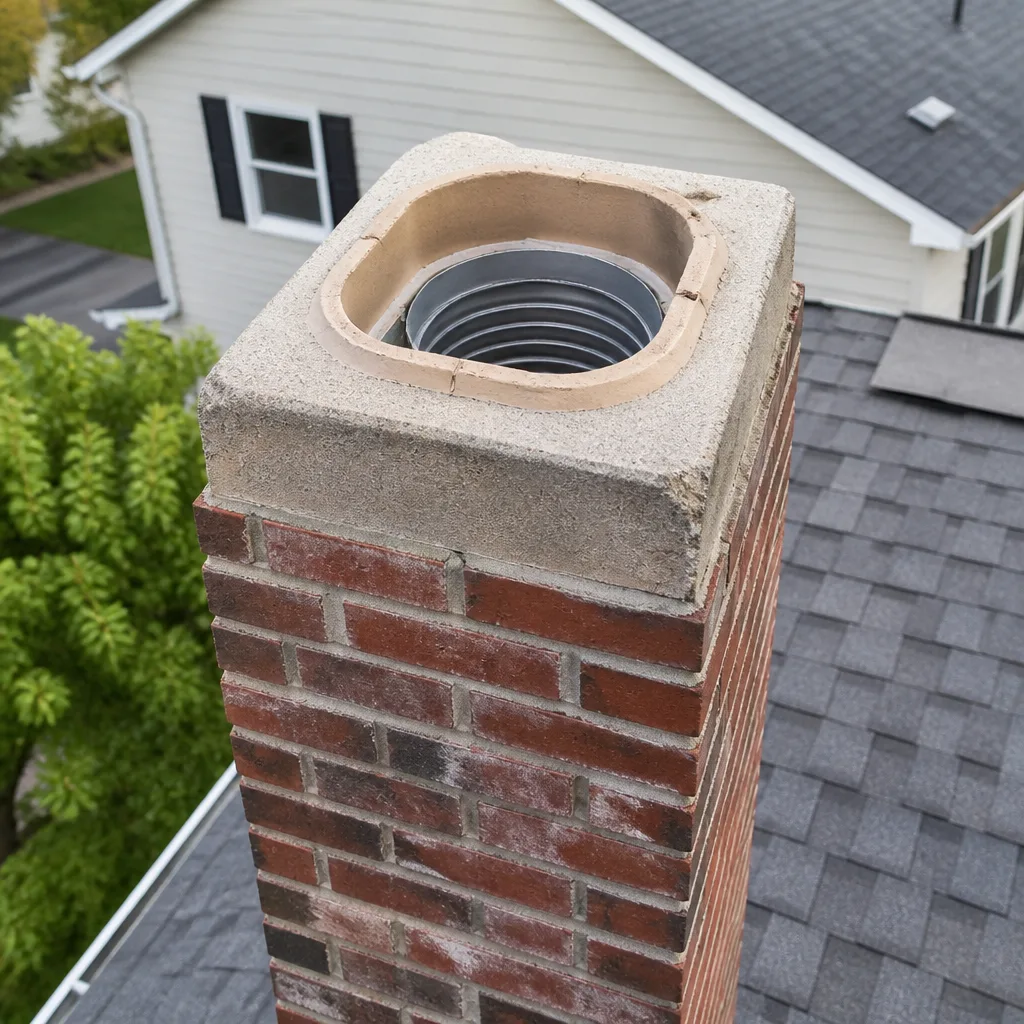 Flue relining
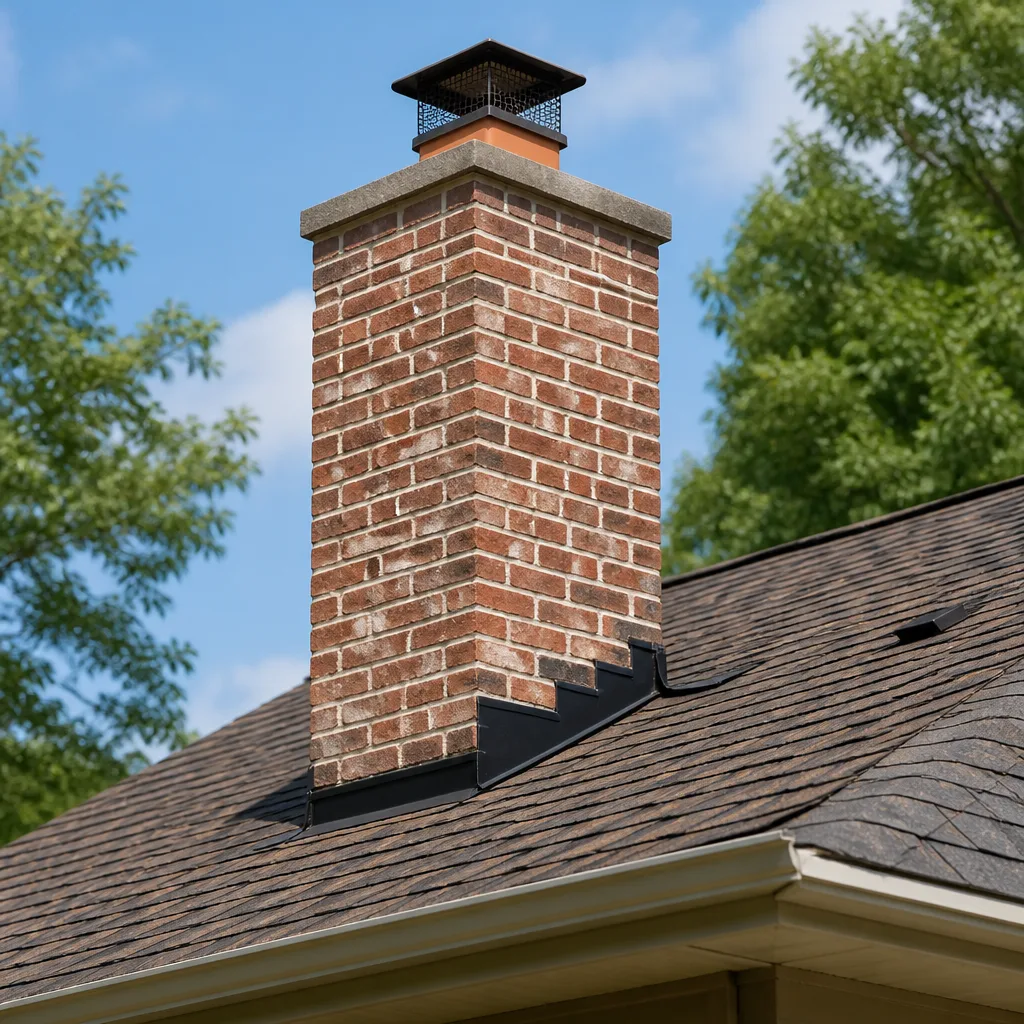 Masonry repair
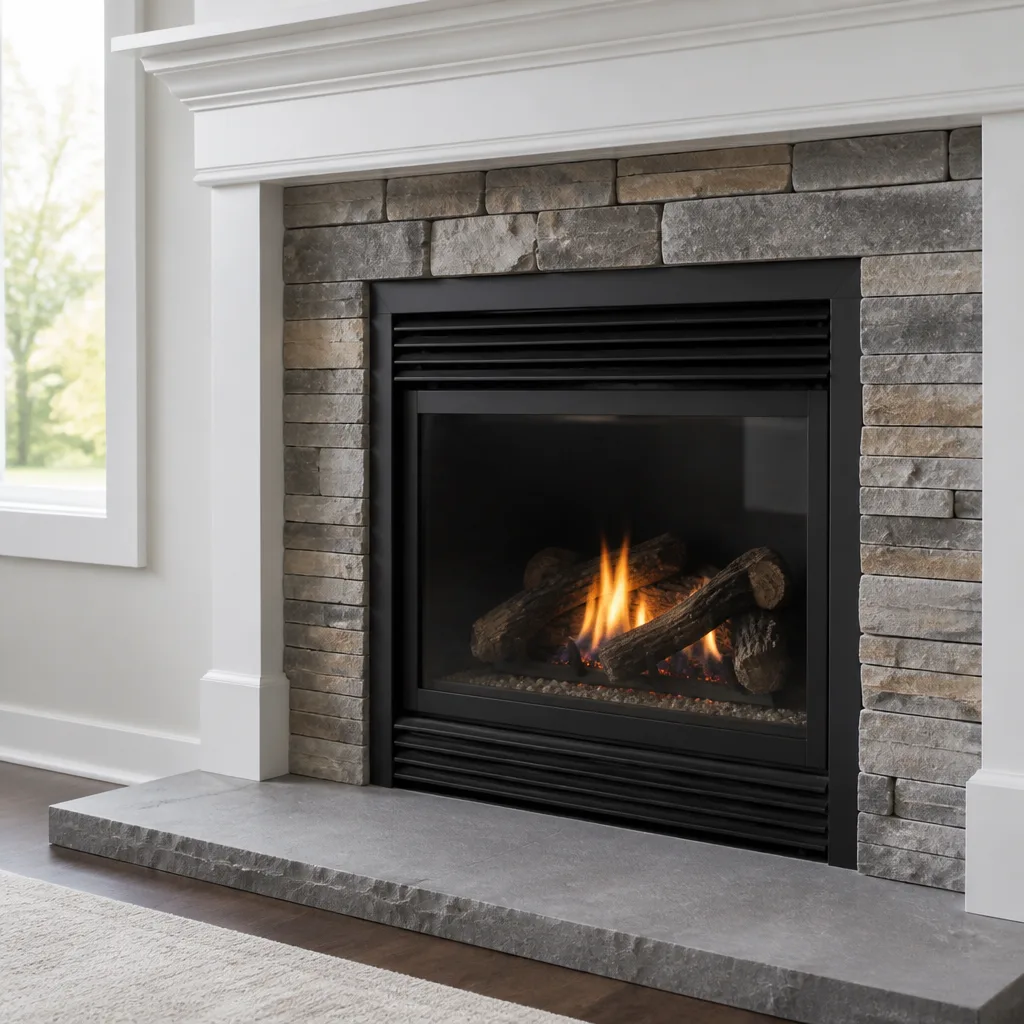 Gas fireplace service
Level 1 sweep and inspection to the NFPA 211 annual standard - flue, crown, cap, and flashing checked and photographed
Chimney sweep logs do not sweep chimneys. They loosen some creosote - which then falls where a brush and vacuum still have to collect it.
Choosing the Right Chimney Cleaning Brand: A Buyer’s Guide for Laredo
The chimney cap your sweep installs and the sealant they brush onto your crown look identical from the driveway. From twenty feet down, it’s a metal lid and a gray coat of something. But one cap is rolled from steel spec’d for high-heat cycling and the other is stamped from a big-box blank that will crack in Laredo’s summer heat within a couple of seasons. One sealant is a professional masonry product mixed and applied to penetrate the brick; the other is a spray can from the hardware aisle. Nothing on the invoice tells you which one you got. That gap between what you can see and what was actually installed is what this guide closes. You’ll learn the trade brand categories that matter, the questions that separate a real chimney specialist from a generalist, and how South Texas heat changes the answers.
Quick Answer
The right chimney brand depends on the application, not a single “best” label. Liner restoration calls for HeatShield or a flexible liner system like DuraFlex, exterior caps and top protection call for Gelco or Olympia Chimney, and waterproofing calls for a professional masonry sealant applied correctly, not a retail spray. In Laredo, ask your contractor to name the brand and the category for every material they plan to install, and ask to see the manufacturer warranty before the work starts.
Styles & brands we work with
- Sweep & inspection
- Caps & crowns
- Flue relining
- Masonry repair
- Gas fireplace service
Table of Contents
- Why Chimney Brand Matters More Than the Label Suggests
- The Key Professional Brand Categories and What Each Does
- How South Texas Heat Changes Product Selection
- How to Ask a Contractor What Brand They Use
- Waterproofing Done Right vs. a DIY Spray
- Verifying Manufacturer Warranties
- Common Mistakes to Avoid
- When to Call a Professional
Why Chimney Brand Matters More Than the Label Suggests
Chimney materials are not one market. They’re two, and they only overlap visually. On one side sit professional-grade products sold through trade channels, spec’d for the temperatures and thermal cycling a working chimney actually produces. On the other side sit retail products with similar-sounding names that get shelved at the hardware store and look almost the same on the box. The difference shows up years later, when a sealant has failed and let water into the crown, or a cap has corroded and stopped shedding rain.
For a homeowner in Laredo, the problem is verification. You can inspect the invoice all you want: it will say “chimney cap installed” or “crown sealed,” and that description is true whether the material was professional grade or retail grade. The spec that determines performance was never written down. This is why a brand question is really a competency question. A chimney specialist who works from a named, professional portfolio can tell you exactly what they’re installing and why. A generalist or a one-brand shop often can’t, because they only carry what’s cheapest to stock.
We work with six recognized trade brands across our service arc: DuraFlex, HeatShield, Gelco, Olympia Chimney, Famco, and Copperfield. Each covers a different job. Knowing which category a brand belongs to is more useful than memorizing any single name.
Key Takeaways
- Professional-grade and retail-grade chimney materials can look identical on an invoice.
- Brand matters by application: liners, sealants, caps and waterproofing each have their own specialist products.
- The right question is “which brand, for which category?” – a contractor who can answer that is working from real knowledge.
- In Laredo’s climate, heat resistance and UV durability matter as much as a product’s temperature rating.
The Key Professional Brand Categories and What Each Does
Chimney products break into four functional categories, and each has its own brand logic. A company that works across all four is working at the specialist end of the trade. One that only does sweeping is likely handing the material work to someone else. Here’s how the categories sort out.
1. Liner Systems and Liner Restoration
The flue liner is the tube that carries smoke and gas up and out. When it deteriorates, you have two paths: resurface what’s there, or reline. HeatShield is a resurfacing system that addresses a deteriorating liner without full replacement – a genuine cost-saving repair option most sweep-only companies can’t offer. DuraFlex is a flexible liner system for serious structural relining, the higher-skill end of the trade. The right choice depends on the liner’s actual condition, which is why a camera inspection comes first. We show you what we find before recommending either.
2. Sealants and Waterproofing
Professional masonry sealants are formulated to penetrate brick and mortar and to survive thermal expansion without trapping moisture. That last point matters: a sealant that traps water inside masonry can cause more damage than no sealant at all. Professional-grade products are vapor-permeable. Retail sprays often aren’t.
3. Caps and Covers
Caps keep rain, animals and debris out of the flue. Gelco and Olympia Chimney are the professional names here, and the difference is in the steel gauge and the fit. A poorly fitted cap lets water run down the flue wall instead of shedding off the crown.
4. Crown and Exterior Repair Materials
The crown is the concrete cap at the top of the chimney. Famco and Copperfield cover crown and top protection work. Exterior repairs are where weather does its slowest, most expensive damage in Laredo. A crack in the crown lets water into the structure below.
How South Texas Heat Changes Product Selection
Laredo’s climate is the quiet variable that most generic buying guides ignore. The region sees high peak heat and relatively low sustained burn hours. A fireplace in chimney sweep country might fire up a few dozen times in a mild winter, then sit dormant through eight months of sun and heat. That’s a different stress profile than a northern climate, where a fire burns daily for half the year and the chimney rarely cools completely.
What does this mean for products? Peak heat is real, and it’s intense. The materials installed in Laredo need to survive the temperature swing of a fire box heating and cooling on a hot day, not just the sustained warmth of a cold-weather burn. A cap or sealant that performs fine in a cooler climate may fail here because the cycle is more extreme and happens against a hotter ambient baseline. UV exposure on the cap and crown is also constant, unlike in regions with heavy cloud cover.
Low sustained burn hours have a flip side. A fireplace that sits idle collects moisture and dust, and the chimney never fully dries out between seasons. A waterproofing product that traps that moisture is worse than none. This is why vapor-permeable professional sealants matter more in Laredo than in a place where the fire dries the masonry constantly. When we spec a cap or a crown repair, we’re matching the material to that specific cycle: high peak heat, long dry-weather sun exposure, intermittent moisture. It’s the right fix for your chimney’s condition, not a northern default.
How to Ask a Contractor What Brand They Use
This is the practical core of the guide. The questions below work on any chimney contractor, whether they’re a dedicated specialist or a multi-trade company. The answers are the tell.
Questions to ask, in order:
- “What brand of liner material are you planning to install, and why that one?” A competent answer names the product and ties it to the condition of your liner. A vague answer (“we use the best available”) is a red flag.
- “Will the cap be a Gelco, Olympia, or another trade brand?” If the contractor can’t name a brand, they probably buy whatever’s on the shelf.
- “What waterproofing product do you use, and is it vapor-permeable?” This one separates specialists from spray-can operators.
- “Can I see the manufacturer warranty for the material?” A real professional has documentation ready.
- “Will the same crew that inspects also do the repair?” Handoffs mean a second scheduling window and an accountability gap.
Non-answers that should make you hesitate
- “We only use premium materials.” Premium is a marketing word. Brand and category are facts.
- “It’s all the same stuff.” It isn’t, and anyone in the trade knows it.
- “We’ll figure it out when we get up there.” Some decisions can be made on site, but the material category shouldn’t be improvised.
- “Our supplier recommends it.” Which supplier, and by what spec? A recommendation without a specification isn’t a recommendation.
A contractor who can name the brand and the category for each material is working from real knowledge. A contractor who deflects the question is telling you they don’t track it.
Waterproofing Done Right vs. a DIY Spray
Waterproofing is the most common place Laredo homeowners get burned, and it’s the easiest to do wrong. A professional waterproofing job starts with a clean, dry masonry surface, a product chosen for the brick type, and an application method that penetrates rather than coats. The result is a surface that sheds rain while still letting moisture vapor escape from inside. Done right, it protects for years. Done wrong, it seals moisture into the masonry and accelerates the exact decay it was supposed to prevent.
A DIY spray application from a big-box store is the wrong tool for most chimneys. Retail sealants are often film-forming, meaning they sit on the surface as a coating. On a hot Laredo chimney, that film can crack, peel, and trap water. And the spray can’t discriminate between brick types or account for existing moisture in the masonry. We’ve seen the results of film-forming sealant on a sun-baked chimney: a cracked, peeling surface that’s now hiding water damage underneath.
The professional route uses a vapor-permeable product, applied by hand at a controlled rate, with attention to the crown and the flashing – the two places where water actually gets in. It’s slower and it isn’t the cheap option, but it’s the one that protects the structure. If your crown is already cracking, waterproofing alone isn’t the fix; the crown repair comes first, then the sealant.
Verifying Manufacturer Warranties
A warranty is only as good as the paperwork that validates it. Professional-grade chimney products come with manufacturer warranties, but those warranties have conditions: the product must be installed by a qualified technician, in the application the manufacturer specifies, and often with the installation documented. Miss a condition and the warranty is void, even if the product fails.
Here’s what to verify before the work starts:
- Ask for the warranty document before installation, not after. It should name the product and the coverage period.
- Confirm the installer qualification. Many manufacturers require installation by a trained professional; ask how the installer is qualified for that specific product.
- Check that the application matches the warranty. A liner product warranted for one liner type doesn’t automatically cover another.
- Keep the paperwork with your home records. A future buyer or a future claim will need it.
We document what we install and keep the manufacturer warranty paperwork with the job. If a product carries a warranty, you should have it in hand and understand what keeps it valid. A contractor who won’t hand over the documentation is a contractor whose “warranty” you should treat as a promise, not a contract.
Common Mistakes to Avoid
- Buying on the invoice wording. “Crown sealed” and “cap installed” tell you nothing about brand or grade. Ask for the product name before you sign off, or you won’t know what you got.
- Letting one contractor inspect and another repair. A handoff means the person doing the work never saw the inside of your chimney. Look for a crew that does both, so the findings and the fix belong to the same visit.
- Accepting a full reline when resurfacing would do. A deteriorating liner sometimes only needs HeatShield resurfacing, not a new DuraFlex liner. Ask why the full replacement is the answer for your specific condition.
- Spraying a retail sealant on a sun-exposed crown. Film-forming sprays crack under Laredo heat and trap moisture. Use a vapor-permeable professional product, applied correctly.
- Assuming a generic handyman stocks professional liners. A multi-trade company that treats chimneys as a side service won’t carry HeatShield or DuraFlex. The material is the tell.
- Skipping the manufacturer warranty paperwork. If you don’t have the document, you can’t use it. Save it with your home records.
- Waiting until the fireplace has a problem to ask. The time to ask about brands is before the season, not during a call about smoke backing up.
When to Call a Professional
Some conditions are safe to wait on; others aren’t. Call a professional if you smell smoke in the room when the fireplace is running, if you see creosote buildup or staining on the chimney exterior, if the crown is cracked or the cap is missing or loose, or if your fire burns poorly and backs up into the room. Each of these can point to a liner, cap or crown problem that a visual inspection from the ground can’t diagnose. Anything that involves the flue liner, gas components, or the structural crown should go to a trained technician, not a DIY attempt – the hazards there are real and not worth the savings. Chimney Sweep Laredo offers free estimates in Laredo – call (855) 953-4291. We answer 24/7. Fast dispatch from 7am to 7pm, Sunday through Friday.
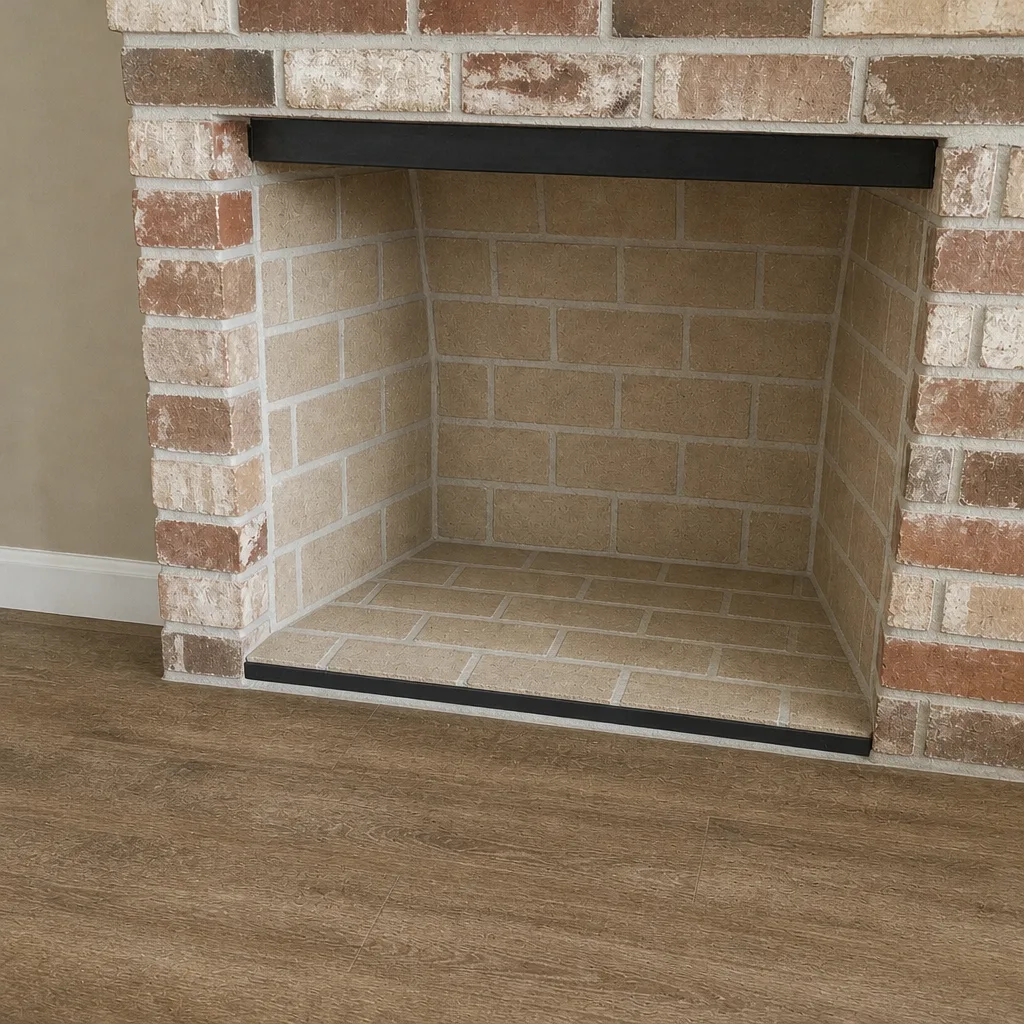
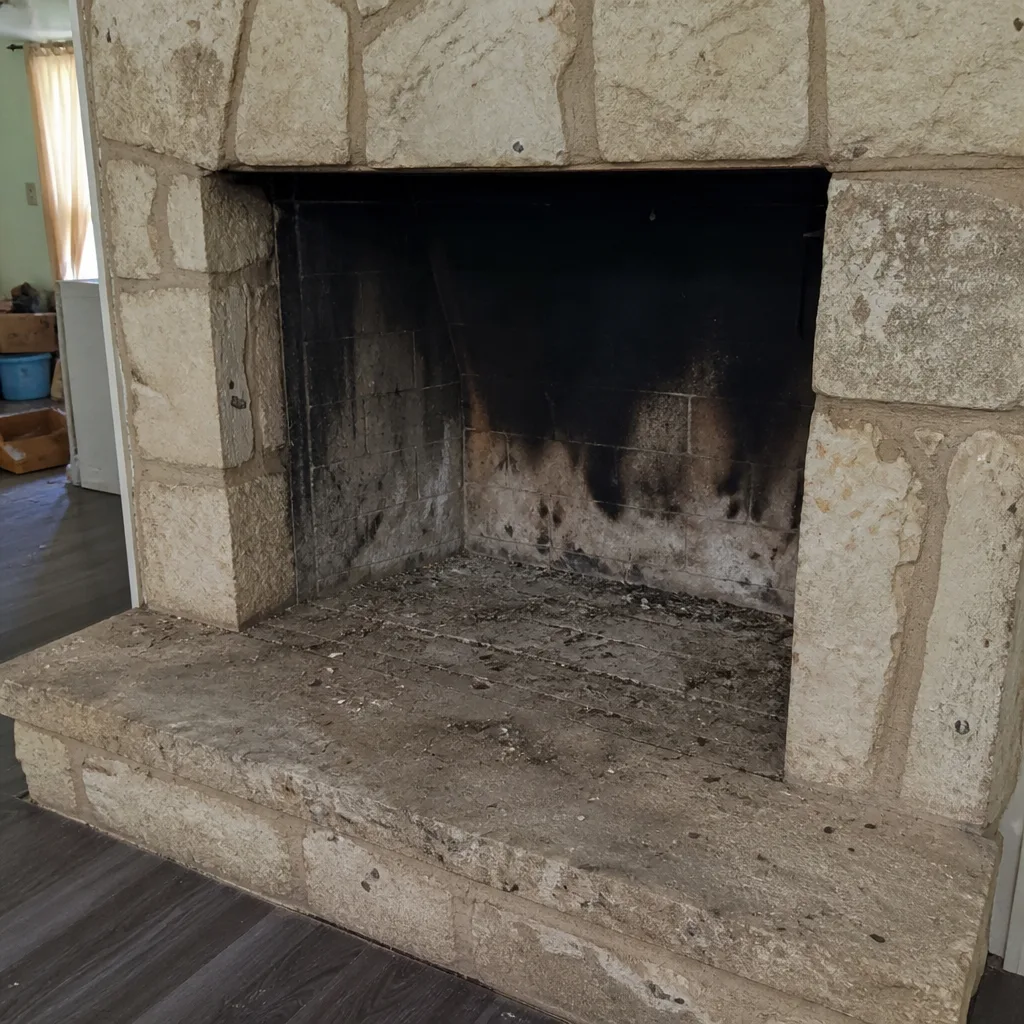
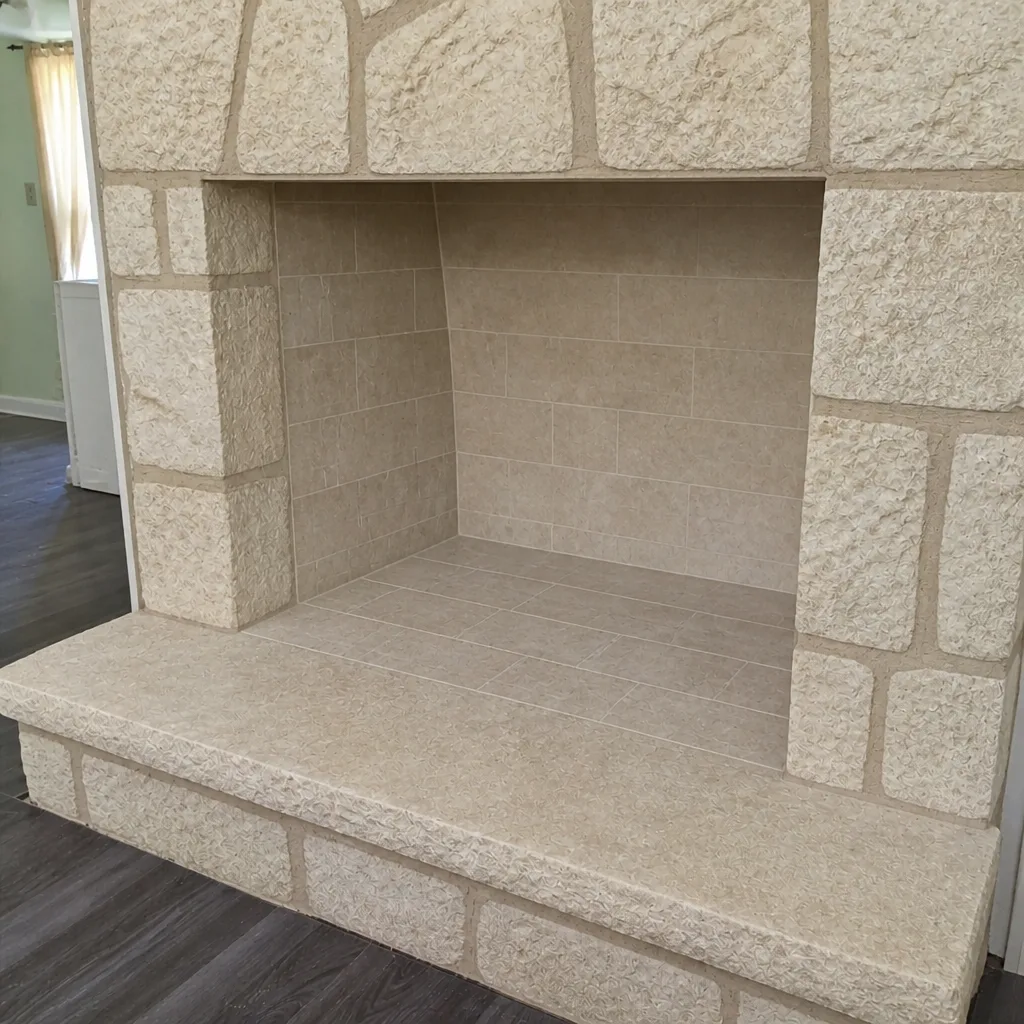
See the difference
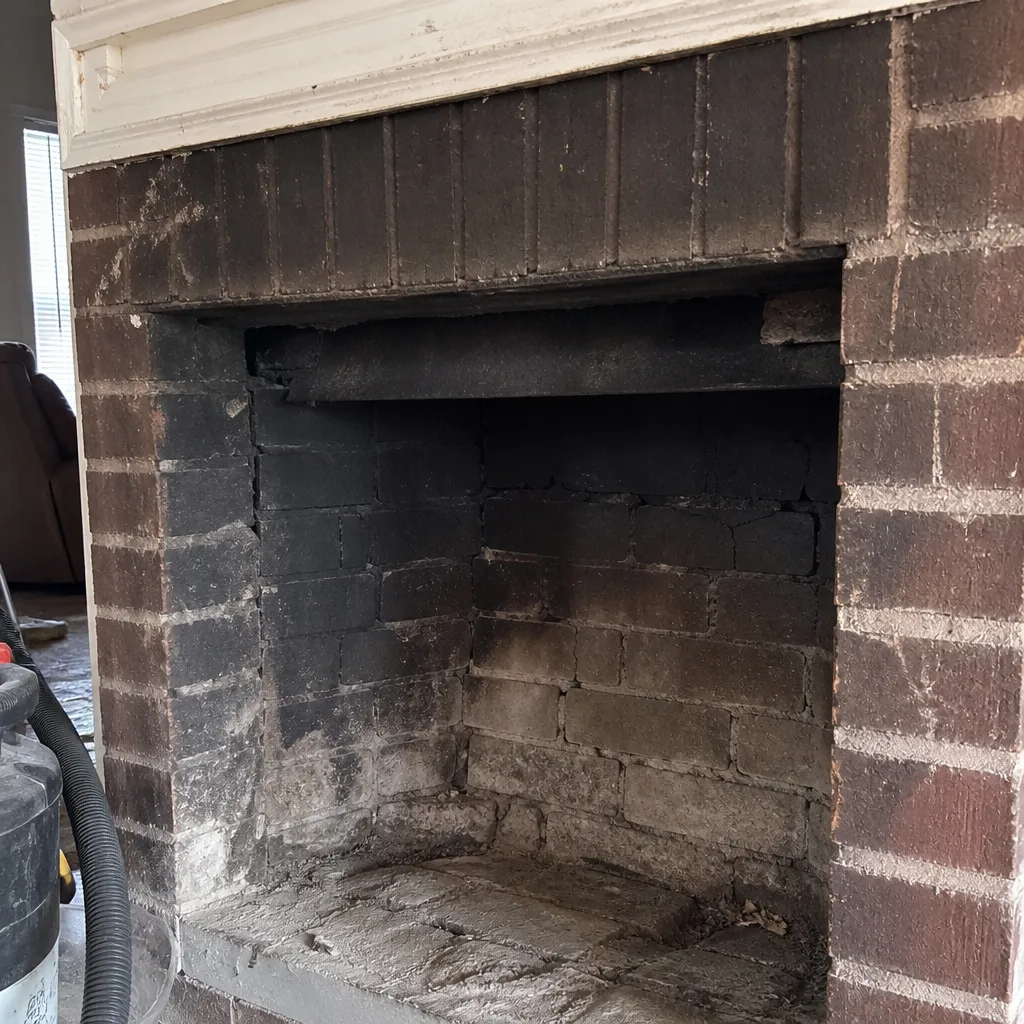 Before
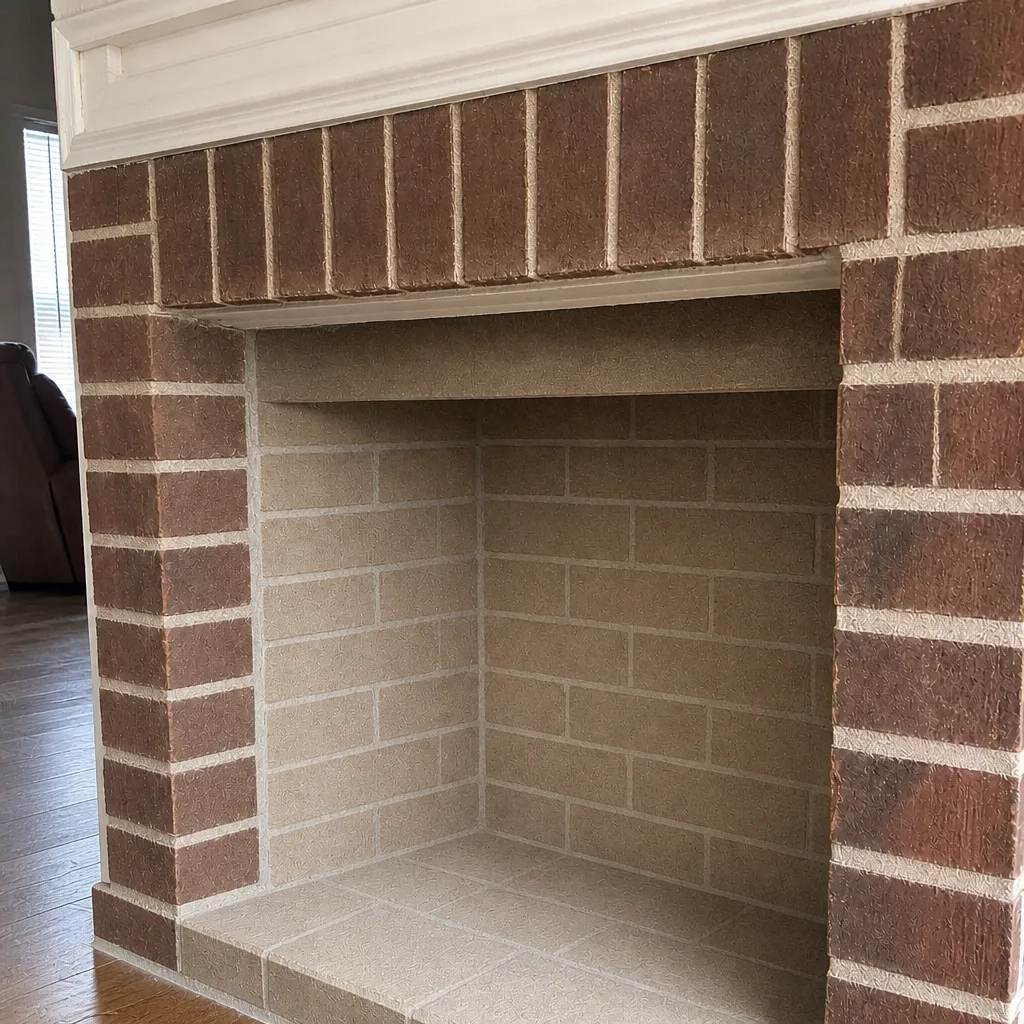 After
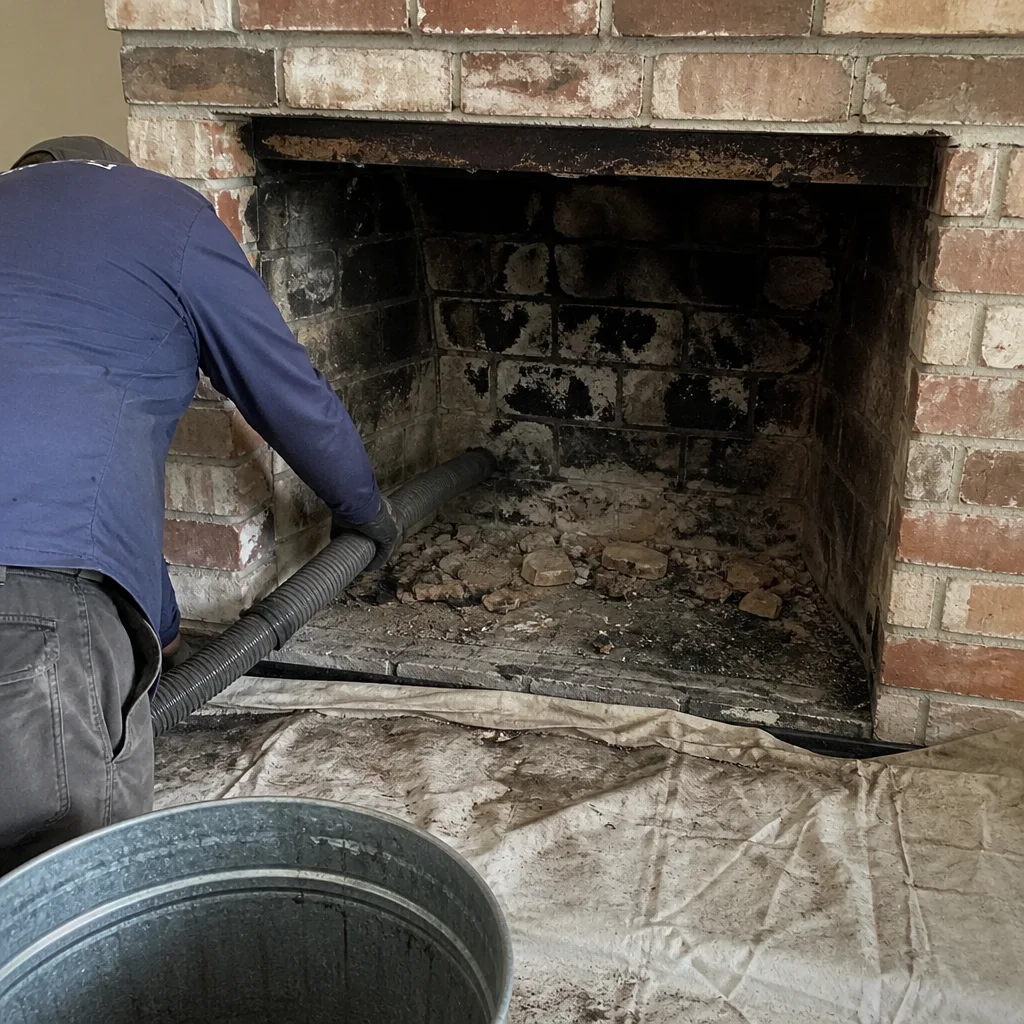 Before
 After
 Before
 After
Frequently Asked Questions
There isn’t one best brand – there’s a right brand for each application. For liner resurfacing, HeatShield; for flexible relining, DuraFlex; for caps, Gelco or Olympia Chimney; for exterior crown work, Famco or Copperfield. Ask your contractor to name the brand and the category, then verify it. Call (855) 953-4291 for an exact quote – estimates are free.
Ask them to name the brand and the category for each product they’ll install, and ask to see the manufacturer warranty before the work starts. A specialist answers specifically; a generalist deflects. The material grade is the most reliable signal of whether the contractor works at the professional end of the trade, so don’t accept “premium materials” as an answer. Call (855) 953-4291 with any question – estimates are free.
Yes, and in a different way than most buyers expect. Laredo sees high peak heat and low sustained burn hours, so materials have to survive intense thermal cycling and long UV exposure, while staying vapor-permeable enough to let a seasonally idle chimney dry. That combination favors professional masonry sealants and heat-rated caps over retail-grade substitutes. Ask us which product fits your chimney – estimates are free.
You can, but a film-forming retail spray often cracks in Laredo heat and traps moisture inside the masonry, which is worse than doing nothing. Professional waterproofing uses a vapor-permeable product applied at a controlled rate by hand. If your crown is already cracking, the repair comes first, then the sealant. Call (855) 953-4291 for an exact quote – estimates are free.
It should name the product, the coverage period, and the installation conditions that keep it valid. Most professional warranties require installation by a qualified technician in the specified application, and they can be voided by a mismatched install. Get the document before the work starts and keep it with your home records. Call (855) 953-4291 with questions – estimates are free.
Because the person who finds the problem should be the person who fixes it. A handoff means a second scheduling window and a gap in accountability, and the repair crew may be working from a paper description instead of a firsthand view. One crew, one visit – swept, inspected, and repaired – keeps the findings and the fix connected. Call (855) 953-4291 for a free estimate.
The Bottom Line
The brand question is really a competency question. Professional-grade chimney materials look like retail grade on paper but perform differently under Laredo’s heat cycling and UV exposure, and most homeowners have no way to tell which one they got unless they ask. Ask for the brand and the category for every material, ask to see the warranty before the work starts, and expect a specialist to answer specifically. The right liner fix for your chimney’s condition is the one matched to what’s actually there – not the most expensive option, and not the cheapest. When you’re ready to know what’s on your chimney, call (855) 953-4291 for a free estimate. We answer 24/7. Fast dispatch from 7am to 7pm, Sunday through Friday.
Written by the team at Chimney Sweep Laredo.