
Last updated November 15, 2026
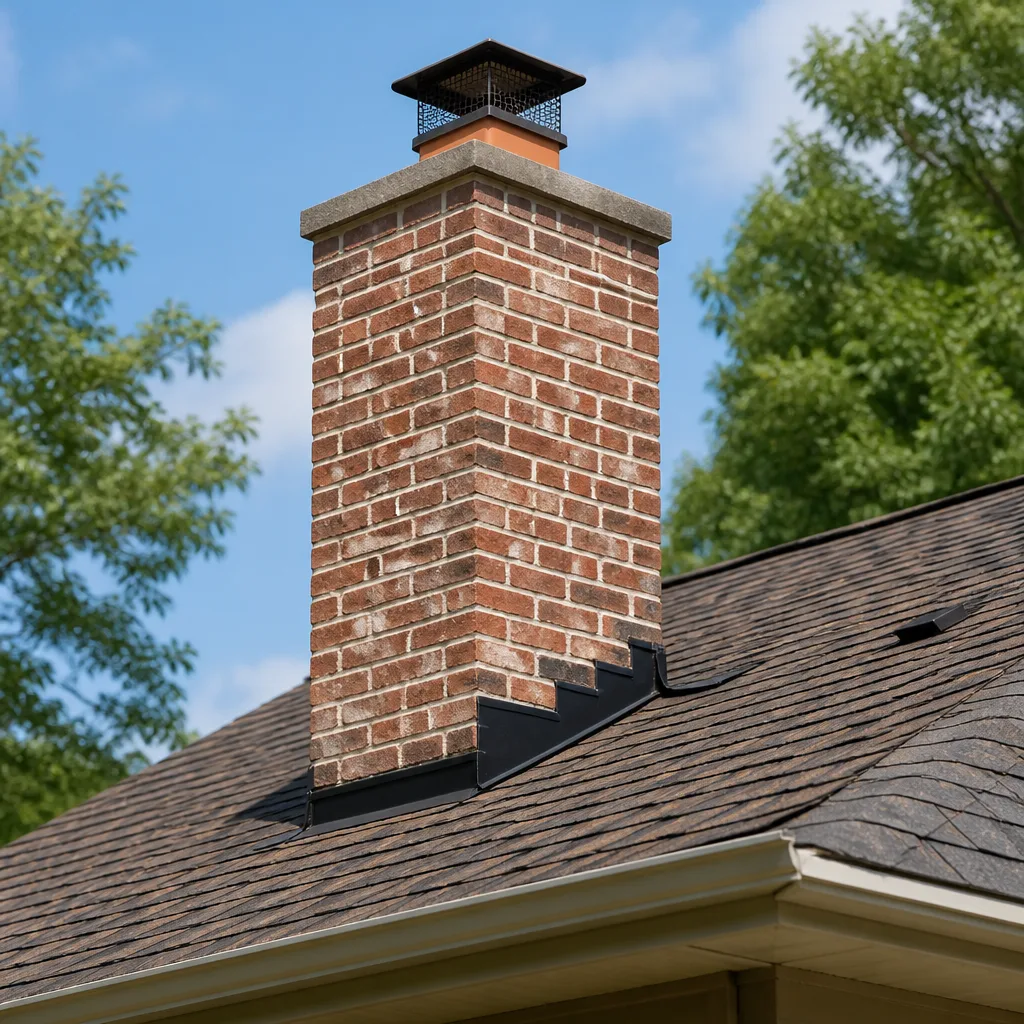 Masonry repair
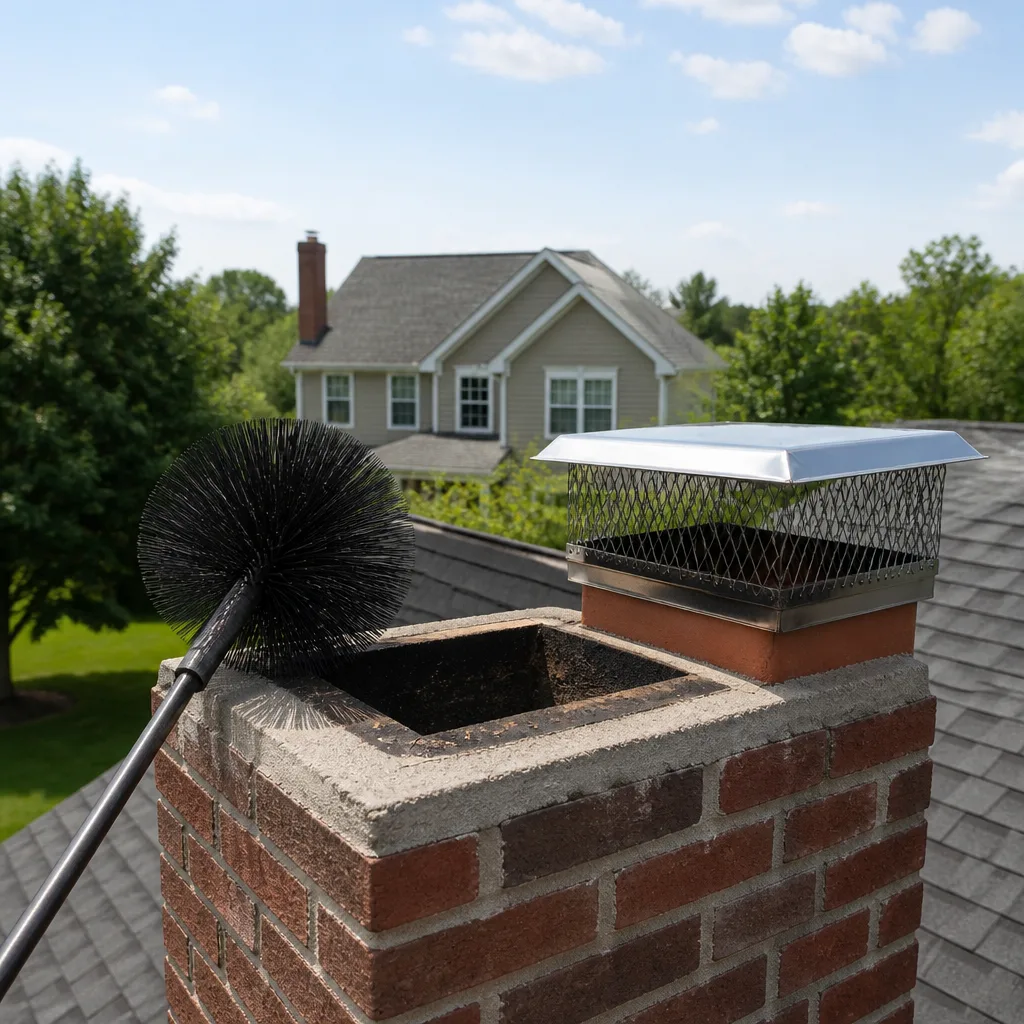 Sweep & inspection
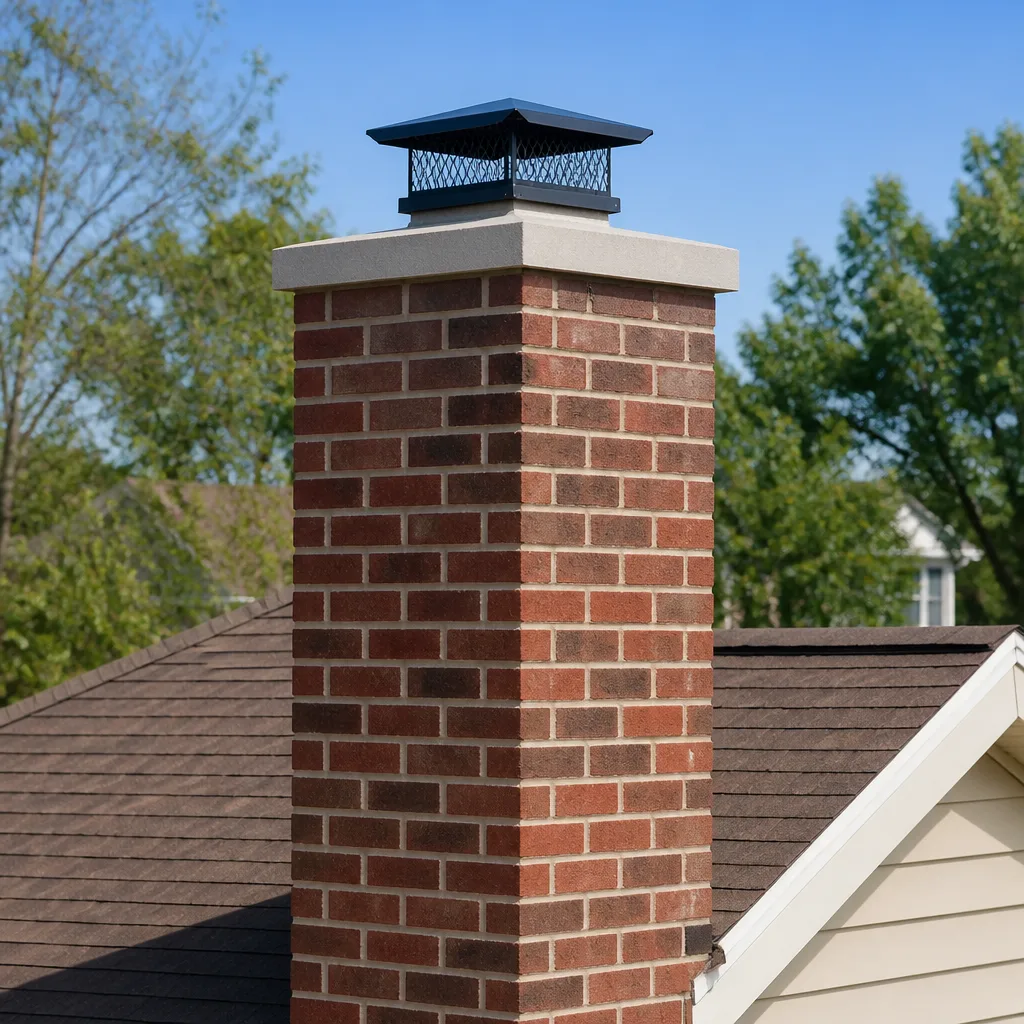 Caps & crowns
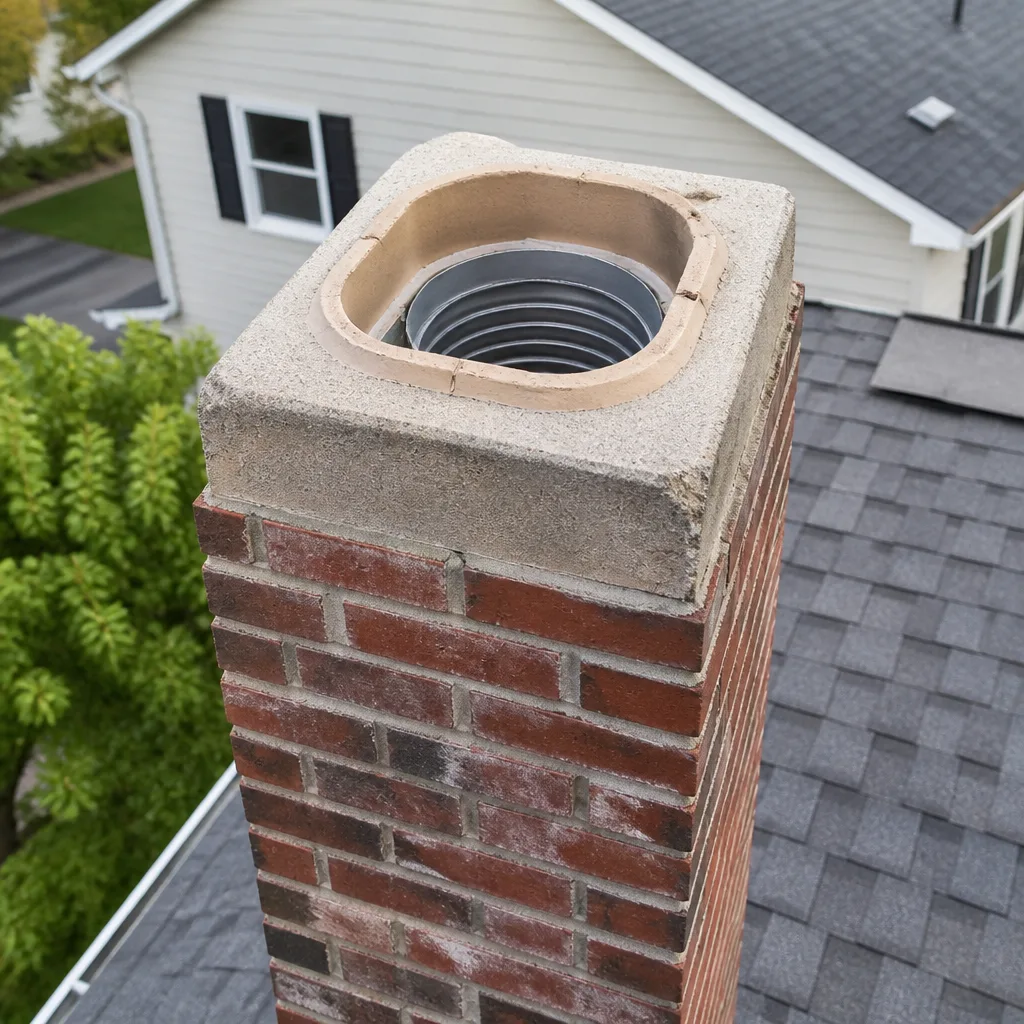 Flue relining
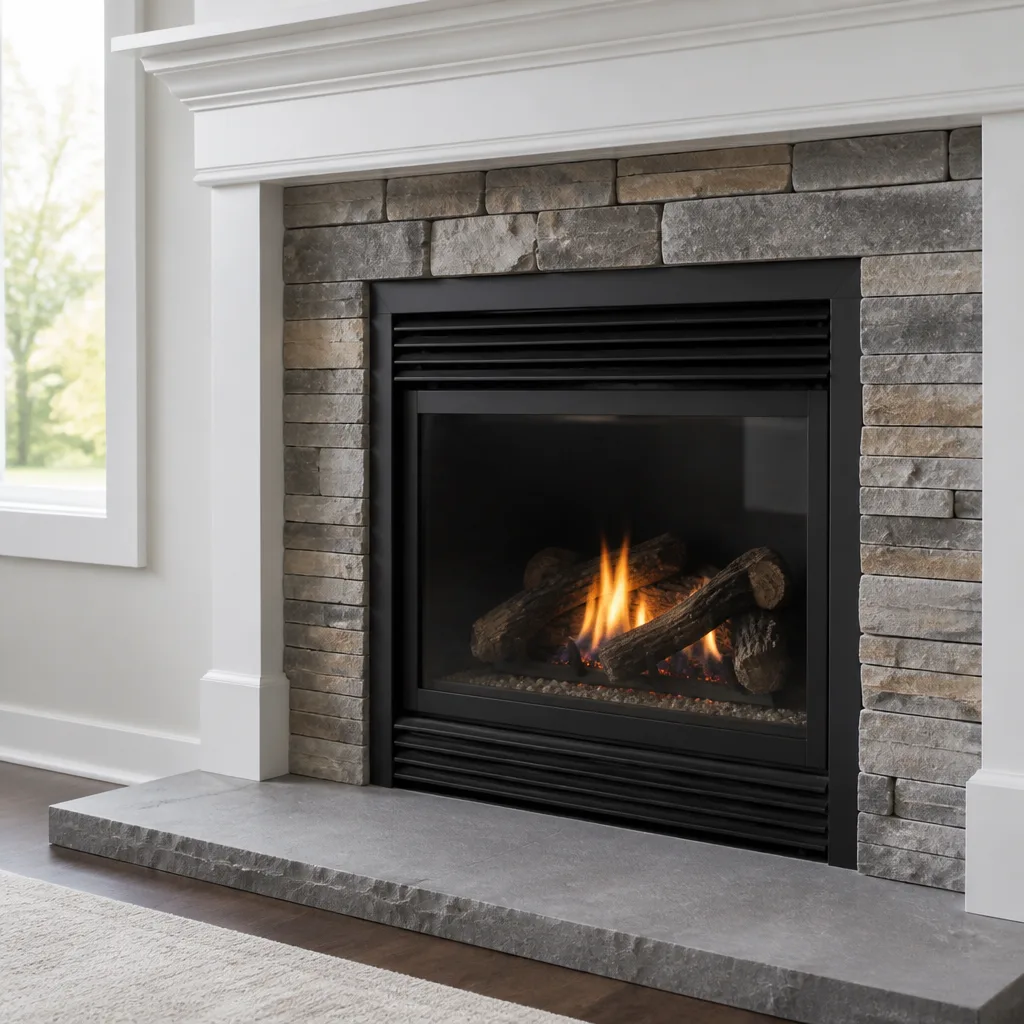 Gas fireplace service
Level 1 sweep and inspection to the NFPA 211 annual standard - flue, crown, cap, and flashing checked and photographed
Chimney sweep logs do not sweep chimneys. They loosen some creosote - which then falls where a brush and vacuum still have to collect it.
Chimney Repair Troubleshooting in Laredo: Common Problems and How to Fix Them
A white stain crawling down the inside of your firebox wall looks like rain getting in from the top. In Laredo, it usually isn’t. That powder is efflorescence, and around here it more often means salt is migrating through alkaline masonry from the inside out, cracking the crown from within rather than water pouring down the flue. Getting that diagnosis right is the difference between a small, targeted repair and a full rebuild you didn’t need. This guide walks through the symptoms Laredo homeowners actually see, what each one usually points to, and the order a trained sweep checks them so nothing gets skipped.
Styles & brands we work with
- Sweep & inspection
- Caps & crowns
- Flue relining
- Masonry repair
- Gas fireplace service
Quick Answer
Most chimney problems in Laredo come down to three things: heat-cycling damage from a chimney used only in winter, caliche-heavy soil shifting the foundation under the chimney, and moisture moving through alkaline masonry. The fix depends on which of those is actually happening, so a proper diagnosis starts at the crown and works down to the liner before anyone quotes a repair. A $40 crown patch and a $4,000 rebuild can look similar on the surface, and the inspection is what tells them apart.
Table of Contents
- Why Laredo Chimneys Fail Differently
- Efflorescence: What That White Stain Really Means
- Heat-Cycling Damage in South Texas Chimneys
- Caliche Soil and Foundation-Level Chimney Shifting
- Draft Problems vs. Obstruction: Telling Them Apart
- The Correct Diagnostic Sequence
- Repair Options and What They Address
- Common Mistakes to Avoid
- When to Call a Professional
- Frequently Asked Questions
Why Laredo Chimneys Fail Differently
Chimneys everywhere deal with weather, but Laredo gives them a specific set of stresses that general chimney advice doesn’t account for. The biggest is use pattern. Most fireplaces here run a handful of nights a year, during the short cool stretch. That sounds gentle on a chimney. It isn’t. The masonry heats up fast and cools down slow, and a chimney that sits cold most of the year and then swings through repeated heat cycles during a brief season goes through the same expansion and contraction a colder-climate chimney does, just compressed into fewer months. The mortar joints take the worst of it.
The second factor is soil. Laredo sits on caliche, a calcium-carbonate-rich ground that behaves differently from the loam or clay most chimney guides assume. Caliche doesn’t drain the way typical soil does, and it moves with moisture in its own way. When the ground under a chimney is out of step with the ground under the house, the chimney becomes the stiffest, heaviest thing on the foundation, and the mortar joints above grade start showing the strain first.
The third is water chemistry. Laredo’s water runs alkaline, and so does a lot of the masonry around a chimney here. Alkaline masonry plus moisture equals salt migration, and salt migration shows up as the white staining we cover below. None of these three problems is unusual on its own. The reason chimney work in Laredo is trickier than it looks is that all three can produce similar symptoms, and they call for completely different fixes.
Efflorescence: What That White Stain Really Means
Efflorescence is a white, powdery or crusty deposit on masonry or inside a firebox, and in Laredo it almost always points to moisture moving through the masonry itself, not rain coming in through the roof. The mechanism is straightforward. Water gets into the masonry, dissolves salts that are naturally present in the brick, mortar or concrete, and then carries those salts to the surface as it evaporates. What’s left behind is the white powder. Where the water enters matters far more than how much of it comes through.
In most of the country, efflorescence gets blamed on roof leaks and flashing failures. Those are real causes, and we check for them. But in Laredo, alkaline masonry and alkaline water make salt migration far more aggressive, and the moisture often originates lower in the chase than a homeowner expects. It creeps up from the foundation, or it moves through a hairline crack in the crown, or it works its way between the flue and the surrounding masonry.
What this means practically:
- Wiping off the white powder only hides the symptom. It comes back because the moisture source hasn’t changed.
- A stain that appears inside the firebox, on the face of the chimney above the roofline, and in the attic around the chase is a strong sign the moisture is moving through the structure, not just sitting on a surface.
- Left alone for years, salt migration pushes mortar apart and can crack a crown from the inside. That’s when a small repair turns into structural work.
The inspection is where this gets sorted out. We look at where the staining concentrates, test how the crown and flashing are shedding water, and check the liner for moisture that’s coming from the flue side. The repair that follows depends entirely on what the inspection finds. Sometimes the fix is a crack in the crown. Sometimes it’s resurfacing a deteriorating flue with a product like HeatShield, which restores the liner surface without a full liner replacement. The staining looks the same from the driveway. The fix never does.
Heat-Cycling Damage in South Texas Chimneys
A chimney that’s used year-round stays warm and relatively stable. A Laredo chimney that runs maybe ten or twelve nights in a season does the opposite. It goes from ambient temperature to several hundred degrees and back, over and over, and the masonry never settles into a rhythm. Every fire is a sudden expansion; every cool-down is a contraction. Mortar is the weakest material in the assembly, so it fatigues first. That means a South Texas chimney used only in winter can show accelerated mortar joint deterioration compared with one in a colder climate where the fireplace runs every evening for months and the masonry spends more time at a steady temperature.
You can often spot it before you know what you’re looking at:
- Crumbling or sandy mortar in the joints, especially on the upper sections of the exterior.
- Hairline cracks that radiate from joints or follow the mortar line.
- Small pieces of mortar or brick spalling landing on the roof or in the firebox.
- A feel of grit when you run a hand along the joints on a cool day.
Repointing (replacing the deteriorated mortar) is the standard repair, and it works well when the damage is caught before the brick itself starts to move. What makes it tricky in Laredo is that heat-cycling cracks and caliche-driven movement cracks look similar up close. Repointing a chimney that’s shifting at the foundation just means the new mortar cracks too, usually within a season or two. That’s why we don’t skip the exterior check before recommending repointing.
Caliche Soil and Foundation-Level Chimney Shifting
This is the one most chimney repair guides don’t cover, and in Laredo it’s a real cause of repeat repairs. Caliche is the calcium-carbonate hardpan that underlies a lot of this area. It’s hard, it holds water differently than ordinary soil, and it expands and contracts on moisture changes in its own pattern. When the soil under the chimney is moving one way and the soil under the house is moving another, or when the chimney footing was poured separately from the main foundation, the chimney is the element that takes the stress.
Foundation-level shifting shows up in ways that can be misread as simple masonry wear:
- Vertical cracks in the firebox or in the faces of the brick that widen toward the bottom.
- Stepped cracks that follow the mortar line in a stair pattern.
- A chimney that’s visibly out of plumb when you sight along a corner of the house.
- Mortar joints that open on one side of the chimney and close on the other.
- Recurring cracks in the same place after repointing.
If that describes what you’re seeing, patching the masonry alone won’t fix it. The chimney will keep moving and the repair will keep failing. The honest answer at that point may be that a structural evaluation of the chimney footing is the next step before any cosmetic work is done, and we’ll say so plainly rather than quote another patch. That’s the kind of call that protects a homeowner from spending real money twice. Sometimes a repair can safely wait while a homeowner monitors a crack; sometimes it can’t, and telling those apart is what the inspection is for.
Draft Problems vs. Obstruction: Telling Them Apart
Smoke rolling into the room instead of going up the flue has three common causes, and only one of them is a chimney problem in the structural sense. The other two are airflow and obstruction. If you skip straight to a repair, you can end up fixing the chimney when the actual problem is the house.
Here’s how to think about the difference:
- Negative pressure (airflow): Modern Laredo homes are built tighter than older ones. When a house is well-sealed, running a kitchen exhaust fan, a bathroom fan, or even a clothes dryer pulls air out of the house, and the fireplace has to pull replacement air in somewhere. If the chimney is the easiest path, smoke comes down it. This shows up mostly on cold, still days and starts suddenly after a home has been weatherized or windows replaced.
- Flue obstruction: A bird nest, a leaf load, a fallen piece of masonry, or a heavy soot layer inside the flue restricts the flue’s cross-section. Draft suffers, smoke backs up, and there’s usually a smell or a visible sign at the top of the firebox. This is a job for a camera inspection, not a guess.
- Structural damage: A cracked flue tile or a separated liner joint lets air into the flue at a bad spot, which disrupts draft and can push smoke back into the room. This is the one that needs a real repair, and it’s the one worth confirming before a homeowner spends money on a draft solution that won’t help.
The way we sort them is by running the fireplace as normal, watching the smoke pattern, and then checking the flue directly with a camera. Negative pressure almost always improves with a cracked window nearby; a flue obstruction and a structural crack don’t. If it’s the liner, the fix might be a resurfaced flue with HeatShield or a full reline with something like DuraFlex, depending on how much integrity is left. If it’s an airflow issue, no repair will change it. We tell homeowners that straight.
The Correct Diagnostic Sequence
Chimney repair in Laredo goes wrong for one main reason: the diagnosis starts at the wrong end. A homeowner sees a stain, calls for masonry work, gets a patch, and the stain comes back next year. A trained sweep works top-down and exterior-first, because water and movement almost always enter from the top or from the ground, and the liner damage is usually a downstream effect. Here’s the order we follow.
- Crown. The crown is the concrete cap at the top of the chimney, and it’s the most common entry point for water. We check for cracks, spalling, and whether the crown is pitched enough to shed water away from the flue. A cracked crown is the cheapest thing to fix and the most expensive to ignore.
- Flashing. Where the chimney meets the roof, the flashing is the seal. Failed flashing lets water in at the roofline and sends it down inside the chase, which can produce efflorescence far from where the water actually entered. Sheet metal, sealant condition, and whether the flashing is properly stepped into the shingles all get checked here.
- Mortar joints and brick faces. Only after crown and flashing are ruled out do we look at the masonry itself. Repointing a chimney that’s still getting water from above just postpones the problem.
- Liner. The flue liner is the last thing we check, because the liner’s condition tells us what the masonry above it has been doing. A liner with cracks or gaps in the wrong place points back to a moisture problem. A liner that’s intact but rough inside points to heat-cycling wear. The right fix depends on which one we find.
Skipping a step is how repeat repairs happen. A masonry patch on a chimney with a failed crown looks like a fix for a season and then fails. A flashing repair on a chimney whose liner is already compromised leaves a safety issue in place. The sequence exists so each repair addresses the actual cause, not the most visible symptom.
Repair Options and What They Address
Once the diagnostic sequence is done, the repair list is usually shorter than homeowners expect. Most situations fall into one of four categories, and each has a specific fix. We work with a small set of professional-grade materials because the right product depends on the condition, not on what’s convenient to sell.
- Crown and flashing work: Cracks filled and the crown re-pitched, or flashing rebuilt where it’s failed. This is the first line of defense against the moisture that drives efflorescence.
- Mortar repointing: Deteriorated joints ground out and rebuilt with fresh mortar. Effective when the problem is heat-cycling or normal aging, not foundation movement.
- Flue resurfacing: For a liner that’s rough, pitted, or has lost surface integrity but is still structurally sound, HeatShield resurfacing restores the flue surface without tearing out the existing liner. This is the repair option most sweep-only companies can’t offer, and it saves a full reline when the conditions support it.
- Full relining: For a liner with structural cracks, separated joints, or an original install that no longer meets the chimney’s demand, a flexible stainless system like DuraFlex is the durable answer. It’s a bigger job, and it’s the right one when resurfacing won’t hold.
Exterior protection matters too. A properly sized cap and cover, in a material that holds up to South Texas sun, keeps water and animals out of the flue. Gelco and Famco caps and covers round out a top-to-bottom repair, so a homeowner isn’t left tracking down a roofer or a mason for the final piece. When we finish an inspection and repair in one visit, the chimney is closed up at the top and safe at the liner when we leave. Nothing gets handed off. If you’re working through any of this on your own and want a second set of eyes, our chimney repair page lays out the scope in plain terms.
Common Mistakes to Avoid
- Washing off efflorescence and calling it fixed. The white powder is the symptom, not the cause. If the moisture source isn’t addressed, the stain returns and the masonry keeps deteriorating underneath. In Laredo’s alkaline environment, that deterioration can be faster than most homeowners expect.
- Repointing before checking the crown and flashing. New mortar on a chimney that’s still taking water from above will fail within a season or two. The diagnostic sequence exists for a reason.
- Treating a smoke-back problem as a chimney problem. A tight modern Laredo home with strong exhaust fans can backdraft even a pristine flue. If opening a nearby window during a fire changes the smoke pattern, you’re looking at airflow, not a structural repair.
- Patching masonry without checking for foundation movement. If your chimney has stepped cracks or widening joints, patching is cosmetic. On the caliche ground here, the chimney and the house can move independently, and no masonry patch will hold if the footing is out of step.
- Assuming a stainless liner is the answer to every flue problem. It isn’t. A flue that’s lost surface integrity but is still structurally sound can often be resurfaced instead of relined. Getting the right liner fix for the condition is the goal, not the biggest fix available.
- Putting off an inspection because the chimney “seems fine.” Heat-cycling damage and early liner cracks don’t announce themselves. A chimney that runs a few nights a year is exactly the kind that develops problems between uses without anyone noticing.
- Doing your own high-risk repair. Anything involving the flue interior, the liner, or the structure of the chimney is a job for a trained professional. The work involves confined access and real fire risk, and a mistake there isn’t a cosmetic one.
When to Call a Professional
Call for anything involving the flue liner, the structure of the chimney, or anything you can’t see from the ground. Those three categories carry safety stakes that make a DIY attempt unwise. Chlorine-based cleaning products or a shop vac won’t fix a liner crack, and there’s no way to know whether a crack is there without a camera inspection. Any smoke-back, any recurring white staining that returns after you’ve wiped it down, any stepped crack in the brick, and any sign that the chimney is pitching to one side are all reasons to get a proper diagnosis rather than a patch. If your chimney hasn’t been looked at in years, that alone is enough reason to book an inspection. Chimney Sweep Laredo offers free estimates in Laredo. Call (855) 953-4291. We answer 24/7, and fast dispatch runs 7am to 7pm, Sunday through Friday.
Frequently Asked Questions
Efflorescence and heat-cycling mortar damage are the two we see most often, and they often show up together. Efflorescence in Laredo usually traces to moisture moving through alkaline masonry rather than roof-level water intrusion, and heat-cycling cracks in mortar usually trace to a chimney that’s used only during winter. Both are fixable, and both get worse if the moisture source is left alone. Call (855) 953-4291 for an exact quote on a proper inspection.
Yes, because the staining itself means moisture is already moving through the masonry, and that movement is what damages the crown and mortar over time. Even without a visible interior leak, the salt migration is doing the slow damage. An inspection tells you where the moisture is entering and whether the fix is a small crown repair or something larger. Call (855) 953-4291 for an exact quote.
Often it isn’t. Smoke-back that appears on cold, still days, or that improves when you crack a window, is usually negative pressure in a tight home rather than a flue problem. That said, a flue obstruction or a liner crack can produce the same symptom, and those do need repair. A camera inspection is the way to tell them apart. Call (855) 953-4291 for an exact quote on an inspection.
Yes, and in South Texas that use pattern can accelerate some wear. A chimney that goes from cold to hot to cold, season after season, with long idle stretches in between, cycles its masonry more sharply than one that runs every evening. Mortar is the first thing to show it. An annual inspection catches that early. Call (855) 953-4291 for an exact quote.
It depends on the repair. A crown patch or flashing repair can be done in a few hours, while repointing or relining is a longer job. The estimate you get after the inspection sets the scope and the timeline. We don’t schedule work before the inspection confirms what’s needed. Call (855) 953-4291 for an exact quote.
An inspection is the diagnostic step: we look at the crown, flashing, mortar, and liner with a camera and give you a written report with photos. Repair is the work that follows, based on what the inspection found. The reason we do both is so the findings get fixed by the same crew, without a handoff. For more on sweeping and what a routine visit includes, see our chimney sweep page.
The Bottom Line
Most chimney repair problems in Laredo trace to one of three causes: heat cycling from a season-only chimney, caliche soil shifting the footing, or moisture moving through alkaline masonry. The symptoms overlap, and the fix for each is different. That’s why the diagnostic order matters, and why crown and flashing get checked before mortar, and mortar before liner. If you’re seeing efflorescence, stepped cracks, or smoke-back, get it looked at properly before you pay for a patch that won’t hold. Our Chimney Sweep Laredo team covers the full arc, from sweep to inspection to repair, and we show you what we find so you can make the decision yourself. If you’re nearby and want a starting point, see what we do across Laredo.
Ready to find out what’s actually going on with your chimney? Call (855) 953-4291 for a free estimate. We answer 24/7, with fast dispatch from 7am to 7pm, Sunday through Friday. Our technicians have up to 14 years of experience, the estimate is free, and nothing gets recommended without camera evidence you can see for yourself.
Written by the team at Chimney Sweep Laredo.
See the difference
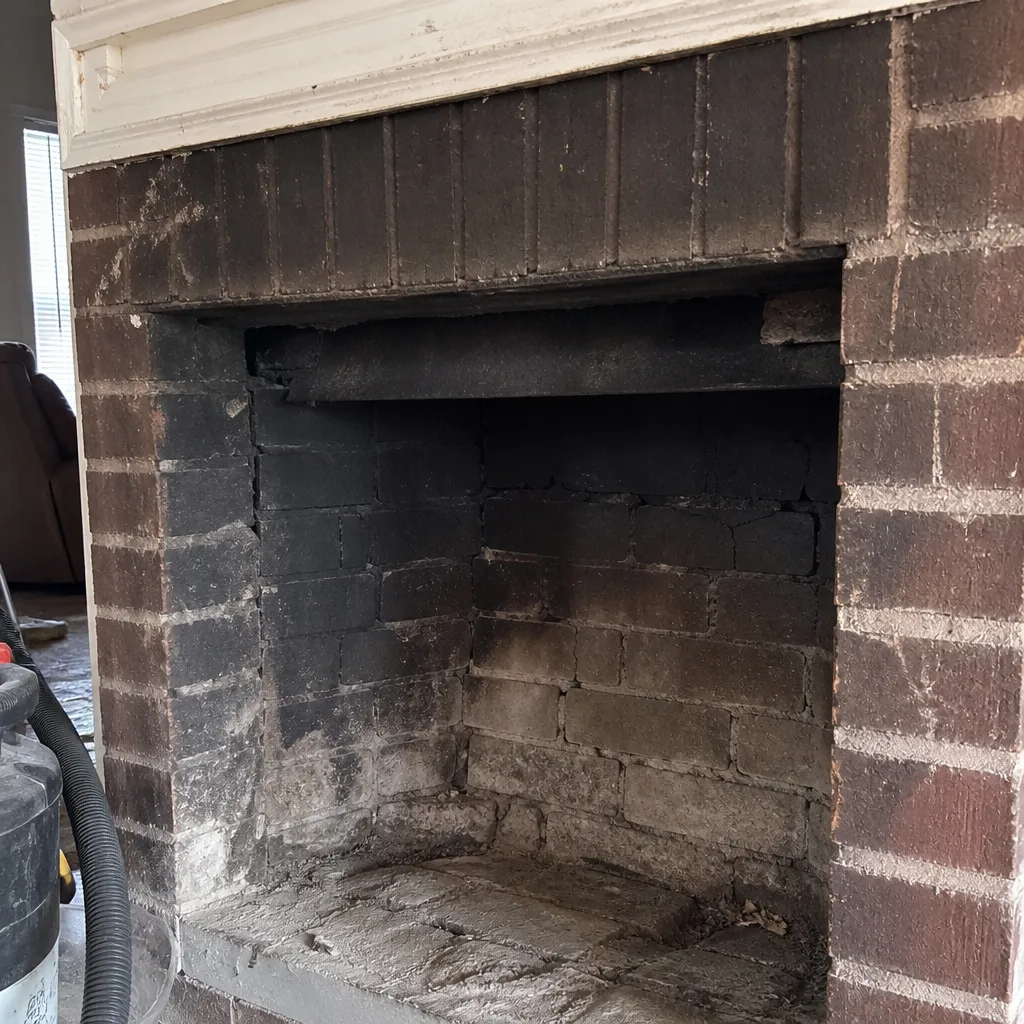 Before
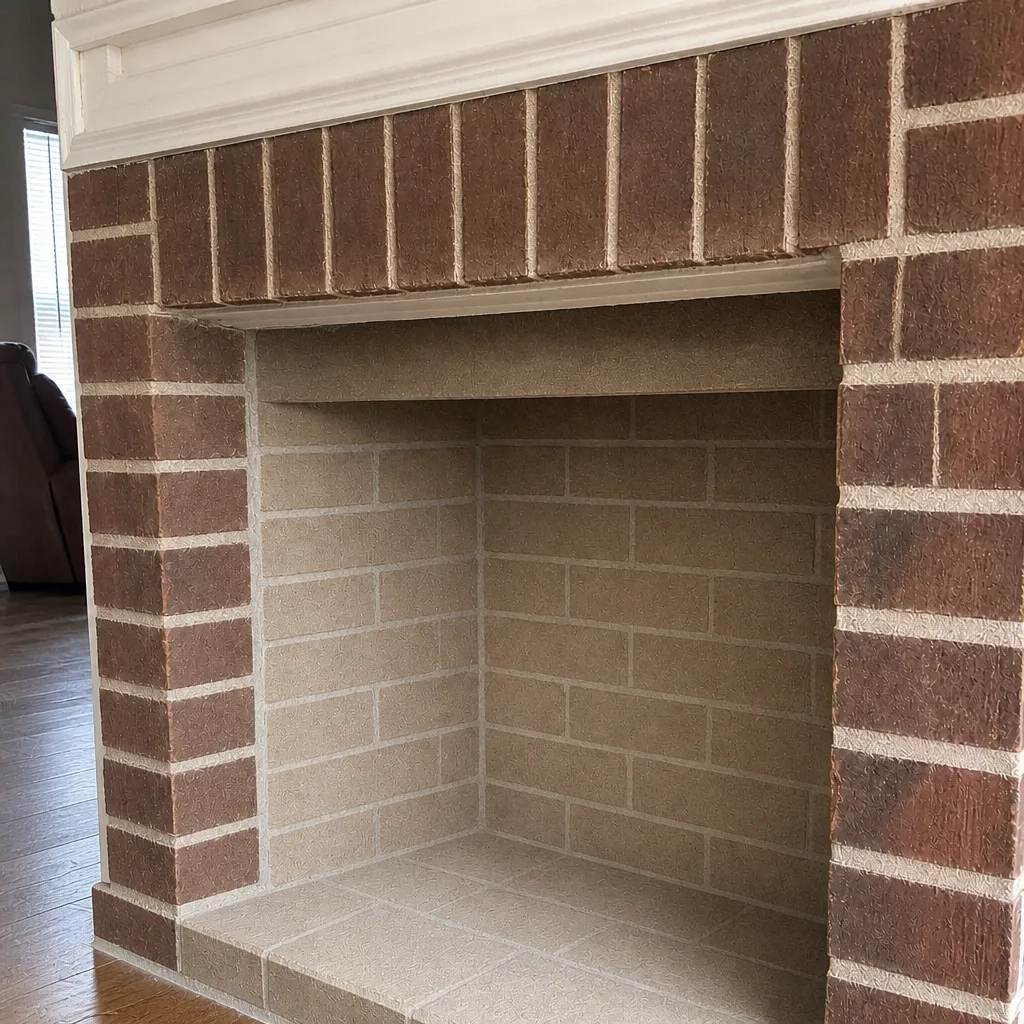 After
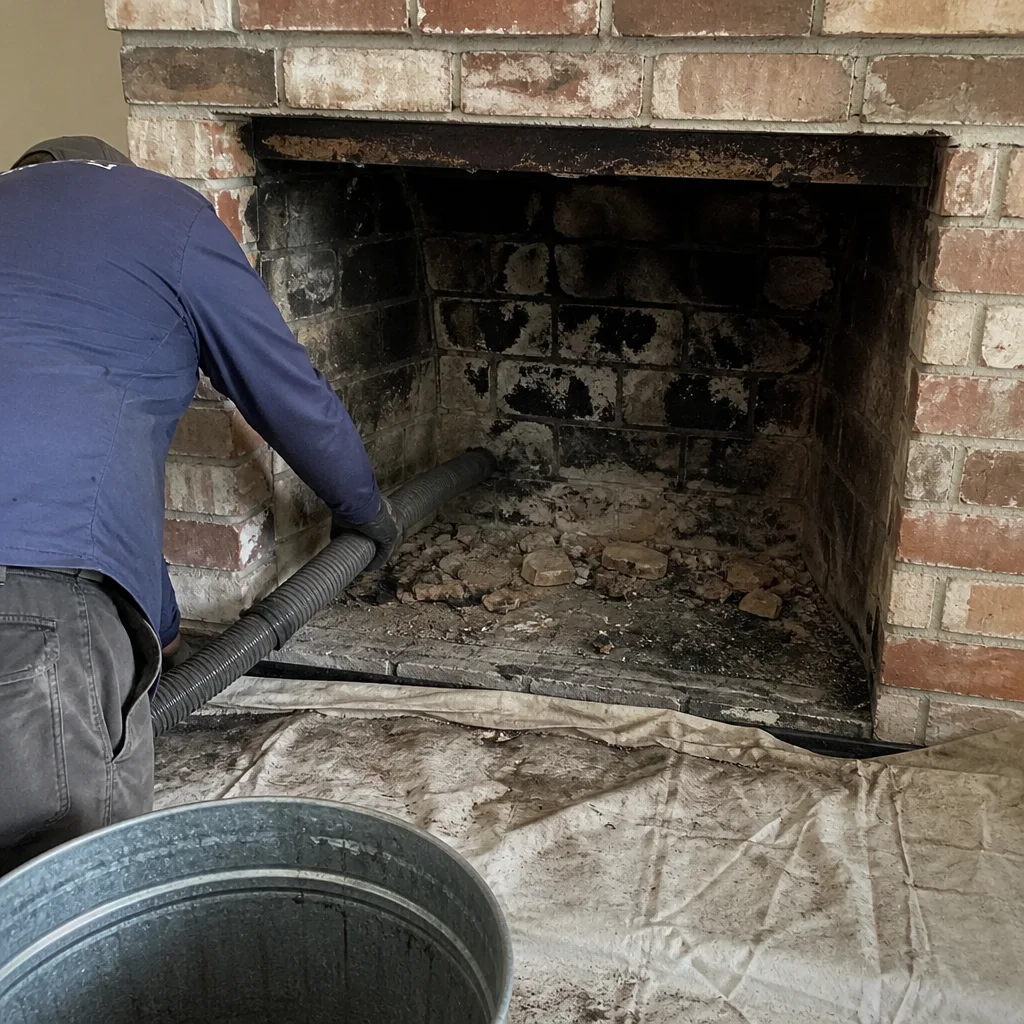 Before
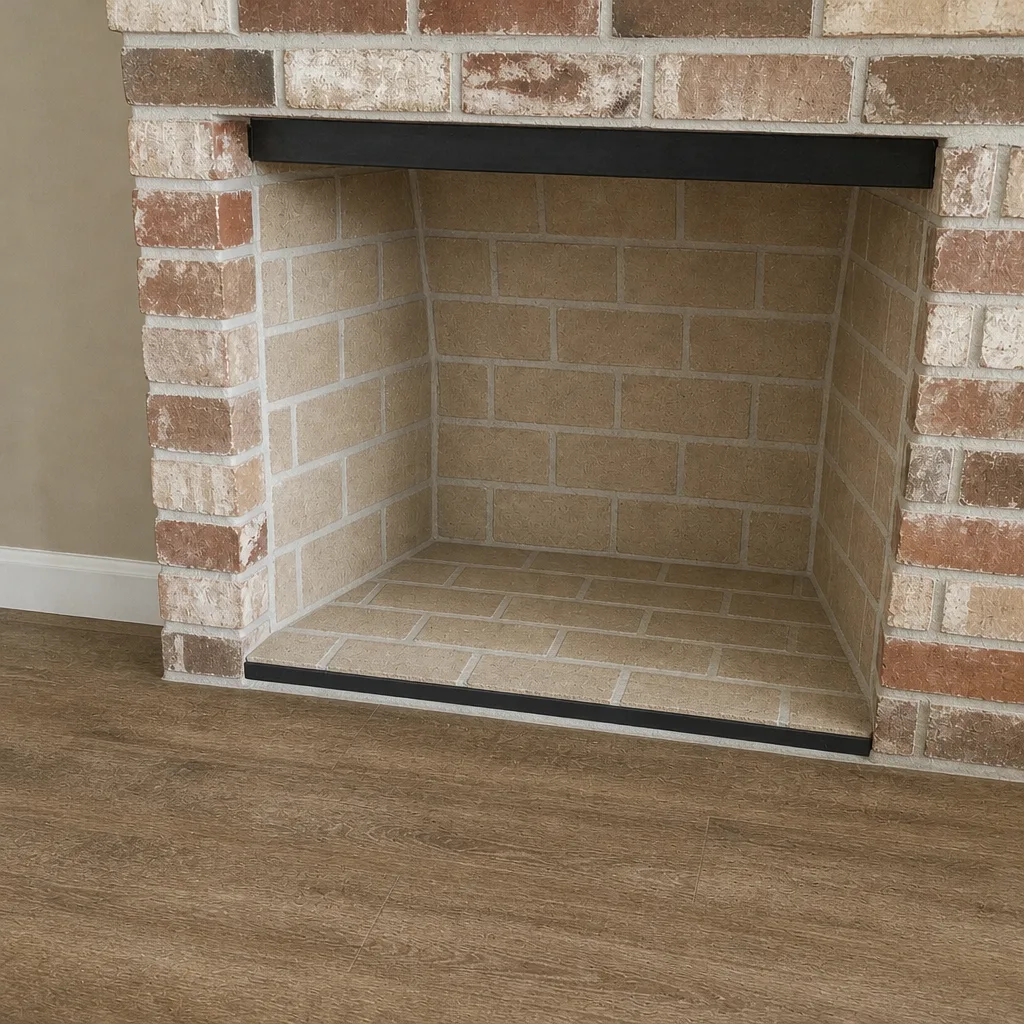 After
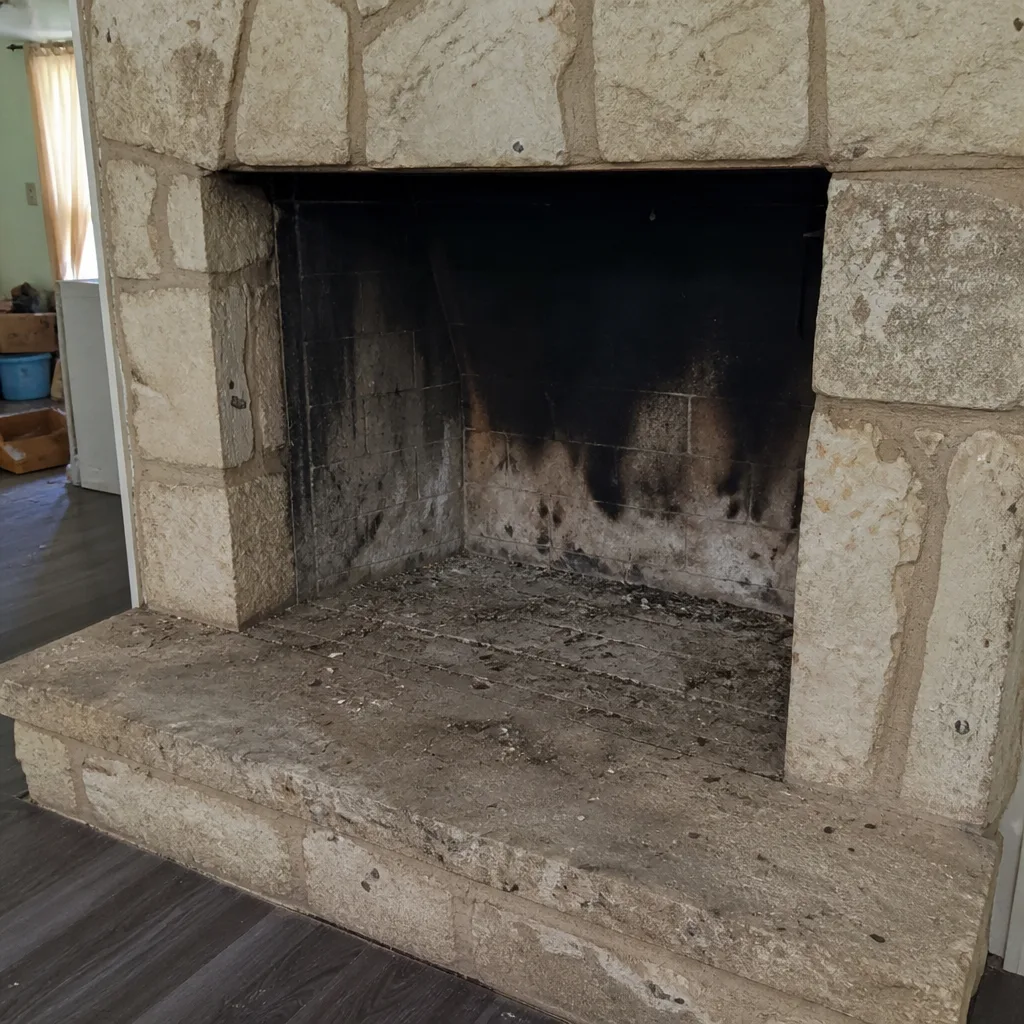 Before
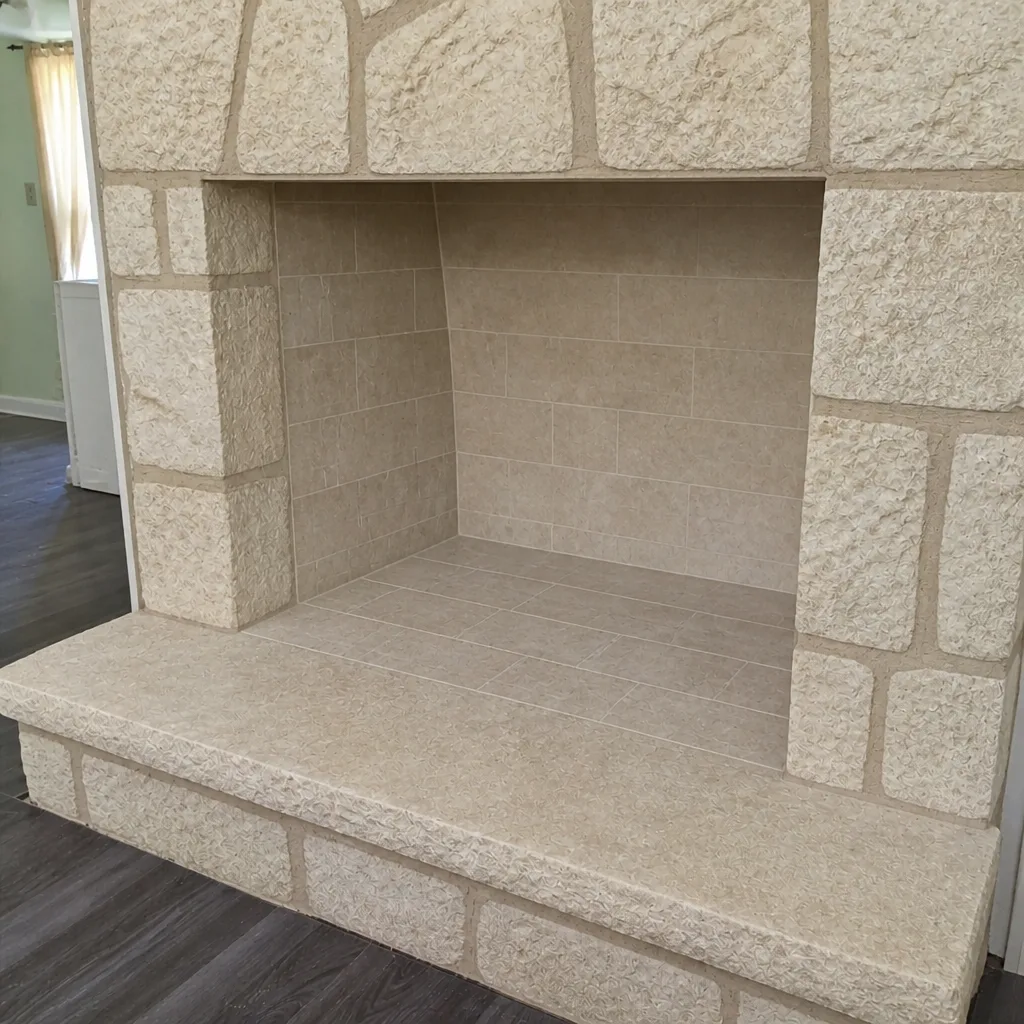 After